

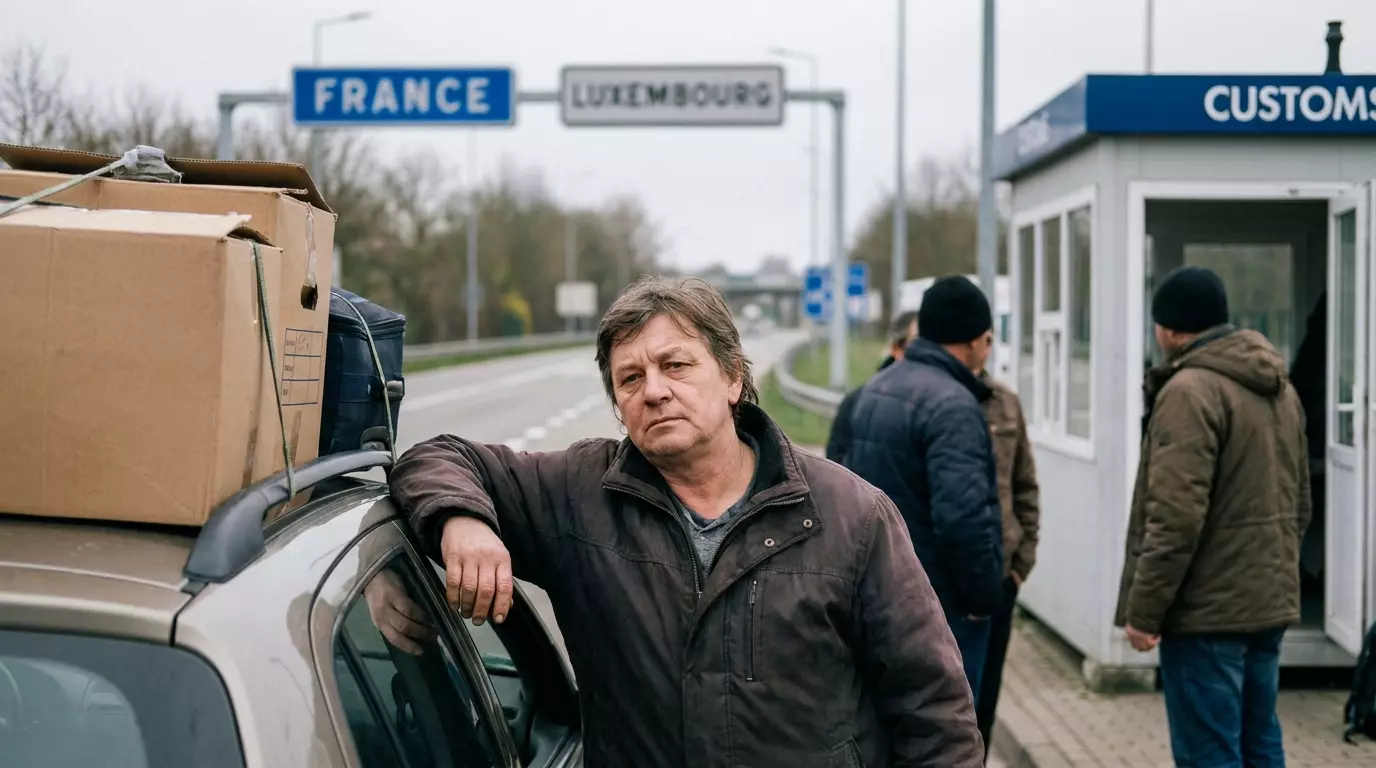
Priced Out of Paradise: One Resident’s Move from Luxembourg to France
Luxembourg may rank among the wealthiest countries in the world, but for many of its residents, that prosperity comes with a steep price tag attached to a roof over their heads. The Grand Duchy’s housing crisis has reached such a fever pitch that long-term residents are packing up and crossing the border, trading the convenience of living where they work for the financial breathing room of life in neighbouring France. One such story, recently featured in Luxembourg Times, captures the frustration and resignation felt by thousands of people navigating an increasingly impossible rental market.
This particular account follows a resident who reluctantly decided that staying in Luxembourg simply wasn’t sustainable anymore. What started as a temporary inconvenience snowballed into a full-blown lifestyle change, complete with longer commutes, new neighbours, and a completely different cost structure. Their story isn’t unique, but it’s emblematic of a much bigger trend reshaping how people live and work in the heart of Europe.
The Breaking Point: When Luxembourg Became Unaffordable
For many residents, the decision to leave Luxembourg doesn’t happen overnight. It builds up gradually as rent notices arrive, utility bills climb, and salaries struggle to keep pace with the soaring cost of living. The resident featured in the article described feeling pushed out rather than choosing to leave, framing the move as something Luxembourg essentially forced upon them rather than a free choice. That sentiment captures the mood of countless tenants who’ve watched their disposable income evaporate into monthly housing payments.
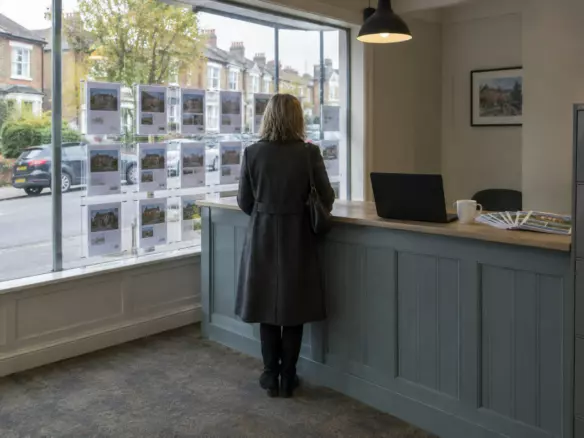
Luxembourg’s housing affordability problem has been well documented by Eurostat, which consistently ranks the country among the most expensive in the European Union for property and rent. The squeeze hits middle-income earners particularly hard because they earn too much for social housing yet not nearly enough to comfortably afford market-rate apartments in Luxembourg City or the surrounding communes. When even decent salaries can’t stretch to cover a modest two-bedroom flat, something has to give.
Crunching the Numbers on Rent Across the Border
The financial argument for moving to France is straightforward and brutal. Properties in cross-border French towns like Thionville, Metz, and Audun-le-Tiche routinely cost a fraction of comparable accommodations in Luxembourg. Where a one-bedroom flat in Luxembourg City might command upwards of €1.800 per month, similar properties on the French side can be found for half that amount or even less, depending on the exact location and condition.
Here’s a snapshot comparison that illustrates the gap many residents face:
| Housing Type | Luxembourg City | French Border Towns |
|---|---|---|
| 1-bedroom apartment | €1.700 to €2.200 | €600 to €900 |
| 2-bedroom apartment | €2.200 to €3.000 | €800 to €1.200 |
| Small house | €2.800+ | €1.000 to €1.500 |
| Average purchase price per m² | €10.000+ | €2.500 to €3.500 |
These differences aren’t just numbers on paper. They translate into real life choices about whether to start a family, save for retirement, or simply enjoy the occasional weekend away. For people in their thirties and forties trying to build stable lives, the maths often points firmly south or west across the border.
What Daily Life Looks Like as a Cross-Border Worker
Becoming a frontalier, the French term for cross-border worker, comes with its own set of adjustments. The morning commute is the most obvious one. Roads leading into Luxembourg from France become notoriously congested during peak hours, with traffic jams sometimes adding 45 minutes or more to a journey that might otherwise take 20 minutes. Public transport options exist, including trains and buses, but they’re often packed and don’t always align with flexible work schedules.
Beyond the commute, there are administrative realities to manage. Cross-border workers typically need to:
- Register their residence with French authorities
- Switch to the French healthcare system or maintain Luxembourg coverage
- Navigate tax obligations in both countries
- Adjust to different banking arrangements
- Handle vehicle registration and insurance in France
Despite these hurdles, the population of cross-border workers continues to grow. According to STATEC, Luxembourg’s national statistics institute, well over 200,000 people cross into Luxembourg daily for work, with France contributing the largest share. This army of commuters keeps the Grand Duchy’s economy running while choosing to spend their evenings and weekends in countries with lower living costs.
No Regrets: Why France Feels Like the Right Call
For the resident featured in the original article, the move ultimately delivered relief rather than regret. Trading the prestige of a Luxembourg address for actual financial stability turned out to be liberating. Suddenly there was money left at the end of the month for groceries that didn’t require careful budgeting, for occasional dinners out, and for the kind of small pleasures that make life feel worth living rather than just endured.
The lifestyle benefits extend beyond pure economics. French border towns often offer:
- Larger living spaces for the same or lower price
- Access to French cultural amenities and cuisine
- Generally lower prices for groceries, restaurants, and services
- A different pace of life away from the corporate intensity of Luxembourg City
- Strong communities of fellow cross-border workers who understand the lifestyle
There’s also something to be said for the psychological shift that comes with no longer feeling financially squeezed. When housing costs drop from consuming half your salary to a more manageable fraction, the stress reduction is immediate and significant. Many cross-border workers report that they actually enjoy their time in Luxembourg more once they’re not constantly worried about whether they can afford to keep living there.
The Bigger Picture: Luxembourg’s Housing Crisis
The story of one person leaving Luxembourg fits into a much broader pattern that policymakers in the Grand Duchy have been grappling with for years. The government has introduced various measures aimed at increasing housing supply and making property more accessible, but results have been mixed at best. Construction takes time, regulations are complex, and the underlying demand keeps growing as Luxembourg’s economy attracts more workers from across Europe.
Some of the contributing factors to the crisis include:
- Limited land availability in a small country
- High demand from international workers and EU institutions
- Slow construction approval processes
- Investment property dynamics that favour owners over renters
- Lack of significant social housing stock
Until structural changes take hold, the exodus to France, Belgium, and Germany seems likely to continue. Each person who leaves represents a small but real signal that the current trajectory isn’t working for ordinary residents, even those earning above-average salaries by European standards.
Conclusion: In Short
Luxembourg’s housing crisis has reached a point where even financially comfortable residents feel forced to leave the country they’ve called home. The story of one person crossing into France to find affordable housing reflects a much wider phenomenon affecting tens of thousands of people across the region. While the Grand Duchy continues to offer excellent employment opportunities and a high quality of professional life, the gap between salaries and housing costs has grown too wide for many to bridge. Until meaningful policy changes shift that equation, cross-border living will remain the practical solution for residents who refuse to spend their working lives funnelling every spare euro into rent.
Frequently Asked Questions
Why are so many people leaving Luxembourg for France?
The primary driver is housing affordability. Rent and property prices in Luxembourg have climbed to levels that even well-paid professionals struggle to manage, while French border towns offer similar quality housing for significantly less money.
How much can you save by moving to France from Luxembourg?
Savings vary by location and lifestyle, but most cross-border workers report saving between €800 and €1.500 monthly on housing alone, with additional savings on groceries, dining, and general living expenses.
What are the downsides of being a cross-border worker?
The main drawbacks include longer commutes, traffic congestion, administrative complexity around tax and healthcare, and a lifestyle split between two countries. Some people also miss the convenience of living near their workplace.
Is the Luxembourg government doing anything about the housing crisis?
Various housing initiatives have been launched over the years, including efforts to increase construction and provide assistance to first-time buyers. However, demand continues to outstrip supply, and meaningful relief remains elusive for most renters.
Which French towns are most popular with cross-border workers?
Thionville, Metz, Audun-le-Tiche, Longwy, and Villerupt are among the most popular destinations due to their proximity to Luxembourg’s main employment centres and decent transport connections.
Do cross-border workers pay tax in Luxembourg or France?
Generally, cross-border workers pay income tax in Luxembourg where they earn their salary, but they may have additional tax obligations in France depending on their personal circumstances. Professional tax advice is strongly recommended.


Join The Discussion