

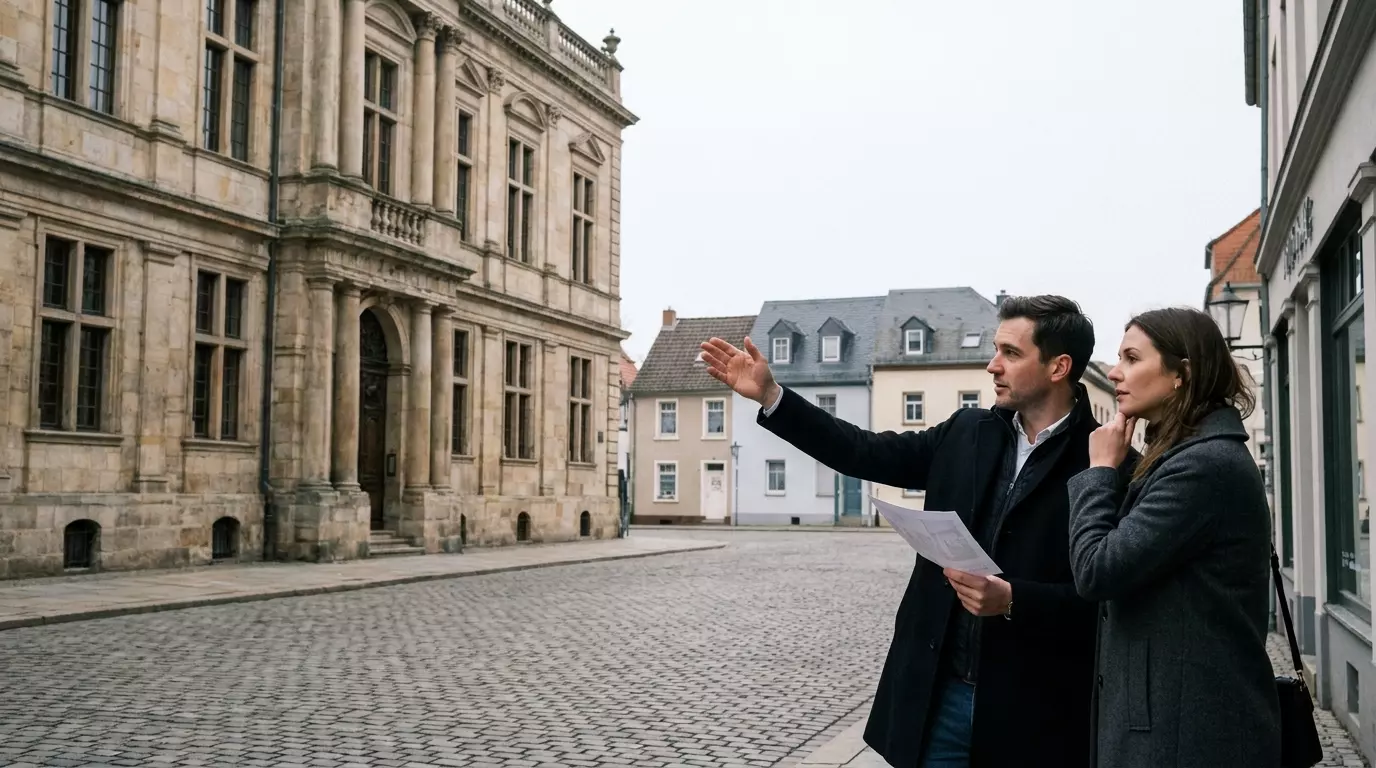
Where Are Property Taxes Highest and Lowest in Europe? A Country-by-Country Look
Buying a home in Europe is rarely just about the asking price. Once the keys are handed over, homeowners face an ongoing cost that varies enormously depending on where they live: property tax. A recent analysis published by Euronews shines a light on just how dramatic these differences are, revealing that a homeowner in one European country can pay several times more in annual property levies than a neighbour just across the border.
Drawing on data from the OECD and Eurostat, the report compares recurrent taxes on immovable property across the continent, measured both as a share of GDP and as a percentage of total tax revenue. The findings matter for anyone thinking about relocating, investing in a second home, or simply understanding why housing affordability looks so different from Lisbon to Ljubljana. Below, we break down where property taxes bite hardest, where they barely register, and what the trends mean for buyers in 2026 and beyond.
How Property Taxes Vary Wildly Across Europe
Property taxation in Europe is anything but harmonised. Unlike VAT, which the EU regulates within set bands, recurrent property taxes remain entirely a national and often local matter. The result is a patchwork of systems: some countries tax properties annually based on market value, others use outdated cadastral values from decades ago, and a handful levy almost nothing at all on ownership itself. According to OECD figures cited in the analysis, recurrent property taxes range from well above 3% of GDP in the highest-taxing nations to below 0.3% in the lowest.
The structural differences explain much of the gap. Countries such as the United Kingdom and France rely heavily on property taxes to fund local government services like schools, waste collection, and policing. In contrast, many Central and Eastern European states, along with countries like Luxembourg and Austria, generate the bulk of their revenue through income and consumption taxes instead. As Eurostat data confirms, property taxes account for anywhere between roughly 1% and over 12% of total tax revenue depending on the country, a spread that has real consequences for household budgets.
The Countries Where Homeowners Pay the Most
At the top of the table sits the United Kingdom, where recurrent property taxes consistently hover around 3.5% of GDP, the highest in Europe and among the highest in the entire OECD. Council tax in England, Scotland, and Wales, combined with business rates, makes property one of the most heavily taxed asset classes in the country. France follows closely, with the taxe foncière rising sharply in recent years as municipalities compensate for the abolition of the residence tax on main homes. French homeowners in cities like Paris and Marseille have seen annual bills climb by double digits.
Other high-tax nations include Greece, where the ENFIA levy remains a significant burden despite recent reductions, along with Belgium, Denmark, and Spain, where the IBI municipal tax varies by region but adds up quickly in urban centres. Here is how the top tier compares:
| Country | Property Tax (% of GDP) | Main Levy |
|---|---|---|
| United Kingdom | ~3.5% | Council tax / business rates |
| France | ~2.7% | Taxe foncière |
| Greece | ~2.0% | ENFIA |
| Belgium | ~1.7% | Précompte immobilier |
| Denmark | ~1.6% | Ejendomsværdiskat |
| Spain | ~1.2% | IBI |
For homeowners in these countries, property tax is not a footnote. On a mid-priced home in London or Lyon, annual bills can easily exceed several thousand euros, a recurring cost that buyers must factor into affordability calculations from day one.
Why Some Nations Barely Tax Property at All
At the opposite end of the spectrum, several European countries collect remarkably little from property owners. Luxembourg has long stood out, with recurrent property taxes amounting to barely 0.1% of GDP, thanks to cadastral values that have not been meaningfully updated since the 1940s. Estonia is another outlier: it taxes only land, not the buildings on it, meaning homeowners pay a modest levy regardless of how valuable their house is. Czechia, Austria, and Slovakia also sit near the bottom of the rankings, each collecting under 0.3% of GDP from recurrent property taxes.
The reasons are a mix of politics, history, and administrative inertia. Updating property valuations is deeply unpopular with voters, so many governments simply avoid it. In post-communist states, widespread homeownership following mass privatisation in the 1990s created a powerful constituency opposed to property levies. The typical characteristics of low-tax countries include:
- Outdated cadastral values that bear little relation to current market prices
- Land-only taxation models, as seen in Estonia
- High homeownership rates, which make reform politically toxic
- Reliance on alternative revenue, particularly social contributions and consumption taxes
Economists at the OECD have repeatedly argued that these countries are leaving efficient revenue on the table, since recurrent property taxes are considered among the least distortionary forms of taxation for economic growth.
What Rising Property Taxes Mean for Buyers
The direction of travel across much of Europe is upward. France’s taxe foncière has increased substantially in many communes, Greece continues to fine-tune ENFIA, and several countries are under pressure from institutions like the International Monetary Fund to modernise property valuations. Luxembourg, for instance, has been debating a long-awaited reform that would bring valuations closer to market reality, potentially multiplying bills for some owners. For buyers, this means the property tax landscape at the time of purchase may look very different a decade later.
Practical implications for anyone buying in Europe today:
- Budget beyond the mortgage: In high-tax countries, annual property taxes can add 0.5% to 1% of a home’s value in recurring costs.
- Check local rates, not just national averages: Municipal variation is enormous, particularly in Spain, France, and Belgium.
- Watch for reform risk: Low-tax jurisdictions like Luxembourg may not stay low forever.
- Consider total cost of ownership: Transaction taxes, notary fees, and recurrent levies together shape the true price of a property.
For investors, the calculus is similar. A rental property in a low-tax country may deliver stronger net yields, but currency, regulation, and market liquidity matter just as much. The key takeaway from the Euronews analysis is that property tax should be a first-order consideration, not an afterthought, when comparing markets across the continent.
In Short
Property taxes in Europe span an extraordinary range, from the UK’s world-leading levies of around 3.5% of GDP to Luxembourg’s and Estonia’s near-negligible charges. High-tax countries like France, Greece, and Belgium use property revenue to fund essential local services, while low-tax nations rely on outdated valuations or land-only models that keep bills minimal. With reform pressure building and municipal rates rising in several markets, buyers and investors alike should treat property tax as a central factor in any purchase decision. Where you buy in Europe does not just determine your mortgage, it determines your tax bill for decades to come.
FAQ
Which European country has the highest property taxes?
The United Kingdom leads Europe, with recurrent property taxes of roughly 3.5% of GDP, driven mainly by council tax and business rates. France ranks second at around 2.7%.
Which European countries have the lowest property taxes?
Luxembourg, Estonia, Czechia, Austria, and Slovakia collect the least, each gathering under 0.3% of GDP from recurrent property levies, largely due to outdated valuations or land-only tax systems.
Why are property taxes so different across Europe?
Property taxation is a national and local competence, not an EU matter. Differences in valuation methods, homeownership rates, political pressures, and reliance on alternative taxes explain the wide gap.
Are European property taxes going up?
In many countries, yes. France’s taxe foncière has risen sharply, and reform discussions in low-tax countries like Luxembourg could push bills higher in the coming years.
How should buyers factor property tax into a purchase?
Buyers should research municipal rates, estimate annual costs as a share of the property’s value, and account for potential reforms that could raise bills over the ownership period.


Join The Discussion