
House prices in Portugal reached a fresh asking-price record in September 2026, and the surprise is where the pressure sits. Idealista’s price index puts the national median asking price at 3,228 euro per square metre, up 7.9 per cent on September last year and 0.6 per cent on the month. It is the highest reading the index has posted.
Lisbon is still the priciest place to buy, yet it is also among the slowest to rise. For an agent, the story in these numbers is a market that has spread out: momentum has moved inland and to the coast, while Lisbon and Porto settle into single-digit growth.
Asking Prices in Portugal Hit a September Record
Nationwide the index rose a further 0.6 per cent from August, so this is a market still drifting upward rather than one that has stalled. Growth is running at more than twice the euro-area figure for completed sales, and much of it is being set by towns that were an afterthought a few years ago.
These September figures come from the Idealista price index, which Euronews reported on 1 October 2026. The steepest annual increases among the cities surveyed were:
- Vila Real, up 17.8 per cent.
- Leiria, up 17.6 per cent.
- Beja, up 14.4 per cent.
- Faro, up 14.3 per cent.
- Guarda, up 14 per cent.
Centro led regional price growth, which tells you that demand is no longer only in the two metropolitan areas. Single-digit risers matter just as much as the leaders, though, because they include most of the country’s housing stock.
The Cities Driving Portuguese Asking Prices Higher
Away from the biggest cities, prices are climbing faster than at any point in this cycle. Vila Real leads the country with a 17.8 per cent annual rise and Leiria is a whisker behind at 17.6 per cent. Beja, Faro and Guarda all posted gains above 14 per cent, and the Centro region logged the strongest regional growth in the survey.
Portuguese property is no longer a Lisbon story alone, and that shift changes how an agency should price a listing. Setubal, Porto and Castelo Branco rose close to 9 per cent, while Ponta Delgada, in the Azores, and Funchal, in Madeira, trailed at 7.1 and 5.3 per cent.
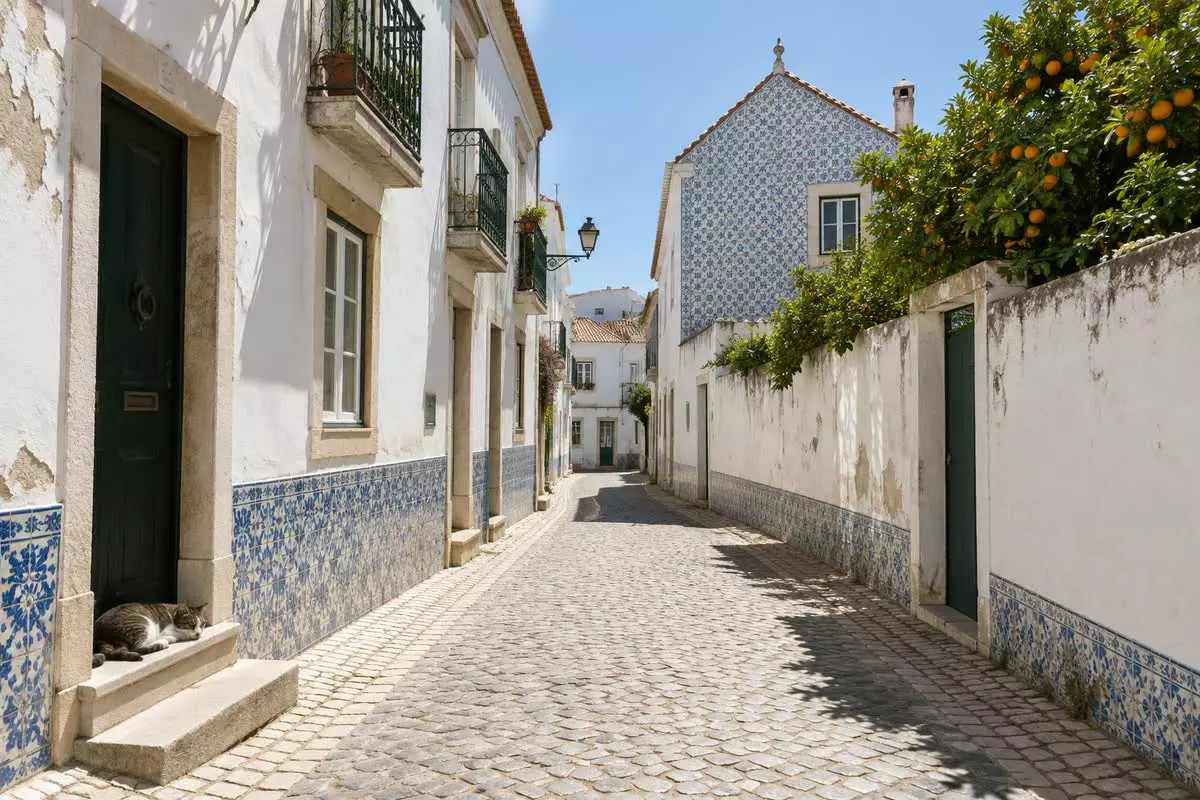
Lisbon is the exception to the rush. The capital rose 4.4 per cent, the slowest of any city surveyed, yet it remains the most expensive place in the country to buy a home. Below, the table sets the September annual change against the median asking price where the index owner, Idealista, publishes one.
| City or area | Annual change | Median asking price (euro per sq m) |
|---|---|---|
| Vila Real | 17.8 per cent | Not published |
| Leiria | 17.6 per cent | Not published |
| Beja | 14.4 per cent | Not published |
| Faro | 14.3 per cent | Not published |
| Guarda | 14 per cent | Not published |
| Lisbon | 4.4 per cent | 6,256 |
| Lisbon region | Not published | 4,501 |
| Portugal (national) | 7.9 per cent | 3,228 |
Asking Prices and Sold Prices Tell Two Stories
An asking price is what a seller hopes to get, and apartment prices in the capital show how stubborn that hope can be. A sold price is what a notary records once a buyer and a seller actually agree. Both are measured in different ways, over different periods, so they rarely move in step. When you quote a market to a client, the gap between them is the honest part of the conversation.
Transaction data runs on its own clock. Eurostat’s house price index for the second quarter of 2026 put Portugal top of the European Union with a 16.5 per cent annual rise, ahead of Bulgaria at 15.5 per cent and Lithuania at 14.3 per cent, while euro-area prices rose 4 per cent. That index follows completed sales, so it captures what buyers paid, not what sellers are now hoping for.
Read together, the two numbers say something useful. Eurostat’s figure is a backward-looking average across a quarter of agreed deals; the Idealista figure is a current asking level. Neither is wrong. A seller who anchors to the asking index and ignores what nearby homes actually fetched can sit on a listing for months, so the transaction index is the one to reach for when a price is contested.
What the September Numbers Mean for Agents
Practically, a national average is a poor guide to any single instruction. A vendor in Guarda is in a market rising at 14 per cent a year; a vendor in Lisbon is in one rising at 4.4 per cent. Treating the two the same is how a sound instruction goes stale.
Four checks are worth running before you quote a figure to a client.
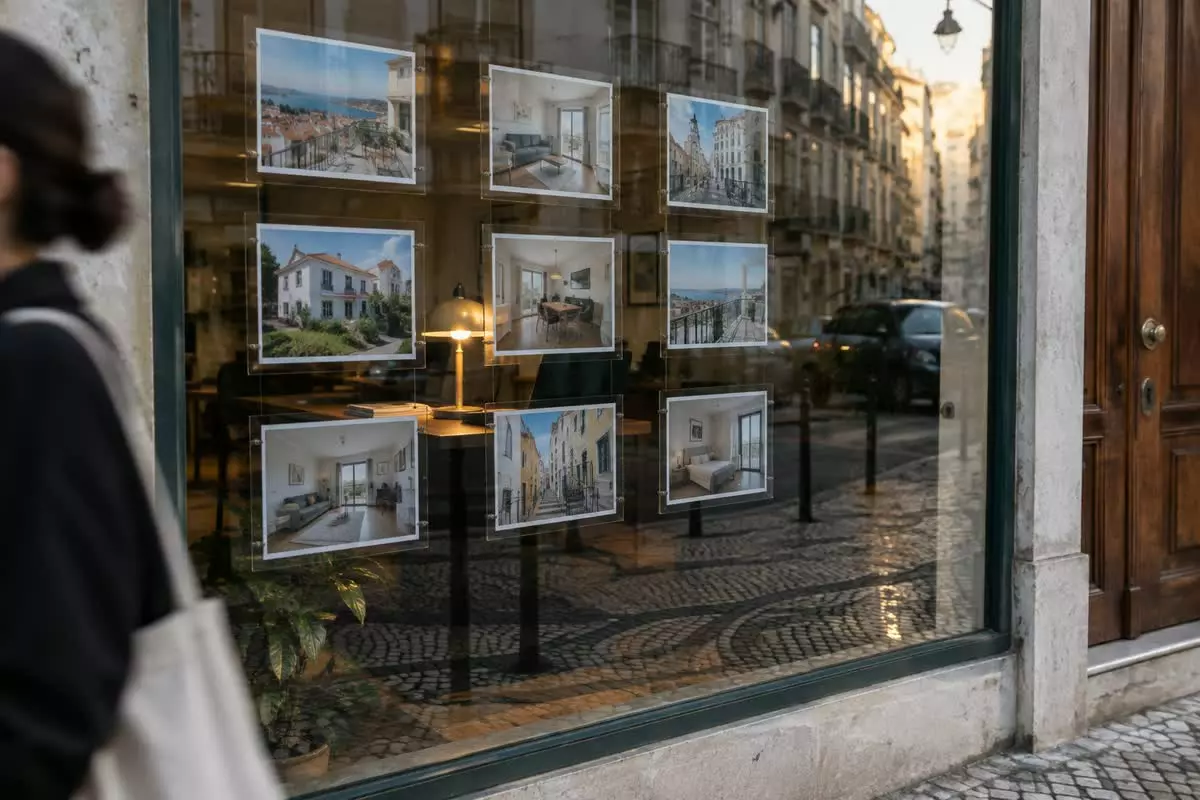
- Match the index to the postcode. Pull the local annual change, not the national one, and quote the city and the neighbourhood.
- Separate the asking number from the sold number. Tell the client which one you are using and why.
- Check the stock. A market rising 17 per cent on thin supply can turn faster than a deep one rising 9 per cent.
- Weigh the slow risers properly. Lisbon and Porto still hold the highest values, so a modest percentage there is worth more in cash than a large one inland.
Where the Portuguese Market Heads Next in Autumn
That record is real, but it is a record for asking prices, and an asking price can be revised down without a single sale being cancelled. More likely from here is more of the same spread: strong gains in mid-sized cities where supply is thin, and slower, steadier growth in Lisbon and Porto where values are already high.
For the European agents reading this, the lesson travels well. A national headline tells you the mood, and the city table tells you the business. Keep both in front of you, and the September record becomes a useful benchmark rather than a stray number.
Frequently Asked Questions About Portuguese House Prices
How much did Portuguese house prices rise in September 2026?
Idealista’s index shows a 7.9 per cent annual rise and a 0.6 per cent monthly gain, with the national median asking price at 3,228 euro per square metre. That is an asking-price measure, not a record of completed sales.
Which city had the fastest rising prices in September?
Vila Real led the cities surveyed with a 17.8 per cent annual increase, just ahead of Leiria at 17.6 per cent. Beja, Faro and Guarda followed, all above 14 per cent, and the Centro region led the country’s regions.
Is Lisbon still the most expensive city in Portugal?
Yes. Lisbon’s median asking price is 6,256 euro per square metre, the highest of any city, and the wider Lisbon region is the priciest area at 4,501 euro. Its annual growth, at 4.4 per cent, was the slowest in the survey.
Why do asking prices differ from sold prices?
They measure different things. An asking price is a seller’s target at a moment in time; a sold price is what a buyer and seller finally agreed, recorded in the transaction data. Eurostat’s index, for instance, follows completed sales, so it can run well above or below a current asking figure.
What should agents watch next in Portugal?
Supply in the mid-sized cities and the pace of new listings in Lisbon and Porto. If the fast risers keep going while the capital slows, the gap between the two markets will set both pricing advice and buyer expectations through the autumn.