
Structure, materials and stewardship decide whether an expensive house becomes a family home that outlives its buyer. That is the case made by Living On The Côte d’Azur, a buyer agency on the French Riviera, in a guide to what turns a luxury property into a true legacy home published in October 2026, and most of it travels well to any other market in Europe.
What makes the argument useful for an agent is that each of the three pillars can be checked rather than admired. Buyers in the upper end of the market are paying more attention to how long a building will last, so here is what to look at, and what to ask, when a client is buying property in France with the intention of keeping the house in the family.
Three Pillars That Make a House Worth Keeping
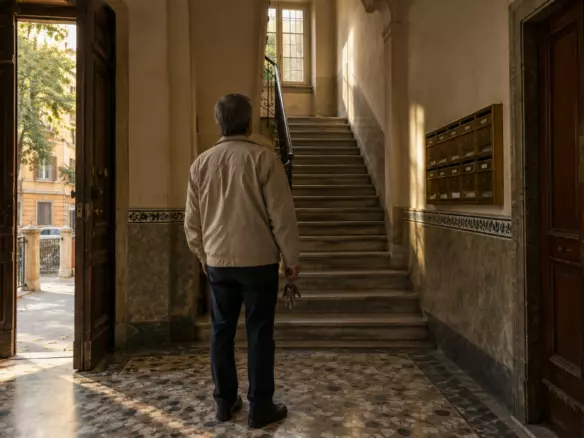
Permanence shows up in the bones of a house long before it appears in the finishes. Generous proportions, a double circulation plan that never forces a corridor through someone’s bedroom to reach the kitchen, and a clear hierarchy between main and secondary rooms all signal a building that different generations can live in differently.
Walk a property with legacy potential and the signs worth writing down are specific, not atmospheric:
- A roofline with consistent, well-maintained lines and no sagging or patch repairs
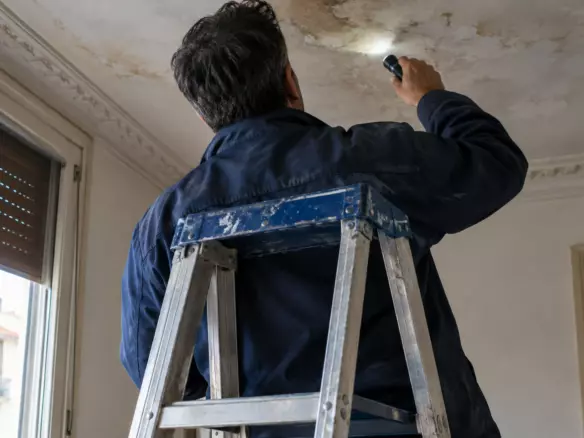
- Foundations free of recent underpinning work, cracking or damp staining at the base
- An interior sequence that flows from arrival to private quarters instead of a maze of retrofitted additions
- Rooms oriented to catch daylight through the day, south-facing living space above all
- Service routes, the plumbing risers and electrical chases, with spare capacity for future upgrades
That last point earns more than buyers expect from it. A house with room to grow its systems can absorb a new wing, a lift or a modern kitchen without ever touching the original fabric, which is often the difference between a careful upgrade and a rebuild.
Materials and Finishes That Age Into Character
Natural stone, hand-worked copper, oak joinery and lime-based finishes improve with weather and use. A limestone facade softens and warms in colour, copper roofing turns from bright orange to a settled green, and oak floors deepen where feet have worn a path for decades. Synthetic alternatives do not develop that way, which is one reason a fully renovated house can feel thinner than a tired one.
Joinery details tell you whether a building can be repaired rather than replaced. Mortise-and-tenon or pegged joints in doors, shutters and staircases, and mortar that matches the original stone in colour and hardness instead of a grey cement patch, both point to a house that can be maintained by hand for another fifty years.
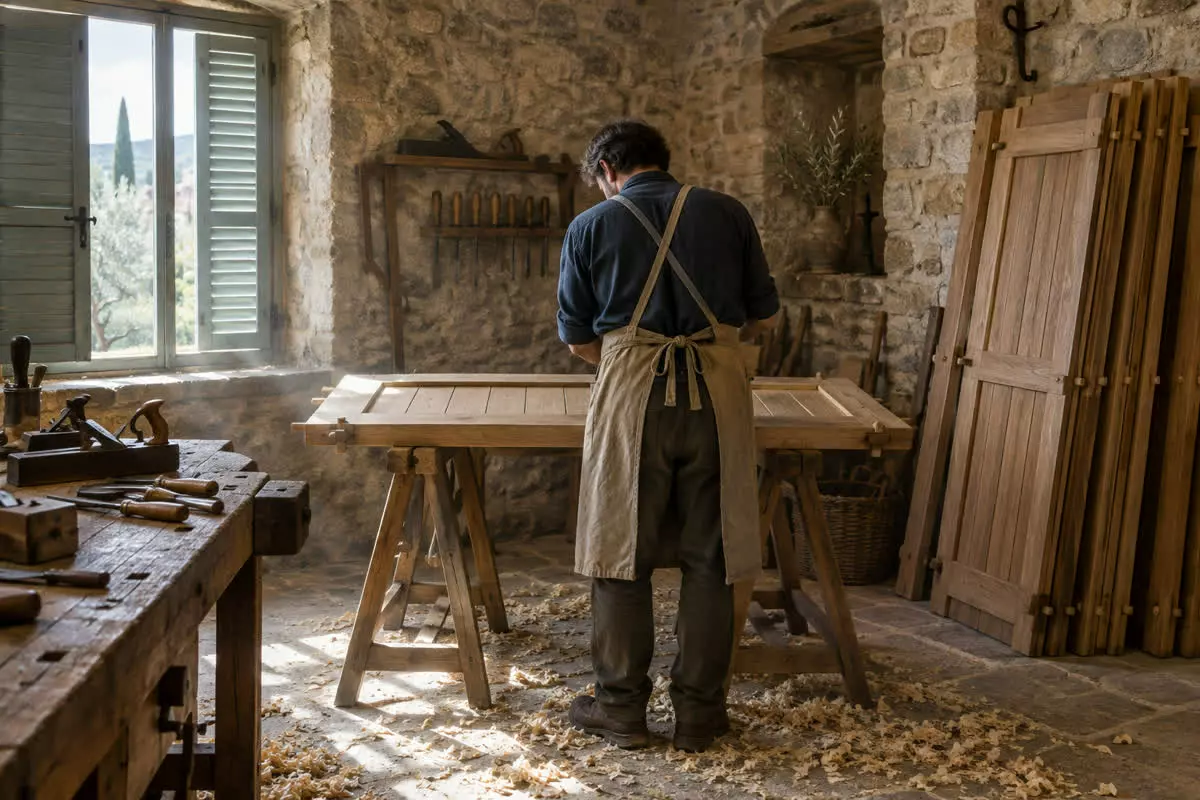
The test costs nothing and takes twenty minutes. Ask to see the subfloor, the roof timbers and a corner of exposed mortar before the staged interiors do their work. That is where you learn whether the house was built to last or dressed to sell.
Ownership Structures That Keep a House Intact
A beautiful house can still split a family when nobody has agreed how it will be used, funded or passed on. Ownership vehicles keep the property whole instead of forcing a sale to settle competing claims. In France the familiar structure is the societe civile immobiliere, the SCI, while family trusts and co-ownership agreements do a comparable job in other jurisdictions. Which one fits depends on the family, the tax position and the succession rules of every country involved, so the answer belongs with a notaire or a tax adviser rather than a template copied from a forum.
Before an offer, three questions about stewardship are worth putting to the seller:
- What maintenance has been documented over the past ten to twenty years, and by whom?
- Is there a capital reserve, or has upkeep been paid ad hoc as problems appeared?
- Who has authority to approve repairs today, and how does that authority transfer to the next generation?
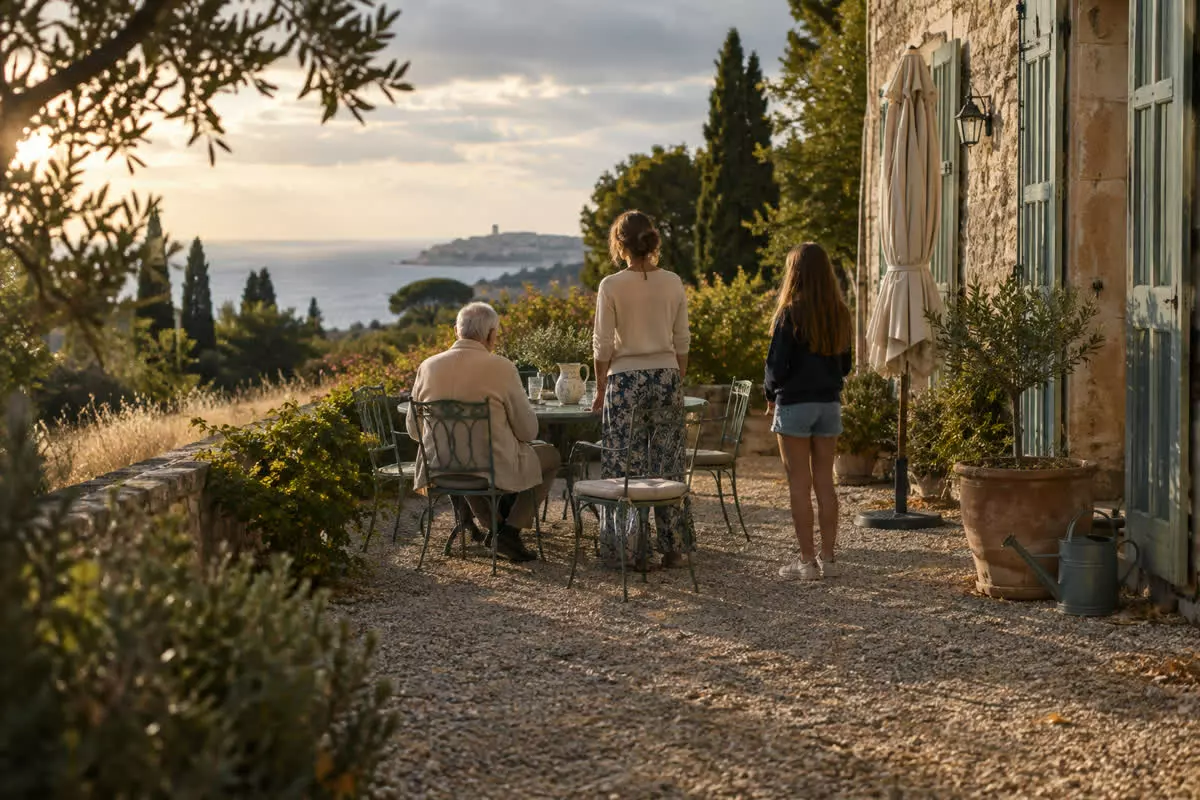
Cross-border succession adds a layer that is easy to underestimate. Heirs spread across two or three countries can end up disputing both the house and the law that applies to it, and a French property inherited by children who live elsewhere may be governed by rules none of them have read.
What a Buyer Should Check Before an Offer
A legacy purchase rewards a short, concrete routine rather than a strong impression. Request maintenance records covering at least the past decade, roof and drainage work included. Ask whether a structural survey exists and read it in full. Check drainage around the foundations after rain if the timing allows. Ask the seller or their architect which elements are original and which have been replaced. Then confirm with the notaire whether any heritage designation or restriction runs with the property.
| Pillar | What to check | Warning sign |
|---|---|---|
| Structure | Roofline, foundations, circulation, spare service capacity | Recent underpinning, damp staining at the base, a maze of retrofitted rooms |
| Materials | Stone, copper, oak and lime, with joints that come apart | Cement patches, glued composite units, detailing that changes from room to room |
| Stewardship | Documented maintenance, a capital reserve, clear authority to decide | No records, vague answers about past repairs, nobody owning the decisions |
Watch for red flags that inflate long-term cost quietly: original fabric replaced with mismatched materials, detailing that changes character from room to room, and vague answers about past repairs. A seller who cannot produce maintenance history is effectively handing the buyer the survey, and the offer should price that in.
Heritage status is a separate question and it cuts both ways. In France, a property that is classe or inscrit faces restrictions on exterior alterations, window replacement, roofing materials and sometimes internal features of historic significance, and permits take longer to clear. The National Park Service standards for historic properties treat sensitive upgrades to heating, plumbing and wiring as appropriate when the visible fabric survives, and note that good preservation practice tends to be sustainable practice as well. Plenty of fine older houses on the Côte d’Azur carry no protection at all, which gives an owner latitude but leaves nobody enforcing a sympathetic repair.
Stewardship Starts Long Before the House Is Sold
Structure and materials can be surveyed in an afternoon. Stewardship takes a conversation, and it is the pillar that decides whether the other two survive contact with the next generation. Families who keep a house for three generations tend to be the ones who agreed early how it would be used, funded and repaired, and who wrote that agreement down while everyone was still speaking to each other.
None of the three pillars is specific to France. Across the European real estate market the same questions decide whether a purchase holds its value and its meaning: will the building last, can it be repaired, and is there a structure that keeps it whole. An agent who puts those questions to a client at the viewing stage is doing the diligence everyone else leaves until the notaire’s office.
Your Questions About Buying a Legacy Home
What makes a property a legacy home?
Three things together: structural permanence, materials that patinate instead of degrading, and governance that keeps the property in one piece when it passes to heirs. A house needs all three to last physically, legally and emotionally, because a strong structure with no agreement behind it can still be sold to settle a family argument.
How do I check whether a house was built to last?
Look at the parts nobody styles: roof timbers, subfloor, the base of the walls and a corner of exposed mortar. Traditional joints and mortar that matches the original stone in colour and hardness show a building that can be taken apart and put back together. A structural survey plus ten years of maintenance records confirm what the materials suggest.
Can a property be worth preserving without being listed?
Yes, and on the Côte d’Azur that is the common case. Classé or inscrit status is not a prerequisite for quality, and many fine older houses carry no formal protection. Owners gain latitude over alterations, but no heritage authority enforces sympathetic repair, so the whole responsibility sits with the owner and, in time, the heirs.
Why does the ownership structure matter so much?
Because a house held by several heirs can be sold to settle a disagreement, while a house held through an SCI, a family trust or a written co-ownership agreement tends to stay intact. The right vehicle depends on the family and on the tax and succession rules of every country involved, so it needs a notaire or a tax adviser rather than a template.
Are old houses harder to make energy efficient?
Not necessarily, and the oldest Riviera houses were built to manage heat, light and air before anyone called it sustainability. Thick stone or rendered masonry walls provide thermal mass, shutters and deep eaves control summer sun, and cross-ventilation between opposing windows moves air without machinery. The gains come from working with those features, adding insulation behind original plasterwork or glazing inside existing frames, rather than replacing them.