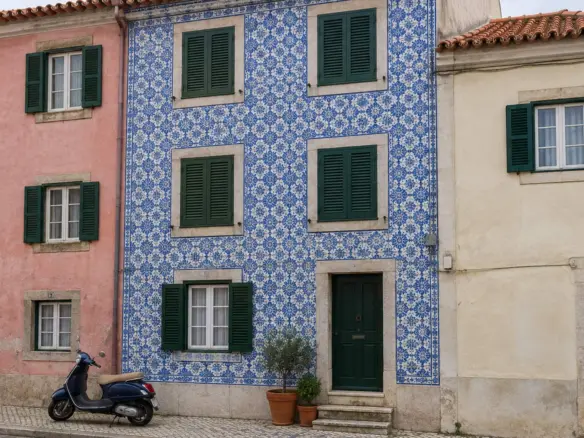

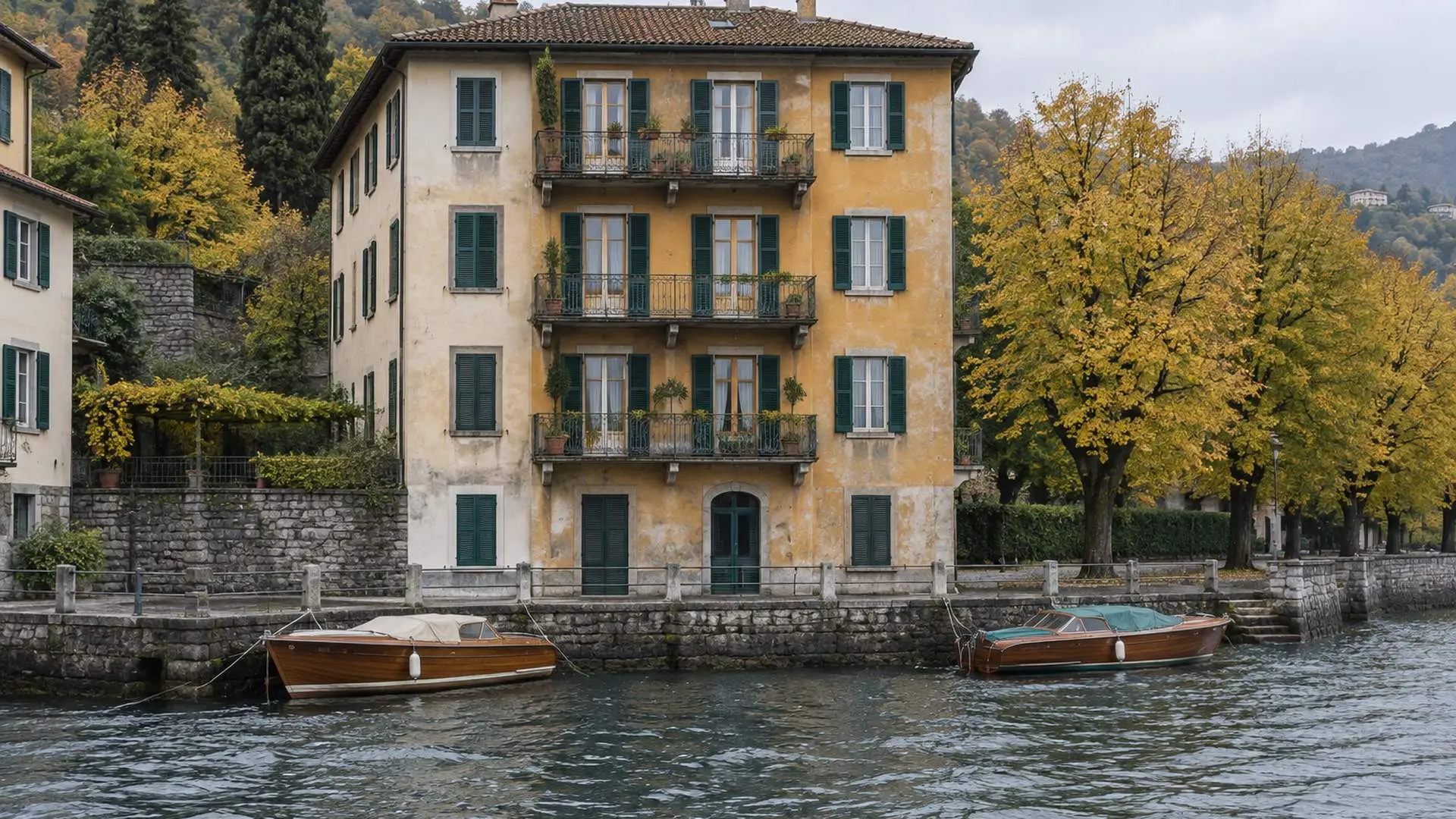
Buy a holiday home in Italy and you buy into Italian succession rules, whatever passport you carry. Two things decide what your heirs pay and which law divides the property: where you live when you die, and what your will says. The Local published a second-home explainer on 6 November 2026, and the primary texts behind the tax side are short enough to check. This article separates what the Italian tax office publishes from what the EU succession regulation says, and from what The Local reports about how non-resident owners are treated.
For an agent the practical point is simple. A client who lives in London or Berlin and holds a house in Puglia cannot assume the house follows the law of the country where they live. The default depends on habitual residence at death, and a will can change it. The sections below work through that default, then the rates, then what to check before a client signs anything. Nothing here replaces an Italian notary or a lawyer who can read the actual estate.
The default law follows where the owner lives
Under Regulation (EU) 650/2012, the law that governs an estate is, by default, the law of the state where the deceased had habitual residence at death. Article 21 of the regulation sets that default and adds an exception for cases that are manifestly more closely connected with another state. For a second-home owner who lives abroad full time, the default points away from Italy. The primary text is on EUR-Lex, published in the Official Journal on 27 July 2012.
The Local reads the same default in its explainer, and adds the tax layer that the regulation does not decide. Its account, quoting Italian lawyer Carlo Pontei, is that an Italian holiday home remains relevant to Italian inheritance tax even where its owner and all the beneficiaries live abroad. That is a reported position, not a rule printed in the regulation, so an agent should present it as The Local’s reading and check it with a notary before quoting it to a client.

How a will can move the estate under another law
Article 22 of the same regulation lets a person choose the law of their nationality to govern the whole succession. The choice has to be expressed in the will or follow clearly from it. The Local’s explainer makes the same point in plainer terms: a British owner who names English law in a valid will can leave the Italian house outside the Italian forced-heirship rules, which otherwise protect a spouse, children and, in some cases, parents.
Without a will the picture changes quickly. The applicable law has to be worked out first, and the forced-heirship rules can then reserve a share of the estate for certain heirs. If the owner is resident in Italy at death and has not chosen otherwise in an Italian will, the default is Italian law. The Local also notes that a will covering Italian property has to be valid in Italy, which is a separate test from the foreign validity of the same document. Check both before you rely on it.

Tax residency decides how far the tax reaches
The Local gives 183 days a year, not necessarily consecutive, as the guideline for tax residency in Italy, and warns that owners who spend a large part of the year in the country can become residents without meaning to. That matters because, on The Local’s account, a resident owner’s whole worldwide estate falls inside Italian inheritance tax, not only the Italian house. Most agents only look at the property, which is where the exposure is widest.
For a non-resident owner the exposure is narrower. The Local says tax treaties generally limit Italian inheritance tax to Italian real estate. That is secondhand here: the treaty text was not read for this article, so do not quote the limit to a client until you have the treaty itself and the tax office’s guidance on the specific case.
Rates and allowances for second-home heirs
The Agenzia delle Entrate publishes the current rates and allowances on its rates page, and the table below uses those figures. The rate follows the heir’s relationship to the deceased, so the first question on any file is who inherits and how they are related to the owner.
The allowance is per beneficiary, and the table shows it. A second home left to two children gives each child their own allowance before any rate applies. The page also sets a larger allowance for people with a disability who qualify for intensive support under law 104 of 1992, and that category needs its own check before a valuation goes out.
| Heir | Allowance per beneficiary | Rate |
|---|---|---|
| Spouse, or direct line (parents, children, grandchildren) | EUR 1 million, then 4% on the excess | 4% |
| Brothers and sisters | EUR 100,000, then 6% on the excess | 6% |
| Other relatives up to the fourth degree | None | 6% |
| All other heirs | None | 8% |
A checklist for agents with a non-resident client
Work through these before you give a client a number:
- Ask where the client is resident and how many days a year they spend in Italy.
- Ask whether a will exists, where it was drawn up, and whether it names a law for the Italian property.
- Check that any Italian will is valid in Italy, and that a foreign choice of law is stated expressly.
- Ask who the heirs are and how each is related to the owner, because the rate follows that relationship.
Keep the documents together before you value anything:
- The will, in every language and country it exists in.
- The title deed for the Italian property.
- A written list of heirs with their relationship to the owner.
What to tell a client before they sign anything
Tell the client that the Italian house is not automatically inside their home country’s succession law, and that a will is the tool that moves it. Tell them that Italian inheritance tax can still reach a second home they own from abroad, and that spending enough days in Italy can make them a tax resident with a wider exposure.
Then send them to a notary for the will and to a tax adviser for the figures. The 27 July 2012 regulation and the current rates page are the two documents to hand over, so the client can see the basis for the advice.
Questions agents ask about Italian second-home inheritance
Does an Italian second home always fall under Italian law?
No. Under article 21 of Regulation (EU) 650/2012 the default is the law of the state of habitual residence at death, with an exception for a manifestly closer connection. A will can change the outcome under article 22 by choosing the law of nationality, as long as the choice is clearly expressed.
Can a will name English law for an Italian house?
A British owner can choose English law through a valid will, and The Local reports that this takes the Italian house outside the Italian forced-heirship rules. The will also has to be valid in Italy for the Italian property, so have an Italian notary check it before the owner relies on it.
Do heirs pay Italian tax if the owner lives abroad?
The Local reports that they can, because an Italian holiday home stays relevant to Italian inheritance tax even when the owner and all the beneficiaries live outside Italy. The rate depends on the heir’s relationship to the owner, and the allowance applies per beneficiary, as the table above shows.
How many days in Italy can make an owner a tax resident?
The guideline The Local gives is 183 days a year, not necessarily consecutive. It is a guideline rather than a fixed test. Tax residency depends on several factors, including where the owner works and where the immediate family lives, so an owner close to the line needs an adviser.
Where do I check the current rates?
Use the Agenzia delle Entrate rates page for the figures in the table, and read the regulation on EUR-Lex for articles 21 and 22. The Local is a useful secondary read, but it is partly behind a members wall, so cite the primary sources in any client document.