
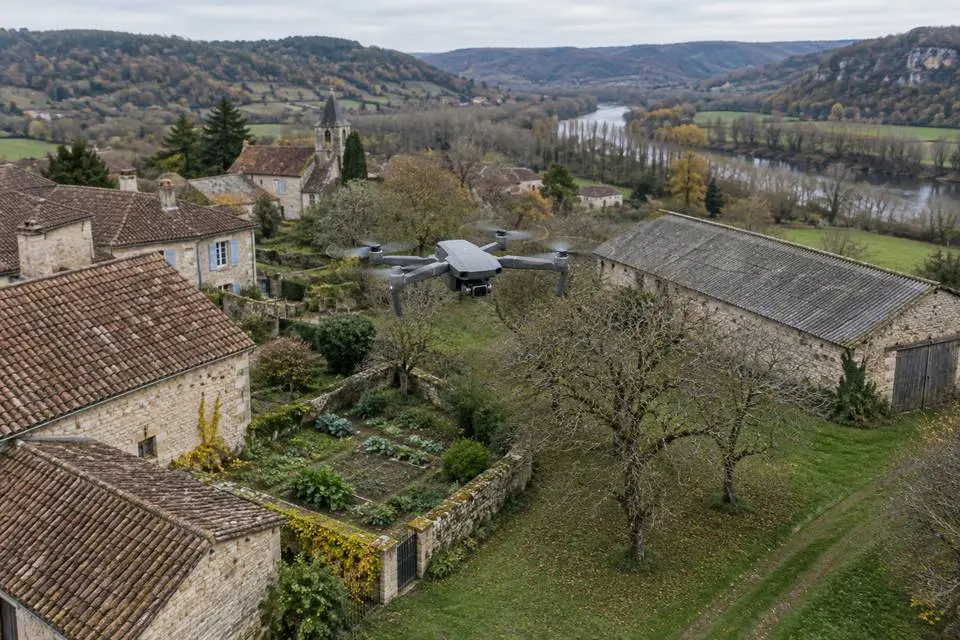
France's tax office is pointing its aerial cameras at more than swimming pools. The DGFiP is widening its Foncier innovant programme from undeclared pools to undeclared extensions, verandas and garden sheds. For agents and buyers of French property, an unregistered outbuilding now looks like a due diligence question, not just a cosmetic one.
One caveat before the detail. The DGFiP has published no 2026 page announcing the extension, so the extension itself rests on the reporting. The mechanics of the programme come from the DGFiP's own page, published in 2023 for the pool phase. We haven't found anything official that sets out dates, targeted areas or how owners of sheds and extensions will be contacted.
France Widens Aerial Checks Beyond Swimming Pools
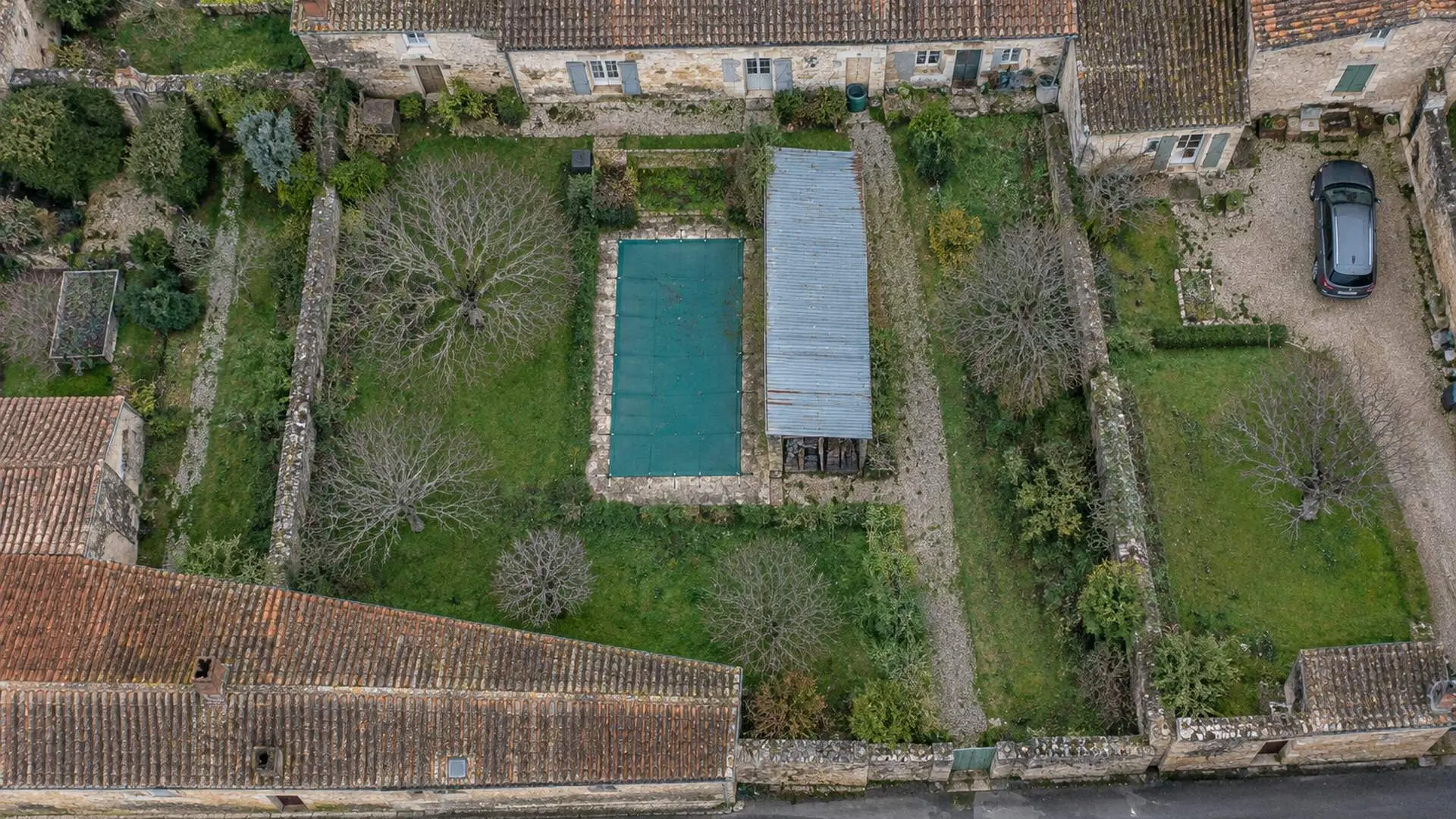
The pool phase gives a sense of scale. The DGFiP's page on the generalisation of Foncier innovant describes how it started: a 2022 experiment in nine departments (Alpes-Maritimes, Var, Bouches-du-Rhône, Ardèche, Rhône, Haute-Savoie, Morbihan, Maine-et-Loire and Vendée). It led to more than 20,000 pools being taxed for 2022, and close to 10 million euro in extra revenue for those communes. The programme went national from the end of May 2023.
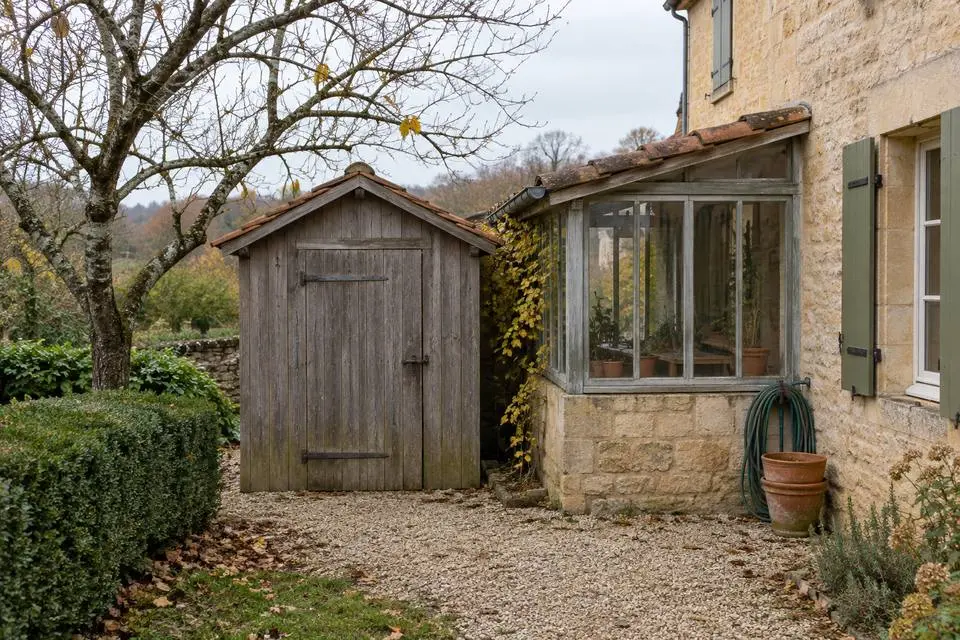
For the new phase, controllers focus on closed, covered structures of 10 to 15 m2 that can count as annex rooms and change the rental value of the property. Some structures fall outside. Anything under 5 m2, or lower than 1.80 m, is automatically exempt from the taxe d'aménagement. Sheds under 20 m2 escape the tax only where the commune has voted a specific exemption, so the answer can differ from one town to the next. Open terraces, gazebos and pergolas stay outside the taxable scope.
The Two Taxes a Shed or Extension Sets Off
A structure that counts as taxable triggers two consequences. The first is the one-off taxe d'aménagement. The second is a higher annual taxe foncière, which is the yearly property tax on the building, plus taxe d'habitation for owners of second homes. For a foreign buyer holding a holiday home, that last point matters, because the extra annual cost lands on the owner, not on the commune.
Timing is where owners can lose money. The declaration is due 90 days after completion of the works, and missing it costs the two-year taxe foncière exemption normally given to new constructions. Whether a given structure also needs planning permission is a separate question, and one to put to the commune. The tax declaration is its own step.
How the Detection Works Before Anyone Is Taxed
The method is less intrusive than it sounds, and it is described on the DGFiP's page. Open-source algorithms read the public aerial images of the IGN, the national mapping institute, which anyone can consult on geoportail.gouv.fr. They extract the outlines of built structures and pools, then compare them with the declarations owners have filed with the planning and tax services. The aim is to check whether each element is correctly assessed for the local direct taxes, taxe foncière above all. An agent checks every potential anomaly before a letter goes to the owner.
That human check matters for anyone who gets a letter, because a match isn't automatic proof of a missing declaration. In the pool phase, the DGFiP says letters went to more than 120,000 owners, who had 30 days to declare online in the "Biens immobiliers" space, or on paper with form 6650-H1. That 30-day window is the deadline for answering a DGFiP letter about a pool. It is separate from the 90-day deadline for declaring works after completion. The DGFiP's page predates the extension and doesn't mention sheds, so we can't yet say whether the same letter and deadline will apply to them.
What the Bill Really Looks Like in Practice
The taxe d'amenagement isn't a flat fee. The legal base is multiplied by the rates voted locally by the commune and the department, so two identical sheds in two towns can produce different bills. A preventive archaeology fee (redevance d'archeologie preventive) can be added on top when the works touched the ground.
The legal base per square metre depends on what's being built and where. Here are the three figures:
| Legal base per m2 | Where it applies | What it multiplies |
|---|---|---|
| 892 euro | outside Ile-de-France | the surface of the closed, covered structure |
| 1,011 euro | in Ile-de-France | the surface of the closed, covered structure |
| 251 euro | everywhere | the surface of the pool basin |
- The rates voted by the commune and the department, which multiply that base
- The preventive archaeology fee, when the works touched the ground
- Whether the declaration is filed inside the 90 days after completion
The controllers focus on closed, covered structures of 10 to 15 m2 that can change the rental value. Open terraces, gazebos and pergolas stay outside the taxable scope. Owners have 90 days after completion to declare the works through the tax office's online space. Miss that and the household faces a back-tax adjustment, and it also loses the two-year taxe fonciere exemption given to new constructions.
What an Owner or Buyer Should Check Right Now
Start with what's actually standing on the plot, then compare it with what the tax office has on file. The checks below take an afternoon, and they're far cheaper than a correction after a letter arrives.
- List every closed, covered structure on the property, and note which ones fall in the 10 to 15 m2 range or above.
- Find the completion date of each one and count 90 days from it. If the window is still open, declare online.
- Ask the commune and the department for their current rates, because the table gives only the legal base.
- Check whether any works touched the ground, since a preventive archaeology fee may then apply.
- If you're selling, remember that a declared extension changes the habitable surface and the energy rating a listing carries, so the same file serves the tax office and the buyer.
Where the Risk Really Sits Before Anyone Signs
The risk rarely sits in the bill itself. It sits in the gap between finishing the works and declaring them. Miss the 90 days and you face a back-tax adjustment and lose the two-year exemption. The DGFiP says an agent checks every potential anomaly before a letter goes out, so the letter is the first contact and the owner can still regularise.
What the sources don't tell us is how a letter about a shed will be worded, or whether its deadline matches the 30 days from receipt given in the pool letters. They don't give local rates either, so any estimate needs the commune and department figures. Foreign buyers should ask the seller what has been declared, and agents should ask before the listing goes live.
Frequently Asked Questions From Owners and Agents
Is the taxe d'amenagement a fixed amount?
No. The legal base per square metre is multiplied by rates voted locally by the commune and the department, so the same shed can cost different amounts in different towns. The figures in the table are only the starting point. Ask the local town hall or tax office for the rates that apply to your address.
Are pergolas and gazebos taxed?
Open terraces, gazebos and pergolas stay outside the taxable scope. The controllers are looking at closed, covered structures of 10 to 15 m2 that can change the rental value. If your structure is walled in and roofed, treat it as a candidate for declaration rather than assuming it's exempt.
How long do I have to declare new works?
Owners have 90 days after completion to declare the works through the tax office's online space. That's separate from the 30 days given in the letter sent about a detected pool, which run from receipt. Missing the 90 days exposes the household to a back-tax adjustment and costs it the two-year taxe fonciere exemption for new constructions.
What if I get a letter from the tax office?
An agent checks every potential anomaly before a letter goes out, so the letter is the first contact and you can still regularise. For a detected pool, owners had 30 days from receipt to declare online in the "Biens immobiliers" space, or on paper with form 6650-H1. Check your own letter for its deadline.
Does this matter when I'm selling or buying?
It can. A buyer's adviser may ask whether works are declared, and an undeclared structure could leave a gap between the property as sold and the file the tax office holds. The sources here don't say how notaries handle this, so ask yours. Either way, declared works make for a cleaner file.