

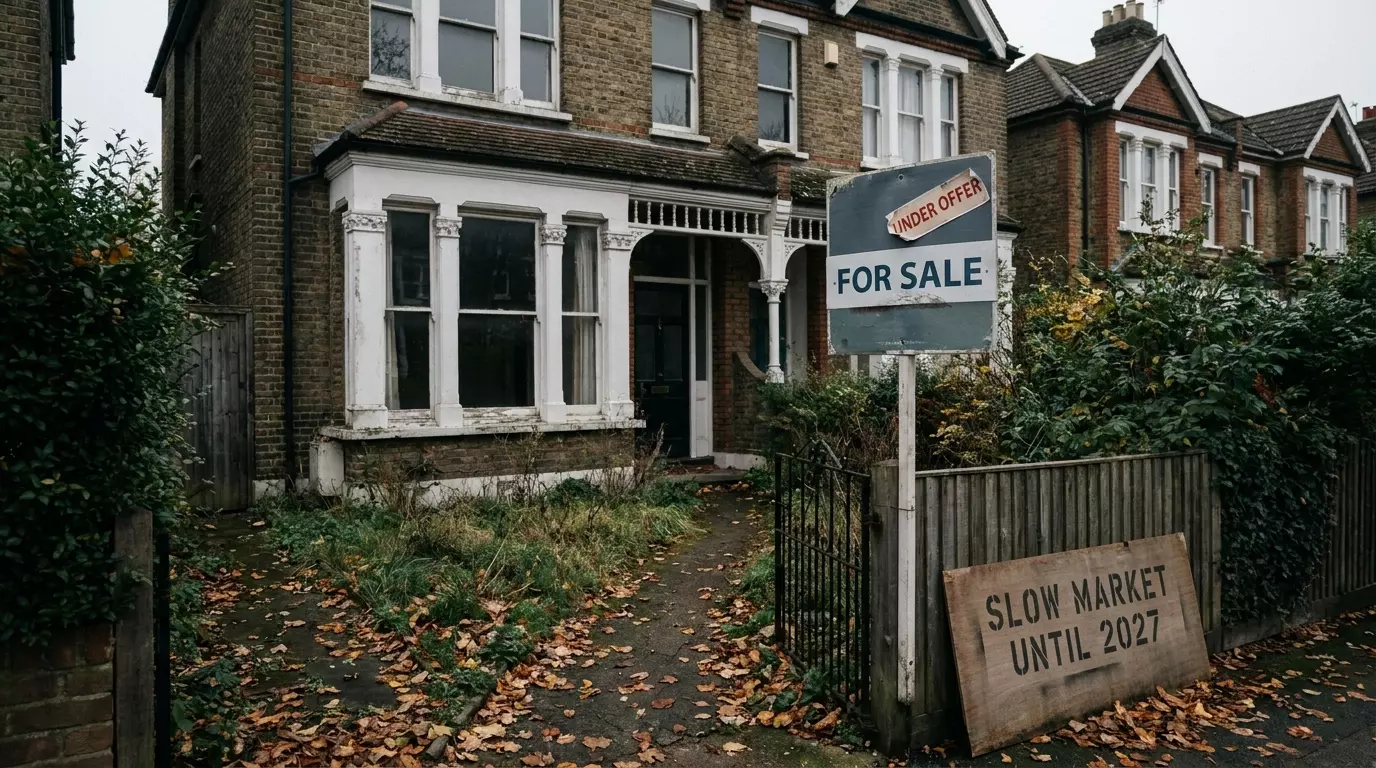
UK Real Estate Market Set for a Slow 2026: What Buyers and Sellers Need to Know
The UK property market is heading into choppy waters. According to recent analysis published by Estates Gazette, industry experts are forecasting a sluggish 2026, with stubborn interest rates, ongoing economic uncertainty, and flat wage growth all combining to dampen activity across the sector. After several turbulent years marked by pandemic disruption, rising costs, and shifting government policy, many had hoped for a clearer recovery. Instead, the signs point to another period of cautious treading rather than confident strides.
For homeowners, prospective buyers, and investors alike, understanding what lies ahead is essential. Whether you are thinking about selling, looking to climb onto the property ladder, or simply monitoring the value of your asset, the coming year is likely to demand patience. In this article, we break down the key factors driving this expected slowdown, explore the wider economic context, and consider what it all means for people across the UK housing market.
High Interest Rates Keep Buyers on the Sidelines
One of the most significant forces shaping the property landscape is the cost of borrowing. The Bank of England has held interest rates at elevated levels in an effort to keep inflation under control, and while there have been some modest reductions, mortgage rates remain considerably higher than the rock-bottom figures buyers enjoyed in the late 2010s. This has had a direct and chilling effect on demand, as monthly repayments for new buyers have climbed sharply compared to just a few years ago.
The result is a market where many would-be purchasers are choosing to wait rather than commit. First-time buyers in particular are feeling the pinch, struggling to balance saving for a deposit with the prospect of expensive monthly payments. Even those who can afford to buy are often holding back in the hope that rates will fall further in 2026. This hesitancy reduces transaction volumes, slows price growth, and leaves estate agents working harder to close deals. Until borrowing becomes meaningfully cheaper, the market is likely to remain subdued.
Why Economic Uncertainty Is Stalling Property Sales
Beyond interest rates, broader economic uncertainty is playing a major role in the anticipated slowdown. The UK economy has been navigating a delicate path, with concerns about growth, government fiscal policy, and global instability all weighing on consumer confidence. When people feel unsure about their financial future, they are far less likely to make major commitments such as purchasing a home or moving to a larger property. This caution ripples through the entire housing chain.
Several specific concerns are contributing to this nervous mood:
- Fiscal policy shifts – Changes to taxation and government spending create uncertainty for both households and developers.
- Employment worries – Fears about job security make people reluctant to take on large mortgages.
- Global instability – International events continue to affect the wider economy and, by extension, the housing market.
According to data from the Office for National Statistics, consumer confidence has remained fragile, and this directly translates into fewer property transactions. When buyers and sellers both adopt a wait-and-see approach, the market effectively grinds to a slower pace. This creates a self-reinforcing cycle where reduced activity breeds further caution, prolonging the slowdown well into 2026.
The Impact of Stagnant Wages on Housing Demand
Another key factor in the forecast is the issue of stagnant wages. While headline pay figures have risen in nominal terms, real wage growth, once inflation is accounted for, has remained disappointingly flat for many UK workers. This matters enormously for the housing market, because affordability ultimately hinges on the relationship between earnings and property prices. When wages fail to keep pace with the cost of homes, demand naturally weakens.
The affordability gap has widened considerably over the past decade. Consider the following comparison of how key factors have shifted:
| Factor | A Decade Ago | Current Situation |
|---|---|---|
| Mortgage rates | Very low | Elevated |
| Real wage growth | Modest | Largely flat |
| Average house prices | Lower | Significantly higher |
| Buyer affordability | Stronger | Stretched |
This table illustrates why so many households feel locked out of the market. With prices high and earnings stagnant, the dream of homeownership has slipped further out of reach for a significant portion of the population. For those already on the ladder, the situation can make upsizing or relocating financially unviable. The combination of these pressures means demand is likely to stay muted throughout 2026, keeping a lid on both sales volumes and price increases.
What a Slow 2026 Means for UK Homeowners
For existing homeowners, a slow market brings a mix of consequences. On the positive side, those who are not planning to sell may take comfort in the fact that prices are unlikely to crash dramatically. Instead, most forecasts suggest stagnation or only marginal movement rather than a sharp decline. This relative stability protects the equity that homeowners have built up, even if it does not deliver the rapid gains seen during previous booms.
However, there are downsides to consider as well. Homeowners hoping to sell may find the process slower and more challenging, with properties spending longer on the market and buyers negotiating harder on price. Those coming to the end of fixed-rate mortgage deals could also face higher repayments when they remortgage. To navigate this period effectively, homeowners may wish to:
- Review their mortgage options early to avoid being caught out by rate changes.
- Set realistic expectations if selling, both on price and timescale.
- Consider improvements that add value and make a property more attractive in a competitive market.
- Seek professional advice from agents and financial advisers familiar with current conditions.
Ultimately, a slow 2026 calls for a measured and informed approach. Patience, preparation, and realistic planning will be the watchwords for anyone engaging with the property market in the year ahead.
In Short
The UK real estate market appears set for a slow and cautious 2026, shaped by the combined weight of high interest rates, ongoing economic uncertainty, and stagnant wage growth. These factors are keeping buyers on the sidelines, dampening demand, and slowing the pace of transactions across the country. For first-time buyers, the affordability challenge remains acute, while sellers may need to adjust their expectations regarding both price and the time it takes to complete a sale.
Yet the outlook is not without its silver linings. A subdued market is far from a collapsing one, and homeowners can take some reassurance from the relative stability of property values. The key for everyone involved is to stay informed, plan carefully, and remain flexible. Whether you are buying, selling, or simply watching from the sidelines, understanding the forces at play will help you make smarter decisions in what promises to be a challenging but navigable year.
Frequently Asked Questions
Will UK house prices fall in 2026?
Most forecasts suggest prices are more likely to stagnate or move only marginally rather than crash. The slowdown is expected to be characterised by reduced activity and flat prices rather than a sharp decline in values.
Why are interest rates affecting the property market so much?
Higher interest rates increase the cost of mortgage repayments, making it more expensive to borrow. This reduces affordability for buyers and discourages many from entering the market, which in turn lowers demand and slows price growth.
Is 2026 a good time to buy a property?
It depends on your personal circumstances. A slower market can mean less competition and more room to negotiate, but buyers should carefully consider mortgage costs and their own financial stability before committing.
How do stagnant wages affect homebuyers?
When wages fail to keep up with house prices and the cost of living, affordability suffers. Buyers find it harder to save deposits and afford repayments, which reduces overall demand in the market.
What should homeowners do during a slow market?
Homeowners should review their mortgage arrangements early, set realistic expectations if selling, consider value-adding improvements, and seek professional advice to navigate the conditions effectively.

Join The Discussion