

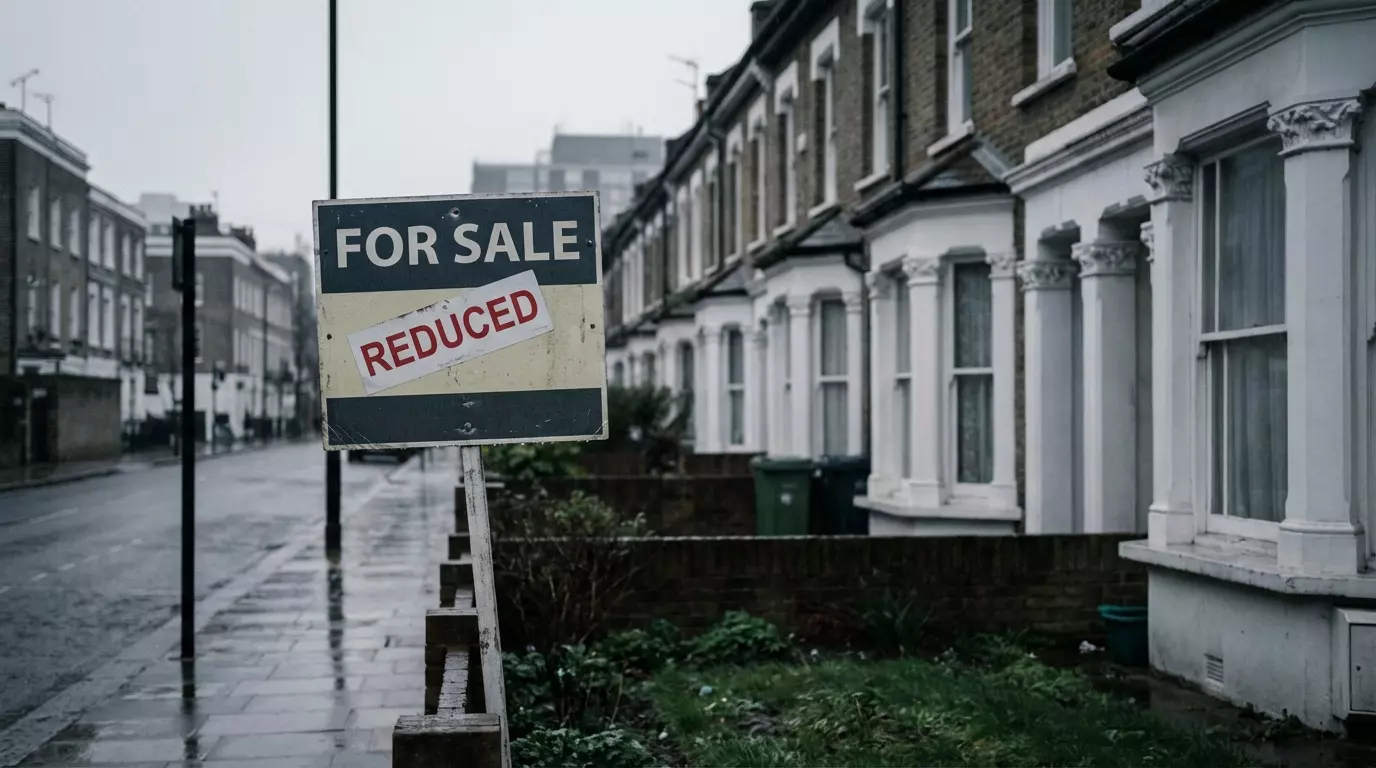
UK House Prices Fall in March 2026 Amid Escalating Middle East Conflict
The UK property market hit a stumbling block in March 2026 as rising geopolitical tensions in the Middle East sent shockwaves through the housing sector. With conflict involving Iran intensifying and buyer confidence wavering, house prices across the country recorded a notable decline. This shift has left homeowners, sellers, and prospective buyers questioning what comes next for one of Britain’s most closely watched markets. In this article, we break down the key factors behind the March price drop, explore how international conflict is influencing domestic property decisions, and offer insight into what this means for anyone looking to buy or sell in the months ahead.
UK House Prices Slip in March as Tensions Rise
UK house prices experienced a measurable decline during March 2026, marking one of the most significant monthly drops in recent memory. According to data released by major property trackers, the average asking price fell as uncertainty gripped the broader economy. The decline was not isolated to a single region. Both London and regional markets felt the pinch, with areas that had previously shown resilience now recording softening values. The slowdown followed several months of relatively stable activity, making the March figures a clear departure from the trend.
The timing of the drop coincided directly with a sharp escalation in the Middle East conflict, particularly involving Iran. As headlines dominated news cycles and financial markets reacted with volatility, the ripple effects reached the UK housing sector faster than many analysts anticipated. Mortgage lenders reported a dip in new applications, while estate agents noted a cooling in viewing activity. The combination of global unease and domestic economic caution created a perfect storm that weighed heavily on property values across England, Scotland, and Wales.
How Middle East Conflict Is Shaking the Market
The connection between international conflict and domestic housing markets might not seem obvious at first glance, but the relationship is well documented. When geopolitical tensions rise, especially in oil-rich regions like the Middle East, energy prices tend to spike. Higher energy costs feed directly into inflation, which in turn influences interest rate decisions by the Bank of England. In March 2026, Brent crude oil prices surged past levels not seen in over a year, adding fresh pressure to an already stretched cost-of-living environment for UK households.
Beyond energy prices, the conflict involving Iran introduced a layer of financial market instability that made lenders more cautious. Several UK mortgage providers adjusted their fixed-rate offerings upward in response to bond market fluctuations, effectively raising the cost of borrowing for homebuyers. This created a challenging dynamic where:
- Mortgage rates climbed despite no immediate change in the Bank of England’s base rate
- Consumer confidence dropped as fears of a prolonged conflict grew
- Investment sentiment weakened across both residential and commercial property sectors
- Currency fluctuations added uncertainty for international buyers eyeing UK property
The psychological impact should not be underestimated either. Even buyers who were financially ready to proceed with purchases chose to pause and wait for clearer signals before committing to what is typically the largest financial decision of their lives.
Buyers Pull Back as Global Uncertainty Grows
Prospective homebuyers across the UK showed clear signs of hesitation during March. Data from property portals indicated a decline in search activity and saved listings, suggesting that many potential buyers moved to the sidelines. First-time buyers, who are often the most sensitive to changes in borrowing costs and economic outlook, were particularly affected. With affordability already stretched in many parts of the country, even a modest increase in mortgage rates or a dip in job security was enough to delay purchasing decisions.
The pullback was not limited to individual buyers. Property investors and buy-to-let landlords also showed increased caution. According to insights from Rightmove, landlord enquiries for new investment properties fell compared to February, reflecting a broader wait-and-see approach. The contrast between early 2026 optimism and March’s sudden chill was stark. Here is a comparison of key market indicators:
| Indicator | February 2026 | March 2026 |
|---|---|---|
| Average Asking Price Trend | Stable / Slight Rise | Notable Decline |
| Mortgage Applications | Steady | Decreased |
| Buyer Enquiries | Above Average | Below Average |
| Time to Sell (Days) | 45 | 58 |
| Investor Activity | Moderate | Reduced |
This table illustrates how quickly sentiment can shift when external factors introduce doubt into the equation. The property market thrives on confidence, and March 2026 demonstrated just how fragile that confidence can be.
What the March Price Drop Means for Sellers
For homeowners looking to sell, the March decline presented an immediate challenge. Properties that might have attracted multiple offers just weeks earlier were now sitting on the market longer, with fewer viewings and lower initial offers. Estate agents across the country reported that sellers needed to adjust their expectations, with many recommending price reductions to reflect the changed landscape. Overpriced listings, in particular, struggled to generate any meaningful interest.
However, it is important to put the situation in perspective. While the March dip was notable, it does not necessarily signal a prolonged crash. Property market experts have pointed out several factors that could support a recovery:
- Underlying housing demand remains strong due to chronic undersupply in the UK
- Employment levels, while under pressure, have not collapsed
- Government housing initiatives continue to support first-time buyers
- A resolution or de-escalation in the Middle East could quickly restore confidence
- Seasonal patterns often bring renewed activity in late spring and summer
Sellers who are not in a rush may benefit from holding off until the market stabilizes. Those who need to sell quickly should focus on competitive pricing and presentation to stand out in a more cautious market. Working with experienced local agents who understand current buyer sentiment will be essential for achieving the best possible outcome.
In Short
The March 2026 decline in UK house prices serves as a powerful reminder that property markets do not exist in isolation. The escalation of the Middle East conflict involving Iran sent tremors through financial markets, pushed energy prices higher, and eroded the confidence that buyers and sellers rely on. While the drop was significant, it is not yet a sign of a full-blown market collapse. The UK’s fundamental housing shortage, combined with ongoing government support and the potential for geopolitical de-escalation, offers reasons for cautious optimism.
For buyers, this period could present opportunities to negotiate better deals. For sellers, patience and realistic pricing will be key. And for everyone watching the market, staying informed about both domestic economic policy and international developments has never been more important. The coming months will reveal whether March was a temporary blip or the beginning of a longer adjustment in UK property values. According to analysis from Reuters, much will depend on how the conflict unfolds and how central banks respond to inflationary pressures.
FAQ
Why did UK house prices fall in March 2026?
UK house prices fell in March 2026 primarily due to escalating Middle East conflict involving Iran, which increased economic uncertainty, pushed energy prices higher, and made mortgage lenders more cautious. Buyer confidence dropped as a result.
How does the Middle East conflict affect UK property prices?
The conflict drives up oil and energy prices, which fuels inflation and can lead to higher interest rates and mortgage costs. Financial market volatility also makes lenders tighten their offerings, reducing affordability for buyers.
Is now a good time to buy a house in the UK?
For buyers with secure finances, the current market slowdown could offer negotiating leverage and less competition. However, it is important to factor in potential further price adjustments and higher borrowing costs before committing.
Will UK house prices recover in 2026?
Recovery depends on several factors, including the trajectory of the Middle East conflict, Bank of England interest rate decisions, and overall consumer confidence. Many analysts believe prices could stabilize if geopolitical tensions ease.
Should sellers lower their asking prices right now?
Sellers in a hurry may need to adjust prices to attract cautious buyers. Those who can afford to wait may benefit from holding until market sentiment improves, particularly heading into the traditionally busier summer months.



Join The Discussion