
Spain’s land register will tell you who owns a house and what is charged against it for €9.02 plus VAT, and the Colegio de Registradores says the average answer comes back in under two hours. That is cheaper than a survey, quicker than a mortgage offer, and in most deals it is the document a foreign buyer sees last, if they see it at all.
The trade press still treats it as paperwork. idealista published a walkthrough of the request process on 22 October and framed it as the first step of buying property in Spain. It is the step that decides whether the rest of the file is worth assembling, and it is the only one that costs less than a lunch.
What a nota simple proves about a Spanish home
The document is short and specific. According to the registry’s own property page, a nota simple informativa carries the identification of the property with its CRU, the single national code that replaced the old IDUFIR when Ley 13/2015 rewrote the mapping rules, the identity of every holder of registered rights over it, whether that is full ownership, a mortgage or a usufruct, and the extent, nature and limitations of those rights. Any prohibition or restriction that affects the owners or the rights is stated too.
What it is not is a guarantee of the physical thing. Its subject is what has been inscribed, and the nota simple has purely informative value: it does not give fe of the entries, and the page says so in plain words. Only a certification, issued by the registrador, carries the weight of a public document, which is why “free of charges” can only be proven against a third party by certification. A buyer who wants the cheap version is buying information, not evidence, and that distinction is worth explaining once rather than discovering later.
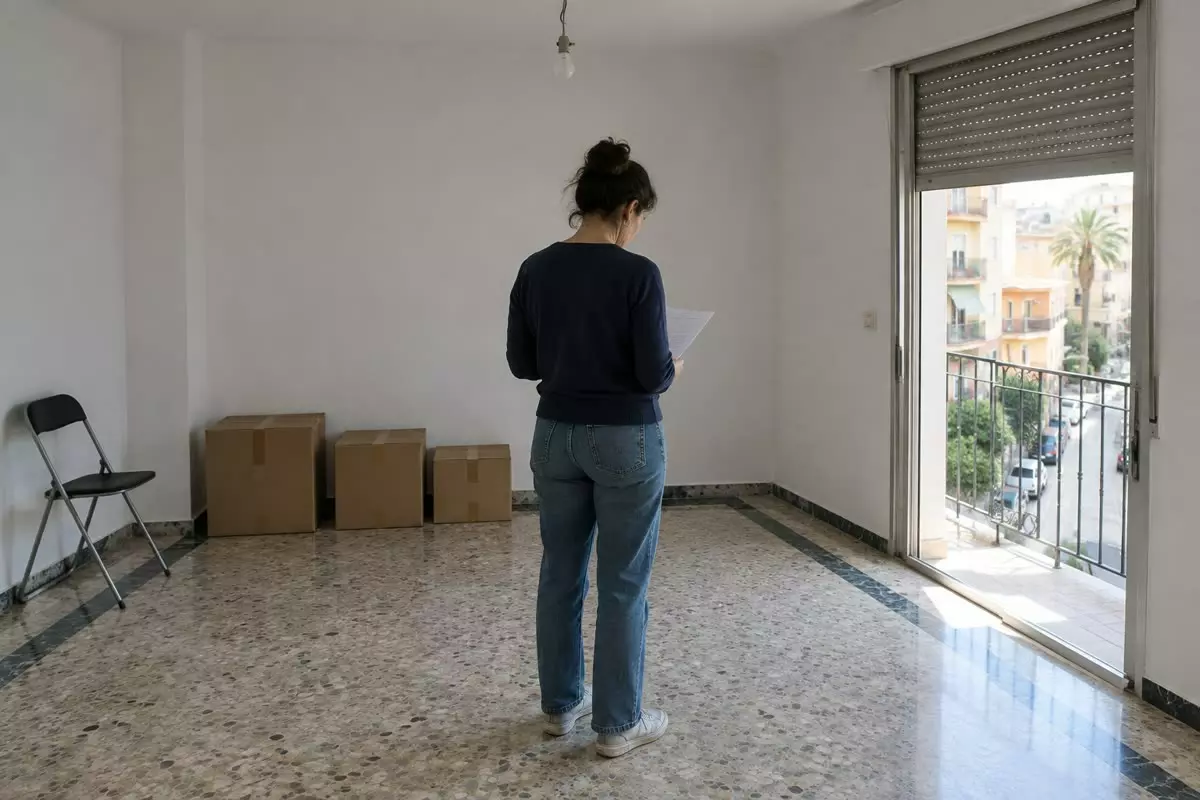
It costs €9.02 and arrives in about two hours
The fee is set, not negotiated. The Colegio de Registradores states on its own fee page that a nota simple ordered through its electronic office costs €9.02 plus VAT, and that the average turnaround is under two hours. On a 21% VAT rate that is €10.91 all in, which is the figure to put in front of a client who thinks a lawyer has to be paid to fetch it. The finished document arrives as a PDF through a link sent to the email address given at the time of the order.
Ordering it does not require an account. The property registry accepts a request keyed on the CRU, the finca number, the cadastral parcel reference where the property is coordinated with the Catastro, the owner’s NIF, NIE, passport or identity card, or simply a street address. It also runs a geoportal for anyone who has a location and no reference at all. For an agent working with foreign buyers, the useful part is that an address plus a passport number is enough to start, so the check can be ordered before the client has a solicitor or a Spanish bank account. The registry will add an official English translation if it is asked for at the point of order.
Five days of live cover while you negotiate
A single nota simple describes one moment, and Spanish completions take weeks. Article 222.3 of the Ley Hipotecaria provides a fix that almost nobody orders: información continuada, which keeps the registry information live for five natural days and answers in real time, with the same content as a nota simple plus a short summary of the entry book for that property. Charges do not wait politely for the notary. An attachment for an unpaid supplier, a second mortgage, or a court order can be inscribed between the day a buyer shakes hands and the day they sign, and a page printed three weeks earlier will not show it.
The practical sequence looks like this, and it costs less than the deposit on a car.
| Moment | What to order | What it settles |
|---|---|---|
| Before the offer | Nota simple | Who is on the deed, in what share, and what is charged against the property |
| Before the arras contract | Certification, if the deal needs public weight | A document that proves the position against a third party |
| Between arras and completion | Información continuada, five natural days | Anything registered after the first check arrived |
| On the morning of the notary | A fresh nota simple | That the seller has not taken on new debt in the final week |
What does the registry leave out of the page?
Quite a lot, and the gaps are where the money sits. Four of them decide more deals than the registry page ever will.
- The IBI. The municipal property tax is collected by the town hall and does not appear on the registry page. Arrears are ordered from the town hall, and they are worth ordering before the arras rather than after.
- The community of owners. Debts to the building are held by the administrator, who issues the certificate a Spanish notary asks for at completion. Without that certificate a buyer can find the flat answering for the previous owner’s arrears.
- The people and the building. The registry says nothing about who is living there, the state of the roof, or a tenant with a contract the buyer inherits. That is a visit, plus the last utility readings.
- Licences and planning. A first occupation licence, a coastal restriction, or an extension built without permission sits with the town hall or the regional authority, not the registry.
Two more things catch foreign buyers out. A mortgage that has been repaid stays inscribed until somebody cancels it in the registry, which is a task for the notary on the day of sale, so a charge on the page can be real, cancelled, or simply not yet removed, and only the cancellation entry settles which. And the page names the registered owner, not the person in front of you: a seller acting under a power of attorney, an heir who has not yet registered the inheritance, or a company whose administrator has changed all need their authority checked separately. None of that is the registry’s job, and a Spanish property file that stops at the nota simple is half a file.
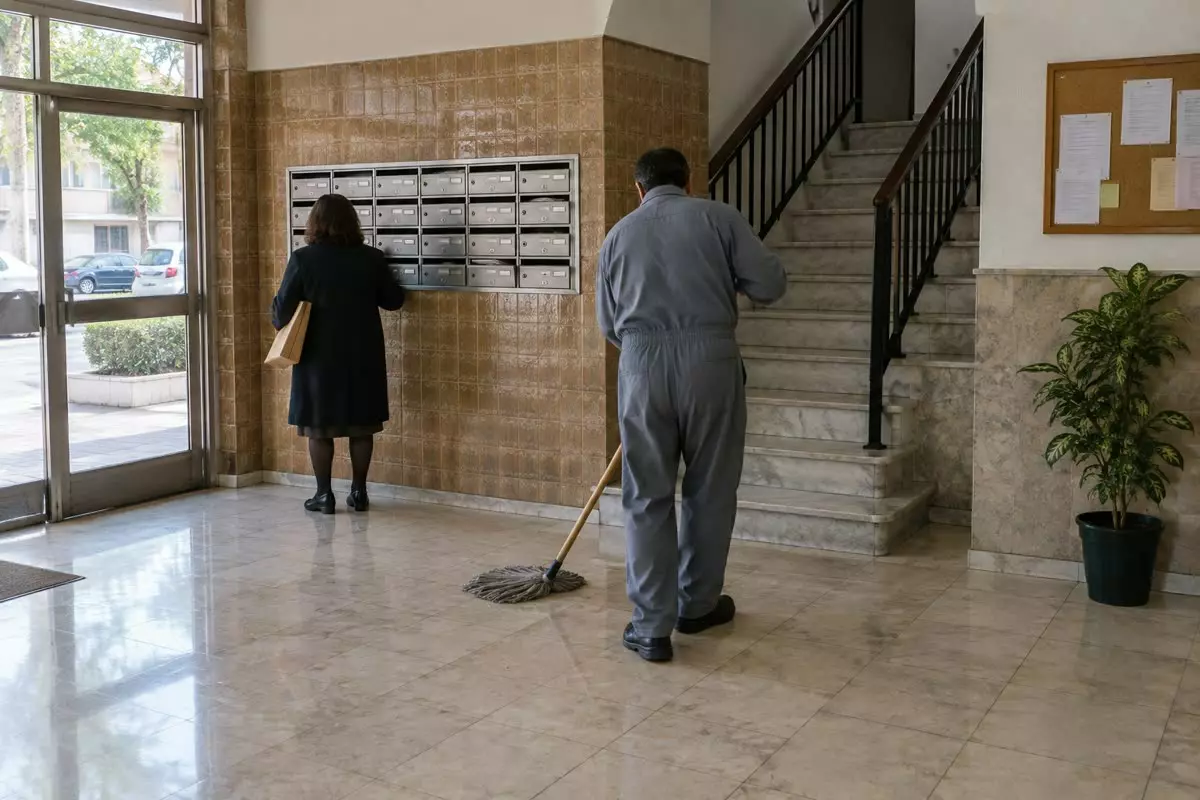
How an agent should use it before the arras
The arras contract usually puts about 10% of the price at stake, and it is signed long before the notary sees the file. Five habits fit around that.
- Order the nota simple yourself rather than waiting for the seller’s side to send one, so the first version is not a copy chosen by the party with something to hide.
- Match the names on the page to the identity documents of the people signing, letter by letter, including middle names and company names.
- Read the charges section rather than the description: a mortgage, an attachment, a usufruct in favour of a parent, an easement over the access road, or a condition that undoes the sale all sit there.
- Compare the registered description with what is being sold, because built surface, boundaries, a garage or a storage room that is legally part of another finca are the discrepancies that surface at the notary.
- Diary the five-day monitor and re-order on the morning of completion, then keep the PDFs with the rest of the file for the client and for the lender.
Why the cheap check is the one buyers skip
Nine euros against a 10% deposit is not a difficult trade, and yet the request is routinely left to whoever is least motivated to find a problem. Both the fee and the turnaround are published, so there is no negotiation to have and no reason to wait: the document can be in a client’s inbox before the viewing is over.
The habit worth building for 2026 is to treat the nota simple as the entry ticket to a conversation, not as the closing paperwork. Order it before the offer, ask for the English version if the client needs it, put the five-day monitor on the file when the arras is signed, and read it again on the day the deeds are signed. If the page and the story do not match, the client has lost €9.02 and a morning rather than a deposit.
Questions buyers ask about the nota simple
How much does a nota simple cost in Spain?
€9.02 plus VAT through the Colegio de Registradores electronic office, which comes to €10.91 with VAT at 21%. The fee is fixed by the registry, so no solicitor or agency can charge a different official price for the document itself, although they may charge for their own time.
How long does it take to arrive?
The registry quotes an average of under two hours for a request made through its electronic office, with the result sent as a PDF link by email. Requests made in person at a registry office take longer, and a property in a small registry with limited opening hours can add a day.
Can a foreign buyer order one without a digital certificate?
Yes, for a nota simple. A non-resident buyer can key the request with a CRU, a finca number, a cadastral reference, a street address or the owner’s passport or NIE number. A digital certificate is required for the certification, for the location notes and for some of the continued information services, which is a job for the client’s solicitor.
Is a nota simple the same as a certification?
No. The nota simple is informative and does not give fe of the entries. The certification is issued by the registrador and carries the weight of a public document, and it is the only instrument that proves freedom from charges against a third party. For a normal purchase the nota simple is enough to negotiate; the certification matters when a lender, a court or a counterparty demands proof.
Does the nota simple show unpaid community fees or IBI?
Neither. Municipal property tax arrears sit with the town hall and community debts with the building’s administrator, who issues the certificate the notary asks for. Both are ordered separately, and both are worth ordering before the arras rather than after.