

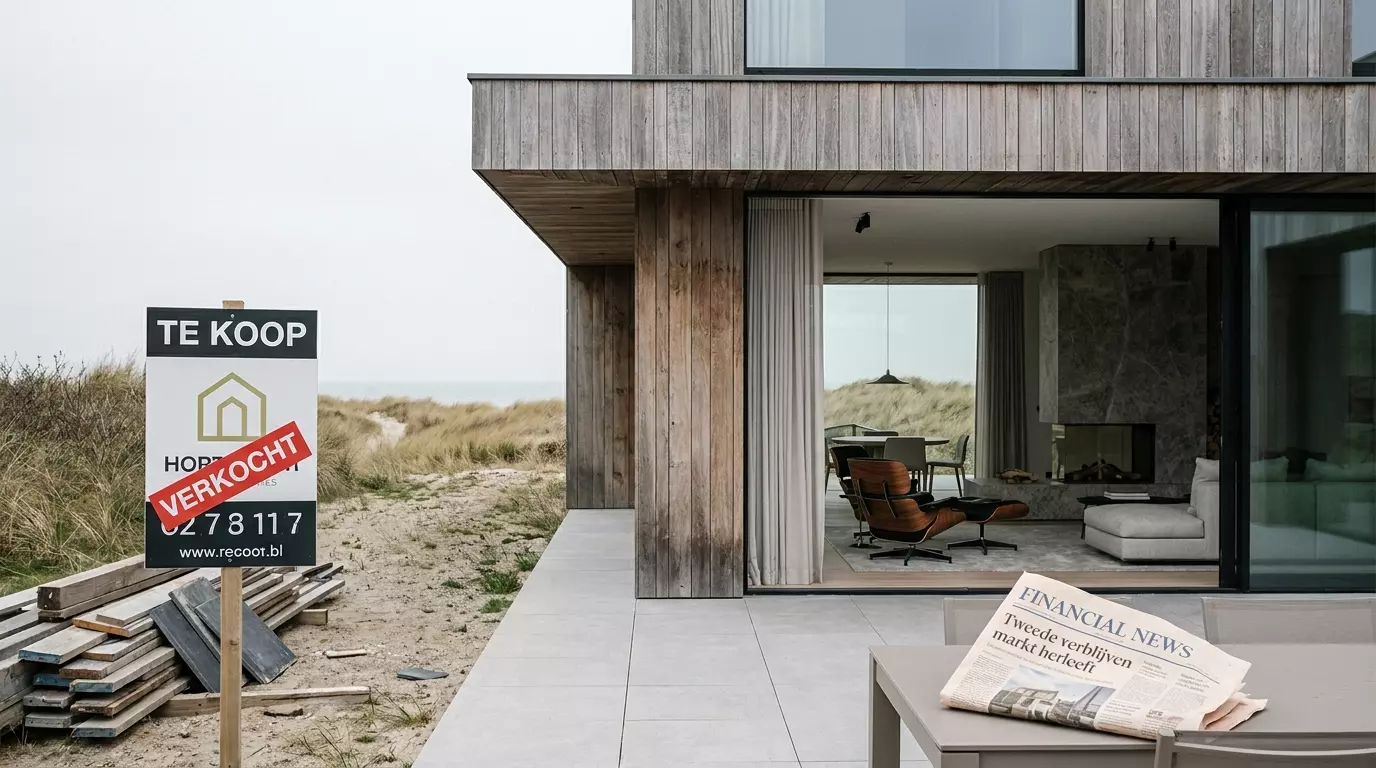
The Unexpected Comeback of Belgium’s Second Home Market
The Belgian property market has thrown up a genuine surprise in 2024. Despite widespread predictions that the removal of certain tax advantages would cool demand, the second home segment has staged a remarkable rebound. According to recent figures highlighted by BNP Paribas Fortis, buyers are returning to the holiday home market with renewed enthusiasm, defying the expectations of many analysts and economists who had braced for a slowdown.
This trend tells us something important about how Belgians view property as an investment and a lifestyle choice. Let’s break down what’s happening, why the tax changes failed to deter buyers, and where people are actually putting their money.
Why Second Home Sales Are Climbing Again in 2024
After a noticeable dip in activity during the previous period, the second home market has bounced back in a way that few experts anticipated. The combination of stabilising interest rates and a renewed appetite for property as a tangible, long-term asset has fuelled this recovery. Many Belgians who postponed their purchase decisions during the uncertainty of recent years are now stepping back into the market with confidence.
What makes this rebound particularly striking is its timing. It comes precisely when the financial incentives that traditionally encouraged second home ownership have been scaled back. Rather than retreating, buyers have recalculated their priorities. For a significant portion of the population, the emotional and practical value of owning a holiday property near the coast or in the countryside outweighs the loss of a tax break. This shift in mindset signals a maturing market where lifestyle considerations increasingly drive purchasing behaviour.
How the End of Tax Breaks Failed to Slow Buyers
For years, the so-called “woonbonus” and related tax advantages played a role in shaping property decisions across Belgium. The phasing out of these benefits was widely expected to make second homes considerably less attractive, particularly for middle-income households who relied on these deductions to make their purchases viable. The logic seemed sound: remove the financial sweetener, and demand should naturally fall.
Yet the reality has proved more nuanced. Several factors have softened the impact of these policy changes:
- Stabilising mortgage rates that have given buyers more predictability when planning long-term finances.
- Strong rental income potential, especially for coastal properties that can be let to holidaymakers throughout the year.
- A perception of property as a safe haven during periods of economic uncertainty and inflation concerns.
- Generational wealth transfer, with older Belgians helping family members invest in real estate.
These elements combined have created a buffer against the loss of tax incentives. Buyers are increasingly viewing a second home as a multi-purpose asset rather than simply a tax-efficient investment, which fundamentally changes the calculation. As broader European housing market trends show, property continues to hold its appeal even as fiscal policies shift.
What’s Really Driving the Surprising Market Recovery
Understanding the deeper motivations behind this rebound requires looking beyond pure economics. The pandemic permanently altered how many Belgians think about space, leisure, and the work-life balance. Remote and hybrid working arrangements have made it far more practical to spend extended periods away from primary residences, turning the second home from an occasional luxury into a regular living space.
There are several core drivers worth examining in detail:
- Lifestyle flexibility: The ability to work remotely means a coastal apartment or rural retreat can double as a part-time office, increasing its everyday usefulness.
- Investment diversification: With volatility in financial markets, property offers a tangible alternative that many find reassuring.
- Rental yields: Tourist demand in popular Belgian destinations remains robust, allowing owners to offset costs and generate income.
- Inflation hedging: Real estate has historically held its value well during inflationary periods, making it an attractive store of wealth.
To illustrate how priorities have shifted, consider the following comparison:
| Buyer Motivation | Before Tax Changes | After Tax Changes |
|---|---|---|
| Tax optimisation | High priority | Lower priority |
| Lifestyle and leisure | Moderate priority | High priority |
| Rental income | Secondary consideration | Primary consideration |
| Long-term investment | Important | Very important |
This table underscores how the removal of tax advantages has not killed demand but rather reshaped the reasoning behind it. Buyers are simply approaching their decisions from a different angle.
Where Belgians Are Choosing to Buy Their Holiday Homes
Location remains everything in the second home market, and Belgian buyers have clear preferences. The Belgian coast continues to dominate as the most sought-after region, with towns along the North Sea attracting consistent interest. Knokke, Ostend, and De Panne remain perennial favourites, prized for their accessibility, established rental markets, and enduring appeal to both domestic and international visitors.
Beyond the coastline, other regions are gaining traction among buyers seeking variety and value. The Ardennes has emerged as a popular choice for those drawn to nature, tranquillity, and outdoor activities, offering a contrast to the bustling seaside resorts. Meanwhile, some Belgians are looking abroad, particularly to neighbouring France and Spain, where favourable climates and competitive prices add to the attraction.
Here is a snapshot of the most popular destinations and what draws buyers to each:
- The Belgian Coast – Strong rental demand, proximity to home, and high resale value.
- The Ardennes – Natural beauty, peace and quiet, and growing tourism interest.
- Southern France – Warmer climate, established expat communities, and lifestyle appeal.
- Spain – Affordable property, excellent weather, and a well-developed holiday rental market.
The diversity of these choices reflects the varied motivations driving today’s buyers. Whether the goal is steady rental income, a personal retreat, or a long-term investment, there is a destination to suit nearly every objective. This breadth of options helps explain why the market has shown such resilience even as the financial landscape has shifted.
In Short
The rebound in Belgium’s second home market is a fascinating example of how human behaviour does not always follow textbook economic predictions. The end of tax advantages was widely expected to dampen demand, yet buyers have responded by reframing their priorities around lifestyle, flexibility, and the enduring value of property as an investment.
What we are witnessing is a maturing market where emotional and practical considerations increasingly outweigh fiscal incentives. As remote working continues to reshape how people live and rental demand remains strong in key destinations, the appeal of owning a holiday home shows no signs of fading. For prospective buyers, the message is clear: a second home remains a compelling proposition, even without the tax breaks that once defined the market.
Frequently Asked Questions
Did the removal of tax advantages cause second home prices to fall?
No. Contrary to expectations, the second home market rebounded despite the end of these tax benefits. Buyers shifted their focus towards lifestyle value and rental income potential rather than relying on fiscal incentives.
Where are most Belgians buying their second homes?
The Belgian coast remains the top choice, with towns like Knokke and Ostend leading the way. The Ardennes is also popular, and many buyers are looking to France and Spain for warmer climates and competitive prices.
Is buying a second home still a good investment in 2024?
For many buyers, yes. Property continues to be seen as a stable, tangible asset that hedges against inflation and generates rental income, making it attractive even without tax advantages.
What is driving the recovery in the second home market?
Key drivers include stabilising interest rates, strong rental yields, the flexibility offered by remote working, and a perception of real estate as a safe long-term investment.
Can I generate rental income from a second home in Belgium?
Yes. Coastal properties in particular benefit from steady tourist demand throughout the year, allowing owners to offset costs and earn meaningful rental income.


Join The Discussion