
Germany approved 20,800 dwellings in September, which is 14.8% fewer than a year earlier. The figure comes from the Federal Statistical Office (Destatis), which published it in press release No. 402 of 18 November 2026. For anyone tracking German building permits, it reads like a step back, and in a single month it is one.
But one weak month doesn’t make a trend. Over the first three quarters of 2026, approvals are up 8.4% on the same period of 2025. If you advise British, German or Dutch buyers who are also looking at Spain, Portugal, Italy and France, that gap between the monthly dip and the year-to-date gain is the point to keep in mind. This piece walks through the numbers, shows where the growth sits, and explains what an approval does and doesn’t tell your clients.
Germany’s September Approvals, Broken Down
Destatis counted 20,800 approved dwellings in September 2026, in new and existing buildings combined. That is 3,600 fewer than in September 2025, a fall of 14.8%. It’s the headline figure, and it’s the one most likely to be quoted without context.
The split matters more than the total. New-build dwellings made up 16,800 of the approvals, while conversions of existing buildings contributed 4,000. The two moved in opposite directions, which is why the overall number softened less than the new-build number alone.
Behind these numbers sits a simple definition worth repeating to clients. German building permits record permission to build, not a finished home. A dwelling approved in September may start building work months later, and it may not reach a buyer for a year or more. The figure is a signal about the pipeline, and it’s best treated as one.
New Build Approvals Drop 19.9% in the Month
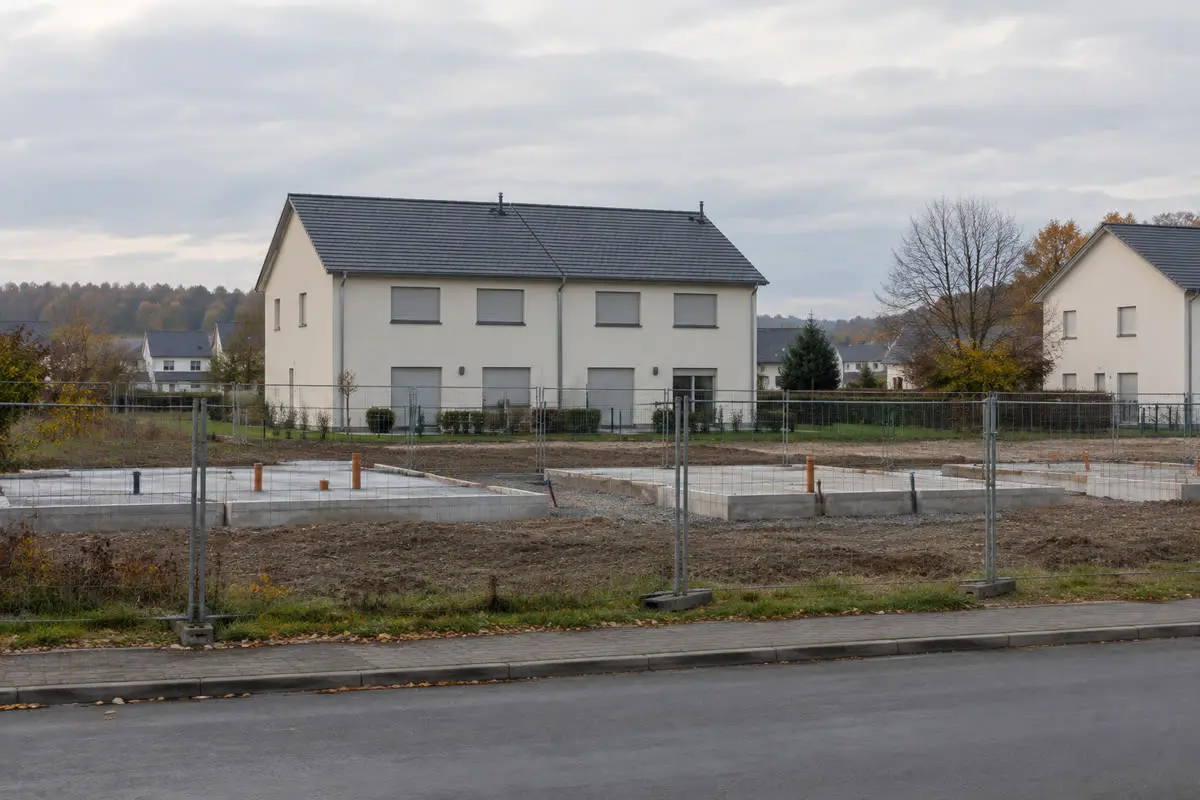
New-build approvals fell to 16,800 dwellings in September, down 19.9% or 4,200 on a year earlier. That’s the sharpest move in the release. Destatis names the high base of the year before as one reason. September 2025 was a strong month, so the comparison looks harsher than the underlying activity may suggest.
A high base is a common quirk in monthly statistics. When one month is unusually strong, the same month a year later looks weak even if nothing has gone wrong. It doesn’t make the drop imaginary, but it does mean you shouldn’t read it as a collapse in demand or in the appetite of developers.
Conversions went the other way. Approvals for conversions of existing buildings reached 4,000 in September, up 15.8% or 500 on September 2025. Conversions turn existing buildings into dwellings, so they add supply without new construction. A rise there partly cushions the new-build fall and shows activity shifting between types of project.
Over the First Three Quarters Approvals Rose 8.4%
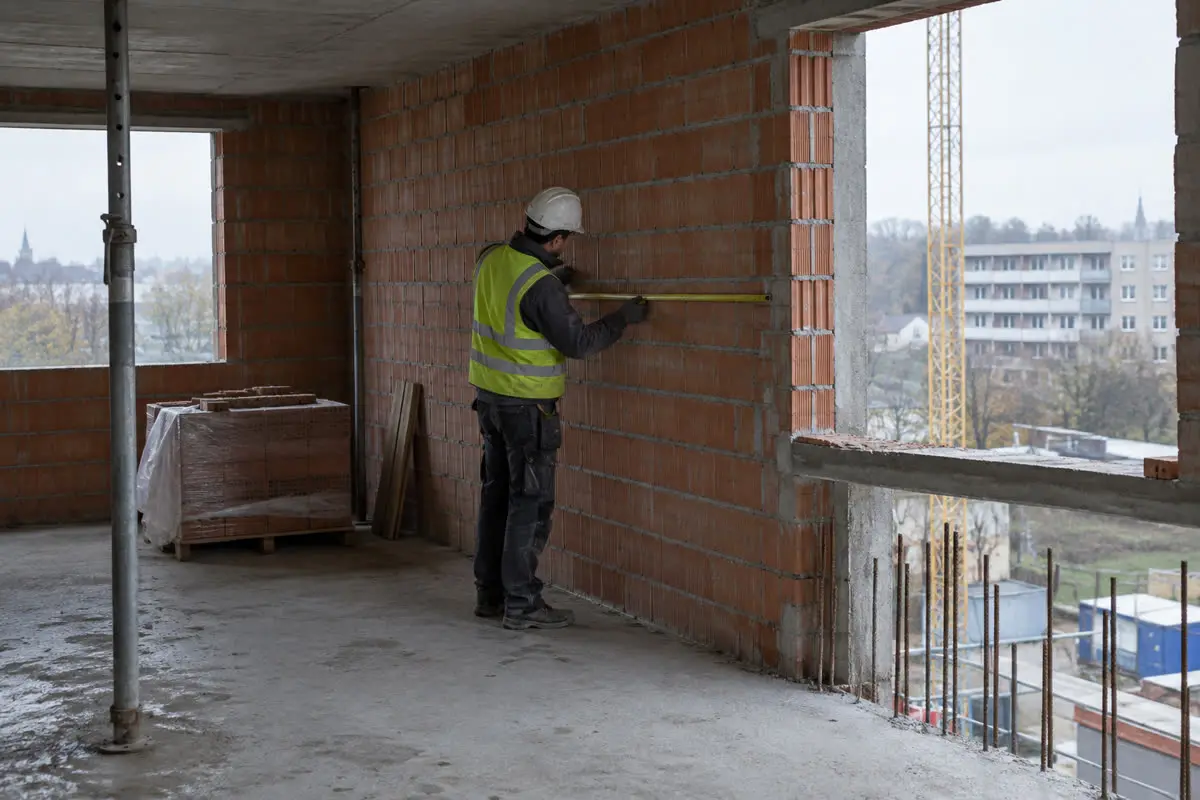
Zoom out and the picture improves. In the first three quarters of 2026, Germany approved 190,200 dwellings in new and existing buildings. That’s 14,700 more than in the same period of 2025, an increase of 8.4%.
Inside that total, new residential buildings accounted for 154,000 dwellings, up 8.0% or 11,400. Conversions of existing buildings reached 33,100, up 10.8% or 3,200. New non-residential buildings added 3,200 dwellings, up 3.1% or 100, a small slice but also a rising one.
So the housing market data tells two stories at once. September was soft, and the year so far is clearly firmer. For an agent, the second story is the more reliable one. A nine-month total smooths out the late reports, the high bases and the timing quirks that make a single month so noisy. When a client asks whether German building activity is recovering, 190,200 approvals and +8.4% is the sturdier answer than 20,800 and -14.8%.
Where the Growth Sits: Houses Versus Flats
The year-to-date growth isn’t spread evenly. Multi-family blocks drove most of it, while smaller house types moved at different speeds. The table below pulls together the main figures from the Destatis release.
| Measure | Figure | Change on a year earlier |
|---|---|---|
| September all dwellings | 20,800 | -14.8% |
| September new build | 16,800 | -19.9% |
| September conversions | 4,000 | +15.8% |
| First three quarters all dwellings | 190,200 | +8.4% |
| First three quarters new residential | 154,000 | +8.0% |
| First three quarters multi-family | 101,800 | +9.3% |
Within new residential buildings over the first three quarters, multi-family blocks lead by a wide margin with 101,800 dwellings, up 9.3% or 8,600. Single-family houses reached 34,900, up 4.8% or 1,600. Two-family houses grew fastest in percentage terms, with 11,100 dwellings, up 17.7% or 1,700.
Dormitories were the only category to fall, at 6,200 dwellings, down 8.0% or 500. It’s a niche segment, so it doesn’t change the overall picture. The takeaway is that flats are carrying the recovery in German property approvals, with houses growing more modestly. For the wider construction picture across the bloc, see our earlier note on <a href=”https://european.realestate/euro-area-construction-output-august-2026/”>euro area building work</a>.
What the Numbers Mean for Buyers and Agents
These figures are most useful when you know how to use them in a conversation. Here is a practical way to frame them for clients comparing Germany with other European markets:
- Quote the year-to-date figure. The 8.4% rise over three quarters is steadier than any single month, so lead with it.
- Explain the base effect. The September drop partly reflects a strong September 2025, as Destatis notes, so it isn’t a clean read on demand.
- Treat approvals as a pipeline signal. A permit means permission to build. It isn’t a completed property, and it doesn’t say when homes will reach the market.
- Watch the type of dwelling. Multi-family blocks dominate the growth, which matters if a client is weighing a flat against a house.
There’s one more caution. The latest month is provisional. The state statistical offices report approvals in the following month, and late reports move into later months, so the September figure can still change. That’s another reason to lean on the longer period. For the rental side of the same market, our note on <a href=”https://european.realestate/germany-rent-reform-2026/”>Germany’s rent bill</a> covers the rules that shape letting in the tight markets.
Before quoting any figure to a client, work through the checks below in order:
- Confirm which period the figure covers before quoting it.
- Check whether the number is provisional and due for revision.
- Compare against the same period a year earlier, not the previous month.
- Note that an approval is permission to build, not a finished home.
For buyers from outside Germany, none of this is a verdict on German property prices or on whether now is a good time to buy. It describes how much building work has been given the green light, and it’s one input among several.
Where the German Building Permits Stand Now
Put together, the data shows a pipeline that is larger than a year ago, even after a weaker September. The 190,200 dwellings approved in the first three quarters, up 8.4%, point to growing activity. The 14.8% fall in September is real, but it follows a strong month and sits inside a rising year. For anyone tracking German real estate, the housing market picture is firmer over nine months than in a single month, and building work is still expanding in the multi-family segment.
The sensible reading is cautious and balanced. Approvals are heading up over the year, driven by multi-family blocks and conversions, while the newest month remains provisional and may be revised. Agents who quote the year-to-date numbers, and who explain what an approval actually is, will give clients a clearer picture than those who repeat one month’s headline. As later reports arrive, the September figure may shift, and it’s worth checking back before drawing firm conclusions.
Frequently Asked Questions About German Permits
What does a building permit figure actually measure?
It counts dwellings that authorities have approved for construction. It’s permission to build, not a finished home. Some approved projects start quickly, while others are delayed or never built, so the figure works as a signal about the pipeline.
Why did September fall when the year is rising?
September 2026 was compared with a high September 2025, which exaggerates the drop. Destatis says the high base of the year before also contributes to the fall. Over the first three quarters, approvals are still up 8.4%, so one month doesn’t reverse the broader gain.
Can the September figure still change?
Yes. State statistical offices report approvals in the following month, and late reports move into later months. That makes the latest month provisional. It can be revised, which is why longer periods give a more dependable guide than a single month.
Which type of home is driving the growth?
Multi-family blocks lead, with 101,800 dwellings approved in the first three quarters, up 9.3%. Two-family houses grew fastest in percentage terms at 17.7%, and single-family houses rose 4.8%. Dormitories were the only category to decline, down 8.0%.
How should agents use these numbers with clients?
Quote the year-to-date total of 190,200 dwellings, up 8.4%, rather than the monthly dip. Explain that approvals show intent to build, not completed stock, and note that the latest month is provisional. Treat the data as one input among several.