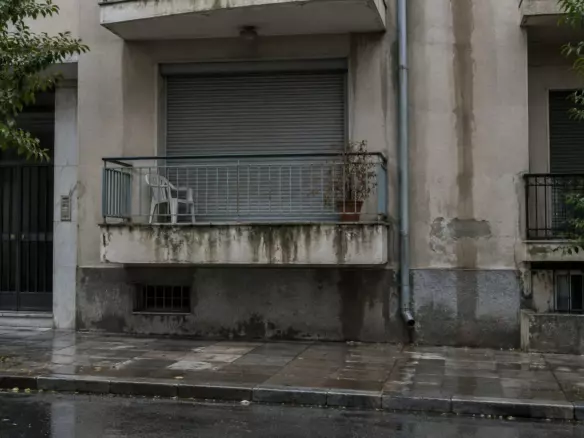

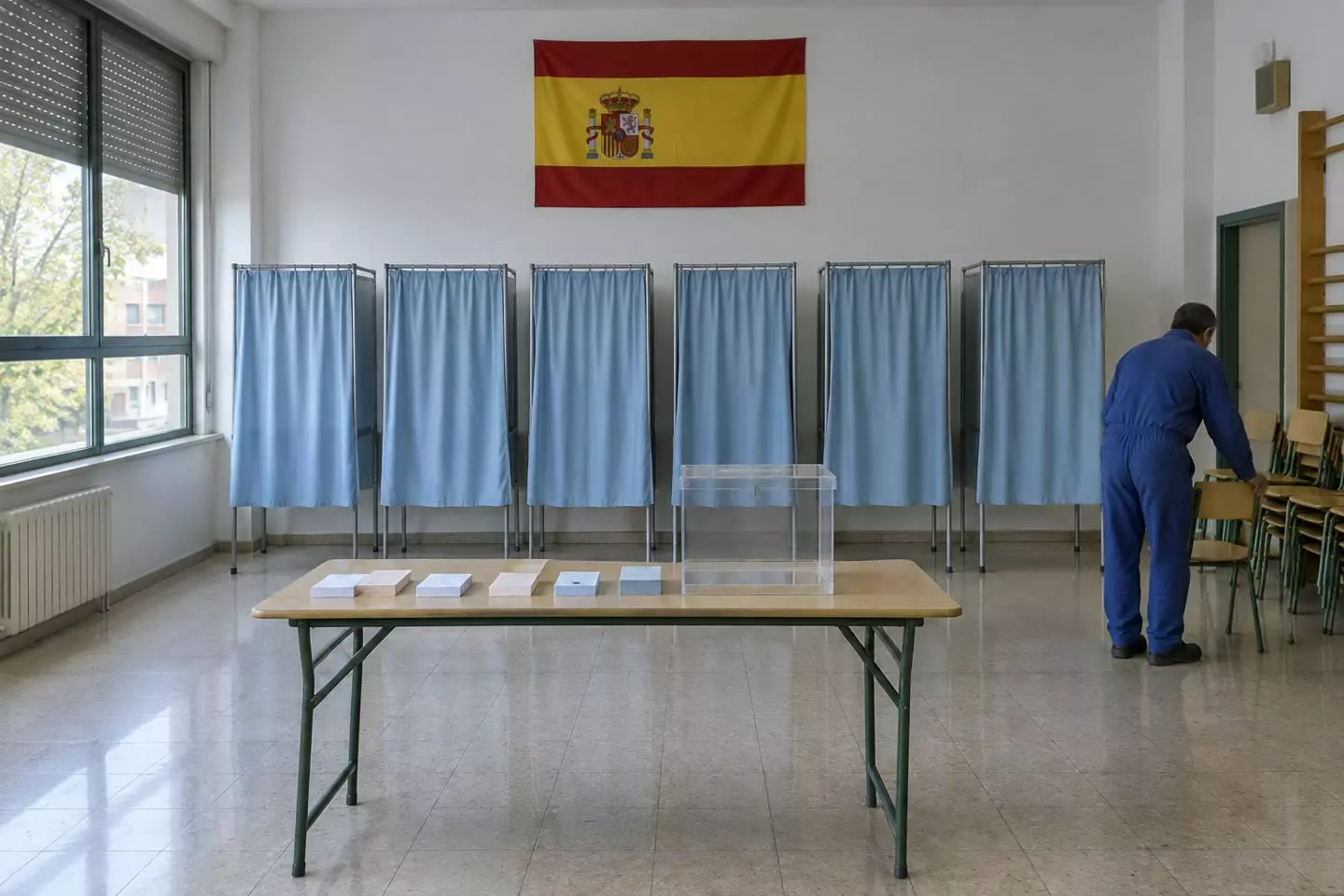
Spain will hold a general election on 29 November. Prime minister Pedro Sánchez called the snap vote on Monday, after the Congress of Deputies rejected his government’s housing package on Friday, and reporting by NOS puts the housing crisis at the centre of the campaign he has just started.
For an agent with clients in Spain, the useful question is not who wins in November. It is what stays in force between now and the day a new government takes office, which is later than most people assume, and what a government in campaign mode can still push through.
The short version is uncomfortable for anyone hoping for a quick answer. Nothing in the rejected package is law today, the rules already on the books are untouched, and the regions keep most of the levers over rent. Not one deed, listing or tenancy changes this week.
Why Spain Is Going to the Polls on 29 November
Sánchez announced the decision on Monday 5 October, after a weekend of calls with ministers and party colleagues. Under article 115 of the constitution the president proposes the dissolution of the Cortes, the cabinet approves it in an extraordinary meeting and the King signs the decree. El País expects the royal decree in the official gazette on Tuesday, and the electoral law fixes polling day 54 days after publication, which is where 29 November comes from.
Two details matter more than the date. A caretaker administration only appears after the election, so Sánchez keeps his normal powers right through the campaign. Parliament, meanwhile, hands legislative work to the permanent deputations of the Congress and the Senate, which are smaller bodies with narrow competences. One of those competences is validating decree laws of extreme necessity, so the housing package is not automatically gone for good. El País is careful to describe those powers as limited.
So the honest answer to a client who asks whether the new rules are dead is that they are out today, and not necessarily out permanently.
What the Rejected Housing Package Would Have Done
Friday’s vote on 2 October concerned two decree laws, and the housing measures were the part that mattered to the market. Vulnerable tenants would have been protected from eviction until 2030. Existing rental contracts stood to gain an extension or a freeze of two years. Temporary and room-by-room lets would have been brought under tenancy law, a measure aimed directly at owners who use tourist rentals to step around a long lease.
A further clause would have stopped large investment funds from buying homes until 2028, and the second decree dealt with automatic renewal of tenancies. Ministers said more than five million people would have been helped, as NOS reports. The Congress turned the first text down by 172 votes to 178 and the second by 166 to 184. The Partido Popular, Vox and the Catalan party Junts supplied the majority against.
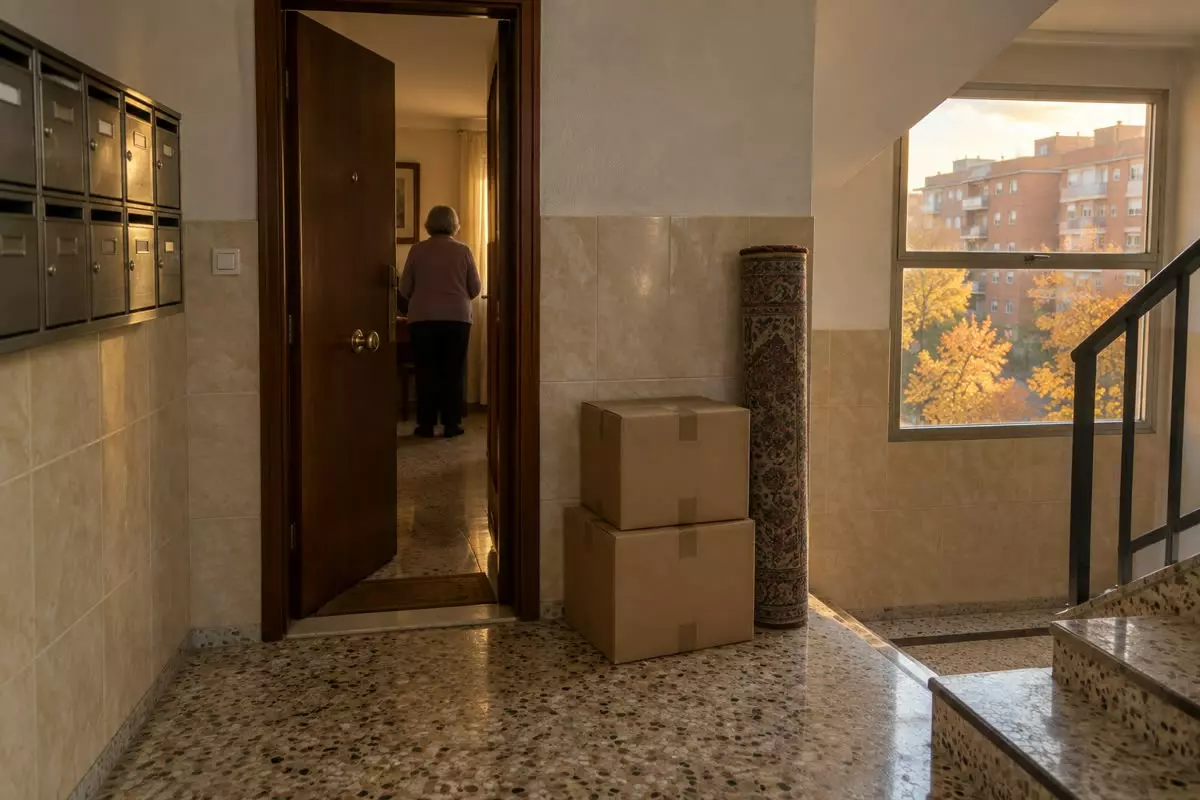
It is worth saying plainly what a failed convalidación leaves behind, because clients hear the announcement and assume the rule exists in some half-built state. It does not. A decree that the Congress refuses to validate falls away, and the previous legal position simply continues. Advice given on Thursday is still the right advice.
Who Actually Sets the Rent Rules in Spain
Rent policy in Spain does not run only through Madrid. Housing and urban planning sit largely with the autonomous communities, and the 2023 housing law, Ley 12/2023, gives a regional government the power to declare an area a stressed residential market and cap rents within it. Catalonia has used it widely, with 271 municipalities declared since 2024. Deploying the same tool in the rest of the country has been slower and patchier.
That split changes how an agent should read the news. Two flats in the same country can sit under two different regimes, and the one that applies to a client is the one for the municipality where the property stands. Rent limits in a stressed area follow the national index published by the Ministry of Housing, not a national price list.
Whatever a new government wants from January onwards, it will need regional administrations to apply much of it. Campaign talk will be about national policy. The file on your desk is governed by a regional rulebook that is not on the ballot.
What the Election Changes for Buyers and Agents
For a client with a deal in progress, an election is noise. Prices, mortgage costs and local supply move a transaction forward or stop it. A polling date does not, and the housing market has absorbed six general elections since 2015 without a transaction freezing over one.
| Item | Where it stands today | What to tell the client |
|---|---|---|
| Eviction protection for vulnerable tenants | The extension to 2030 did not pass | Do not quote a protection date that is not in the law |
| Rent freeze and contract extensions | Never enacted; each lease keeps the terms it was signed on | Read the actual contract dates, not the campaign headline |
| Tourist rentals | National tightening failed; regional and municipal rules still apply | Check the licence and the local bylaw for that address |
| Institutional buyers | The ban on large funds never landed | Nothing changed for a fund-backed seller or buyer |
One temptation to resist is telling a client to wait for a new government. Even a clear result on 29 November would be followed by the formation of a government, and then by drafting, so a new national measure on rents or evictions is a matter for next year rather than this winter. A buyer who postpones a purchase until a law lands will be negotiating in a market that has moved on.
There is one group with a reason to look at the calendar, and it is not buyers. Anyone holding a tenancy that expires in 2027 or 2028 has a live interest in whether an extension returns, because that is the timing the failed package targeted. Those owners deserve a call before the campaign fills the news with promises.

Reading the Election Timetable as a Property Timetable
Everything after the announcement runs on a legal clock, and it tells an agent when to expect any real movement on housing rules.
- Dissolution reaches the official gazette, expected on Tuesday 6 October, which starts the 54 day clock
- Spain votes on Sunday 29 November, for all 350 seats in the Congress of Deputies
- A new Congress meets within 25 days of the election, as article 68 of the constitution requires
- King Felipe consults the parties and proposes a candidate, who then asks the Congress for confidence
- If no government wins that vote within two months, the chambers are dissolved again and the country votes a second time
Between the vote and a working government there is usually a stretch of weeks, sometimes months, in which no new housing legislation can be passed at all. A practical rule for the office follows from that. Until a text appears in the official gazette, treat every housing promise as a draft, and keep advising from the rules you can read.
What an Early Election Means Before the Vote
Between now and the end of the year, Spanish property continues under the rules that were already there: the tenancy law, the regional rent regimes where they exist, and the local licensing rules for holiday lets. None of that is suspended by a campaign, and none of it changes because a decree failed.
A short checklist covers the gap between the vote and any new law.
- Pull the expiry date on every Spanish tenancy you manage, and flag the ones that fall in 2027 or 2028
- Confirm in writing what is in force on the day you write, so that no client can later say the office leaned on a rule that never existed
- Check the regional rule for the municipality, because a national campaign does not move a regional ceiling
None of that is dramatic work, and that is the point. It is the paperwork that keeps a file defensible on the day the rules finally do change.
Questions Agents Ask About the Spanish Election
Will the election change the rent rules straight away?
No. A caretaker or campaigning government does not impose new rent rules, and a new majority needs to be formed before it can legislate. Any change will carry its own start date in the gazette, and it will not reach back over a contract you have already signed.
Is the housing package dead for good?
Not necessarily. The permanent deputations that sit while parliament is dissolved can validate decree laws in cases of extreme necessity, and every party now has an electoral reason to promise housing measures. A revived package, a private member’s bill or a regional initiative could all reappear. Until a text is published, none of it is a rule.
Should a buyer wait until after 29 November?
Waiting buys nothing. The vote decides who governs, not what a flat costs, and the market has to absorb the weeks of coalition talks that follow. If a client likes a property and the numbers work, the election is not a reason to hold off.
What happens to a tenancy that ends in 2027?
It runs to the terms in the contract. The two-year extension never came into force, so an owner should plan on the dates already agreed. Keep a note of the files that would be affected if an extension returns after the election, and put the current position to the owner in writing.
Do foreign buyers face any change from this?
No new rule touches them because of the election. Purchase taxes, the non-resident rate and the regional rules on acquisitions were untouched by the failed package and are not part of the campaign’s housing argument. Foreign buyers should watch the regional rules where they buy, since those are the ones that move.