

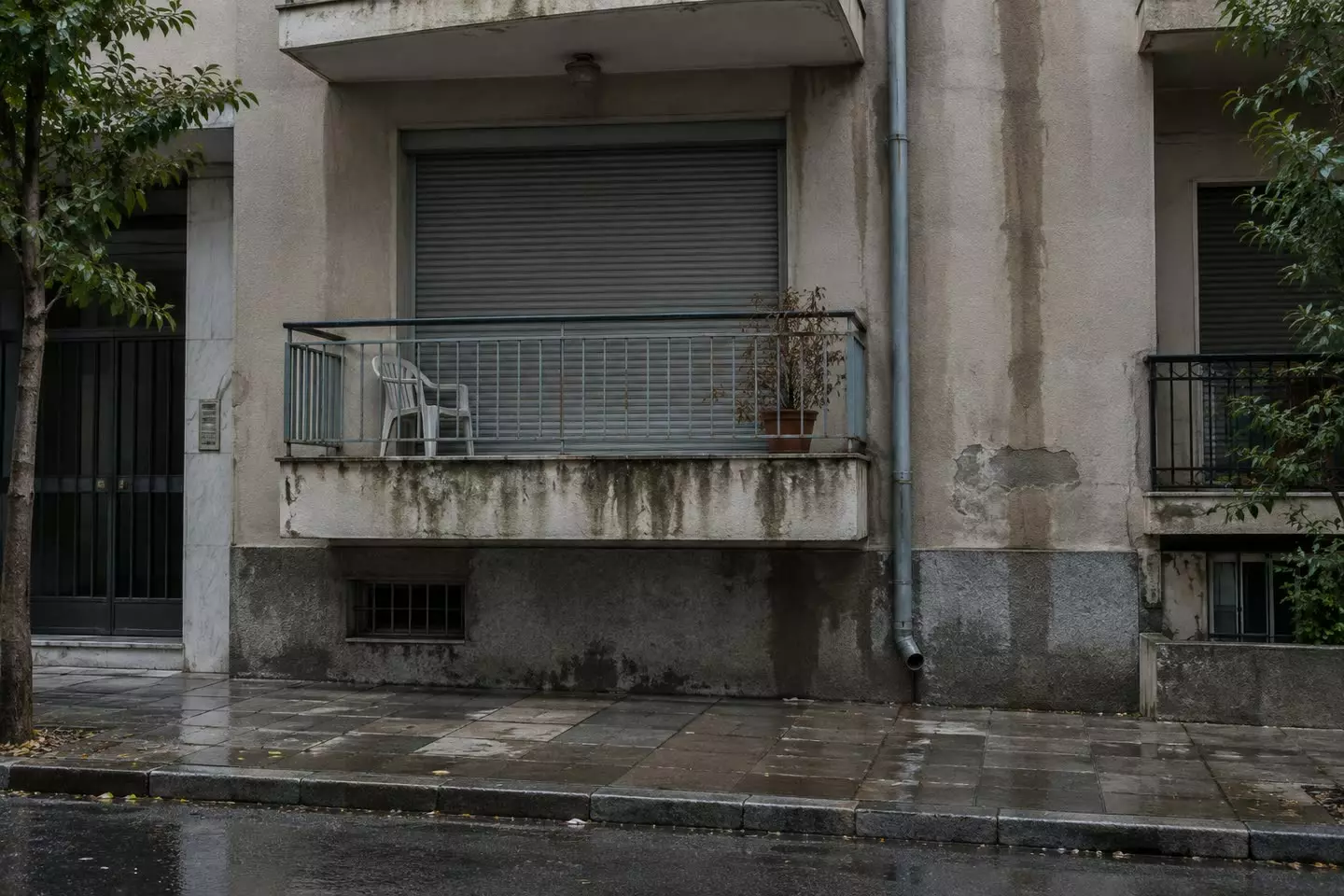
Many Greeks who live abroad leave an apartment or a house standing empty for most of the year, and the stretch from September to May is the part that asks the most of the building. Autumn brings the first heavy rains, colder nights, and long periods in which nobody opens a window, turns a tap or notices a small problem before it grows into an expensive one. In a report published on 30 September 2026, The National Herald set out what an empty Greek home is up against, and it reads best as a checklist rather than a scare story.
This guide is for the owner abroad and for the estate agents who act for one. It covers what goes wrong while an empty home sits unused, what a policy may quietly expect once the property is unoccupied, and what a paid inspection should actually include. Nothing here replaces your own insurer’s wording, but it is a sensible order of work to follow before winter.
What the Autumn Rain Finds in an Empty Home
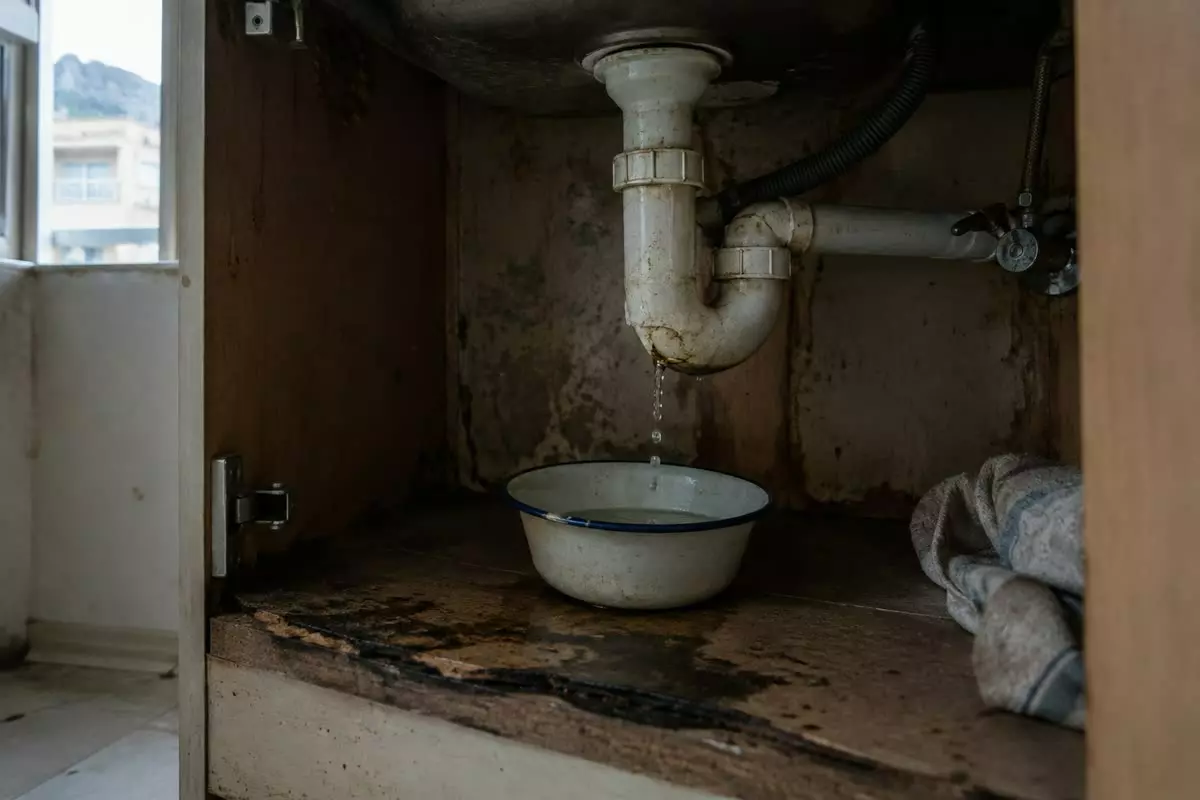
Every autumn follows a familiar rhythm. An owner leaves in early September, and the property then spends weeks or months without a visitor. First autumn storms test gutters, drains, terraces and the waterproofing around windows and balconies, and that is exactly the moment when a fault is cheapest to catch. One slow leak under a sink, a dripping pipe joint or water pooling after heavy rain can run for weeks without anyone noticing. By the time someone returns, a damp patch has become a repair job, and sometimes a claim.
Winter sharpens the same risks. Heavy rain exposes drainage and waterproofing faults, and heating or air conditioning that has sat idle since the previous winter can fail just as temperatures drop. Timing matters more than the fault itself, the report says. Finding a small problem on a routine visit is usually easy to deal with, while the same problem found months later is a different matter.
What Goes Wrong While the Home Sits Empty
That report lists the problems that recur in an empty Greek apartment. Read them as a set of systems rather than as isolated accidents, because most of them begin small and quiet.
- Slow leaks: a connection under a sink, a problem with a pipe, or water collecting after heavy rain, any of which can go unnoticed for weeks.
- Damp and mould: closed rooms and limited ventilation let humidity build up through the wetter months.
- Pests: ants, cockroaches and rodents take advantage of a quiet property.
- Drains: unused drains can dry out or block, which creates smells.
- Heating and air conditioning: units unused for months can fail when they are suddenly needed.
- Administration: common building expenses and other obligations do not stop when the owner is abroad.
The report also draws a line between looking inside a home and inspecting it. Someone with a spare key, a relative or a neighbour, may walk through and see that everything looks normal, while missing early moisture behind furniture or a slow leak under a cabinet. An informal arrangement also depends on that person’s availability, so a visit can be postponed for work, holidays or family commitments. That is the case the report makes for a scheduled visit rather than a favour.
Insurance Rules for a Home That Sits Empty
This is the part owners most often miss. Some home insurance policies carry provisions about vacant or unoccupied properties, and depending on the policy certain types of cover may be restricted after a specified period unless particular conditions are met. For owners who left Greece in early September, the report notes, the 30 to 60 day vacancy periods written into some policies can become relevant around November. Requirements vary between insurers, so there is no single rule to quote: check directly with your own insurer, and get the answer in writing.
Instead of a figure, the report offers a checklist. Ask whether the policy mentions vacant, unoccupied or not in use. Check how many consecutive days the insurer counts as unoccupied. Ask what conditions apply during a long absence. Ask whether regular inspections are required, and how often. Keep written confirmation of any instructions you are given. And keep records of inspections and maintenance. Search your policy for “unoccupied” rather than “holiday home”, because the two are not the same thing.
| What to check in the policy | Why it matters |
|---|---|
| Does it mention vacant, unoccupied or not in use? | That wording is what can trigger a restriction |
| How many consecutive days count as unoccupied? | A 30 to 60 day period can begin around November |
| What conditions apply during a long absence? | Conditions vary by insurer, so you need yours in writing |
| Are regular inspections required, and how often? | One missed visit can put a condition in doubt |
| Have you kept written confirmation of instructions? | You need evidence of what you were told |
| Are inspection and maintenance records up to date? | Dated records support any later claim |
What a Paid Home Inspection Should Cover
Home watch is not the same as traditional property management. Property management is generally about rentals, tenants and guest turnover, while a home watch provider visits an unoccupied property on a schedule, checks for signs of leaks, damp, pests or other problems, and reports back to the owner. Home Watch Athens, a company founded by Yanis Zisis, is the example the report gives: it works with owners abroad whose homes in Athens stay empty for much of the year. It is worth being straight about the source, because the report is describing the company’s own service rather than an industry standard.
Its usefulness lies in the shape of the service. Visits follow a regular schedule, not whenever someone is free. Inspections are defined, covering water systems, drains, ventilation, heating and air conditioning, leaks, damp and signs of pests. Each visit ends with a report, dated photographs and a written record. Someone accountable, so the owner knows who holds the keys and who to contact. And clear limits, because a home watch provider is not a plumber, electrician, lawyer, insurance adviser or property manager.
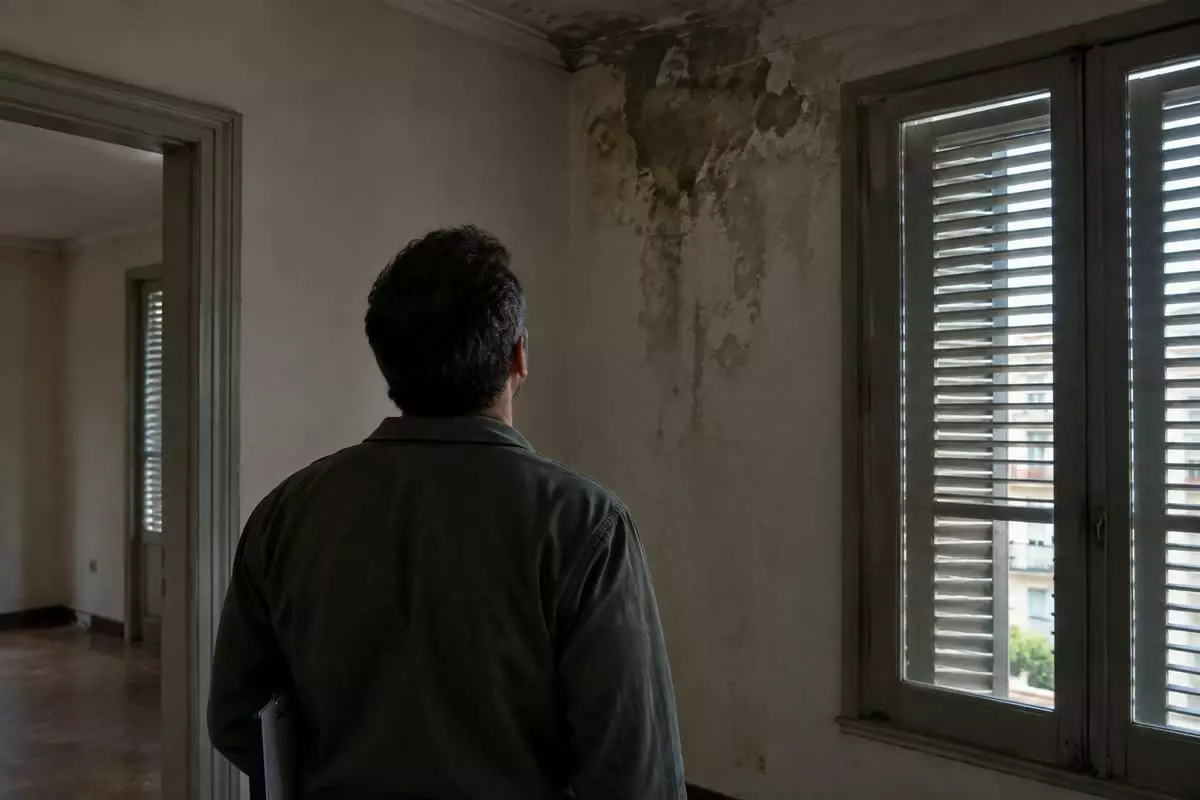
Taken together, those points make a short list to hold any provider to.
- Visits on a regular schedule, agreed in advance, not whenever someone happens to be free.
- An inspection that covers water systems, drains, ventilation, heating and air conditioning, leaks, damp and signs of pests.
- Written reports after every visit, with dated photographs and a record of anything that needs attention.
- One named person accountable for the keys, the access and the point of contact.
- Clear limits on what the provider does and does not do, so expectations stay honest.
- Any service should fit the property, since a home empty ten months a year has different needs from a short-term let with guests every weekend.
Book the Inspection Before the First Storm
Work out the dates first. If you left Greece in early September, the unoccupied period in your policy may already be running, so read the wording this month and put your questions to the insurer in writing. Then decide who checks the property and agree a schedule before the first heavy rain, because the value of an inspection lies in finding a small problem early, not in documenting a large one afterwards.
For the estate agents acting for an owner abroad, the same logic applies. One short written summary that lists the systems checked, the date, the photographs and anything that needs attention is worth more than a message saying all is well. If the owner treats the place as a second home or a holiday home used for a few weeks a year, that record is also the cheapest evidence they will have if a claim ever follows a flooded kitchen.
Questions Owners Ask Before a Greek Winter
Does an empty home need different insurance?
Not necessarily a different policy, but you need to know what yours says about vacancy. Some policies restrict certain types of cover once a property has been unoccupied for a set number of days, and requirements differ between insurers. Ask your insurer directly rather than your neighbour.
How often should someone check the property?
Often enough to catch a slow leak or a patch of damp before it spreads, and often enough to satisfy any inspection condition in your policy. Agree the interval with your provider and put it in the calendar, rather than relying on goodwill.
Is a relative with a key good enough?
Sometimes, but it depends on their availability rather than a schedule, so visits can slip for work or family reasons. There is also a difference between looking inside and inspecting, since early moisture or a quiet leak is easy to miss. Dated records are the other thing an informal visit rarely produces.
What should an inspection report contain?
Ask for a written account of what was checked, dated photographs, and a plain note of anything that needs attention. It should cover water systems, drains, ventilation, heating and air conditioning, leaks, damp and signs of pests, and it should name who carried out the visit.
Can I leave the heating off all winter?
That is a decision for you and, sometimes, for your insurer. What matters is that systems left unused for months are checked before they are needed, since heating and air conditioning that has sat idle can fail just as temperatures drop. If a system is run or serviced during the winter, record it.