

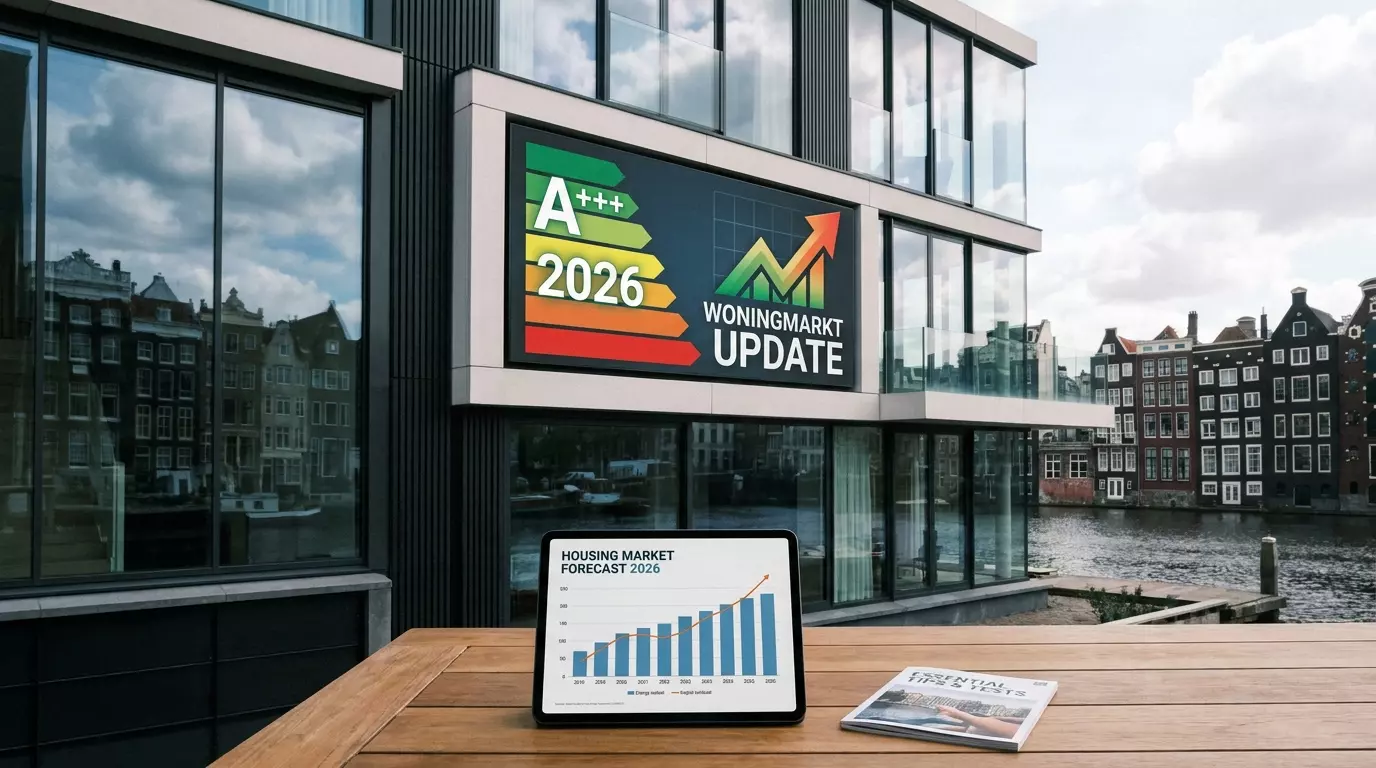
Dutch Housing Update: Tips, Tests, and the Latest News for 2026
The Dutch housing market continues to be one of the most talked-about topics in the Netherlands. Whether you are a first-time buyer trying to break into a competitive market, a renter worried about rising costs, or someone simply keeping an eye on where prices are heading, staying informed is more important than ever. Drawing on the latest insights shared by DutchNews.nl, this guide pulls together everything you need to know right now about buying, renting, and protecting yourself in a market that never seems to slow down.
In this article, we break down the current state of the property landscape, share practical advice for buyers, explain the essential checks you should never skip, and cover the most recent developments affecting tenants across the country. Let’s dive in.
What’s Really Happening in the Dutch Housing Market
The Dutch housing market remains tight, with demand still outpacing supply in nearly every major city. Prices in places like Amsterdam, Utrecht, and Rotterdam have continued their upward climb, and the shortage of available homes shows little sign of easing. According to figures from Statistics Netherlands (CBS), the country needs hundreds of thousands of new homes to meet growing demand, yet construction has struggled to keep pace due to nitrogen restrictions, rising material costs, and labour shortages. This combination keeps the pressure firmly on prospective buyers.
For anyone hoping prices might fall significantly, the reality is more complicated. While interest rates have shifted in recent years, the fundamental shortage of housing continues to support high prices. Smaller towns and rural areas sometimes offer better value, but even there competition has increased as people look beyond the expensive urban centres. The takeaway is clear: understanding regional differences and acting decisively can make all the difference when you finally find the right property.
Smart Tips for Buyers Trying to Get a Foot In
Breaking into the Dutch housing market as a buyer requires preparation, patience, and a bit of strategy. One of the most valuable things you can do is get your finances in order before you even start viewing homes. Securing a mortgage agreement in principle gives you a clear budget and shows sellers you are a serious candidate. In a market where homes often receive multiple offers within days, being ready to move quickly is a genuine advantage. Many buyers also work with a buying agent, known locally as an aankoopmakelaar, who can guide negotiations and spot opportunities before they hit the wider market.
Here are several practical tips that can improve your chances:
- Get a mortgage pre-approval so you know exactly what you can afford.
- Be flexible on location and consider up-and-coming neighbourhoods.
- Attend viewings early and respond fast when something suitable appears.
- Understand the bidding culture, as offers above the asking price are common.
- Factor in extra costs such as transfer tax, notary fees, and valuation reports.
Beyond these basics, it helps to research the typical price-per-square-metre in your target area so you can judge whether an asking price is fair. Speaking with locals, following property portals daily, and building a relationship with estate agents can give you an edge. The buyers who succeed are usually those who treat the search like a project rather than a casual browse.
Tests and Checks You Shouldn’t Skip Before Buying
Buying a home is a major financial commitment, which is why skipping important checks can be a costly mistake. A structural survey, or bouwkundige keuring, is one of the most valuable inspections you can arrange. It reveals hidden issues such as damp, foundation problems, or outdated wiring that might not be visible during a quick viewing. In older Dutch properties especially, foundation issues caused by wooden piles can lead to enormous repair bills, so a professional inspection is well worth the investment.
Beyond the structural survey, there are several other checks every buyer should consider. Below is a quick comparison of the most common inspections and what they cover.
| Type of Check | What It Covers | Why It Matters |
|---|---|---|
| Structural survey | Foundations, roof, walls, damp | Prevents expensive surprises |
| Energy label check | Insulation and efficiency rating | Affects bills and resale value |
| Asbestos test | Presence of hazardous materials | Important in pre-1994 homes |
| Ground lease check | Erfpacht status and costs | Common in Amsterdam |
It is also wise to review the home’s energy label, since efficiency standards are becoming increasingly important across the Netherlands. A poorly insulated home can mean higher monthly costs and potential renovation requirements down the line. Checking whether the property sits on leased ground, known as erfpacht, is equally crucial in certain cities. Taking the time to complete these tests protects you from unwelcome financial shocks and gives you peace of mind before signing anything.
The Latest News Every Renter Needs to Know
Renters in the Netherlands have experienced significant changes recently, with new regulations aimed at protecting tenants and controlling rising costs. The government has introduced measures to expand rent control to a broader segment of mid-priced housing, meaning more properties now fall under regulated rent rather than the free market. This is positive news for many tenants, but it has also led some landlords to sell rather than continue renting, which adds another layer of complexity to the supply situation. Reliable updates on these shifts can be found through outlets like NOS, which closely follow housing policy developments.
For renters trying to navigate this environment, staying informed about your rights is essential. Key points worth keeping in mind include:
- Maximum rent calculations are based on a points system known as the woningwaarderingsstelsel.
- Rent increases are capped annually, offering protection against sudden spikes.
- Temporary contracts have become less common following recent legal changes favouring permanent agreements.
- Service charges must be transparent and justified by the landlord.
Understanding these rules helps tenants avoid being overcharged and gives them confidence to challenge unfair practices. If you believe your rent is too high, the Huurcommissie, the official rent tribunal, can assess your situation and potentially order a reduction. With the rental landscape changing rapidly, keeping up with the latest news ensures you are never caught off guard by new regulations or shifting market conditions.
In Short
The Dutch housing market in 2026 remains challenging, but being well informed gives you a real advantage whether you are buying or renting. Prices stay high due to ongoing supply shortages, so buyers need preparation, speed, and a willingness to explore different locations. Essential checks like structural surveys, energy labels, and erfpacht reviews protect you from costly surprises and should never be rushed. Meanwhile, renters are benefiting from stronger protections, though these changes also influence overall housing availability.
Ultimately, success in this market comes down to knowledge and timing. By understanding what is happening, applying smart strategies, and staying alert to the latest developments, you can make confident decisions that work in your favour. The Dutch property scene moves fast, but with the right approach, you can navigate it successfully.
Frequently Asked Questions
Is now a good time to buy a house in the Netherlands?
It depends on your personal situation. Prices remain high, but the persistent shortage of homes means waiting may not lead to significant savings. If your finances are secure and you find the right property, buying can still be a sound decision.
What is a bouwkundige keuring and do I need one?
A bouwkundige keuring is a structural survey that inspects a property’s condition. It is highly recommended, especially for older homes, as it can uncover hidden problems before you commit to a purchase.
What does erfpacht mean when buying property?
Erfpacht refers to a ground lease, meaning you own the building but lease the land it stands on. This is common in cities like Amsterdam and can involve ongoing costs, so always check the terms carefully.
How much can my rent legally increase each year?
Annual rent increases are capped by the government, and the exact percentage varies depending on the type of property and contract. The points-based system also determines maximum allowable rent for regulated housing.
Where can I get help if I think my rent is too high?
You can contact the Huurcommissie, the official rent tribunal, which assesses rental disputes and can order reductions if your rent exceeds the legal maximum based on the property’s points.

Join The Discussion