

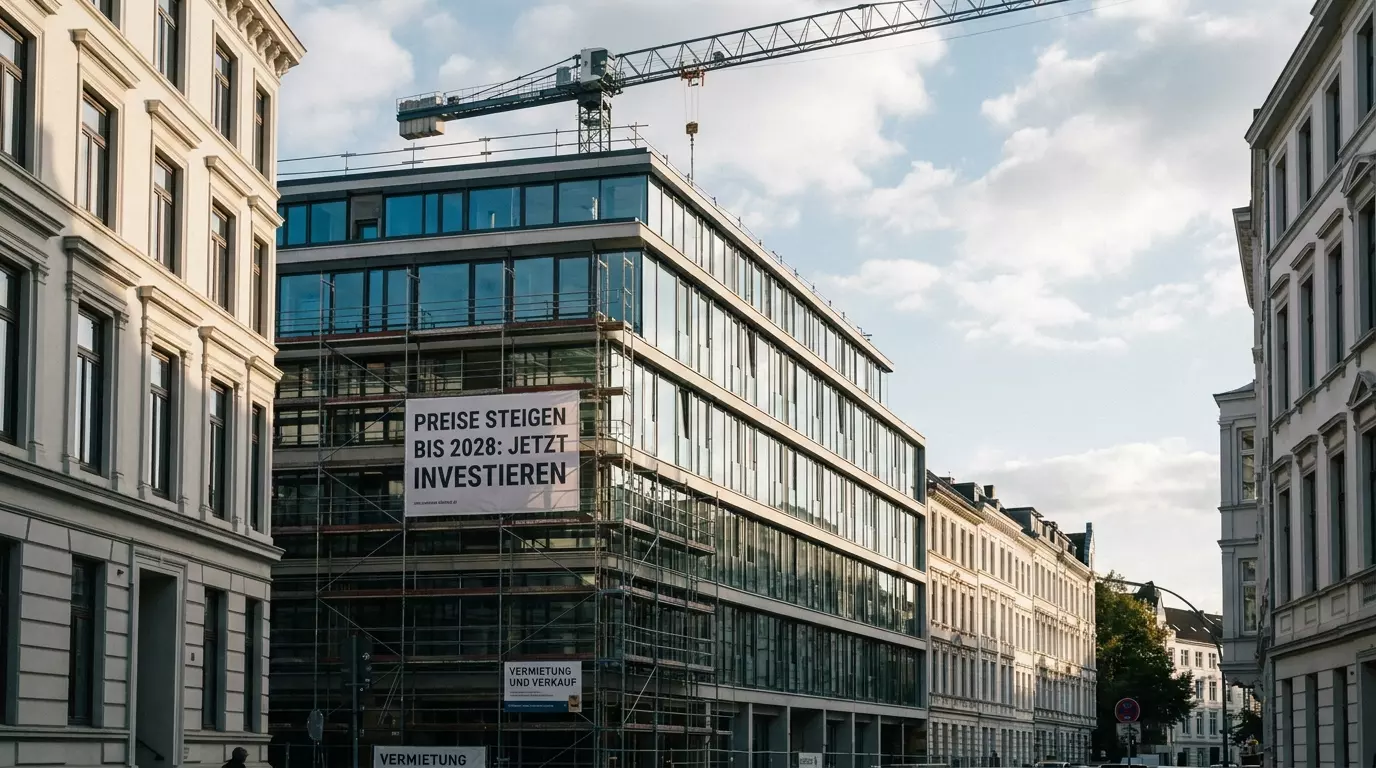
Germany’s Housing Market: Why Prices Will Rise Through 2028
The German property landscape is shifting once again, and anyone hoping for a return to affordable housing may be in for a long wait. According to recent analysis published by Logos Pres, home prices across Germany are expected to keep climbing steadily until at least 2028. Whether you are a first-time buyer, a seasoned investor, or simply renting and hoping to purchase one day, understanding the forces behind this trend is essential.
In this article, we break down the reasons behind the projected price increases, what they mean for everyday Germans, and how you can prepare your property strategy before the market tightens further.
Why German Home Prices Keep Climbing Until 2028
Germany’s real estate sector has experienced significant volatility over the past few years. After a brief cooling period triggered by rising interest rates in 2022 and 2023, the market is now showing renewed signs of upward momentum. Forecasts indicate that residential property prices will continue to increase through 2028, driven by a combination of persistent demand and limited supply. This is not a short-term spike but rather a structural trend that experts believe will define the German housing market for the rest of the decade.
The main engine behind this growth is the ongoing imbalance between how many homes are being built and how many people actually need them. Major cities such as Berlin, Munich, Hamburg, and Frankfurt continue to attract residents from both within Germany and abroad, putting enormous pressure on already stretched housing stock. As construction struggles to keep pace, prices naturally drift higher. Analysts expect annual increases that, while moderate compared to the explosive growth of the late 2010s, will steadily push property values upward year after year until 2028.
The Real Reasons Behind Germany’s Housing Squeeze
Several interconnected factors are fueling the current housing shortage. Construction activity has slowed dramatically due to higher material costs, labor shortages, and elevated financing expenses. Building a new home or apartment block has simply become more expensive, discouraging developers from launching new projects. According to data from Destatis, Germany’s federal statistics office, the number of building permits issued has fallen sharply, signaling that the supply problem is unlikely to resolve quickly.
At the same time, demand keeps rising for several reasons:
- Population growth driven by immigration and urban migration
- Smaller household sizes, meaning more dwellings are needed per person
- Strong demand in metropolitan regions where jobs are concentrated
- Limited available land for development in desirable city centers
These pressures combine to create a perfect storm. When you have more people competing for fewer available properties, prices inevitably climb. Government efforts to stimulate construction have so far fallen short of the ambitious targets needed to balance the market, which is why most forecasts extend the price growth trajectory all the way to 2028.
What Rising Prices Mean for Buyers and Renters
For prospective buyers, the implications are significant. Waiting too long could mean facing substantially higher purchase prices, even if mortgage rates eventually decline. The dream of homeownership is becoming harder to achieve, particularly for younger Germans and middle-income families. Those who can secure financing now may benefit from locking in current prices before they rise further, although the higher interest rate environment makes this calculation more complex than it was a decade ago.
Renters are not spared either. As property values increase, rental costs typically follow, especially in high-demand urban areas. Tenants in cities like Munich and Berlin have already seen their rents climb considerably, and this trend is expected to continue. The table below illustrates the contrasting pressures facing different groups in the market:
| Group | Main Challenge | Likely Impact Through 2028 |
|---|---|---|
| First-time buyers | High prices plus financing costs | Reduced affordability, longer saving periods |
| Existing homeowners | Rising property taxes and maintenance | Increased home equity value |
| Renters | Climbing monthly rents | Higher cost of living, less disposable income |
| Investors | Entry costs and yield calculations | Potential long-term appreciation |
The bottom line is that almost everyone in the German housing ecosystem will feel the effects of these rising prices, though in different ways depending on their position.
How to Plan Your Property Move Before 2028
If you are considering buying, selling, or investing in German real estate, strategic planning is more important than ever. The window before 2028 offers opportunities, but only for those who prepare carefully. Start by getting your finances in order, including improving your credit profile and saving for a larger down payment, which can help offset higher borrowing costs. Working with a knowledgeable mortgage advisor can also help you navigate the current rate environment and find the most favorable terms available.
Here are some practical steps to consider:
- Research regional markets carefully, as price growth varies significantly between cities and rural areas
- Act sooner rather than later if you intend to buy, since prices are projected to keep rising
- Consider emerging neighborhoods where values may still be relatively affordable but poised for growth
- Consult local experts who understand German property law and regional dynamics
- Factor in additional costs such as transfer taxes, notary fees, and ongoing maintenance
For investors, the long-term outlook remains attractive despite higher entry costs. Property in Germany has historically been a stable store of value, and the projected appreciation through 2028 suggests that well-chosen investments could deliver solid returns. However, due diligence is critical, and partnering with reputable advisory firms can make a meaningful difference in identifying the right opportunities.
In Short
Germany’s housing market is set for sustained price increases through 2028, driven by a stubborn gap between supply and demand. Slowing construction, rising building costs, population growth, and concentrated urban demand all contribute to this upward pressure. For buyers, renters, and investors alike, the message is clear: the cost of housing in Germany is unlikely to fall anytime soon.
The smartest response is to plan ahead. Whether that means accelerating a purchase decision, exploring more affordable regions, or building a long-term investment strategy, being informed and proactive will serve you far better than waiting and hoping for prices to drop. The German property market rewards those who understand its dynamics and act with foresight.
Frequently Asked Questions
Why are home prices in Germany expected to rise until 2028?
The primary reasons are a shortage of new construction combined with strong and growing demand, particularly in major cities. Higher building costs and slower permit approvals limit supply while population growth keeps demand elevated.
Which German cities are most affected by rising housing costs?
Major metropolitan areas such as Berlin, Munich, Hamburg, and Frankfurt experience the strongest price and rent pressures because of their concentrated populations and job markets.
Is now a good time to buy property in Germany?
It depends on your financial situation. Since prices are projected to keep climbing, buying sooner could help you avoid higher future costs. However, current interest rates make financing more expensive, so careful budgeting is essential.
Will rents continue to increase along with property prices?
Yes. As property values rise, rental prices typically follow, especially in high-demand urban centers where supply is most constrained.
How can renters protect themselves from rising costs?
Renters can consider longer-term lease agreements where possible, explore more affordable neighborhoods or surrounding areas, and stay informed about local rent control regulations that may offer some protection.
Join The Discussion