

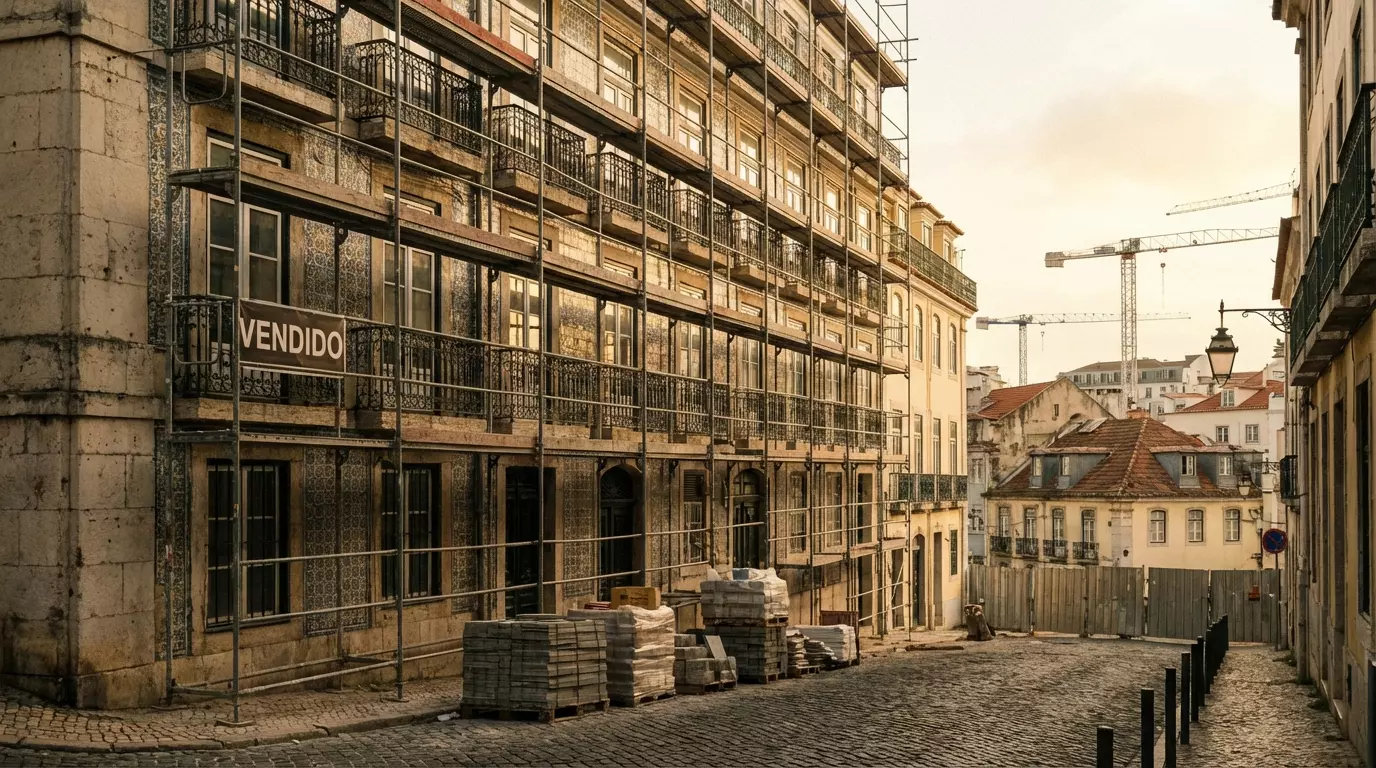
Portugal Leads the European Union in Housing Price Increases: What You Need to Know
Portugal has once again made headlines across Europe, but this time not for its sunny beaches or world-class wine. According to the latest data, the country has registered the highest increase in housing prices across the entire European Union. This development is reshaping the real estate landscape, putting enormous pressure on families, and raising urgent questions about affordability. In this article, we explore the key drivers behind this surge, how it impacts everyday Portuguese citizens, and whether government intervention can realistically cool things down.
Portugal Tops EU in Housing Price Growth
Portugal has officially claimed the top spot in the European Union when it comes to residential property price increases. According to data highlighted by The Portugal News, the country outpaced every other EU member state in the most recent reporting period. This is a remarkable shift for a nation that, just over a decade ago, was grappling with an economic bailout and depressed property values. Now, cities like Lisbon, Porto, and even smaller regional hubs are experiencing price growth that far exceeds the European average.
The numbers tell a striking story. While the EU average for housing price growth hovered at a moderate level, Portugal surged well ahead, recording double-digit percentage increases in some areas. This positions Portugal not only as the fastest-growing housing market in the bloc but also as one of the most closely watched by international investors and policymakers alike. The trend is not brand new, but the gap between Portugal and its EU peers has widened significantly, making the situation increasingly difficult to ignore. According to Eurostat, the EU’s official statistics agency, housing prices across the union have been climbing, but Portugal’s trajectory stands in a league of its own.
What Is Driving the Surge in Home Costs
Several interconnected factors are fueling Portugal’s extraordinary housing price growth. Here are the primary drivers:
- Foreign investment and golden visa programs: For years, Portugal attracted wealthy foreign buyers through its Golden Visa scheme and favorable tax regimes like the Non-Habitual Resident (NHR) program. Even though recent reforms have limited some of these incentives, the momentum they created continues to influence the market.
- Tourism and short-term rentals: Platforms like Airbnb have converted a significant portion of residential housing stock into tourist accommodation, especially in Lisbon and Porto.
- Limited housing supply: Construction has not kept pace with demand. Bureaucratic hurdles, labor shortages in the construction sector, and rising material costs have slowed new development.
- Low interest rates (historically): Although interest rates have risen in recent years, the prolonged period of cheap credit fueled a buying frenzy that is still echoing through the market.
- Digital nomads and remote workers: Portugal’s appeal as a destination for remote workers from higher-income countries has added another layer of demand, particularly for rental properties.
Beyond these factors, there is a fundamental supply-demand imbalance that continues to worsen. Portugal’s population may not be growing rapidly, but the concentration of economic activity in urban centers like Lisbon and Porto means that demand in these areas far outstrips what is available. New construction permits have increased in recent years, but the pace remains insufficient. Meanwhile, rehabilitation of older buildings, while encouraged through tax incentives, often results in luxury apartments aimed at the upper end of the market rather than affordable housing for average families. The result is a market that keeps climbing, with no clear ceiling in sight. Research from the Organisation for Economic Co-operation and Development (OECD) has repeatedly flagged Portugal’s housing affordability as a growing concern, noting that price-to-income ratios have deteriorated significantly.
How Portuguese Families Are Being Affected
The human cost of skyrocketing housing prices is enormous and growing. For many Portuguese families, particularly younger generations, homeownership has become an increasingly distant dream. Average salaries in Portugal remain among the lowest in Western Europe, yet housing prices now rival those of much wealthier nations. This disconnect between income and property costs is creating a generation of renters who face rising rents with little hope of building equity through ownership.
The impact extends beyond just buying a home. Here is a snapshot of how everyday life is changing for Portuguese residents:
| Impact Area | Before Price Surge | Current Situation |
|---|---|---|
| Average rent in Lisbon | Affordable for middle-income earners | Consumes 40-50% or more of household income |
| Homeownership rate among under-35s | Relatively accessible with bank financing | Increasingly out of reach due to high prices and stricter lending |
| Geographic mobility | Families could afford to live near workplaces | Many pushed to suburban or rural areas with longer commutes |
| Quality of life | Stable housing costs allowed discretionary spending | Housing costs crowd out savings, leisure, and family planning |
Young professionals are particularly hard hit. Many are forced to live with parents well into their 30s or share apartments in conditions that would have been unusual a generation ago. The rental market, which was once seen as a temporary step before buying, has become a long-term reality for a growing share of the population. Social tensions are rising, with protests over housing affordability becoming more frequent in major cities. The phrase “right to housing” has become a rallying cry, and community organizations are demanding systemic change rather than incremental adjustments.
Can the Government Slow Down Rising Prices
The Portuguese government has taken several steps to address the housing crisis, though opinions vary widely on whether these measures are sufficient. Key actions include:
- Ending the Golden Visa for real estate purchases: In 2023, the government eliminated the option to obtain a Golden Visa through property investment, aiming to reduce speculative foreign buying.
- Restricting new short-term rental licenses: Limits on new Airbnb-style licenses in high-pressure areas were introduced to protect residential housing stock.
- Tax incentives for long-term rentals: Landlords who commit to long-term rental contracts can benefit from reduced tax rates, encouraging them to keep properties on the residential market.
- Public housing construction programs: The government has announced ambitious plans to build and rehabilitate thousands of affordable housing units, though progress has been slower than promised.
- Rent caps and tenant protections: Measures to limit rent increases and strengthen tenant rights have been introduced, though landlords argue these discourage investment.
Despite these efforts, many experts and housing advocates believe the government’s response has been too slow and too fragmented to match the scale of the crisis. Structural issues, such as the slow pace of urban planning approvals and the lack of available land for construction in city centers, remain largely unaddressed. There is also a tension between Portugal’s desire to attract international investment and talent, which boosts the economy, and the need to protect domestic residents from being priced out of their own cities. Some analysts suggest that only a massive, sustained public investment in social and affordable housing, combined with stricter regulation of speculative activity, can meaningfully reverse the trend. Others argue that the market will eventually self-correct as prices reach levels that deter even foreign buyers. For now, the trajectory remains firmly upward, and Portuguese families continue to bear the brunt of a crisis that shows few signs of easing.
In Short
Portugal’s position at the top of the EU housing price growth rankings is both a testament to its attractiveness as a place to live and invest and a warning signal about deepening inequality and affordability challenges. The combination of foreign demand, limited supply, tourism pressures, and insufficient construction has created a perfect storm that is reshaping Portuguese society. While the government has introduced a range of measures, the gap between policy ambition and real-world results remains wide. For Portugal to maintain its appeal without sacrificing the well-being of its own citizens, a bolder and more coordinated approach to housing will be essential in the years ahead.
FAQ
Why are housing prices in Portugal rising faster than in other EU countries?
A combination of strong foreign demand, limited housing supply, the impact of short-term rental platforms, and historically low interest rates has driven prices up at a pace unmatched elsewhere in the EU.
Has the end of the Golden Visa for real estate helped reduce prices?
While the policy change removed one source of speculative demand, its effects have been limited so far because other demand drivers, such as digital nomads and tourism, remain strong.
What cities in Portugal are most affected by rising housing costs?
Lisbon and Porto are the most impacted, but the trend is spreading to smaller cities and coastal towns as buyers and renters seek more affordable alternatives.
Is it still a good time to invest in Portuguese real estate?
From an investment perspective, prices continue to rise, but affordability concerns and potential regulatory changes introduce risk. Prospective buyers should carefully assess local market conditions.
What is the Portuguese government doing about affordable housing?
The government has launched public housing construction programs, restricted short-term rentals, and offered tax incentives for long-term leases, though many argue these steps are not yet sufficient.

Join The Discussion