

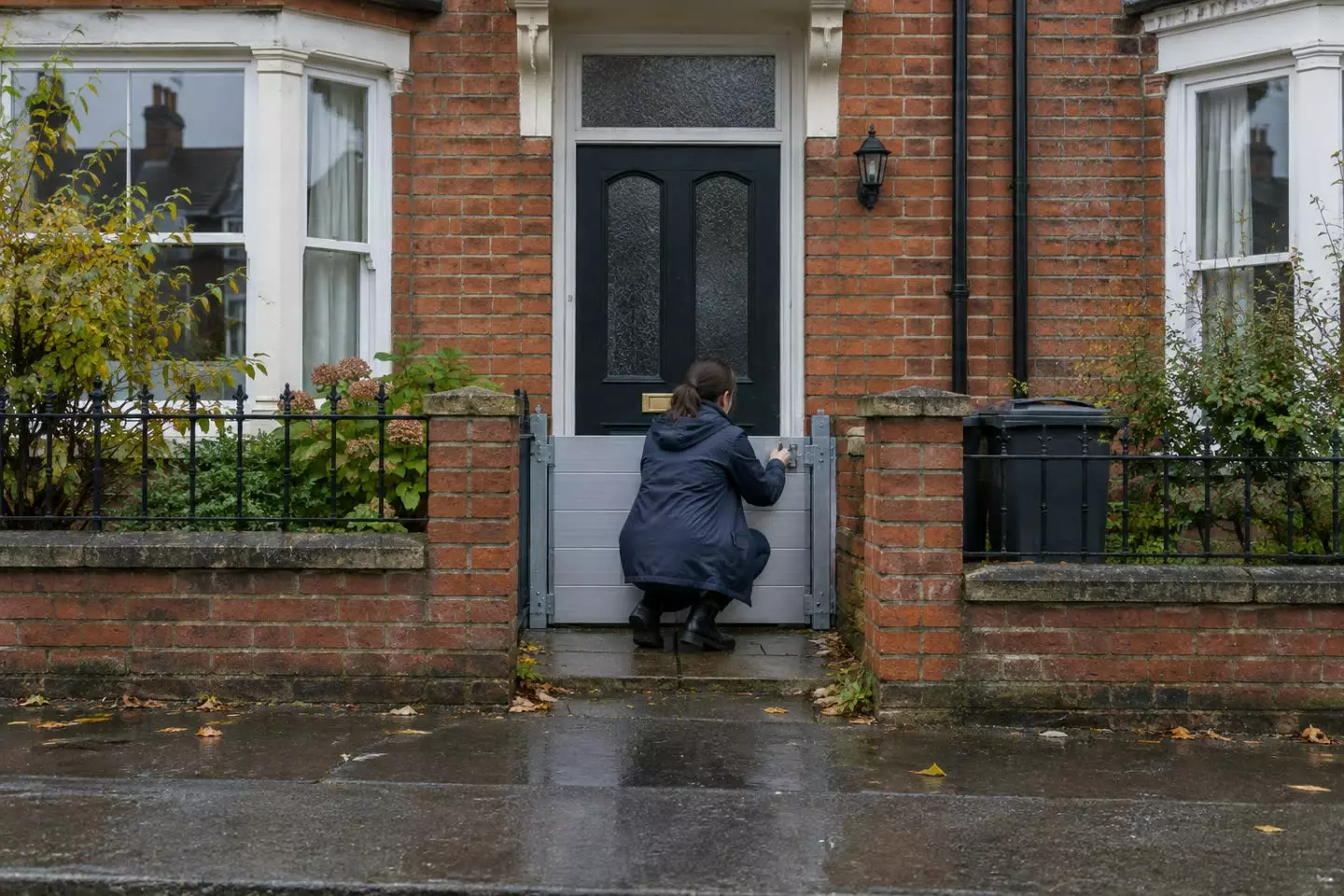
England will begin piloting Flood Performance Certificates this year, under plans the government and the flood reinsurance scheme Flood Re set out on 13 October 2026. They are meant to do for flood risk what Energy Performance Certificates did for energy: give a homeowner, a buyer, a lender and an insurer the same standardised picture of how exposed a property is and how well it is protected.
That matters to anyone with a foot in two markets. A UK owner selling up to buy in Spain, Portugal or Italy is pricing a home whose insurance can depend on information that today sits in several places and belongs to no single party. For the Department for Environment, Food and Rural Affairs, the goal is a trusted document that travels with the property, the way an EPC already does.
What a Flood Performance Certificate Records
Each certificate would summarise a property’s flood risk in a standard format built around a Flood Performance Rating. Risk is broken into categories that include exposure, the characteristics of the building and its resistance to water. It draws on flood risk information the Environment Agency already publishes through its Check Your Flood Risk service, which covers river and surface water flooding.
Comparability is the point. Today an insurer prices flood risk from its own models, a lender from its own survey and a buyer from whatever the seller happens to mention. Flood Re’s chief executive, Perry Thomas, describes the certificate as a way of turning awareness into action, so a home with flood barriers, self-closing air bricks or a water-resistant kitchen floor is assessed differently from an identical home without them.
Why Insurers and Lenders Are Paying Attention
Flood Re is a reinsurance pool that has stood behind UK flood cover since 2016. Insurers pass the flood element of a high-risk household policy into the pool for a fixed price, which is how a home that once attracted no quote at all can still be insured. Cover runs to homes built before 1 January 2009 in council tax bands A to H, and the scheme is due to close in 2039.
Its history explains the interest. Before the scheme, roughly half of the households with a previous flood claim could not get a quote at all, and the rest averaged close to £5,000. Within months of Flood Re opening, those same addresses were receiving multiple quotes at around £500. Flood Re now estimates that, at 2025 prices, a household with a flood claim could be facing £8,000 to £10,000 without the pool behind it.
Aviva’s UK general insurance chief, Jason Storah, said a quarter of homes are likely to be at risk from flooding by 2050. That is the sort of number which turns a certificate from a good idea into a document lenders want in the file.
How the First Pilots Will Work in England
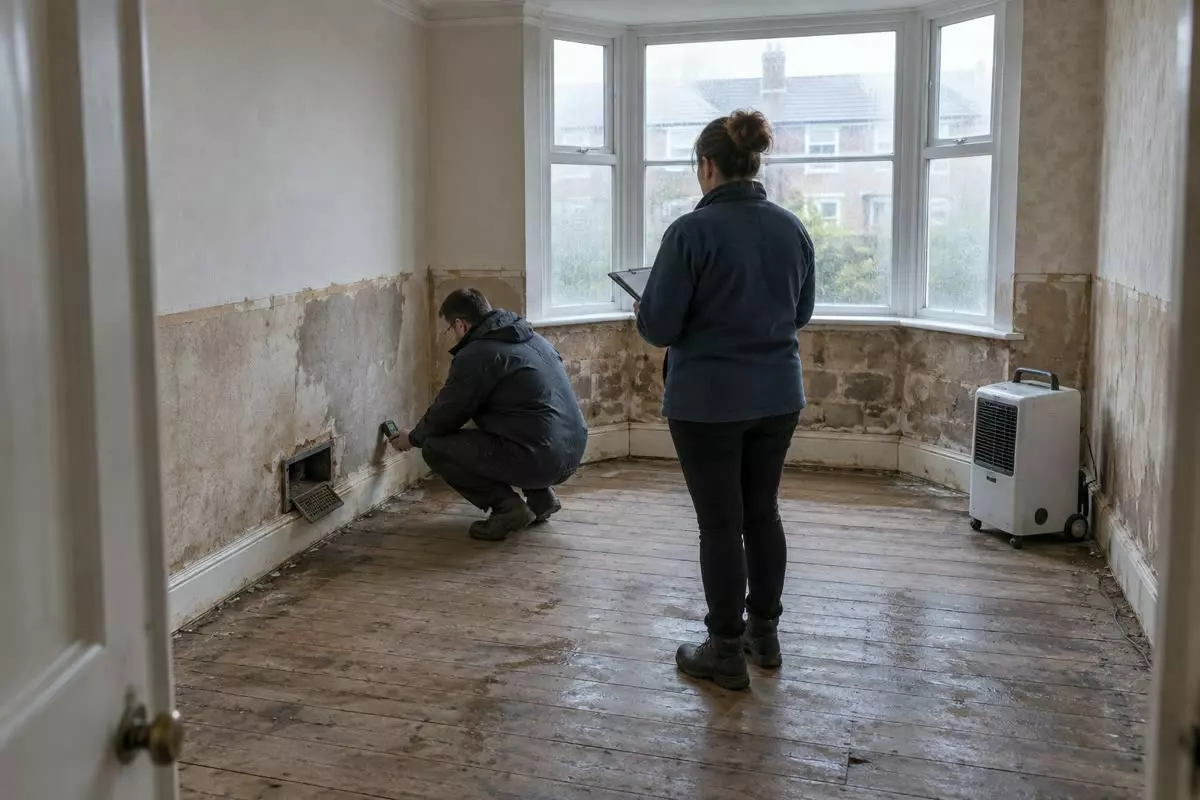
Pilots start this year in areas at risk of flooding and continue through 2027. Flood Re runs them with insurers, lenders and the Environment Agency’s Property Flood Resilience framework. Early testing centres on Environment Agency schemes, then widens to the broader housing market, to claims under the Build Back Better scheme and possibly to new-build construction.
None of it is mandatory yet. These are tests rather than obligations, so nobody should tell a client that a certificate is required to sell a home. It lands during Flood Action Week, which runs from 12 to 18 October, and alongside the Environment Agency’s standing capacity: 260 mobile pumps, including 17 ultra-high-volume units, 25 kilometres of temporary barriers and 600 people on call at any one time.
What Flood Resilience Is Worth to a Property
Resilience work is the part of flood risk a buyer can put a price on. Research Flood Re commissioned from JBA Risk found 21 million UK homes are structurally suitable for property flood resilience measures, and 3.1 million sit in flood depths of 0.6 metres or less, where those measures work best. About 115,000 were judged highly cost effective, and for 51,000 the work would repay its own cost inside a year through the damage it avoids.
| Measure | Figure |
|---|---|
| Homes Flood Re covers | Built before 1 January 2009, council tax bands A to H |
| Quote for a flood-claim home before 2016 | About £5,000, and half got no quote at all |
| Quote within months of the scheme opening | About £500 |
| Estimated cost without the scheme, at 2025 prices | £8,000 to £10,000 |
| Contents-only premium, bands A and B | Cut from £52 to £25 from April 2027 |
| Scheme end date | 2039 |
Two groups sit outside all of this. New-build homes are not covered by Flood Re, which is one reason the pilot may reach into construction, and commercial property was never inside the scheme. A home the pool does not cover carries the same flood risk without the same backstop, and that gap is exactly what a certificate makes visible.
Three things a certificate could shift across the UK property market:
- Insurance pricing, if resilience work is recognised in the quote rather than treated as an unknown
- Lending, where a standard assessment gives a valuer something firmer than a postcode
- Negotiation, because a buyer who can see the risk can also see the cost of reducing it
How Agents Can Advise Clients on Flood Risk
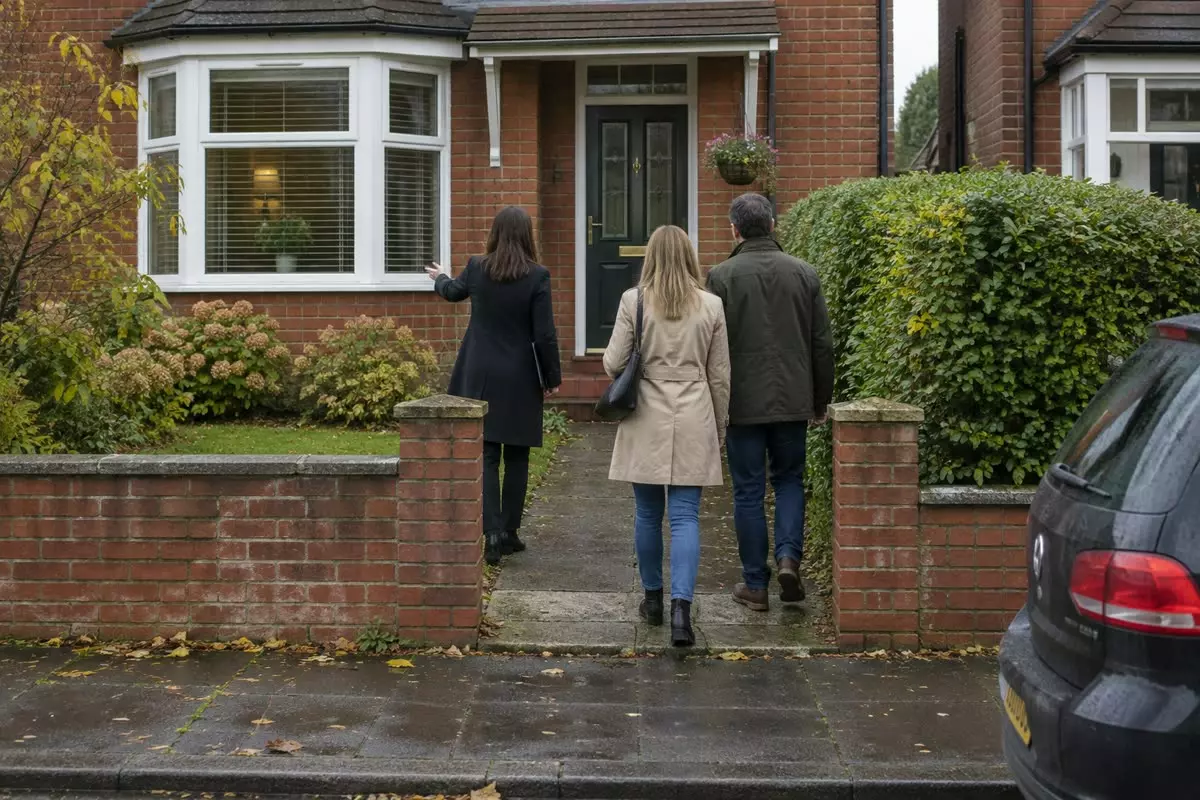
For estate agents working with UK owners who are selling to fund a purchase abroad, the certificate is a selling point waiting to be used. Five things worth putting in front of a client:
- Pull the flood risk check before the listing goes live, not after a buyer asks. The Environment Agency’s service is free and takes minutes.
- Treat resilience work as an improvement rather than a repair. A documented flood barrier is the kind of detail that keeps a chain together.
- Be precise about what the certificate is not. It is a pilot in England, not a legal requirement, and it says nothing about price.
- Read the insurance quote as closely as the survey. For a flood-claim address, cover is the number that can decide whether a sale completes at all.
- For foreign buyers weighing a UK sale, run the same check. House prices in a flood zone are not the same conversation as they were a decade ago.
What the Certificates Could Change by 2027
The certificate will not move house prices on its own, and it will not make a flood-prone home dry. What it can do is put the same information in front of every party at the same time, which is what the energy certificate did for insulation and glazing. Once a lender, an insurer and a buyer read the same document, the argument moves from opinion to a number.
Timing is worth watching. Pilots run through 2027, Flood Re’s reforms take effect in April 2027 and the scheme itself ends in 2039, so the pressure to make resilience legible is coming from both ends. An owner who improves a home now is positioning it for a market that will expect the paperwork, and an agent who can explain the certificate before a client asks is already ahead of the question.
Questions Buyers Ask About Flood Certificates
These come up as soon as a client hears that a new certificate is on the way.
Is a Flood Performance Certificate compulsory?
No. The government and Flood Re announced pilots on 13 October 2026, and the first certificates are being tested in areas at risk of flooding. There is no legal duty to hold one, and no requirement to produce one when selling a home.
Does it replace the flood risk check I can do myself?
No, it builds on it. It draws on the Environment Agency’s Check Your Flood Risk service, which already covers river and surface water flooding, and adds a standard assessment of the building and the measures protecting it.
Will a certificate lower my insurance premium?
Not by itself. Flood Re’s stated aim is that insurers recognise resilience work in their pricing, and its contents-only premium for council tax bands A and B falls from £52 to £25 in April 2027. Whether an individual premium moves depends on the insurer and the property.
Which homes does Flood Re cover?
Homes built before 1 January 2009 in council tax bands A to H, occupied as a main home. New-build homes are outside the scheme, and so is commercial property. Cover ends when the scheme closes in 2039.
Does flood risk affect what a home is worth?
It affects what a home costs to insure and how easily it sells, which feeds into property values. Before Flood Re, about half of flood-claim households could get no quote at all, and the rest averaged near £5,000. Making resilience visible is meant to keep that history from repeating for homes that have been improved.