
Restoration Project Of 190 M² In Hondón De Las Nieves, Spain
- €199.995
Overview
Property ID: EU-3122587
- 190 m²
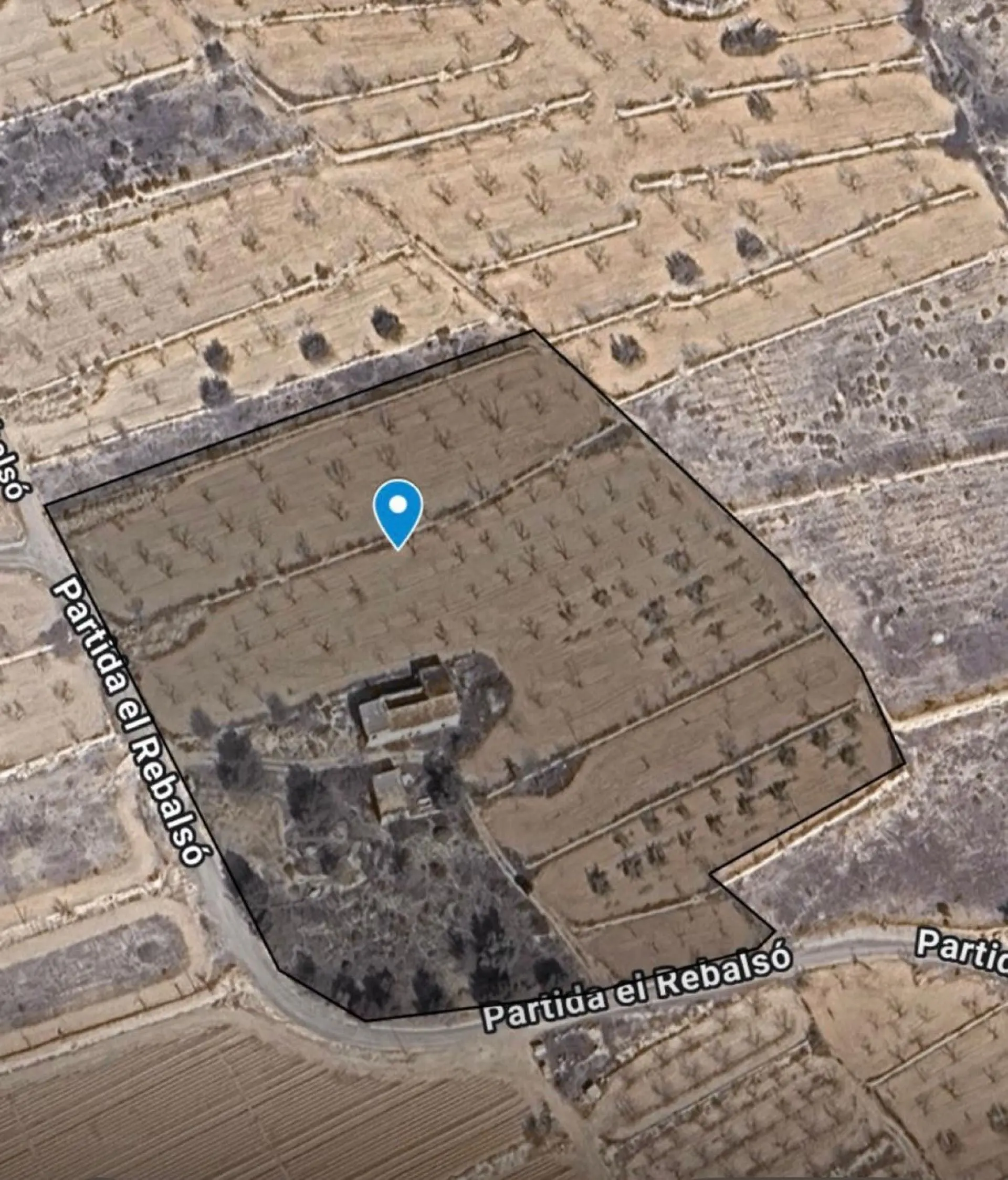
- 18000 m²
- 5
- 2
Description
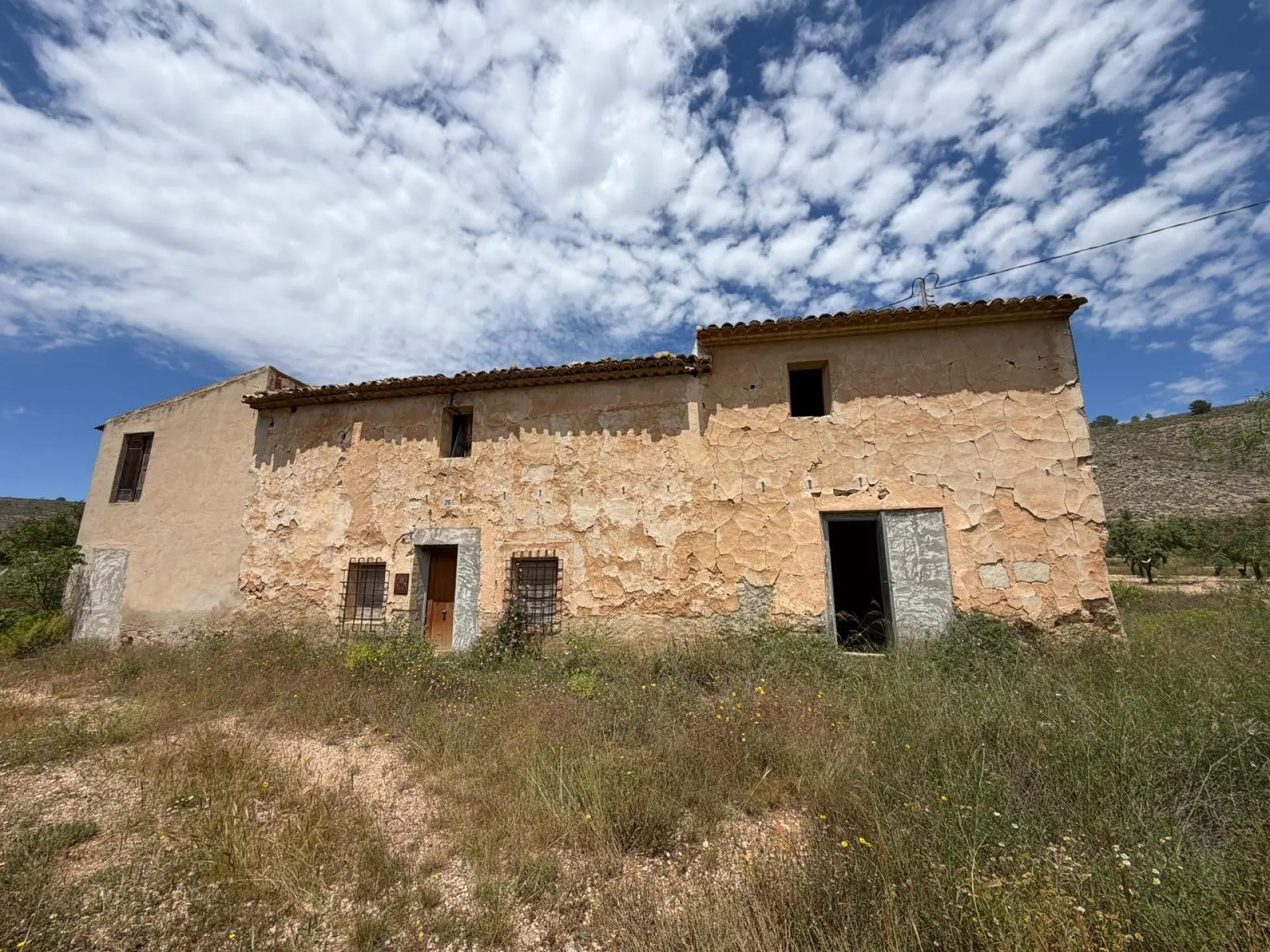
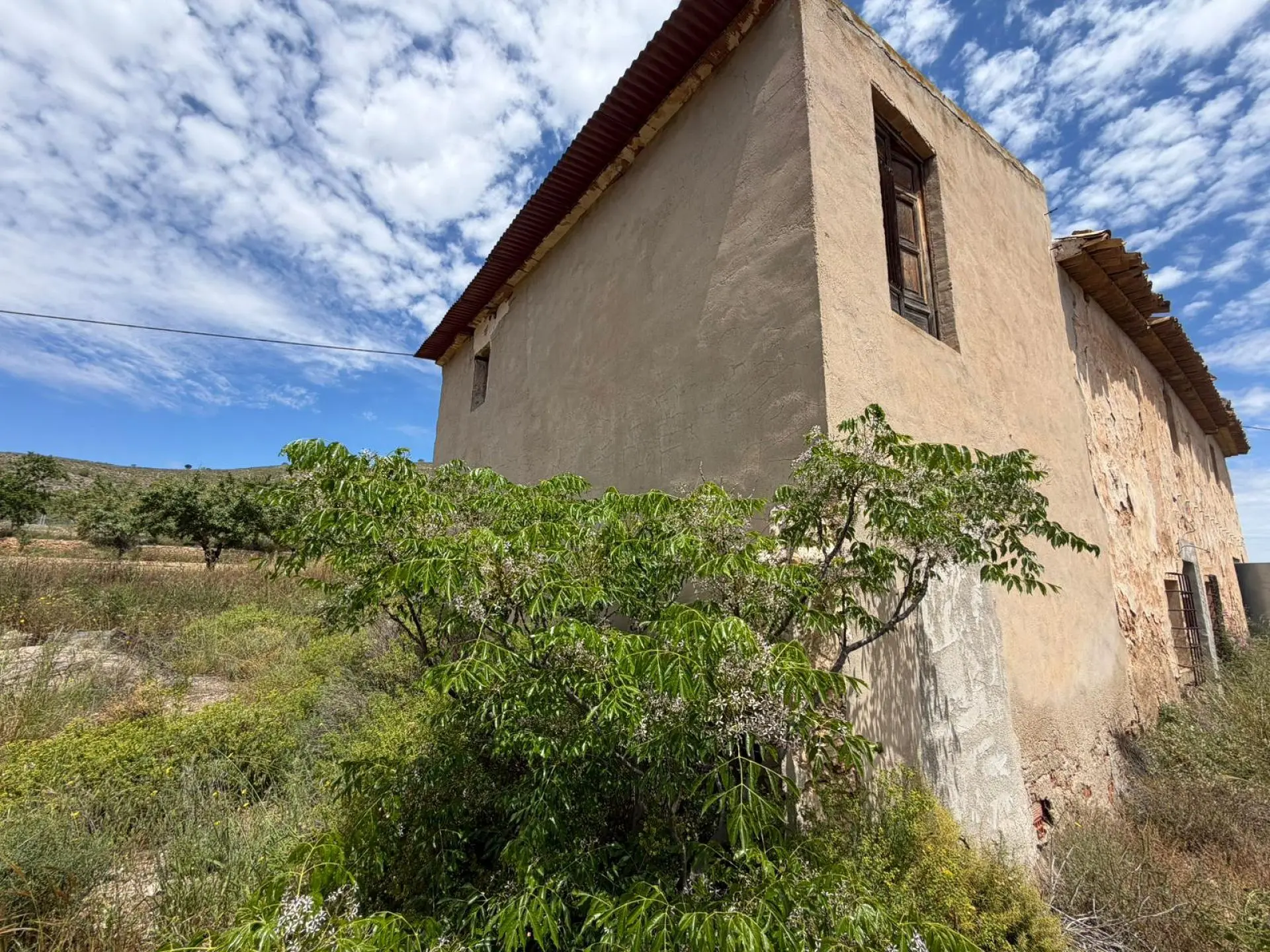
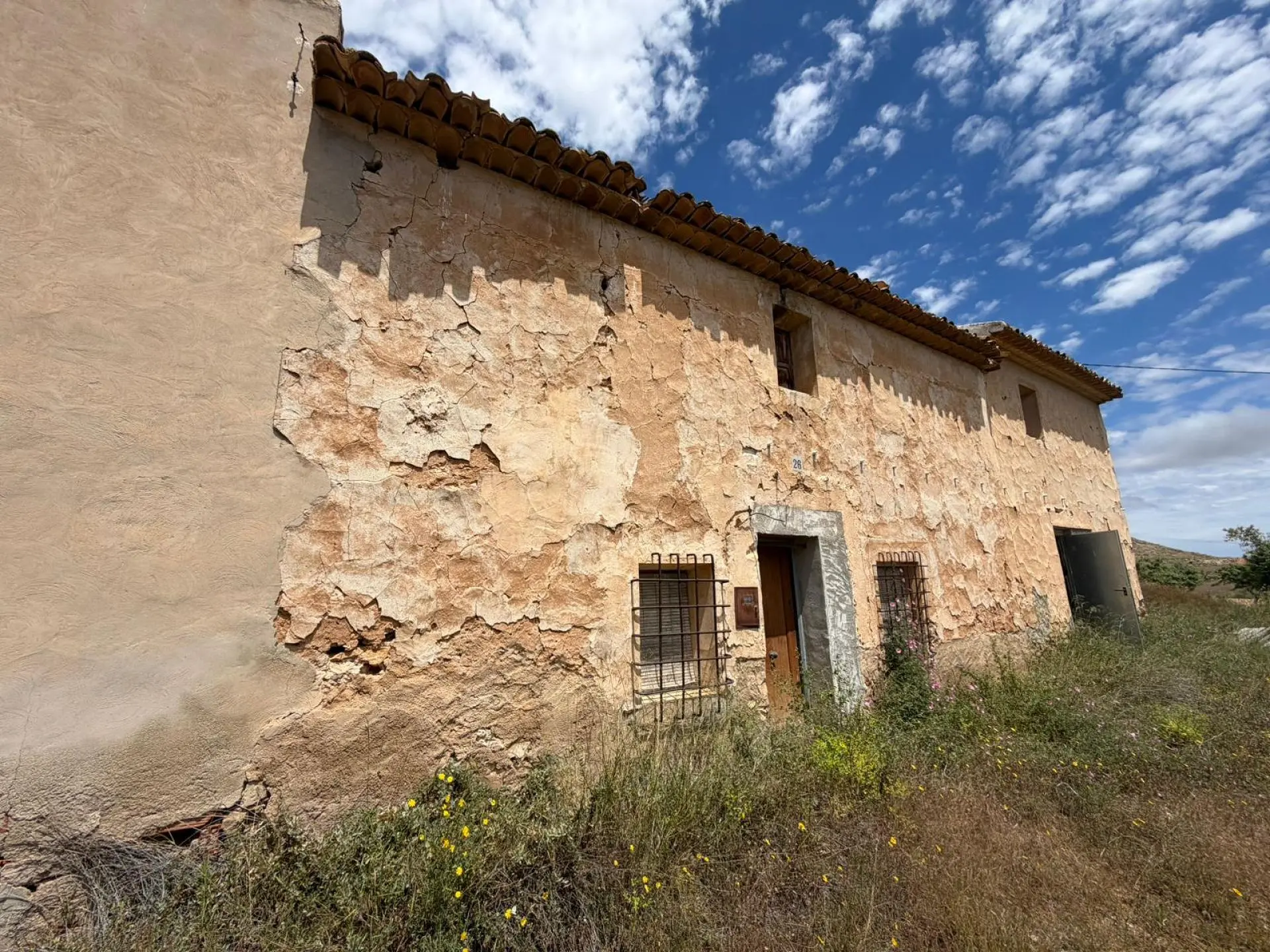
A Country Home with a Natural Spring in Hondón de las Nieves
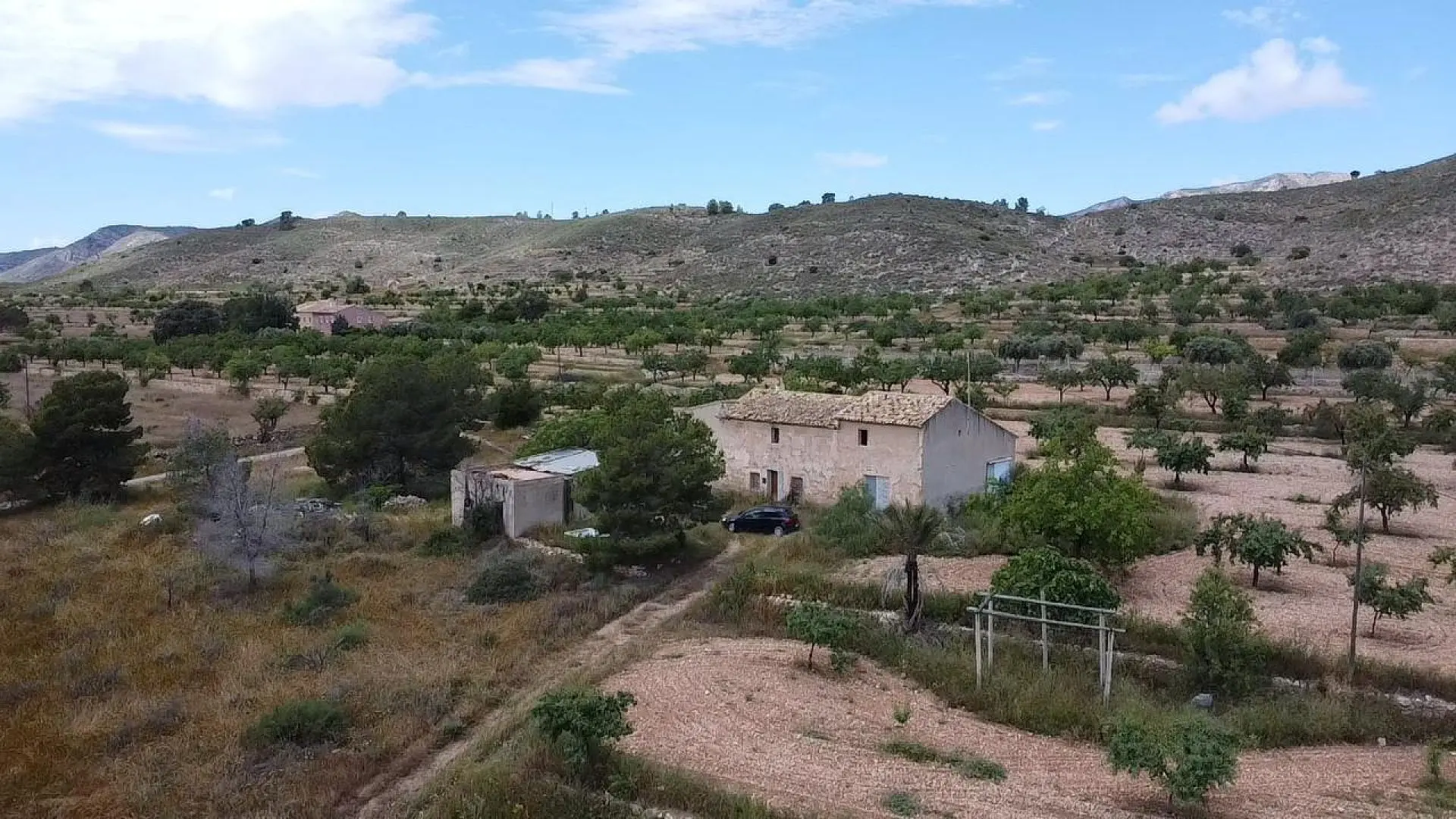
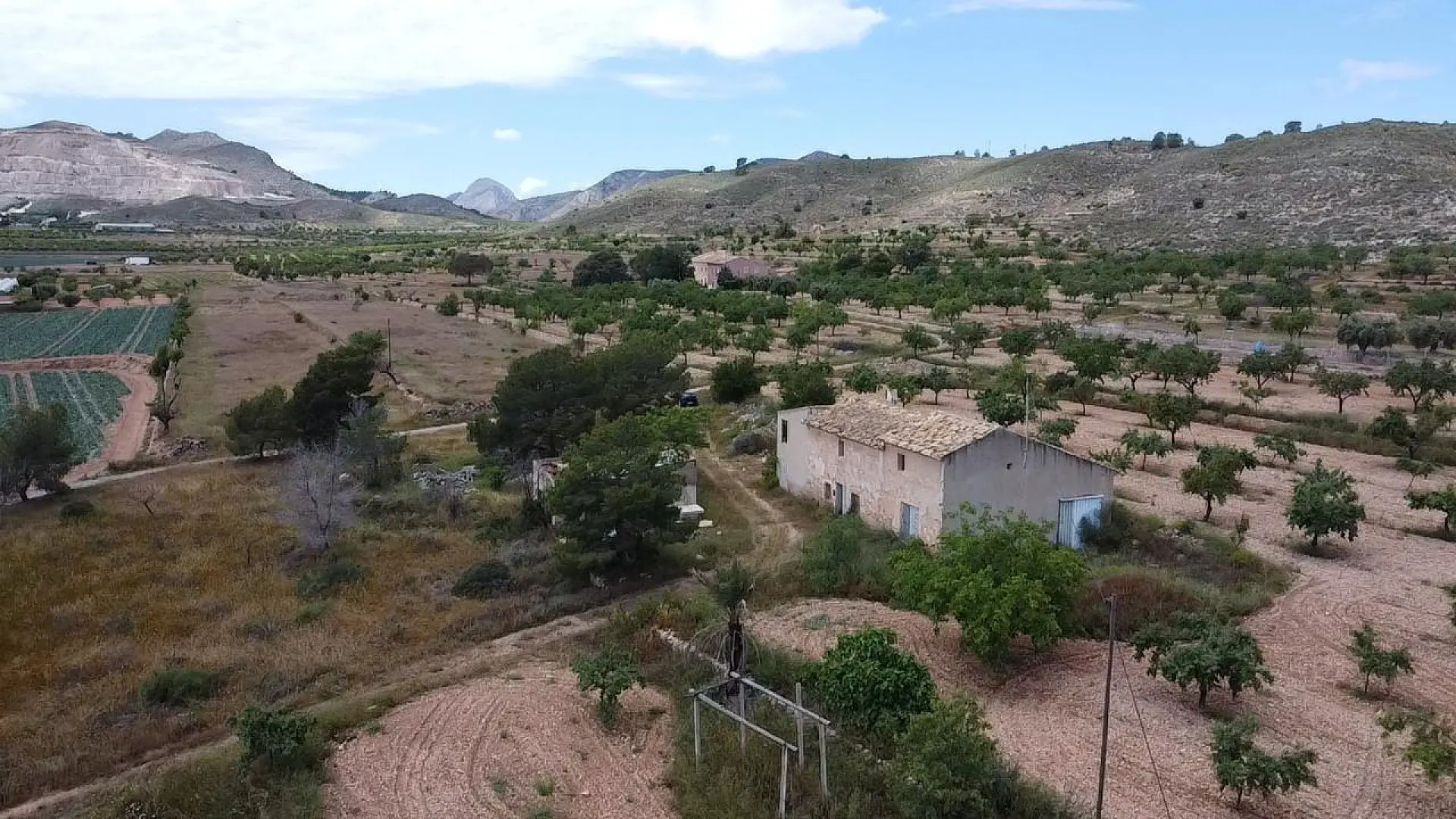
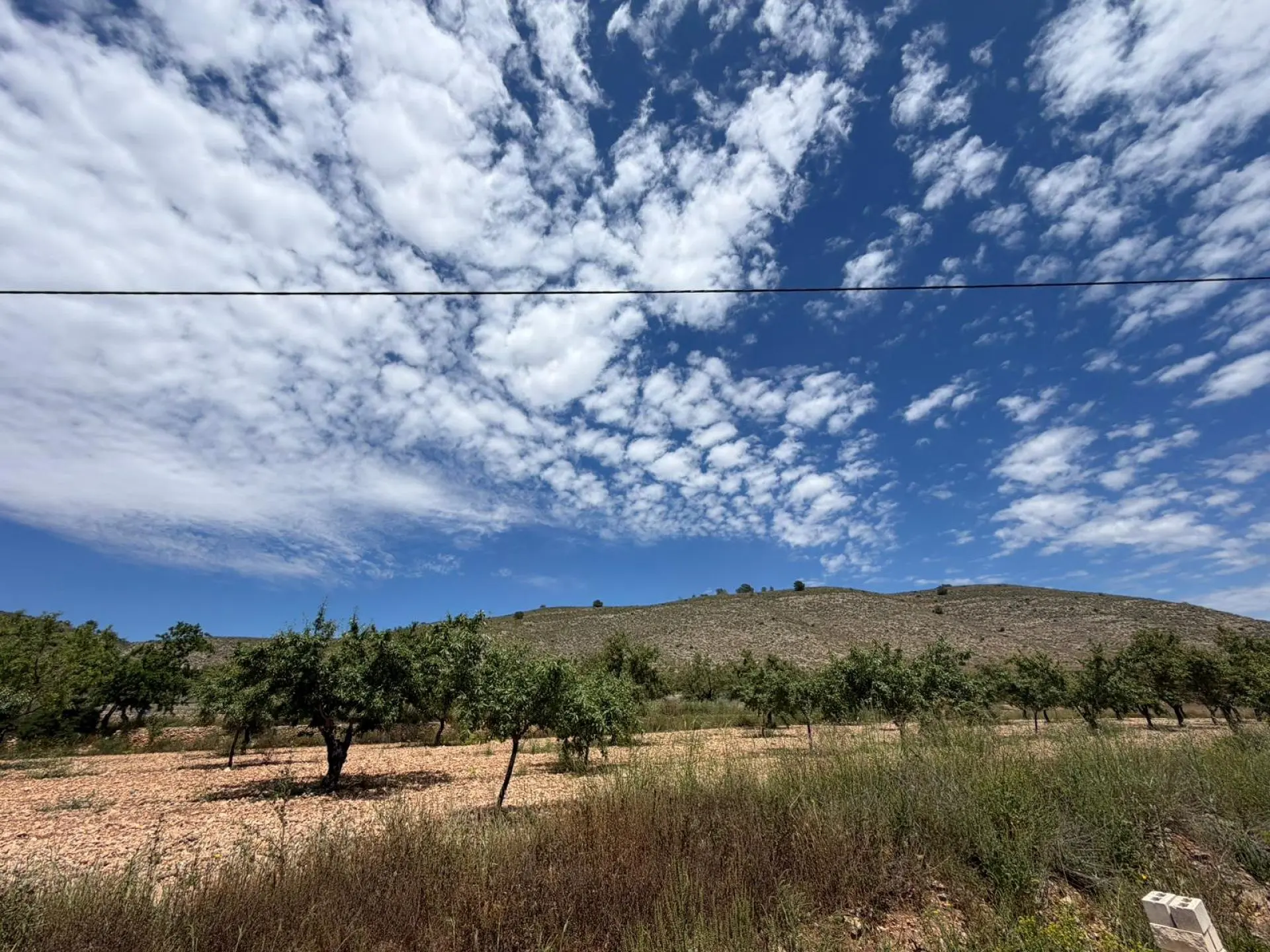
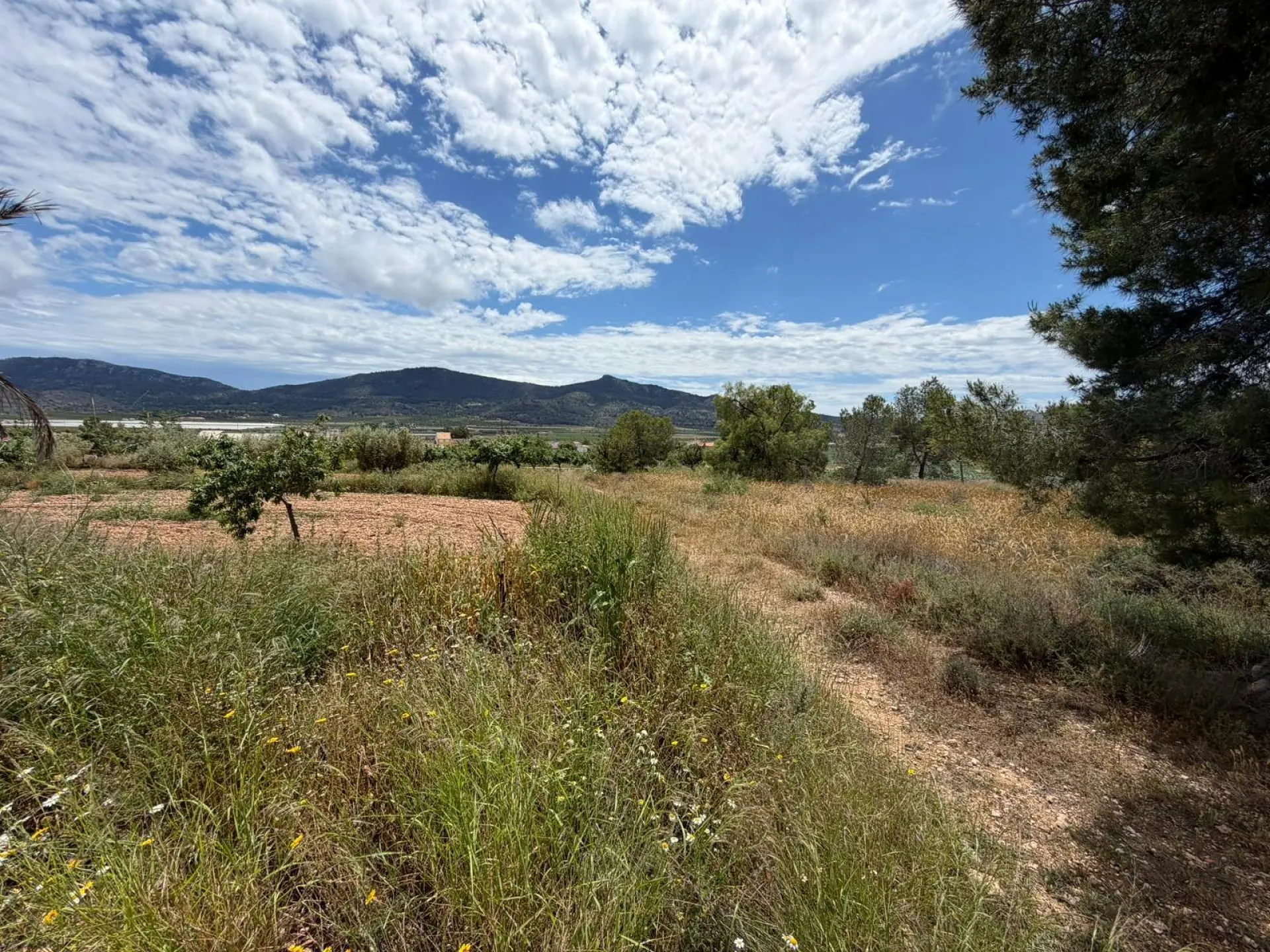
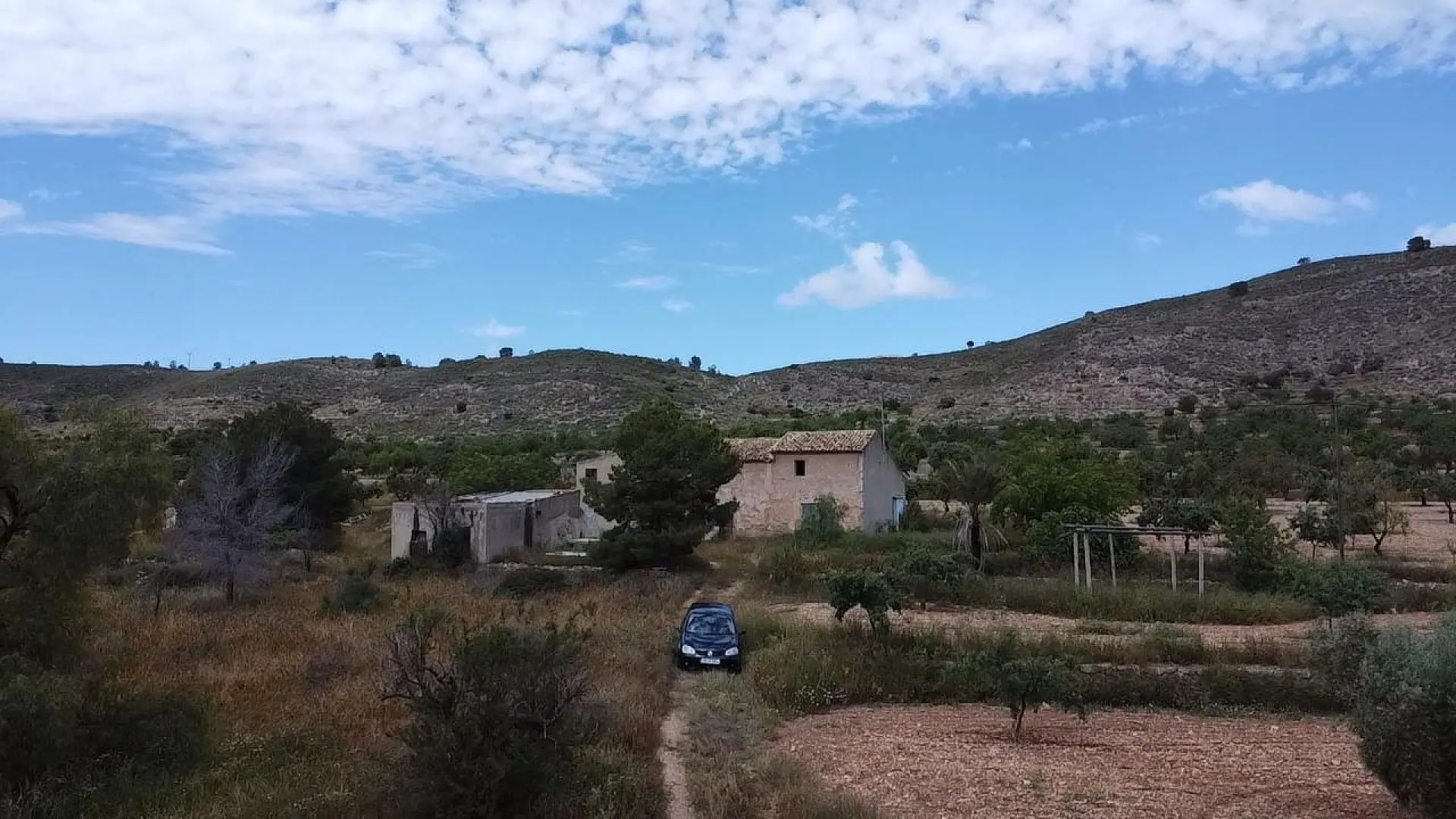
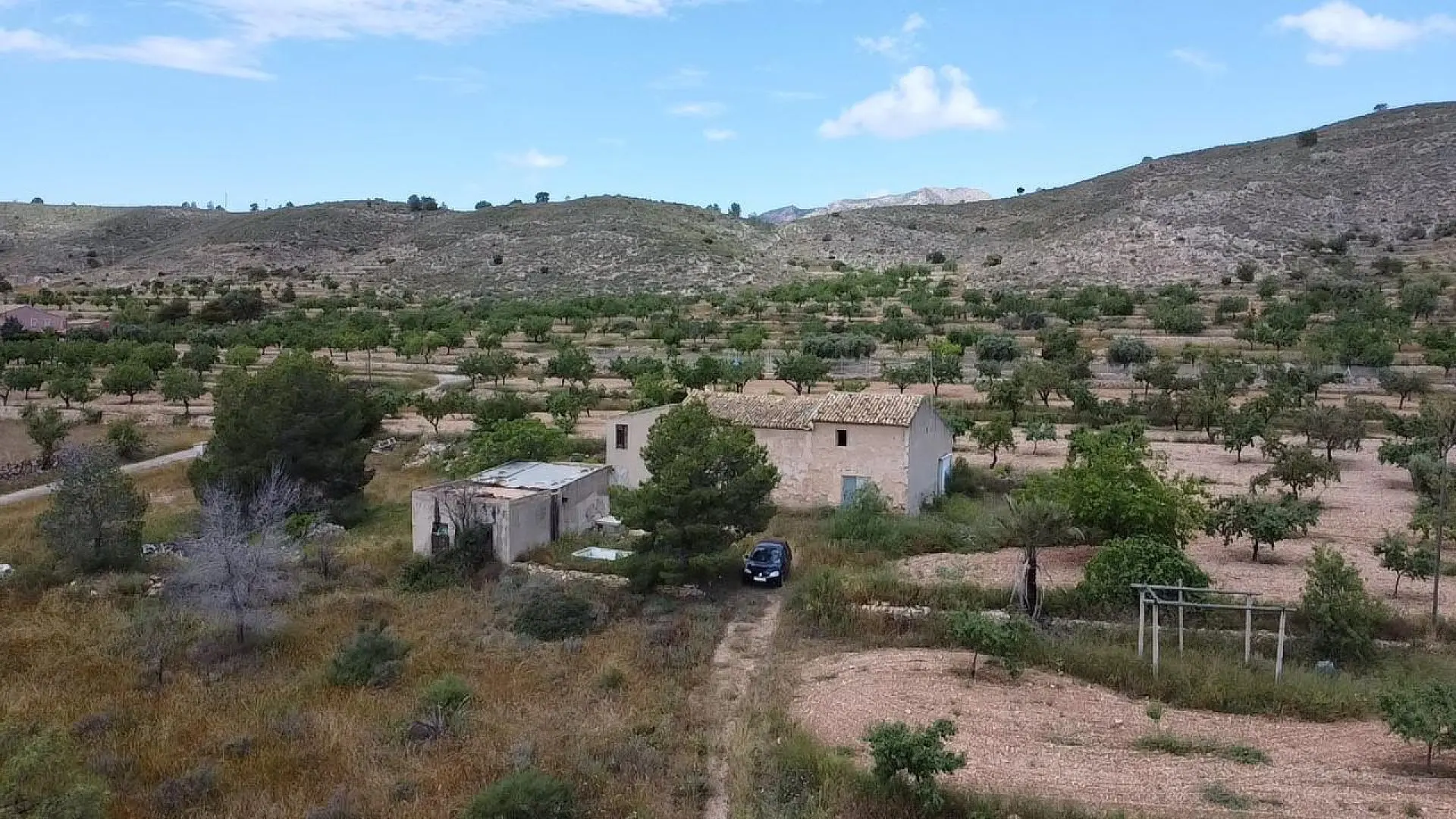
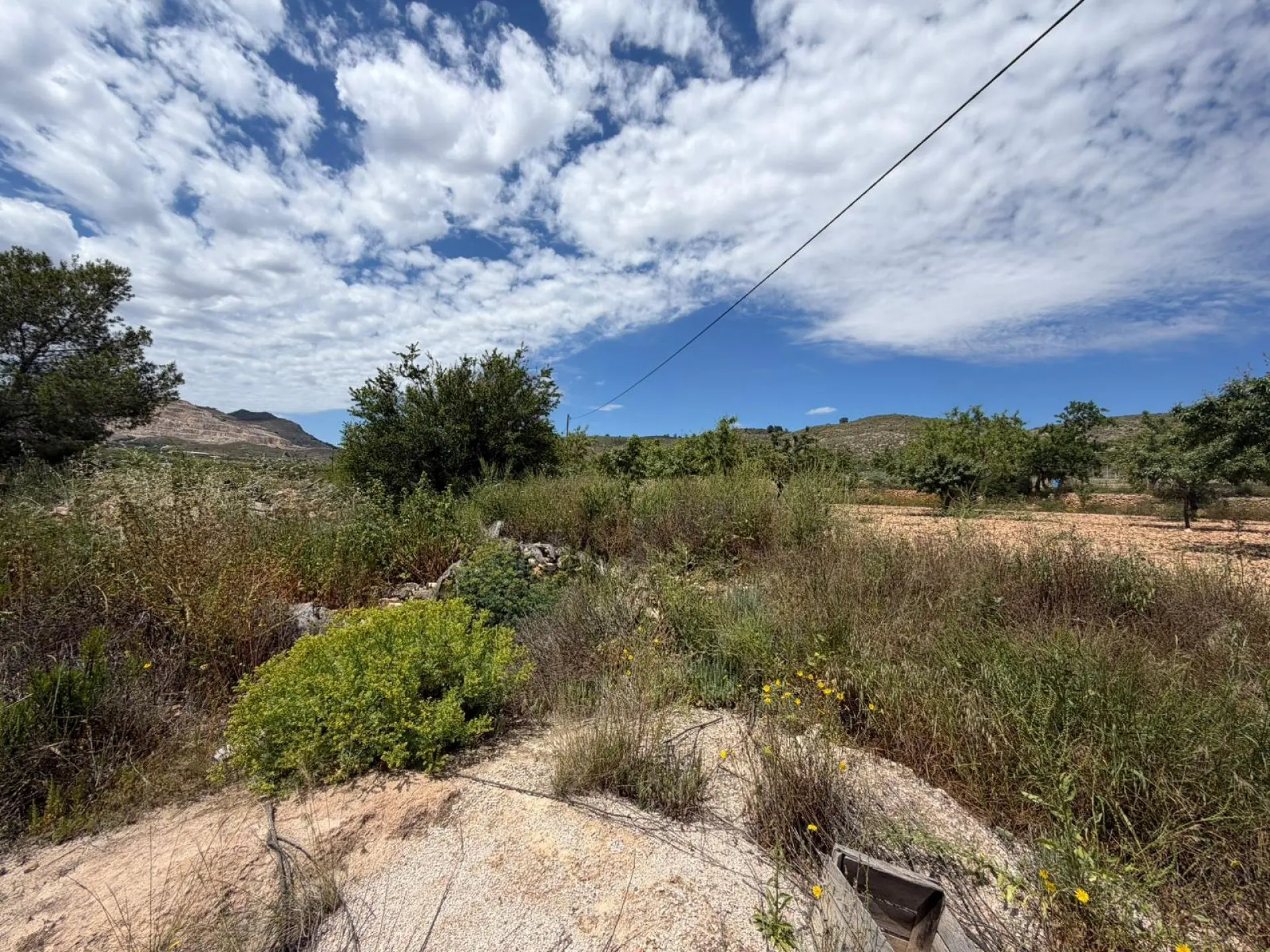
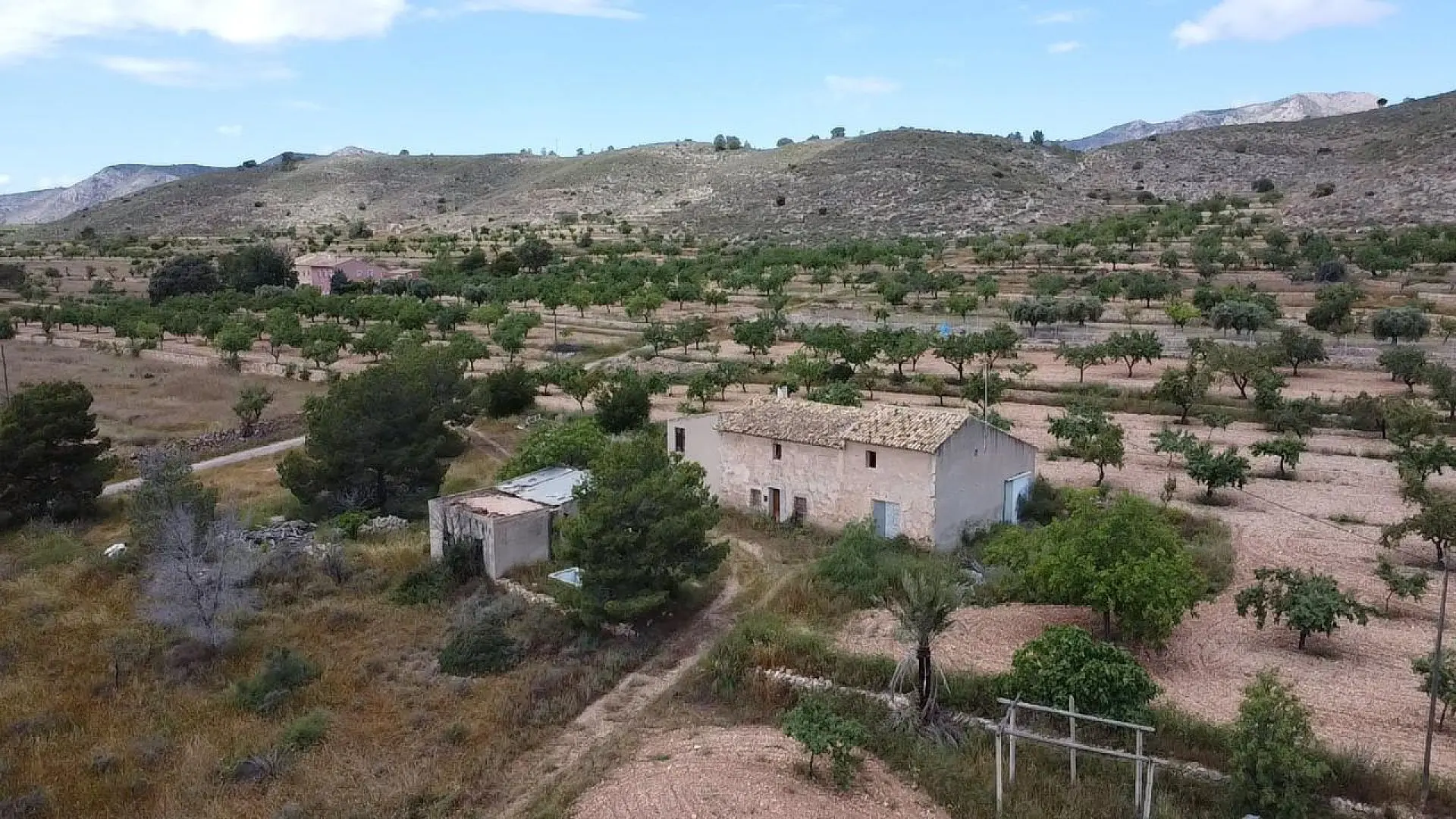
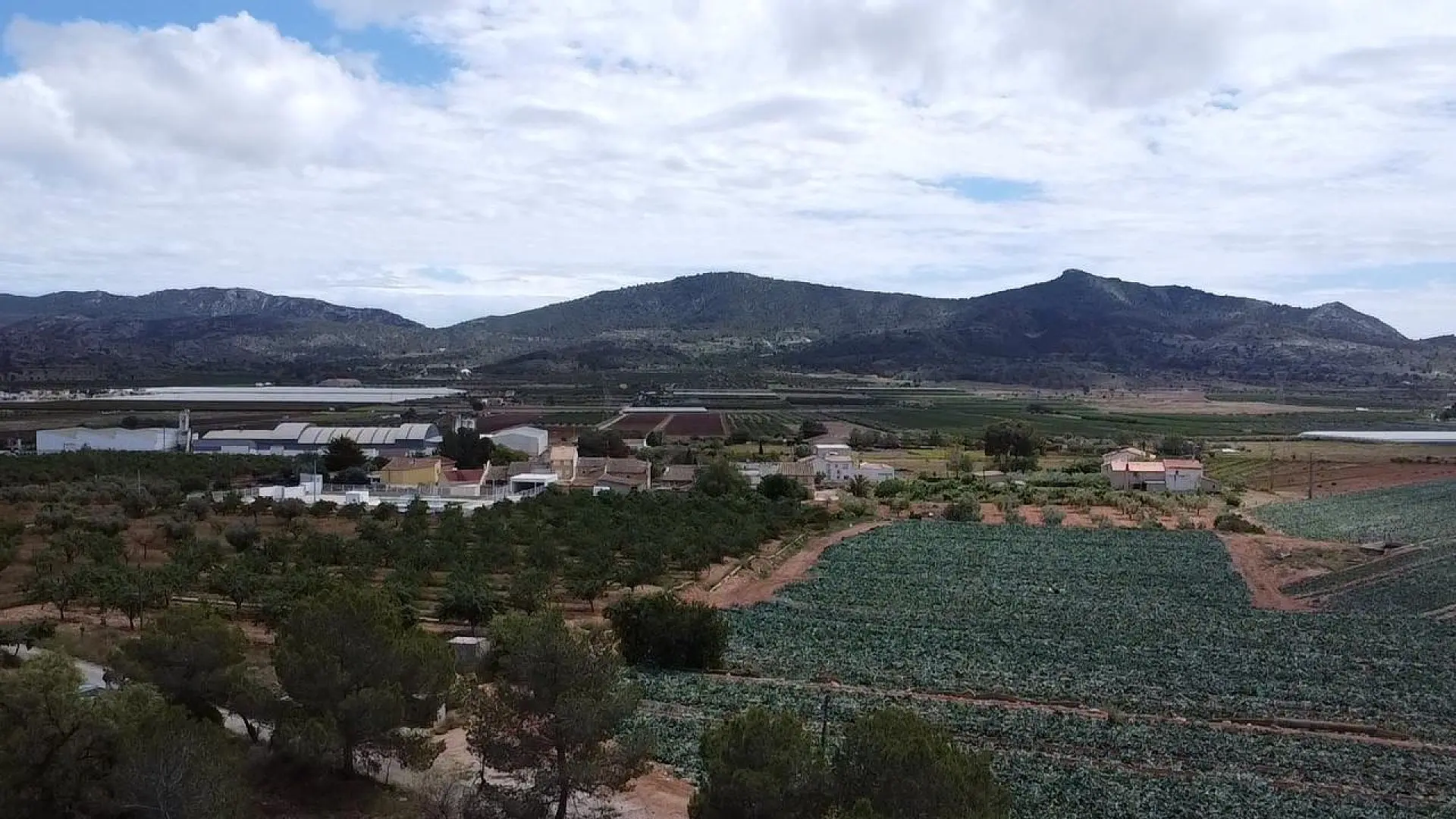
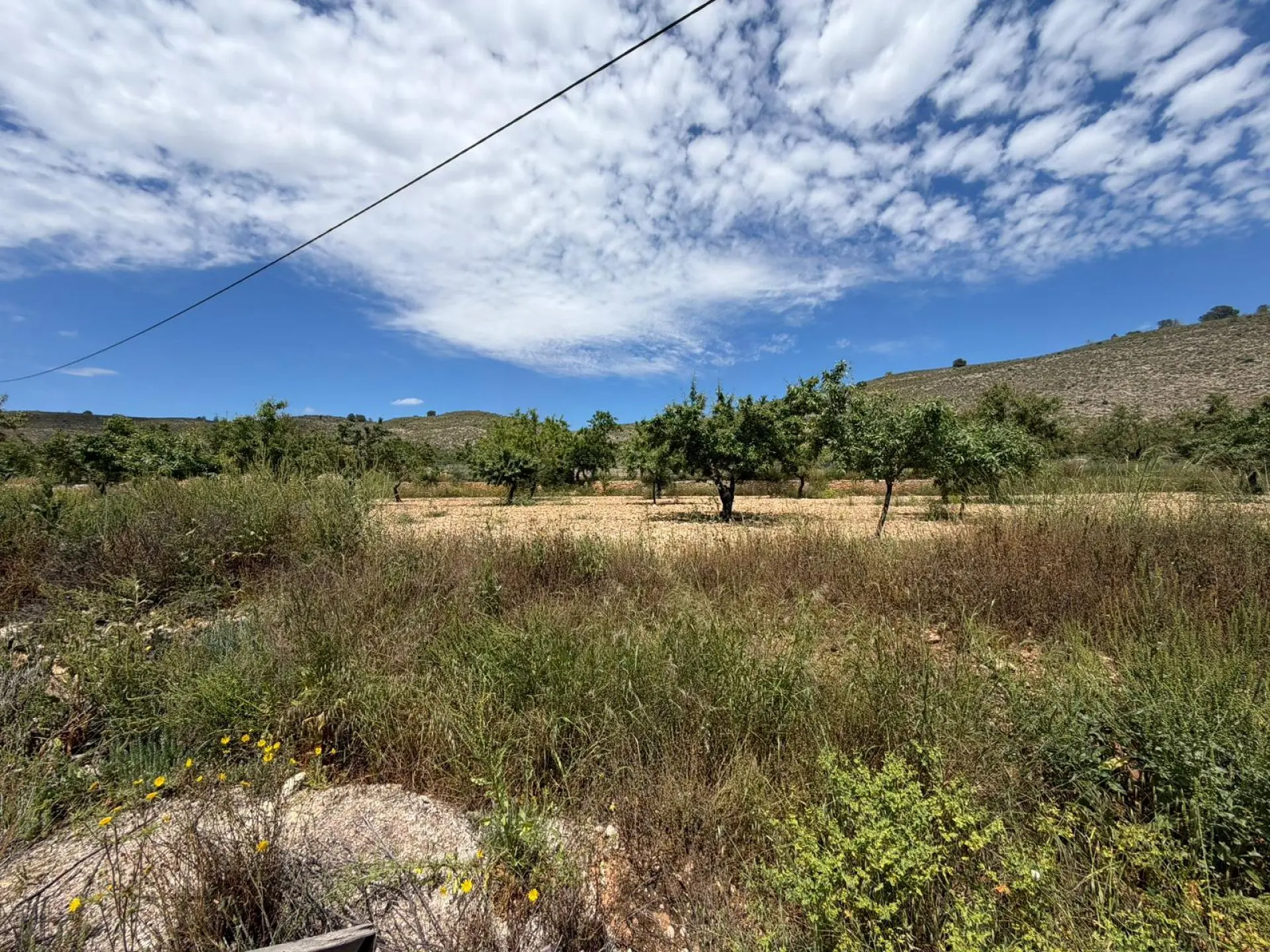
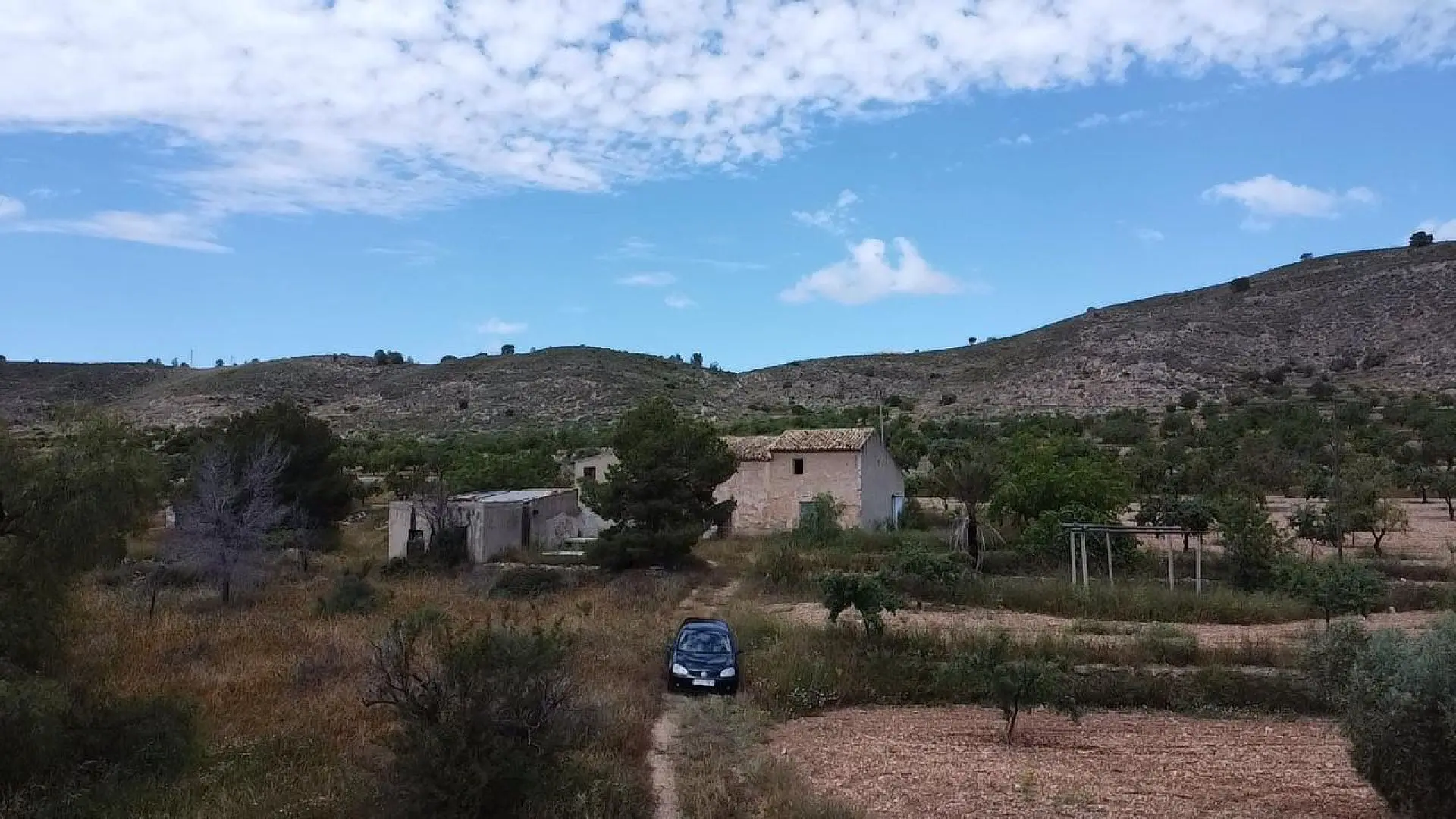
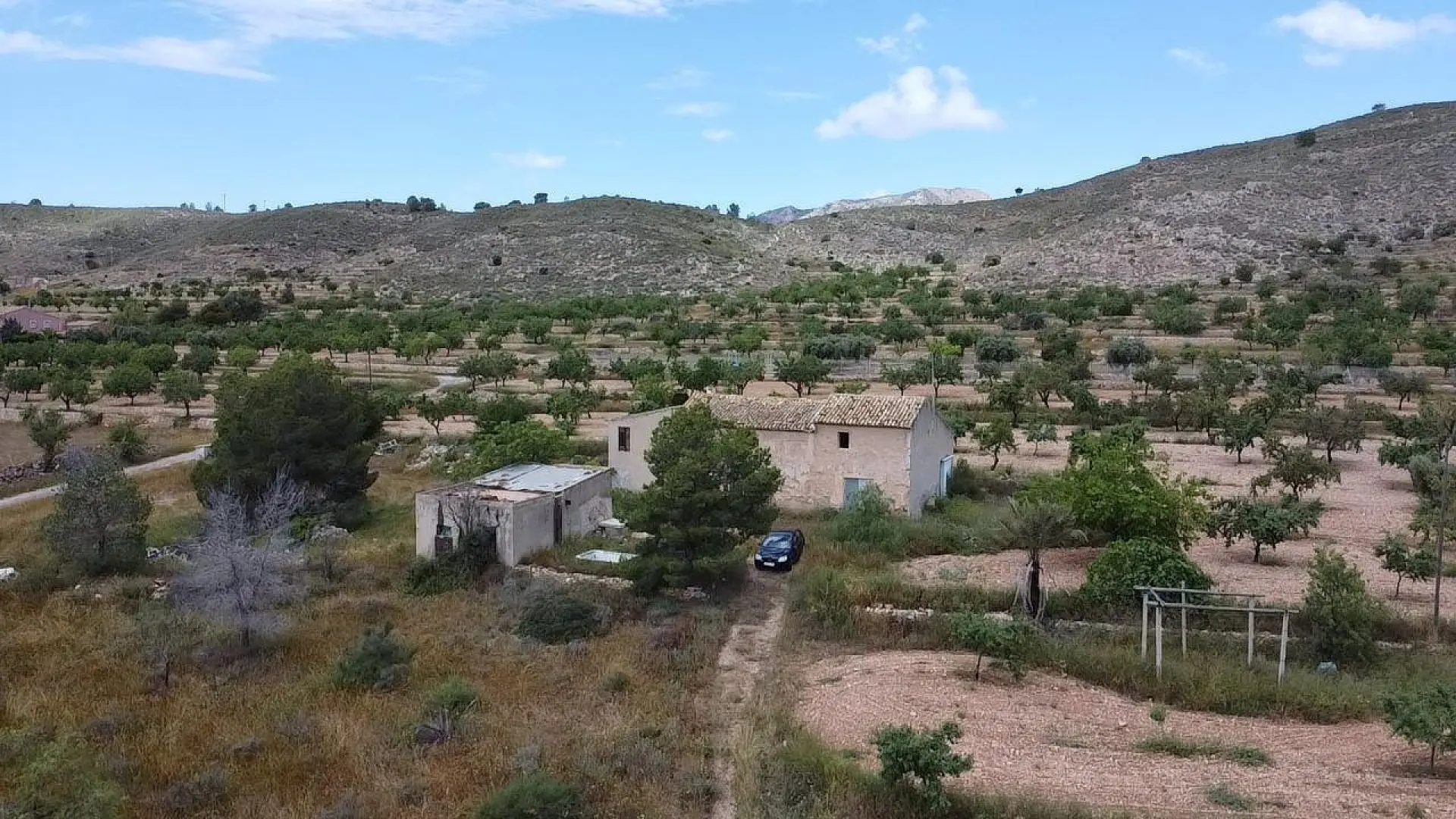
There’s an interesting prospect for someone looking to acquire and revitalize a country house situated in Hondón de las Nieves. This property comes with clear views of the surrounding mountains and offers a significant amount of potential for its future owner.
Unique Water Source and Renovation Possibilities
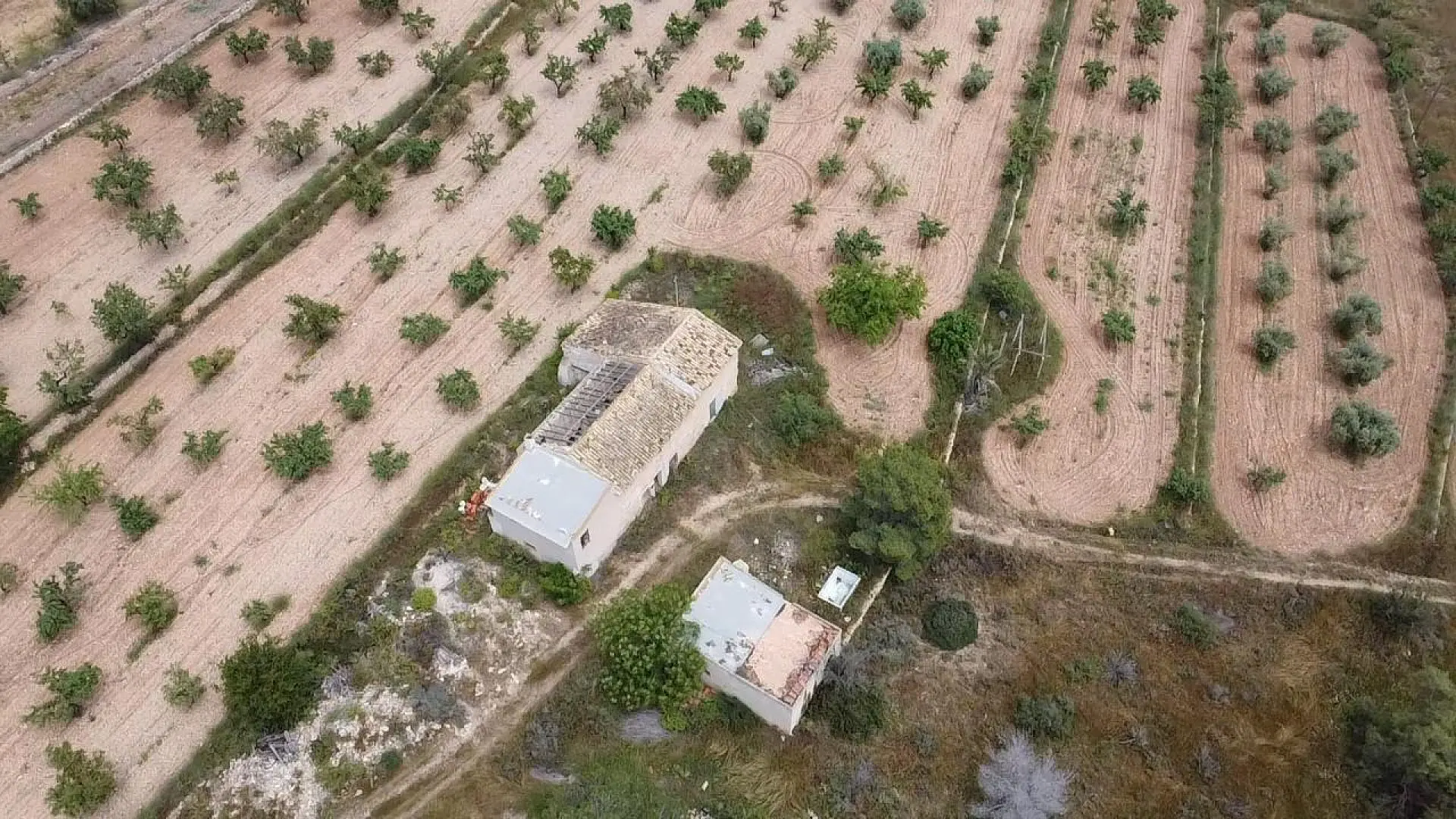
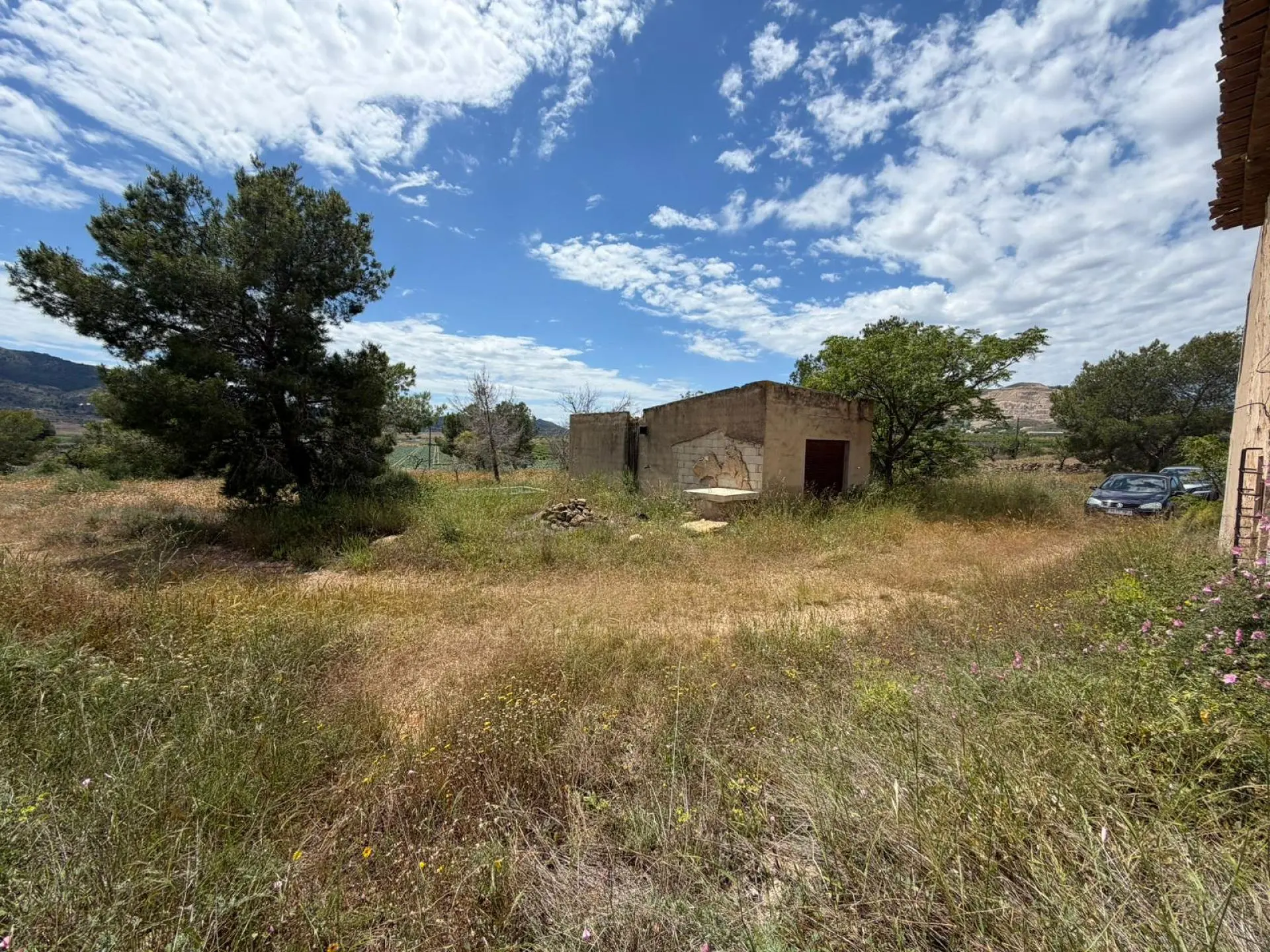
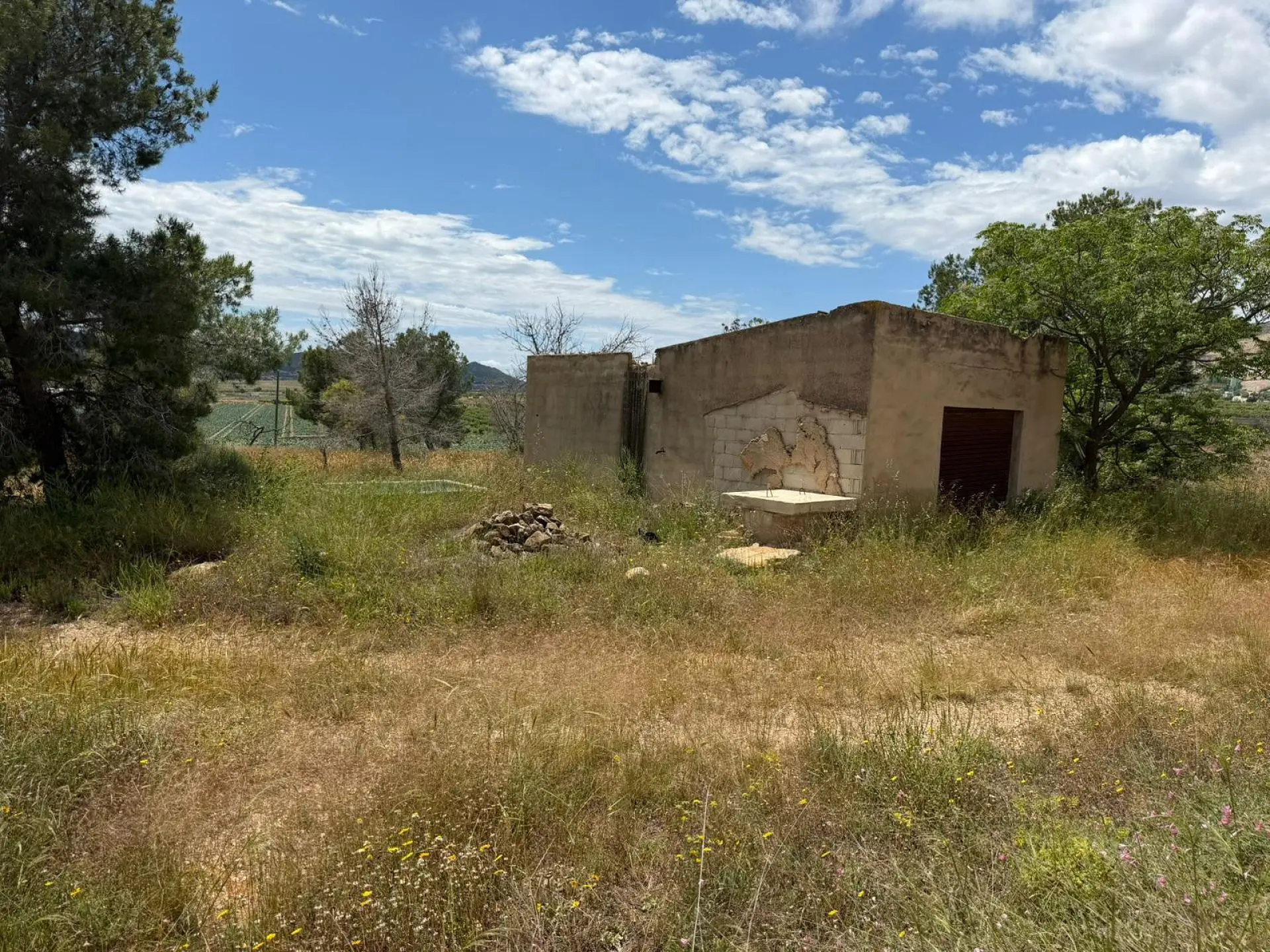
One of the notable features of this country residence is the presence of its own natural spring water well. This is quite a distinct asset to have on the property’s land. In addition to this natural source, there are also connections for both drinking water and agricultural water. The property presents substantial potential, and it could be adapted to serve as a quiet retreat or developed into a personal residence within the Hondón Valley, close to Hondón de las Nieves.
Features
Details
Updated on May 19, 2026 at 12:00 am- Property ID EU-3122587
- Price €199.995
- Property Size 190 m²
- Land Area 18000 m²
- Bedrooms 5
- Bathrooms 2
- Property Status For Sale
- Ref. number JESS2201
Address
Open on Google Maps- Address: Hondón de las Nieves, Alicante, Spain
- Country: Spain
Energy Class
- Energetic class: Ask Agent
- A+
- A
- B
- C
- D
- E
- F
- G
- H
Mortgage Estimation
Monthly
- Down Payment
- Loan Amount
- Monthly Mortgage Payment
- PMI
Similar Listings
1 hour ago

2 hours ago
2 hours ago
Detached Villa Of 116 M² In Ciudad Quesada – Lo Marabu, Spain
Ciudad Quesada - Lo Marabu, Alicante, Spain Details
2 hours ago
Disclaimer: Please note that this property listing is an automatically generated advertisement. The descriptions have been rewritten by our AI agent and should not be considered official property particulars. While European.realestate requires all advertisers to provide accurate information, we do not independently verify the details and cannot accept liability for any inaccuracies. Always contact the listing agent directly for the most accurate and up-to-date information about the property. We strongly recommend obtaining independent legal advice before proceeding with any property purchase.
Notice something incorrect? Help us improve by reporting any issues. You can let us know what you've found by clicking here: Report a problem.
Notice something incorrect? Help us improve by reporting any issues. You can let us know what you've found by clicking here: Report a problem.