


Discovering a Prime Plot in Kassandra, Chalkidiki
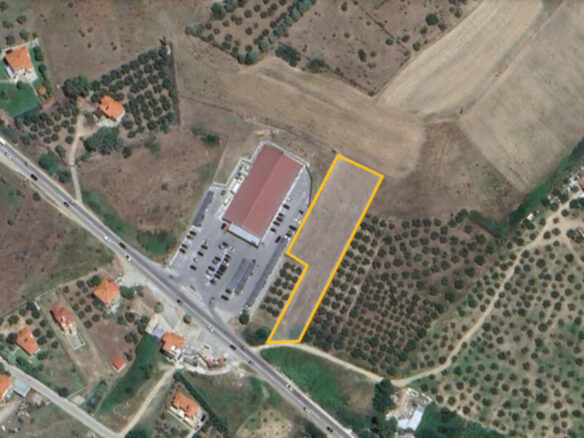
For those with a vision for development, a substantial plot of land spanning 5,100 square meters is available in the sought-after region of Kassandra, Chalkidiki. This parcel offers a compelling opportunity, complete with existing building permissions that allow for the construction of a 200-square-meter structure. This is a significant advantage for any potential buyer, as it streamlines the initial stages of any building project and provides a clear framework for what can be created on the site. The presence of these permissions means that the groundwork for development has already been laid, potentially saving considerable time and resources compared to acquiring land without such entitlements.
A Canvas with Expansive Views
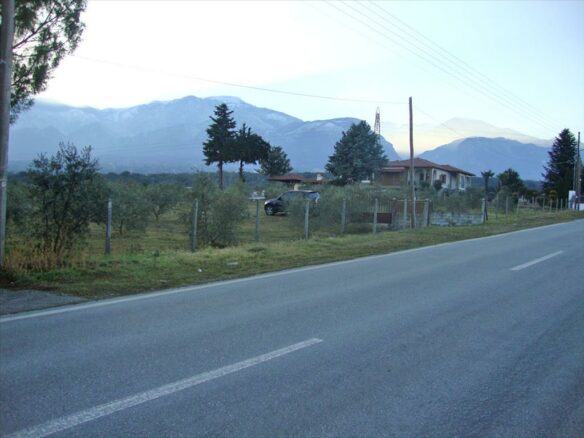
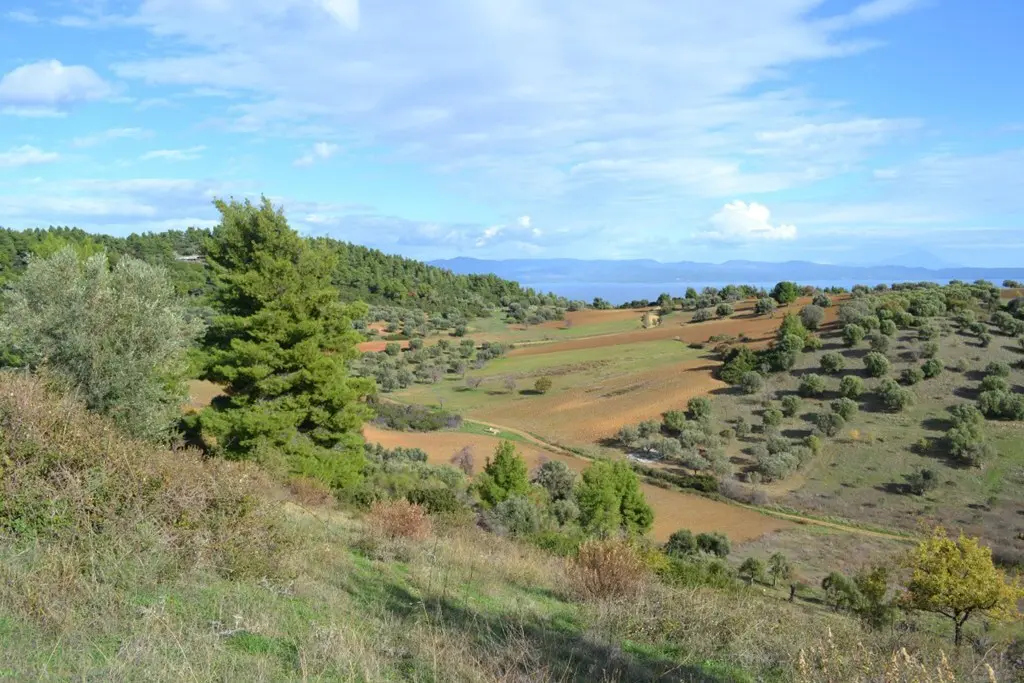
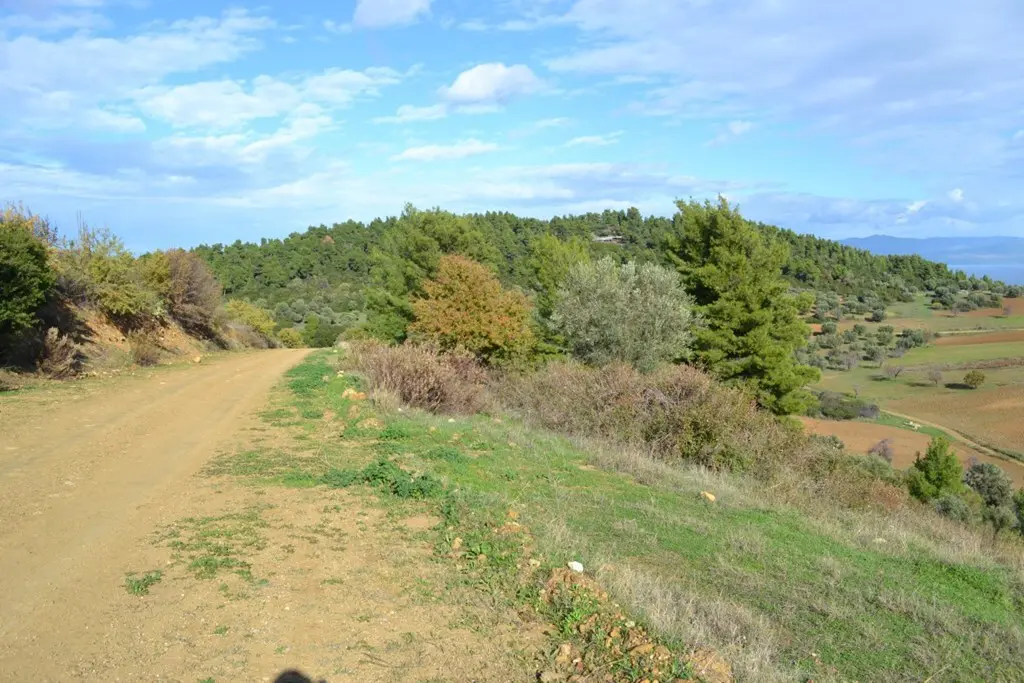
One of the defining characteristics of this property is its impressive vista. The land offers clear sightlines to the sea, providing a sense of openness and connection to the coastal environment that Chalkidiki is renowned for. This aspect can significantly influence the design and placement of any future building, allowing for the maximization of these natural advantages. Beyond the seascape, the plot also presents mountain views. This dual aspect—combining the allure of the sea with the rugged beauty of the hinterland—creates a diverse and engaging backdrop. Such varied scenery can be a key selling point for any property, adding a layer of desirability and distinguishing it from others with more limited outlooks. The topography of the land itself is also a factor to consider, and its configuration will play a role in how a building is integrated into the landscape.
Navigating the Purchase Process
It is important to note that all information pertaining to this property is sourced directly from the owner. As such, there is a possibility of typographical errors or adjustments to the price by the owner. Prospective buyers are advised to verify all details independently. The real estate market operates on the principle of transparency, and it is standard practice for property information to be provided by the seller. This ensures that the initial presentation reflects the owner’s understanding and documentation of the property. Any discrepancies that may arise are usually minor and can be clarified through further investigation and official documentation. The owner’s direct input is fundamental to the initial listing, setting the stage for subsequent due diligence.
In compliance with Law 4072/2012, viewing the property requires a formal process. Potential buyers must provide their identification details and tax number. These pieces of information will be documented in a demonstration agreement. This regulation is in place to ensure a structured and accountable approach to property viewings, safeguarding both the seller’s and the potential buyer’s interests. The requirement for identification and tax numbers is a standard procedure in many jurisdictions for significant transactions, including real estate. It helps to establish a clear record of who is viewing the property and ensures that all parties involved are acting in good faith. The demonstration agreement serves as a formal record of the viewing, outlining the terms under which it takes place.
Furthermore, it is important to understand that the location indicated on any map associated with this listing represents the general area of the property, not its precise spot. Map indications are often used for convenience and to provide a broad geographical context. The exact boundaries and positioning of the land would be detailed in official property surveys and legal documentation. This is a common practice in real estate listings to protect the privacy of the owner and to prevent unauthorized access to the property before a formal viewing is arranged. When considering a property based on a map, it is crucial to remember that this is an approximation and that a physical visit and examination of legal plans are necessary for a complete understanding of the site.
For any additional information or to initiate the viewing process, interested parties are encouraged to make contact. Engaging with the relevant parties is the next step in exploring this development prospect further. This usually involves communicating with the real estate agency or the owner directly to ask specific questions, schedule a visit, and obtain more detailed documentation. The initial contact is the gateway to uncovering all the relevant details that will inform a potential buyer’s decision.