


The rent challenge deadline is now one year
France has shortened the rent challenge deadline. Under Loi n° 2026-1072 du 21 novembre 2026 pour retrouver la confiance et l’équilibre dans les rapports locatifs, published in the Journal officiel n° 0273 of 22 November 2026, a tenant who thinks the base rent is too high now has one year to act, not three. The main changes apply from publication, so from 23 November 2026.
This matters to any agent who advises foreign buyers or landlords in France’s rental market. A tenant in a rent-controlled zone can still ask for a reduction, but the window is shorter, which narrows how long a landlord stays exposed to a base-rent challenge. The statute also extends the scheme itself by two years. Here is what that means in practice.
How the law reached the statute book in 2026
The text began as proposition de loi n° 2039, and the Assemblée nationale file tracks it step by step. The Sénat adopted it on 21 October 2026 (TA n° 14, 2026-2027). The Assemblée nationale then adopted the text as amended by the Sénat on 19 November 2026 (TA n° 368).
Promulgation followed on 21 November 2026, and publication the next day. For an agent, the text on Légifrance is the one to cite.
Article 140 of the ELAN law and the longer scheme
Article 1 of the statute amends article 140 of the ELAN law (loi n° 2018-1021 of 23 November 2018). In point I, first paragraph, the word “huit” becomes “dix”. The rent-control experiment now runs for ten years instead of eight, which extends the scheme by two years. The rent challenge deadline is the change that reaches tenants and landlords first, but the longer scheme is the one that sets the timetable.
For an agent with a French client, that is the quieter change but a useful one. A landlord weighing a purchase in an encadrement zone can no longer assume the scheme will wind down on the earlier timetable. The rent cap framework, with its reference rent and its majoration, stays part of the picture for longer. Build that into any yield calculation you share with a buyer.
If you’re following the wider context, our piece on France’s rental market crisis sets out why rent rules draw so much attention right now.
The one-year window for a base rent claim

Article 140, III, A, first paragraph, deals with the action to reduce the rent. This covers a base rent set above the reference rent plus the majoration. That claim is now time-barred after one year. The statute replaces the general three-year rule for this claim with the shorter period.
A tenant doesn’t need to have actually spotted the problem for time to run. The clock starts on the day the tenant knew, or should have known, the facts that give the right to act. That second limb is worth noting. If the facts were reasonably discoverable, the period can start.
Referring the dispute to the conciliation commission now has a suspensive effect until the commission’s opinion is received. So a tenant who goes to the commission first doesn’t lose time while waiting for its view. For a landlord, that means a dispute can stay alive longer than a bare one-year count suggests.
Old and new periods side by side in a table
The table below sets out the three changes in the statute.
| Claim | Period before | Period now | When it starts |
|---|---|---|---|
| Base rent above the reference rent | 3 years | 1 year | The day the tenant knew, or should have known, the facts giving the right to act |
| Complément de loyer | 3 months | 1 year | Not set out in the statute |
| Scheme’s term | 8 years | 10 years | Applies from publication, 23 November 2026 |
Note the direction of travel. For the base rent, the window gets shorter, which helps landlords. Meanwhile the complément de loyer window gets longer, which helps tenants. The two moves pull in different directions, so don’t describe the reform to a client as simply pro-landlord or pro-tenant.
The complément de loyer gets a longer window
Article 140, III, B, sixth paragraph, changes the words “de trois mois” to “d’un an”. Under the new text, the complément de loyer period goes from three months to one year.
A complément de loyer is the supplement a landlord can add on top of the reference rent for a property with unusual features. Under the old rule, a tenant had only three months to contest it. Today the period is a full year.
For a landlord, this means a supplement is exposed to challenge for much longer than before. If you advise on lease drafting, make sure any complément de loyer is well documented from day one. A supplement should be easy to justify if a tenant questions it months later.
What to check on a lease in an encadrement zone
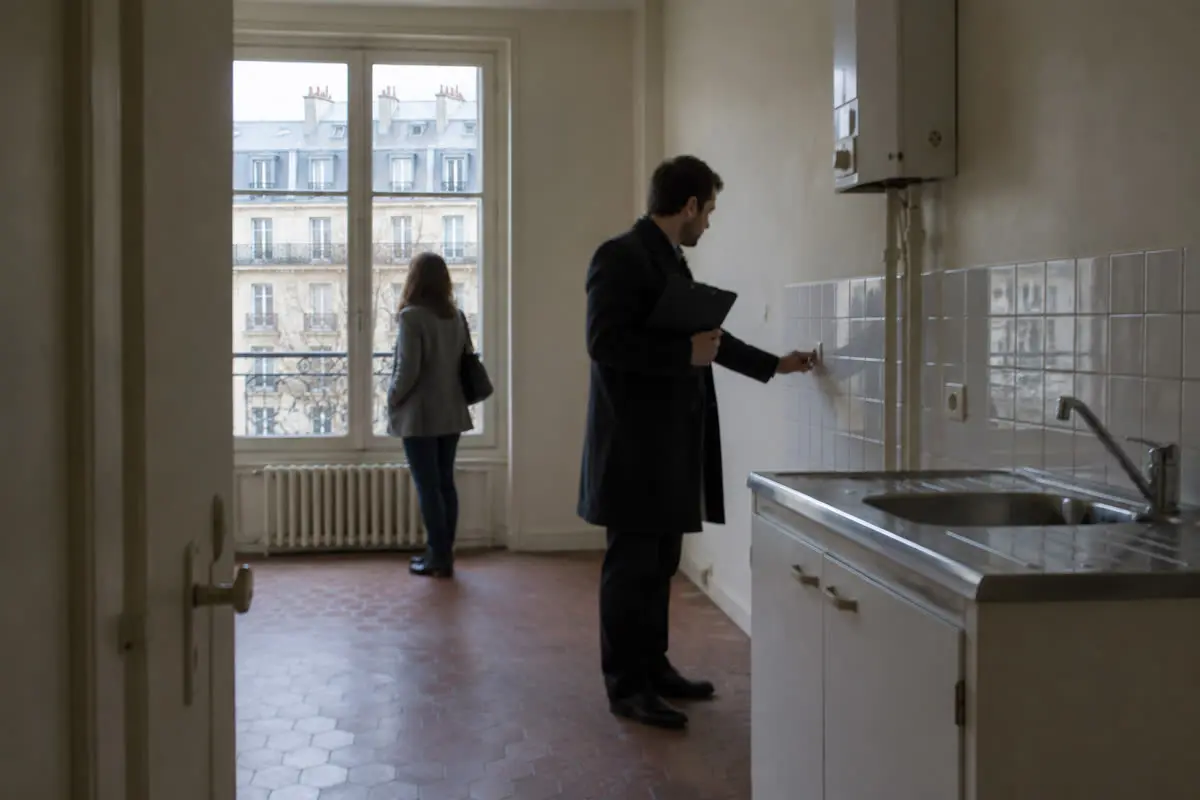
Since the statute applies from 23 November 2026, a quick review of each file is sensible. Here are the checks an agent can run, whether the client is a tenant or a landlord.
- Confirm the lease falls in an encadrement zone and note the date it was signed.
- Compare the base rent with the reference rent plus the majoration, and record the result.
- Check whether the lease includes a complément de loyer, and whether its justification is written down.
- Note the date the tenant first received the facts that could support a challenge.
- Record any referral to the conciliation commission and the date its opinion arrived.
- Keep a dated file of all of the above, since the one-year count can turn on when the tenant knew or should have known.
These steps cost little and they give both sides a clear paper trail if a dispute starts.
Three points the statute leaves open for now
The text contains no transitional clause for claims already running. It also doesn’t say in the same words whether a claim to recover sums overpaid follows the one-year period or the general one. These are limits of the text, and we won’t try to settle them here. Three questions remain open:
- Claims already running. The statute has no transitional clause, so it is open how the new one-year period treats a claim that began before 23 November 2026.
- Repayment claims. It is open whether a claim to recover sums overpaid follows the one-year rule or the general rule, because the text doesn’t say.
- Leases signed earlier. It is open what the one-year period means for a lease signed before 23 November 2026, since the statute doesn’t address it directly.
Until courts or further guidance speak to these points, treat them as unsettled and say so to clients.
What to tell a client about the new deadline
Start with the dates. The main changes apply from 23 November 2026. One provision in article 1, a change to the IV exemption, starts later, on 1 January 2027. Tell landlords that the one-year window on base rent claims is shorter than before, and tell tenants it is the number to watch. Tell both that the complément de loyer can now be contested for a year.
Then be honest about the gaps. The statute doesn’t resolve how running claims are treated or how repayment claims are timed, so avoid promising outcomes on either. Keep records, document the reasoning behind any supplement, and flag the open points early. For wider background, see our overview of France property tax changes and our look at Europe’s housing crisis and the tenant movement. These changes arrive against a backdrop of strain in the wider housing crisis, and agents who read the text closely will serve their clients better.
Frequently asked questions about the new deadline
How long does a tenant now have to challenge a base rent?
One year. Time runs from the day the tenant knew, or should have known, the facts that give the right to act. It replaces the general three-year rule for this specific claim.
Does the new rule apply to a complément de loyer too?
Yes, but in the other direction. Tenants get longer: the period to contest a complément de loyer moves from three months to one year. The change comes from article 140, III, B, sixth paragraph.
Does the statute say what happens to claims already running?
No. The text has no transitional clause for claims already running, and it doesn’t say whether a claim to recover sums overpaid follows the one-year period or the general one. Agents should flag both as open points rather than predict an answer.