

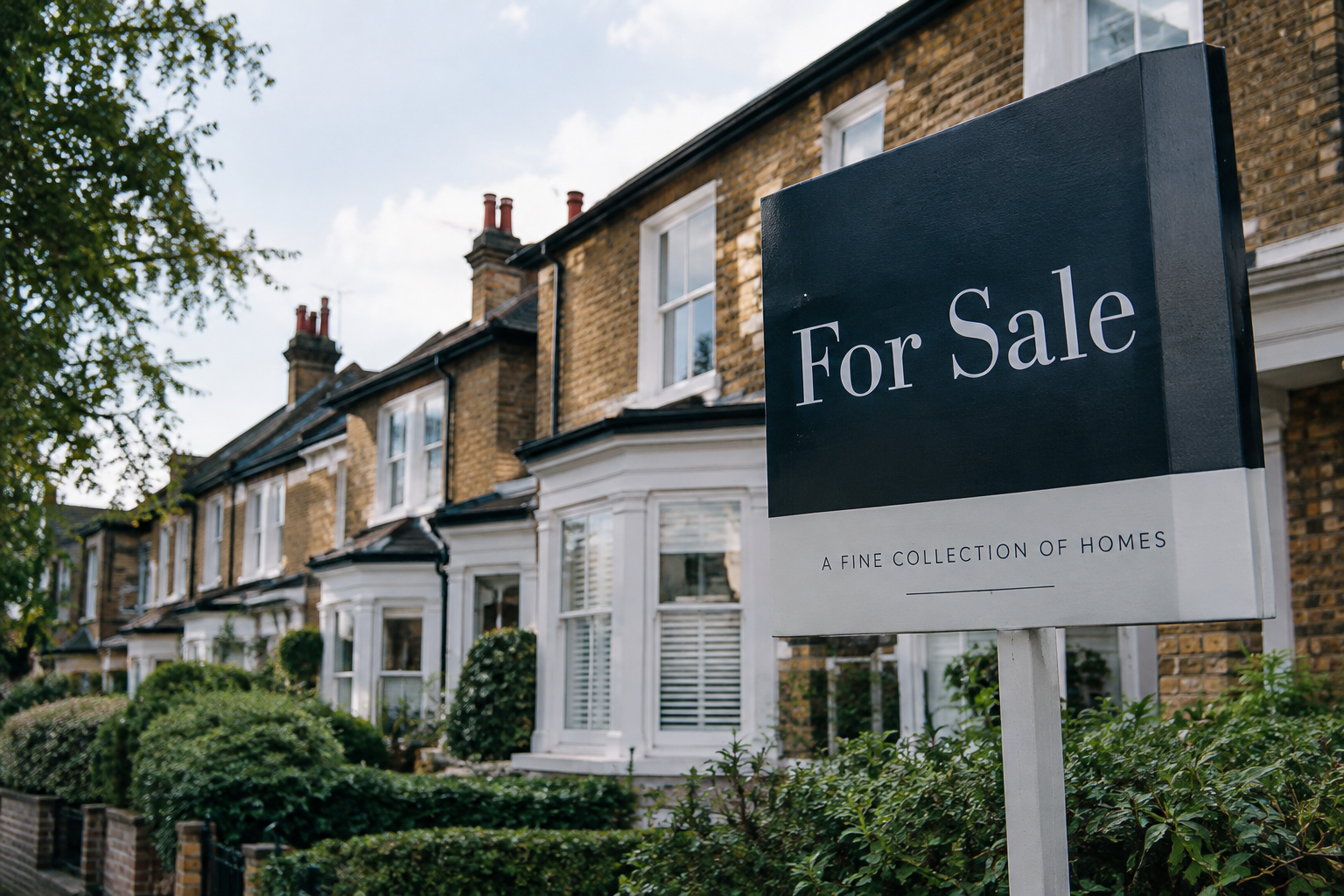
UK Housing Market Forecast 2026-2028: What Buyers and Sellers Need to Know
The UK property market has weathered significant turbulence over the past few years, from soaring interest rates to shifting buyer sentiment. As we look toward 2026 through 2028, homeowners, investors, and first-time buyers alike are asking the same question: where is the market headed next? Understanding these trends isn’t just useful, it’s essential for anyone planning a move, refinancing a mortgage, or investing in property.
This forecast breaks down what’s currently happening in the UK housing sector, projects where prices are likely to go over the next three years, examines how mortgage rates will shape buying decisions, and highlights the regions poised for the strongest growth. Whether you’re a seasoned investor or a first-time buyer trying to time your purchase, this guide offers the clarity you need.
Current State of the UK Housing Market in 2025
As of 2025, the UK housing market sits in a period of cautious stabilisation following years of volatility. According to data from Halifax, average house prices have shown modest growth of around 2-3% annually, a stark contrast to the double-digit surges seen during the pandemic boom. The Nationwide Building Society has similarly reported that affordability remains a pressing concern, with the average first-time buyer now spending roughly 30% of their take-home pay on mortgage repayments, well above historical norms.
Transaction volumes have also cooled compared to previous years, as many prospective buyers adopt a wait-and-see approach amid economic uncertainty. The Bank of England’s base rate, which peaked at 5.25% before gradually easing, continues to influence lending conditions and buyer confidence. Meanwhile, supply constraints persist in many urban centres, particularly London and the South East, keeping prices relatively resilient even as demand softens. This mixed picture, part correction, part resilience, sets the stage for the years ahead.
Home Price Predictions for 2026 Through 2028
Looking ahead, most housing market analysts anticipate a gradual return to steady, sustainable growth rather than the erratic swings of recent years. Forecasts suggest average UK house prices will rise by approximately 3-4% in 2026, followed by slightly stronger growth of 4-5% in both 2027 and 2028, as borrowing costs stabilise and consumer confidence rebuilds. This trajectory would bring cumulative growth of roughly 12-15% over the three-year period, a healthy but not runaway pace that should ease fears of another housing bubble.
Several factors underpin these projections:
- Population growth and household formation continuing to outstrip new housing supply, particularly in city centres and commuter towns
- Wage growth gradually catching up with inflation, improving affordability metrics
- Government housing initiatives, including planning reforms aimed at boosting new-build construction
- Institutional investment in build-to-rent and affordable housing schemes adding to overall market liquidity
| Year | Projected Price Growth | Key Drivers |
|---|---|---|
| 2026 | 3-4% | Rate stabilisation, pent-up demand |
| 2027 | 4-5% | Wage growth, supply constraints |
| 2028 | 4-5% | Continued urbanisation, investment inflows |
It’s worth noting that these figures represent national averages, and regional variation will be significant, a topic we’ll explore in more detail further down.
Mortgage Rates and Their Impact on Buyers
Mortgage rates remain arguably the single biggest factor shaping buyer behaviour heading into 2026 and beyond. After the sharp rate hikes of 2022-2023, which pushed many two-year fixed deals above 6%, rates have since retreated to more manageable levels. Industry experts anticipate that by 2026, average two-year fixed mortgage rates could settle between 3.5% and 4.5%, assuming the Bank of England continues its gradual easing cycle in response to cooling inflation.
This shift has several practical implications for buyers:
- Improved affordability: Lower rates mean reduced monthly repayments, expanding the pool of eligible buyers
- Increased competition: As borrowing becomes cheaper, more buyers re-enter the market, potentially driving up demand in popular areas
- Refinancing opportunities: Homeowners who locked in high rates during 2022-2023 may find significant savings when their fixed terms expire
- Lender flexibility: Banks and building societies are likely to introduce more competitive products, including longer-term fixes and higher loan-to-value options
That said, buyers shouldn’t expect a return to the ultra-low rates of the 2010s. The Office for Budget Responsibility has consistently projected that rates will stabilise at a “new normal” somewhat higher than the pre-2022 era, meaning affordability, while improved, will still require careful financial planning. First-time buyers in particular should factor in stress-testing their finances against potential rate fluctuations, even as the overall trend points toward more favourable borrowing conditions through 2028.
Regional Hotspots to Watch Over the Next Years
While national averages provide a useful benchmark, the real opportunities (and risks) lie in regional variation. Northern England, particularly cities like Manchester, Leeds, and Liverpool, continues to outperform the national average thanks to relative affordability, strong rental yields, and ongoing infrastructure investment tied to the broader “levelling up” agenda. Manchester alone has seen sustained double-digit price growth in recent years, driven by a thriving tech and creative sector alongside major regeneration projects.
Here’s a snapshot of regions expected to see above-average growth through 2028:
| Region | Expected Growth (2026-2028) | Key Appeal |
|---|---|---|
| North West England | 15-18% | Affordability, rental demand |
| West Midlands | 12-15% | HS2 connectivity, job growth |
| Yorkshire & Humber | 12-14% | Value for money, urban regeneration |
| South West England | 10-13% | Lifestyle appeal, remote work trends |
| Scotland (Edinburgh/Glasgow) | 10-12% | Strong rental market, relative affordability |
London and the South East, by contrast, are likely to see more modest growth in percentage terms, though from a much higher price base. Affordability challenges in the capital continue to push both buyers and renters toward outer boroughs and commuter towns, a trend that’s likely to persist as hybrid working arrangements remain common. For investors specifically, areas with strong transport links, ongoing regeneration, and university populations, such as Sheffield, Nottingham, and parts of Wales, offer compelling opportunities for both capital growth and rental yield over the coming years.
In Short
The UK housing market heading into 2026-2028 tells a story of cautious optimism. After several turbulent years marked by rate hikes and affordability strain, the outlook points toward steadier, more sustainable growth, roughly 3-5% annually at the national level, supported by easing mortgage rates and persistent supply shortages. Regional markets, particularly across Northern England and the Midlands, are set to outperform, offering attractive opportunities for both homeowners and investors.
That said, affordability challenges haven’t disappeared entirely, and buyers should approach the market with realistic expectations and solid financial planning. Whether you’re purchasing your first home, upsizing, or building a property portfolio, staying informed about regional trends and mortgage conditions will be key to making sound decisions over the next three years.
Frequently Asked Questions
Will UK house prices go up or down in 2026?
Most forecasts point to modest growth of around 3-4% in 2026, as mortgage rates ease and buyer confidence gradually returns, though this will vary significantly by region.
Is now a good time to buy a house in the UK?
With mortgage rates trending downward and price growth expected to remain moderate rather than explosive, many analysts suggest 2026 could offer a favourable window for buyers, particularly those who’ve been waiting on the sidelines.
Which UK cities will see the biggest house price growth by 2028?
Manchester, Leeds, and Birmingham are widely tipped to outperform the national average, driven by affordability, infrastructure investment, and strong rental demand.
How much will mortgage rates fall by 2026?
Average two-year fixed rates are expected to settle between 3.5% and 4.5% by 2026, though this depends heavily on Bank of England policy decisions and broader economic conditions.
Should first-time buyers wait until 2027 or 2028 to purchase?
Waiting carries its own risks, including potential price increases and continued rental costs. Many experts suggest that if finances allow, entering the market sooner rather than later, particularly while rates are trending favourably, can be advantageous.



Join The Discussion