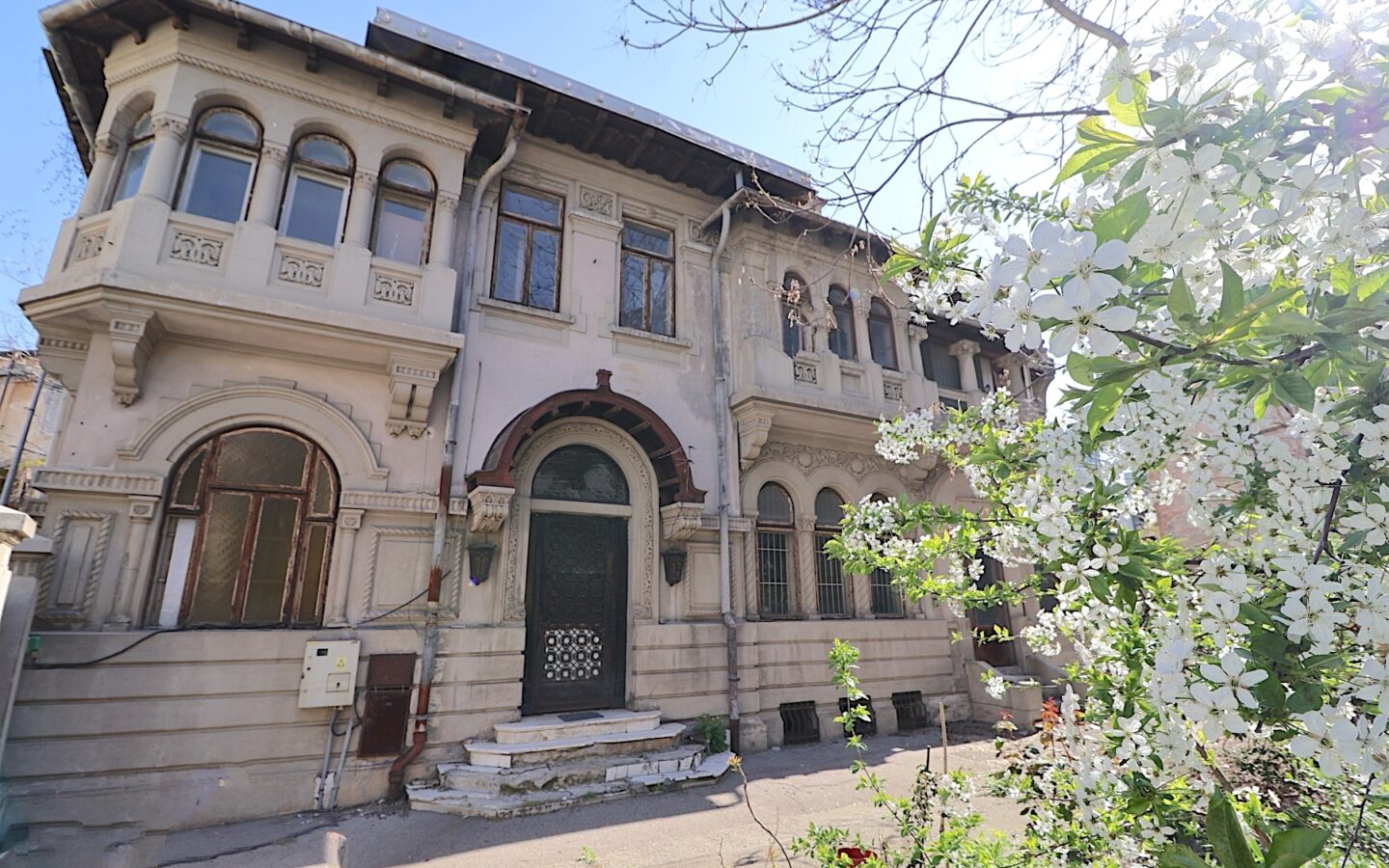
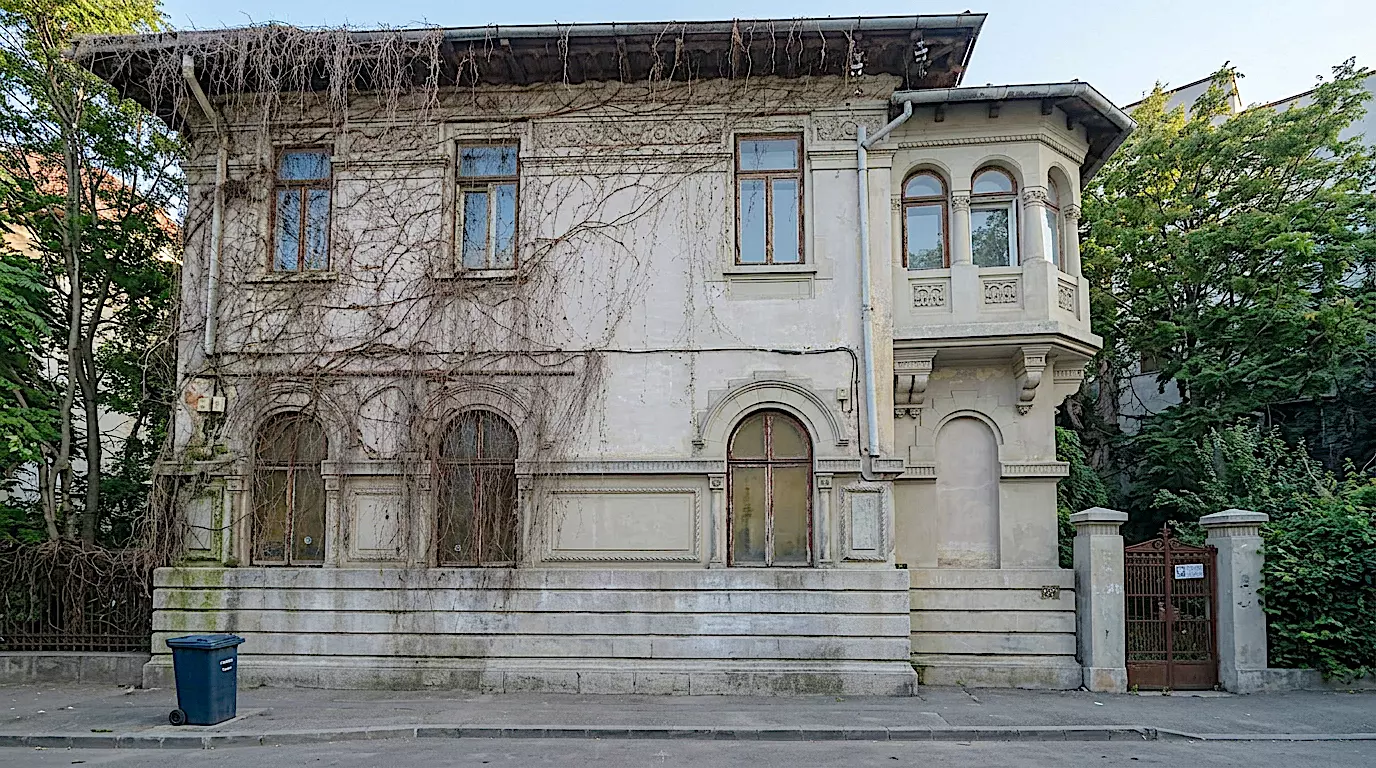
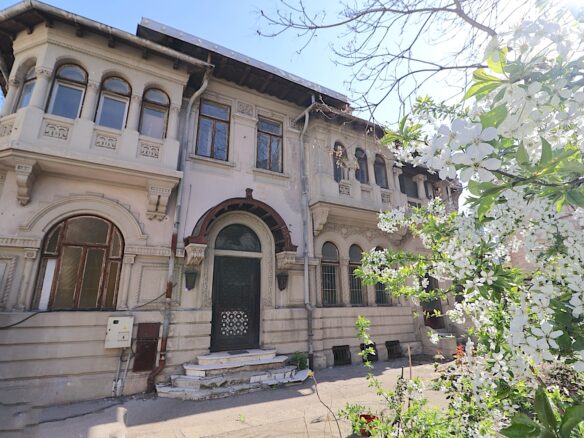
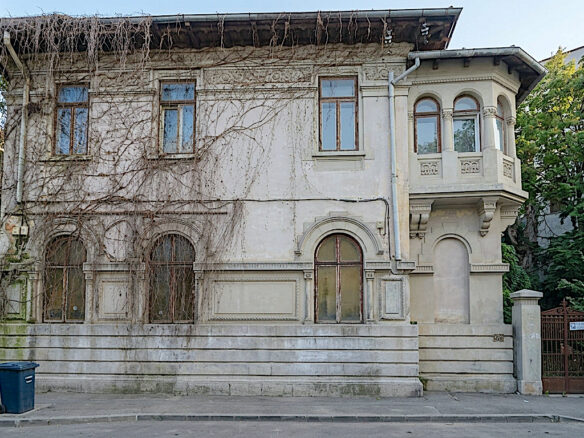
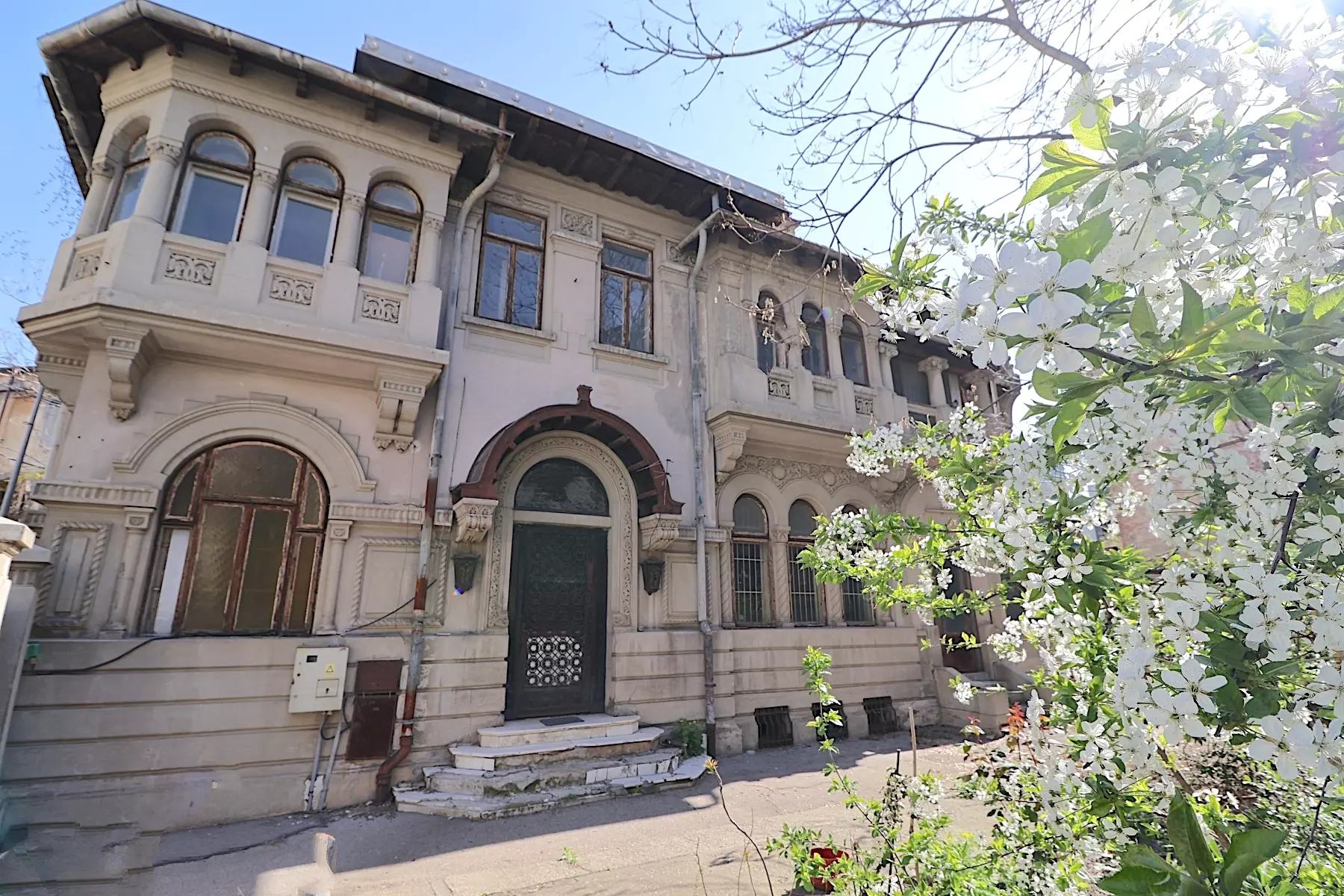
Imagine stepping back in time to an era when architectural design was a grand affair. Nestled in a neighborhood that once housed the elite of the interwar period, not far from Rosetti Square and the bustling university area, stands a historical villa that’s a testament to a bygone architectural movement. This isn’t just any building; it’s a structure with a special architectural value, built at the dawn of the 20th century in the neo-Romanian style.
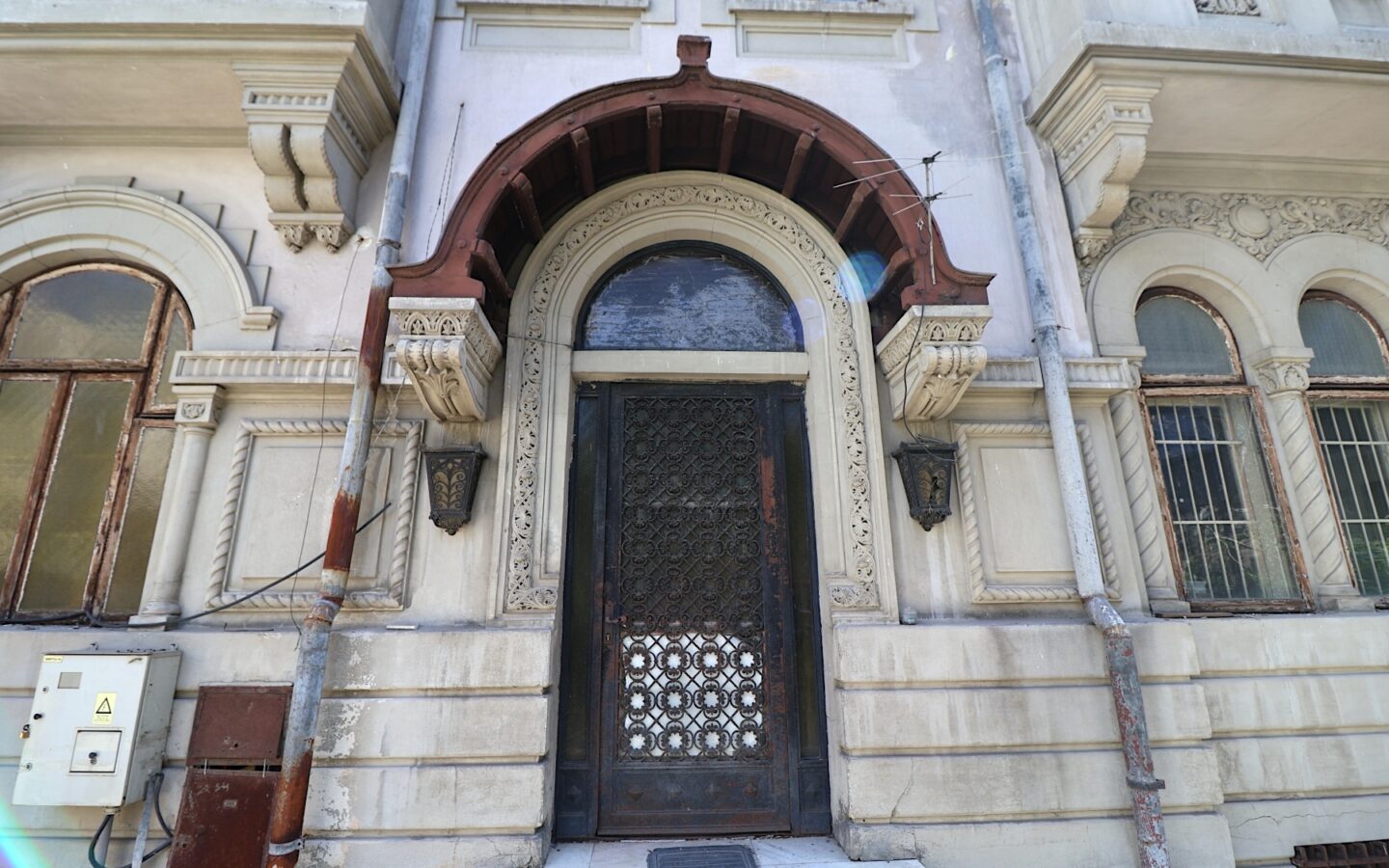
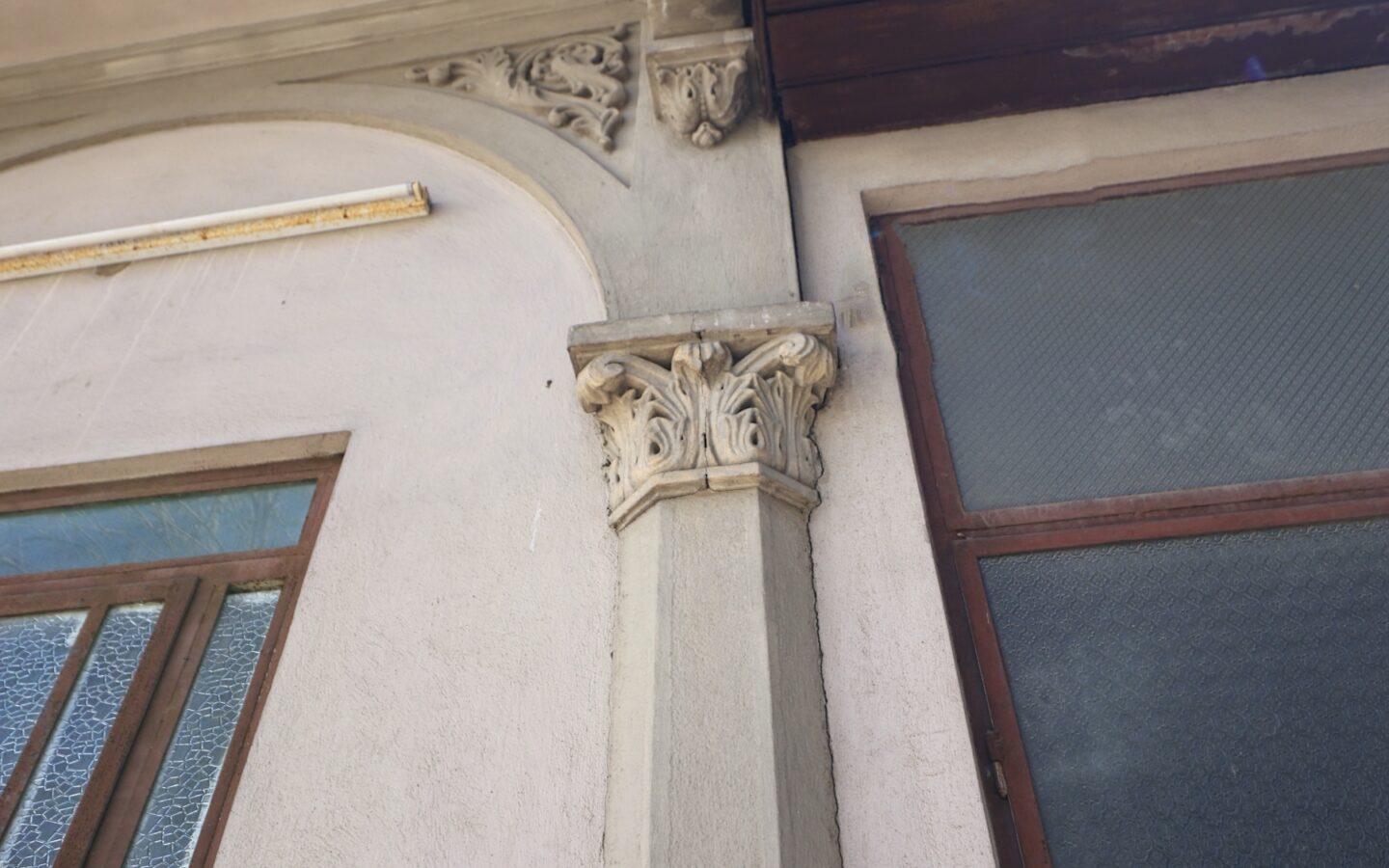
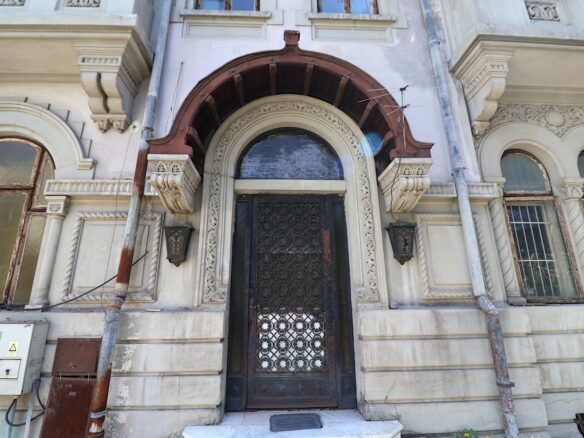
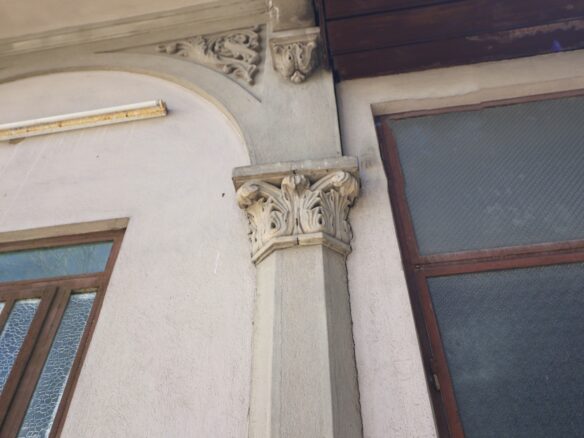
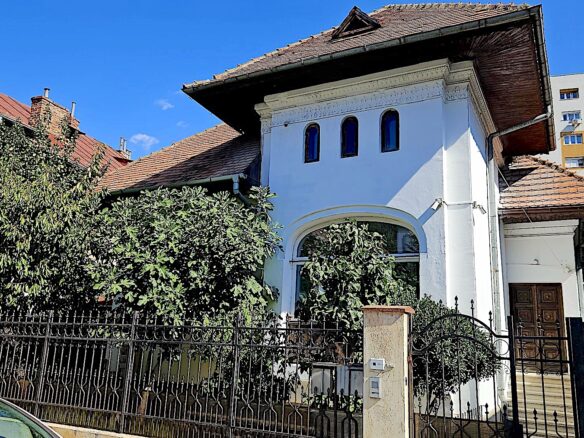
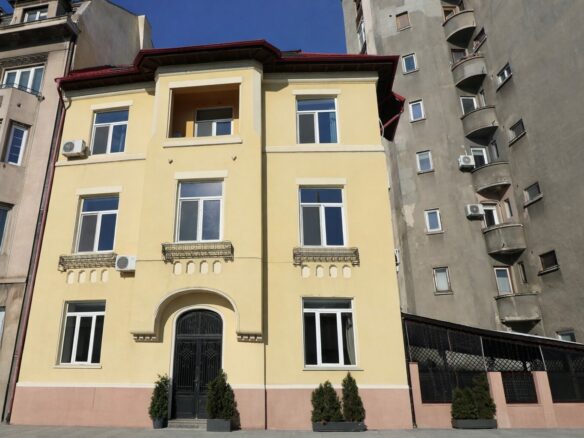
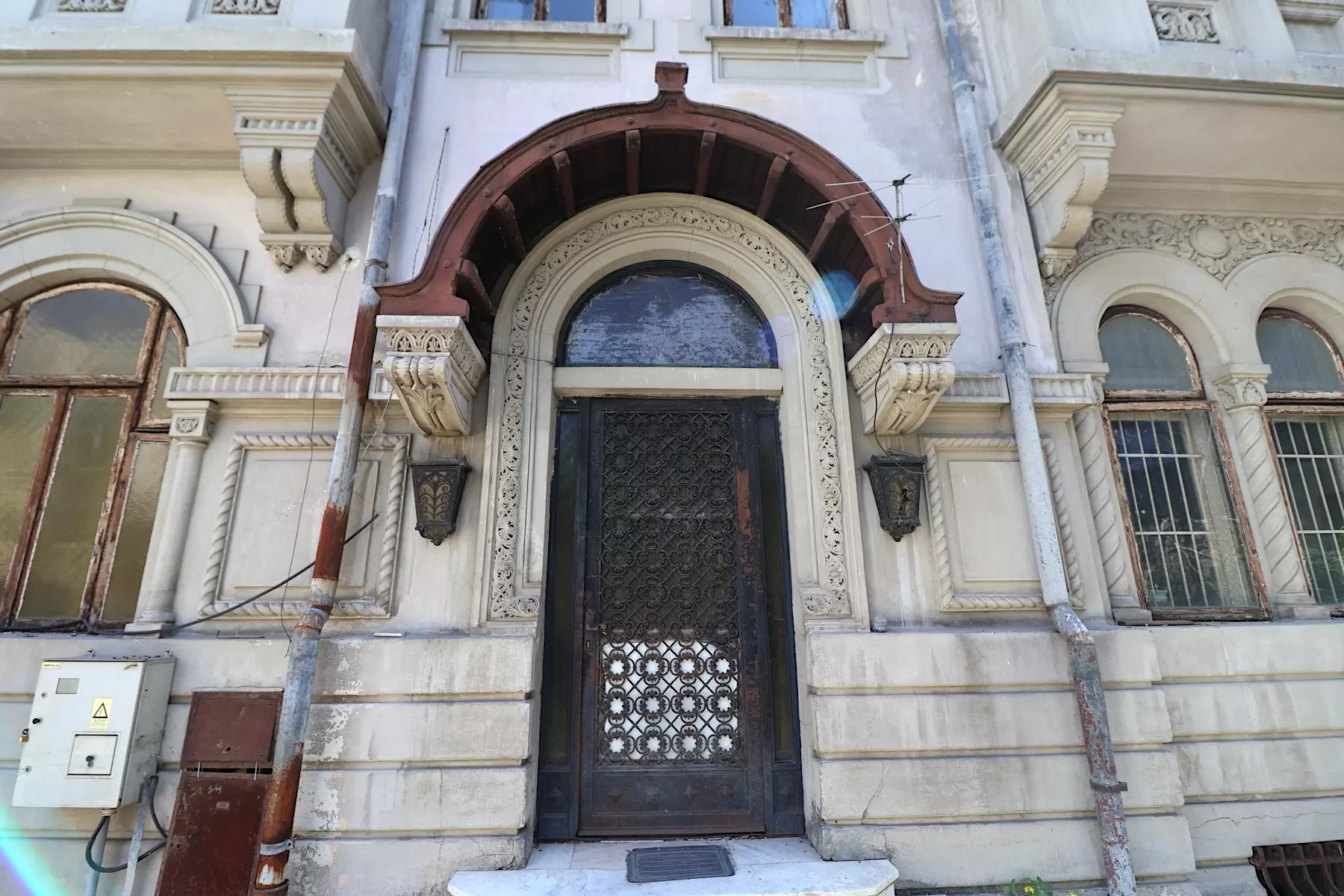
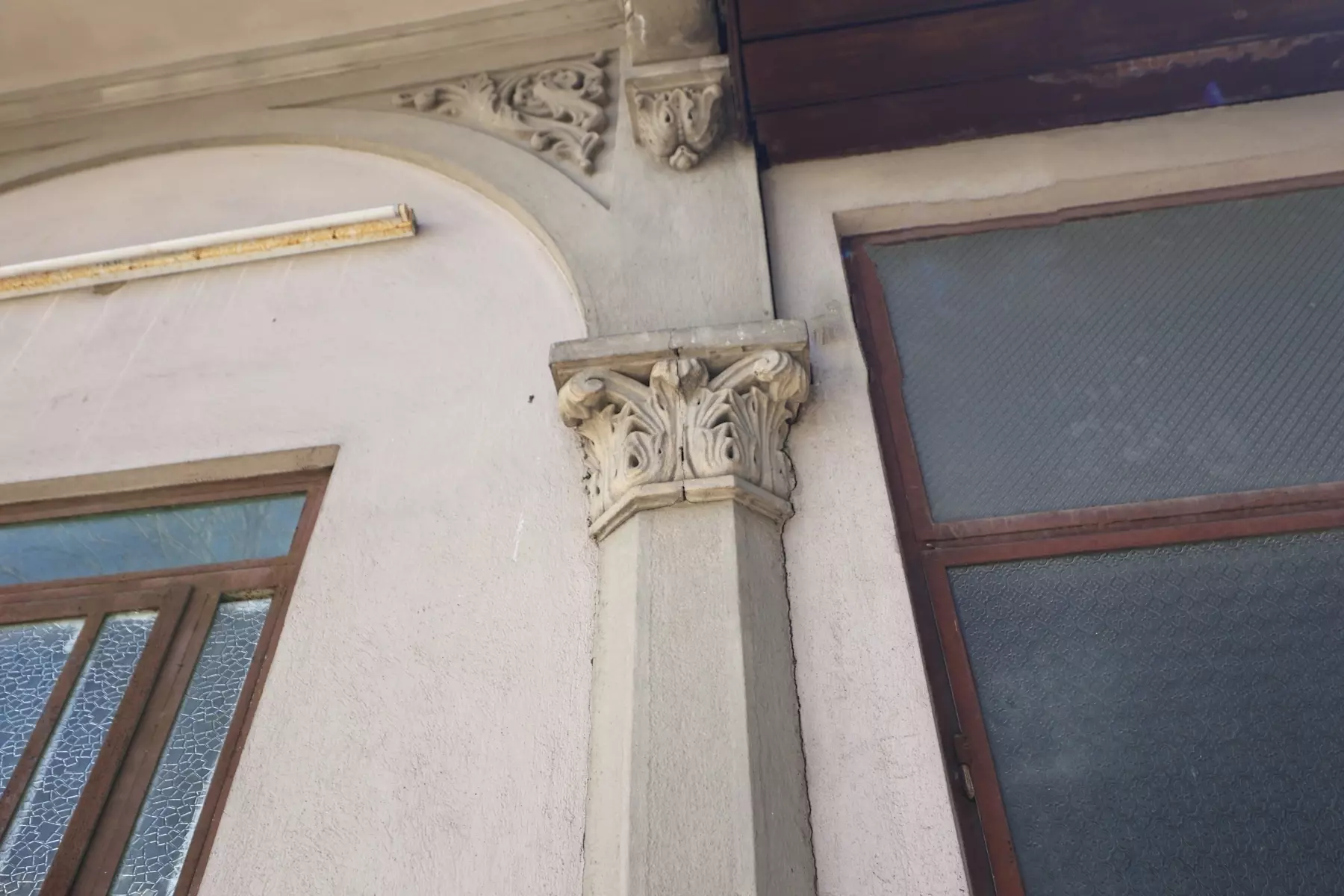
The moment you lay eyes on this villa, its monumental proportions and distinctive architectural elements command attention. The facades are both elegant and massive, adorned with a wealth of lace-like details that are characteristic of the neo-Romanian style. You’ll notice the doors and windows are framed by semicircular arches, complemented by belts, frames, and rosettes – all elements that contribute to its unique character. The remarkable part is that much of this intricate detail has been preserved in a very good state, offering a glimpse into the craftsmanship of the past.
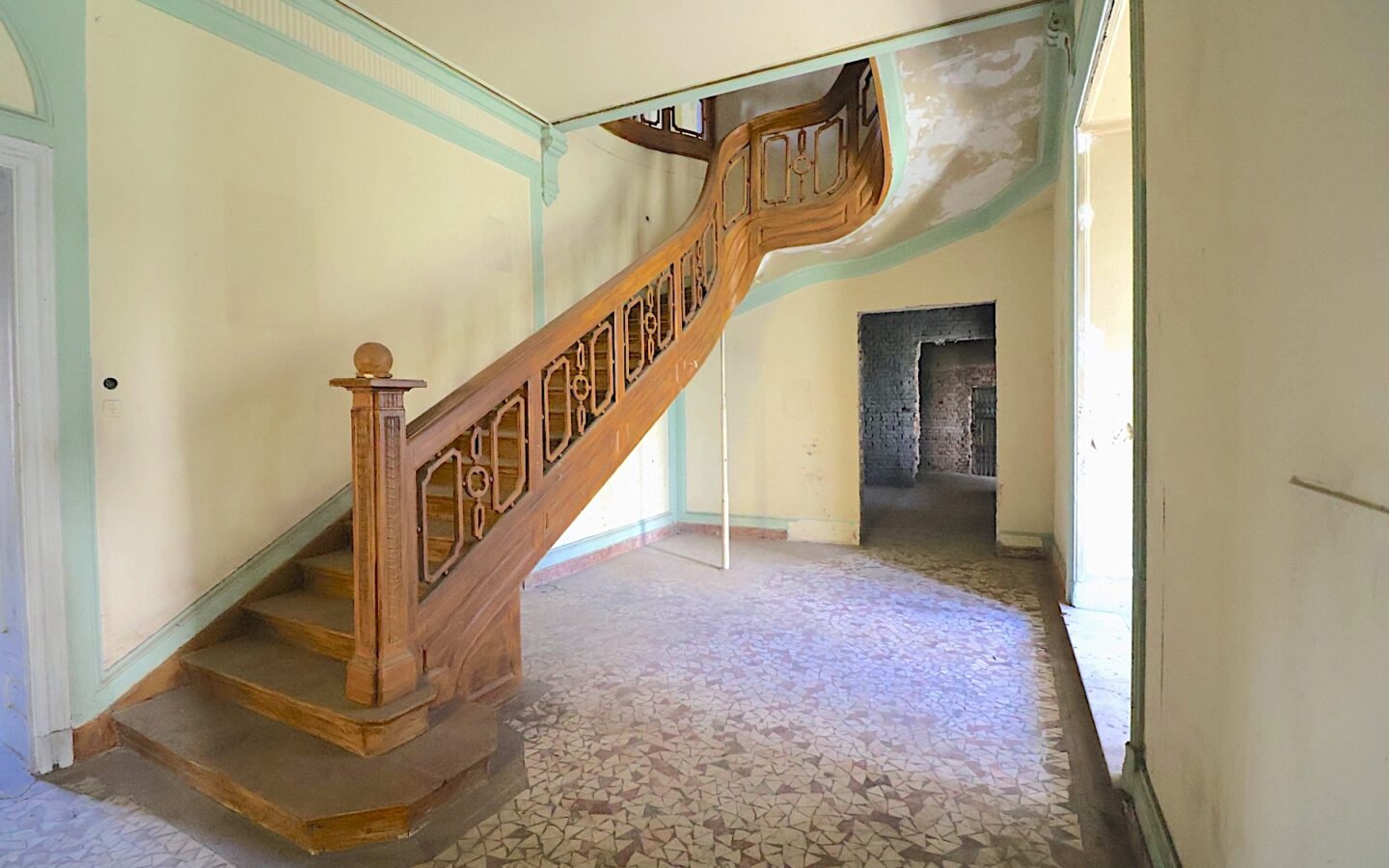
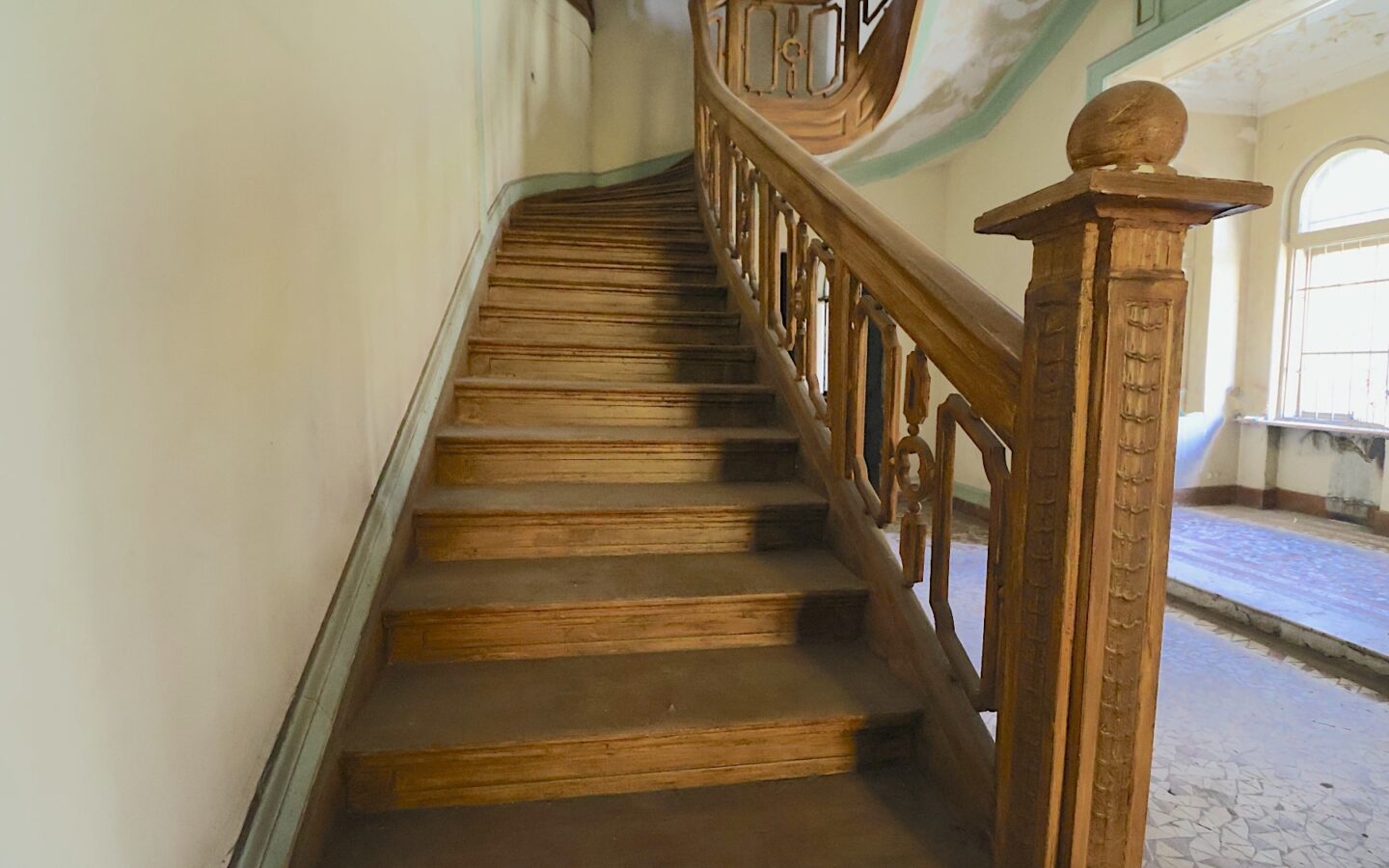
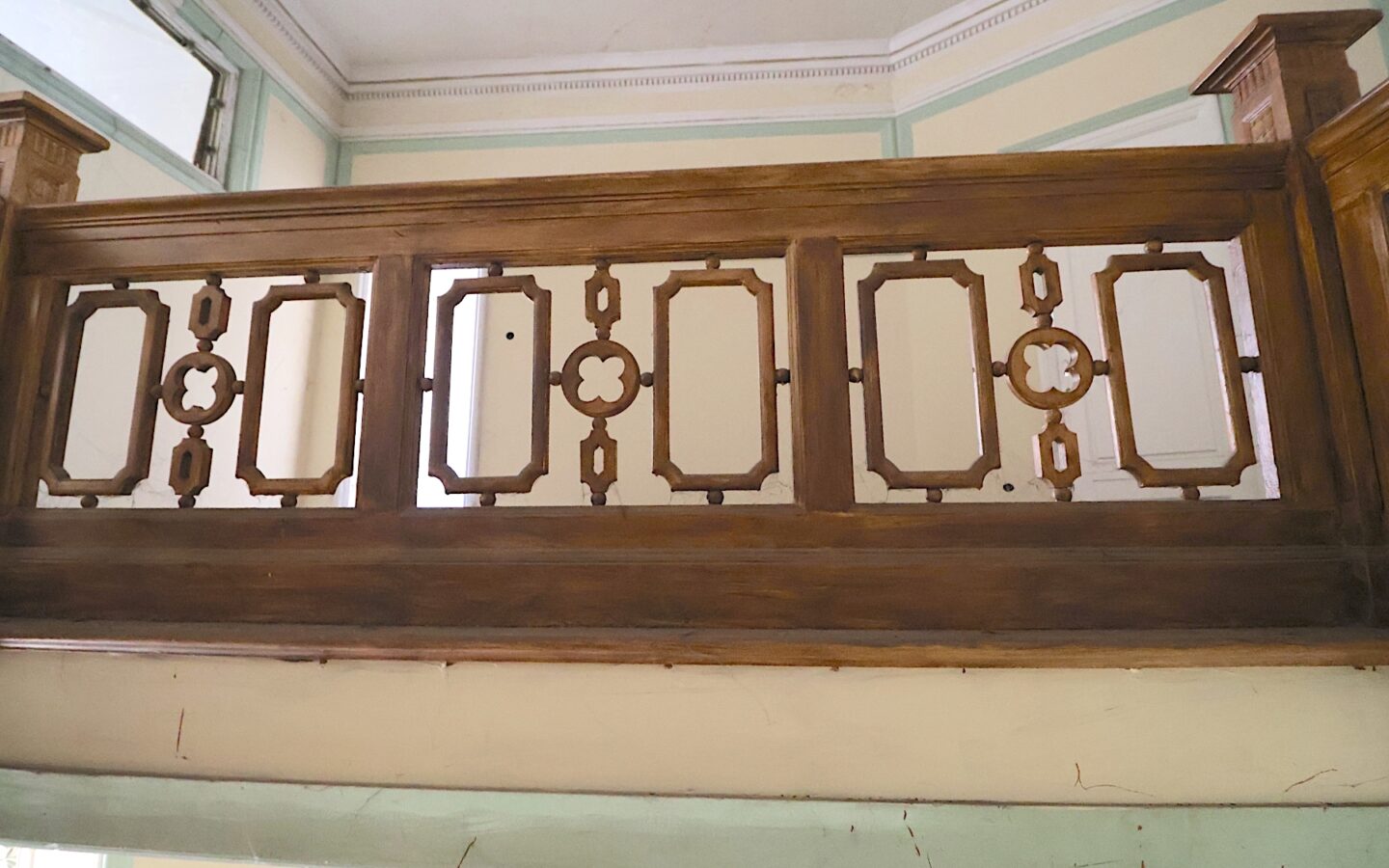
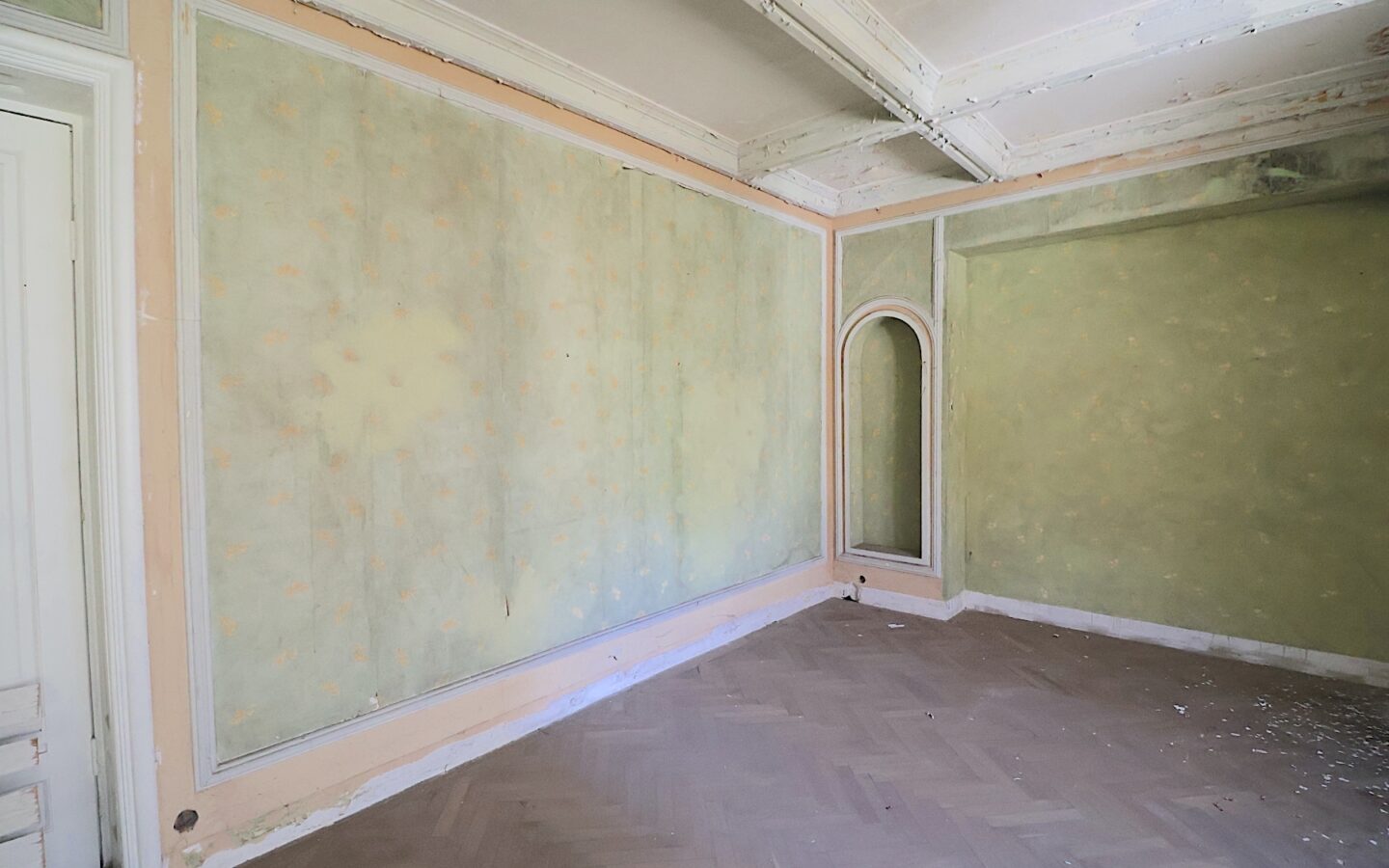
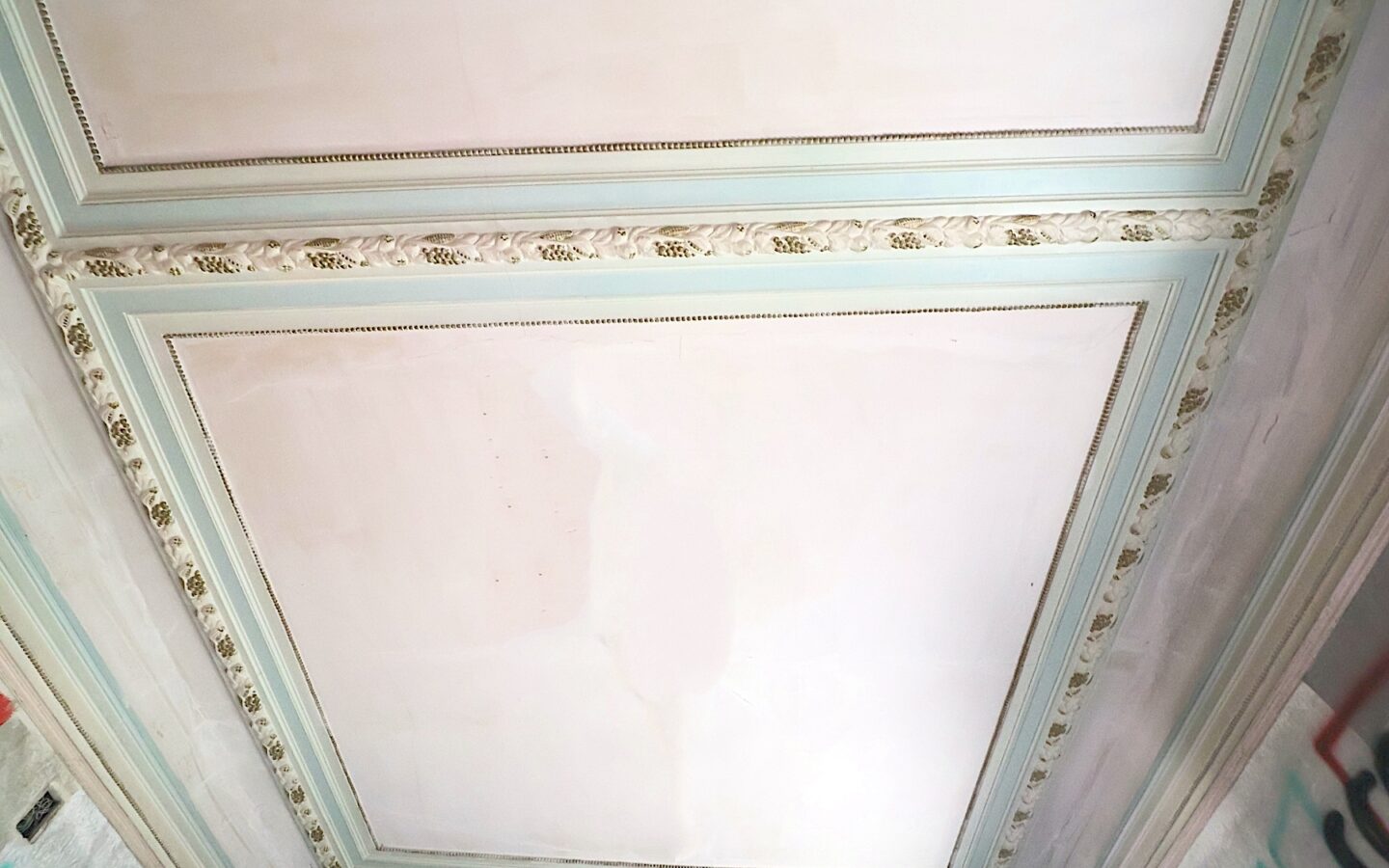
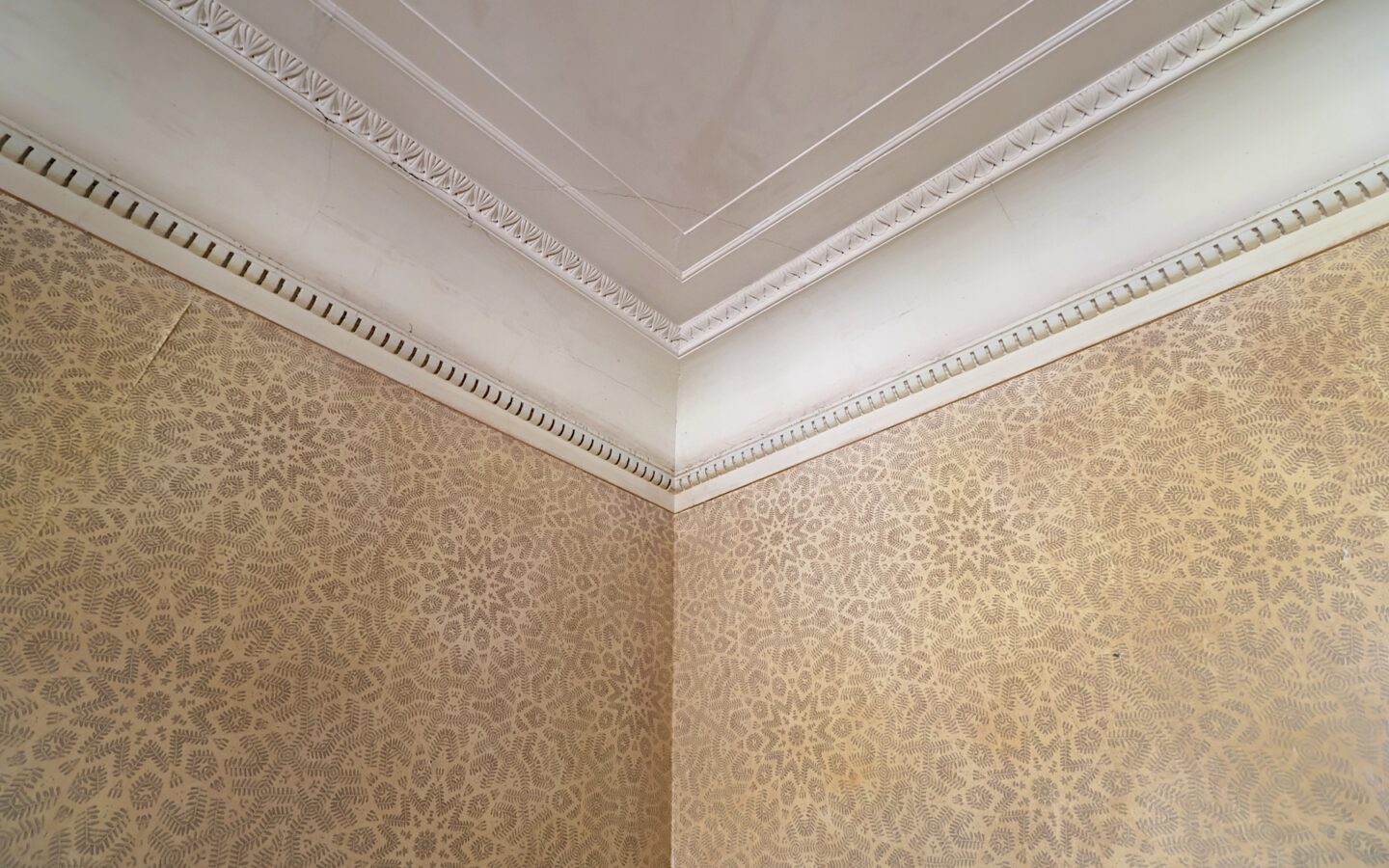
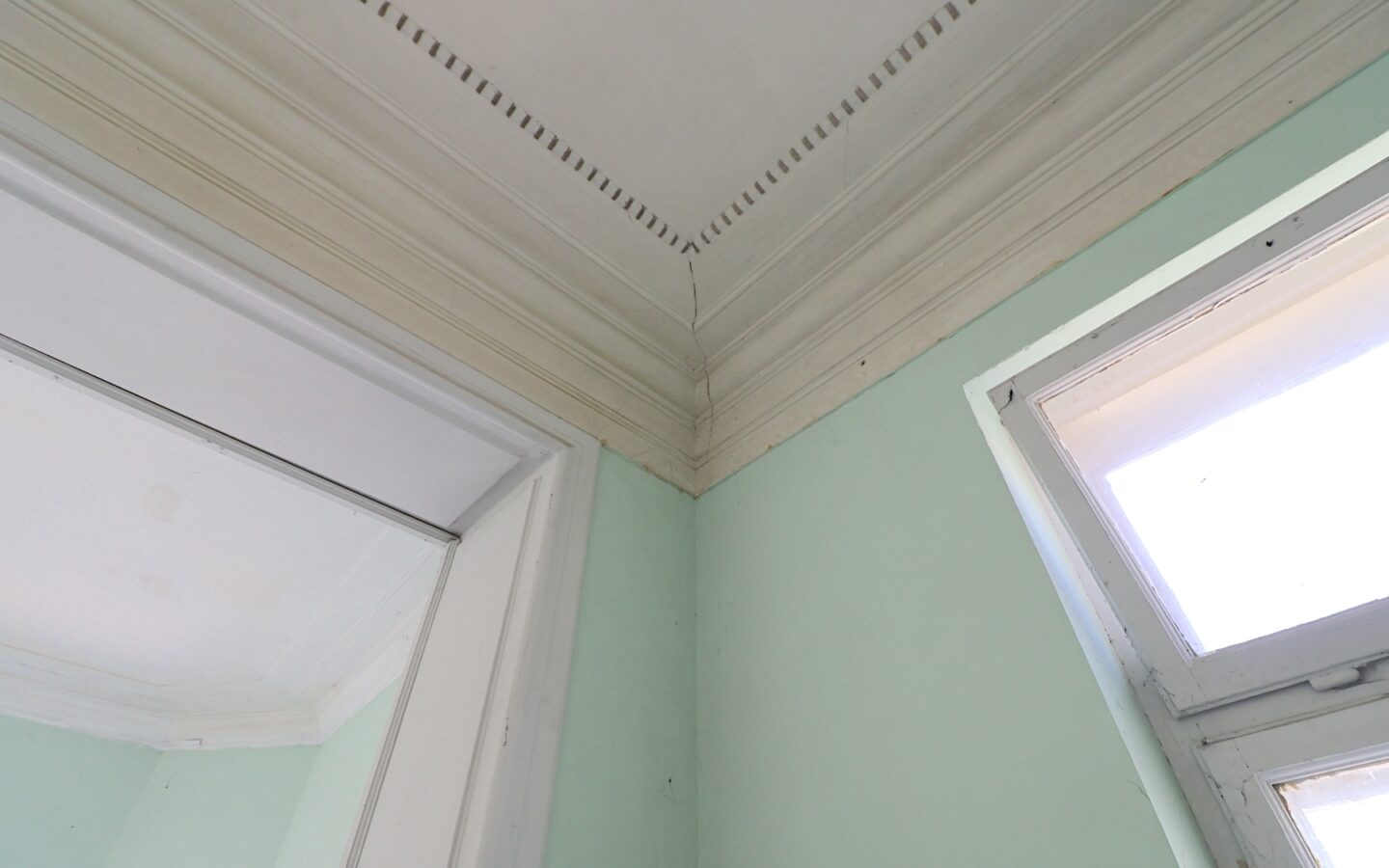
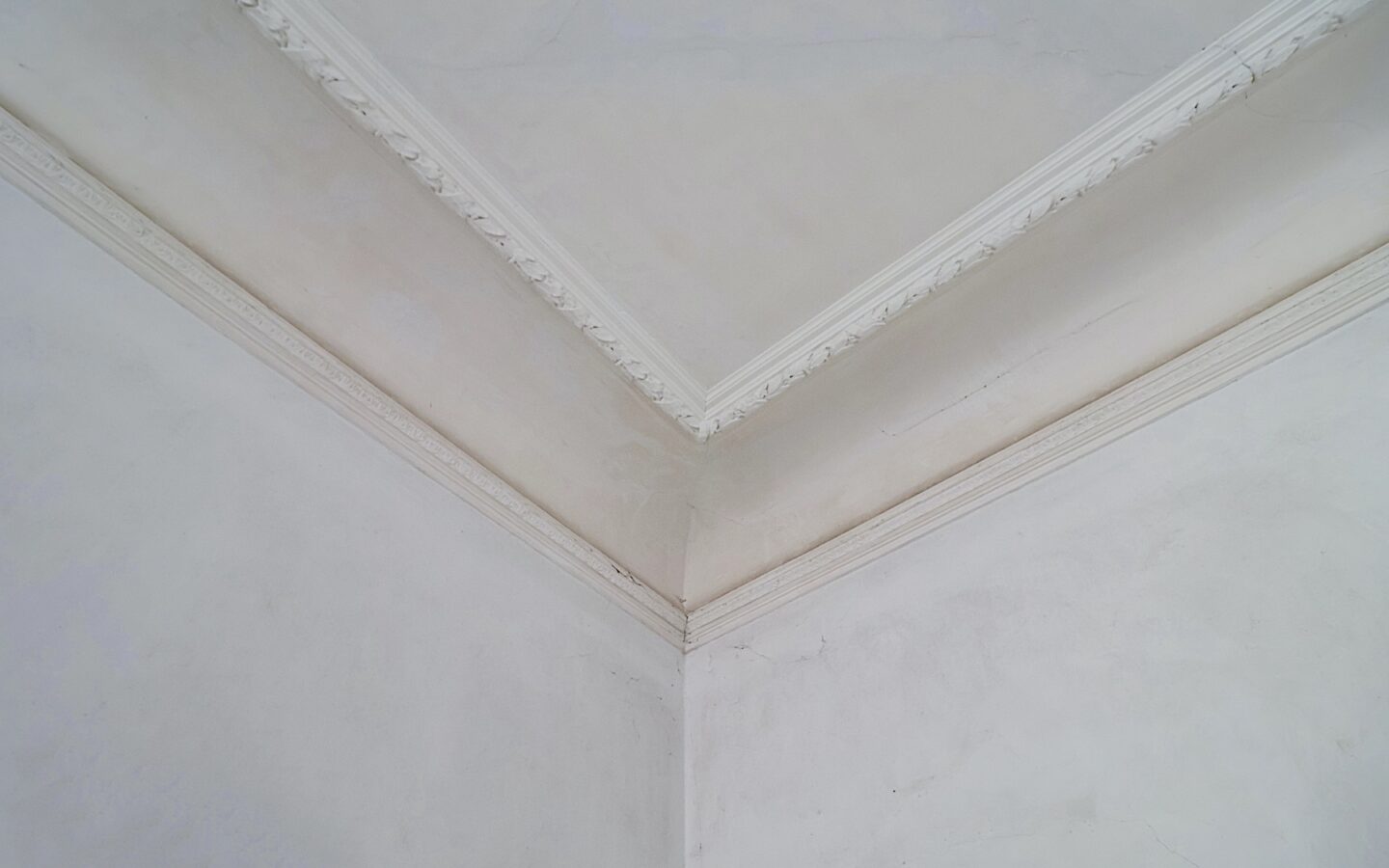
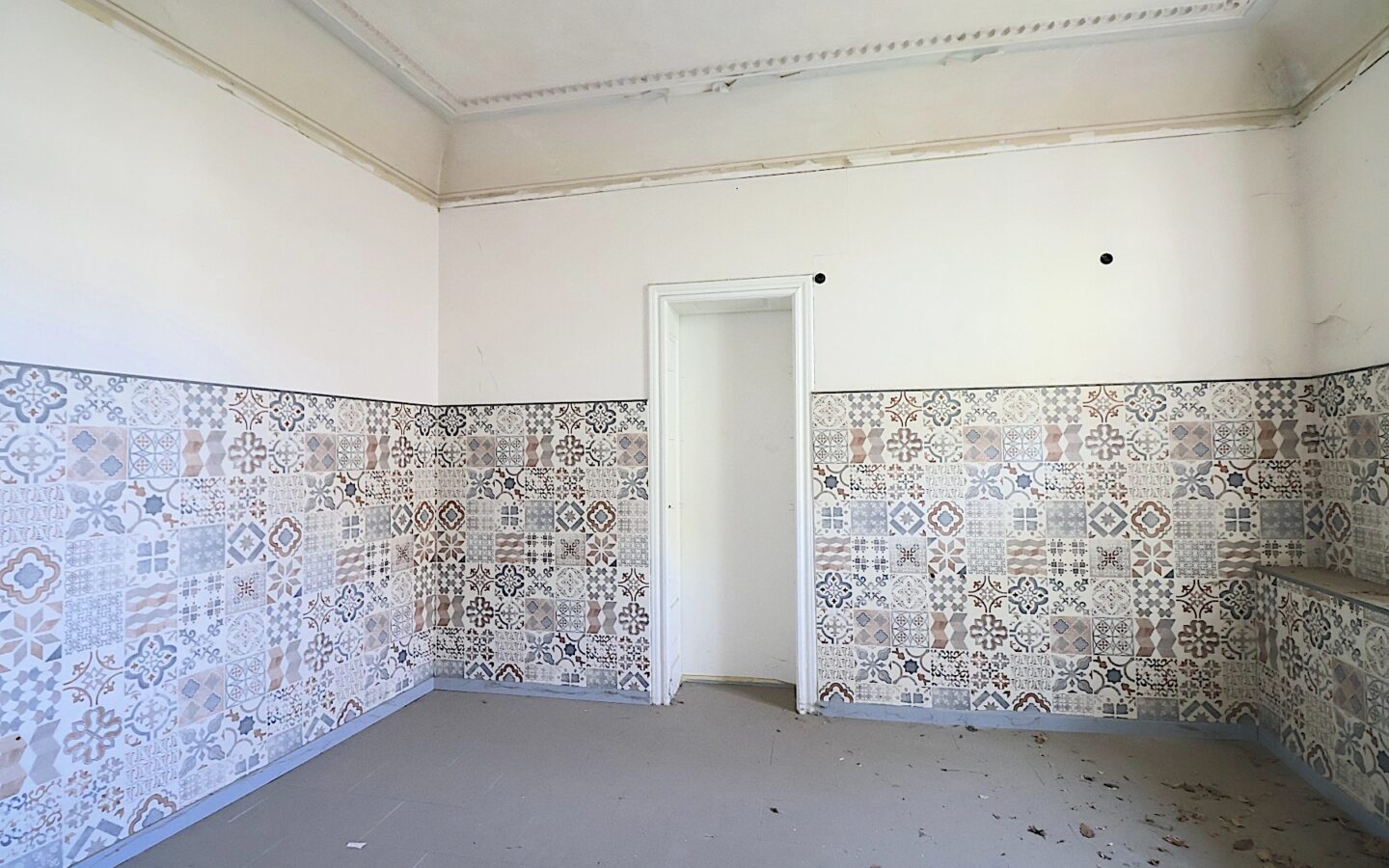
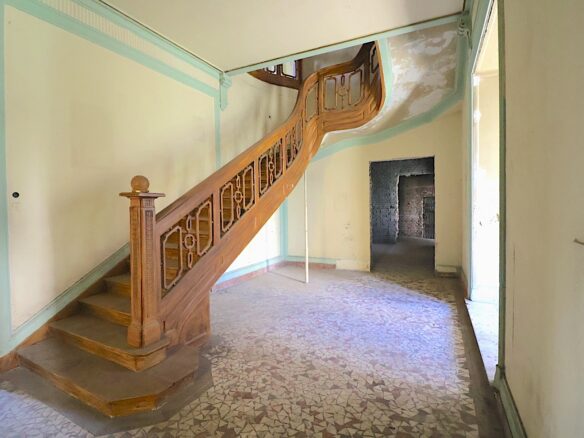
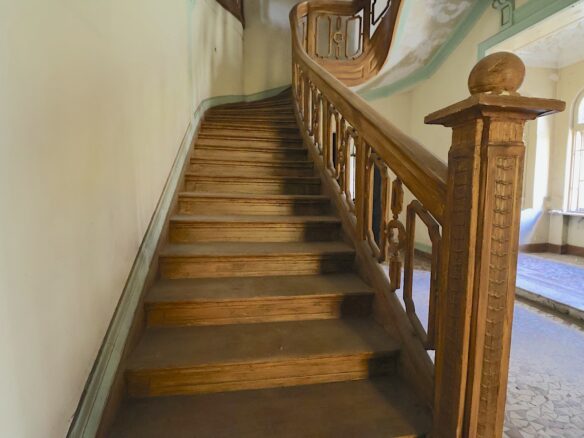
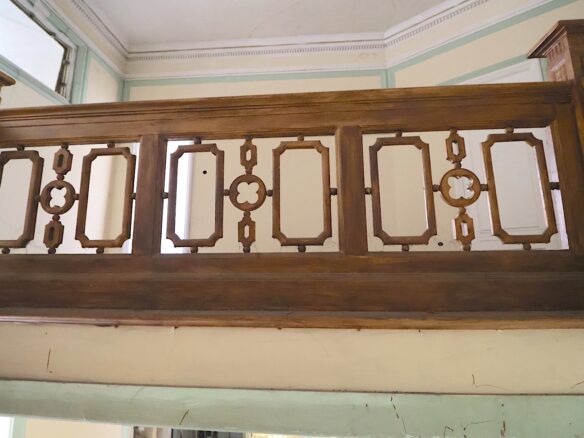
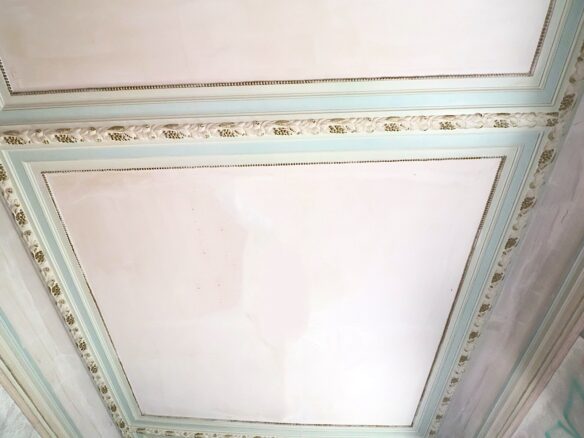
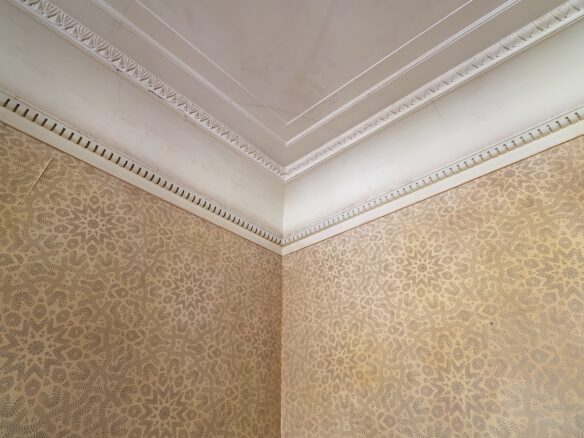
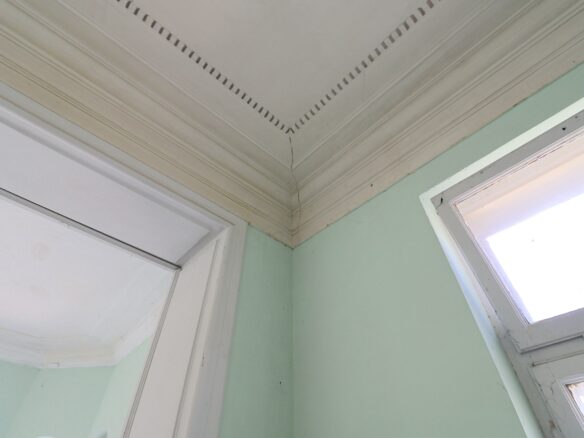
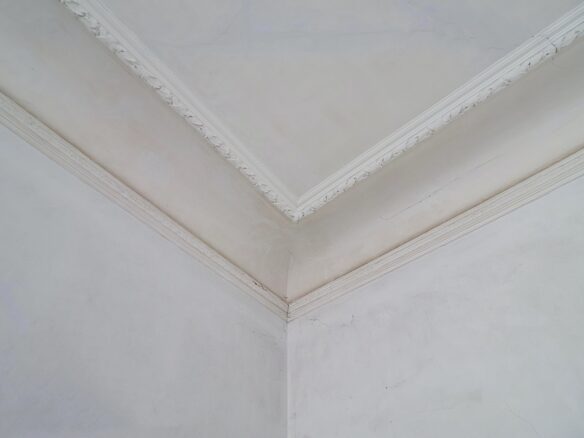
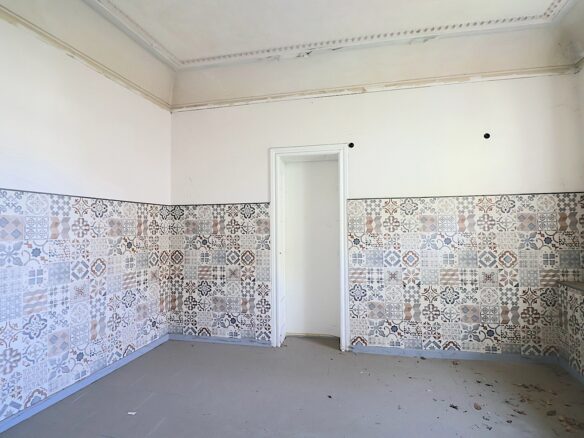
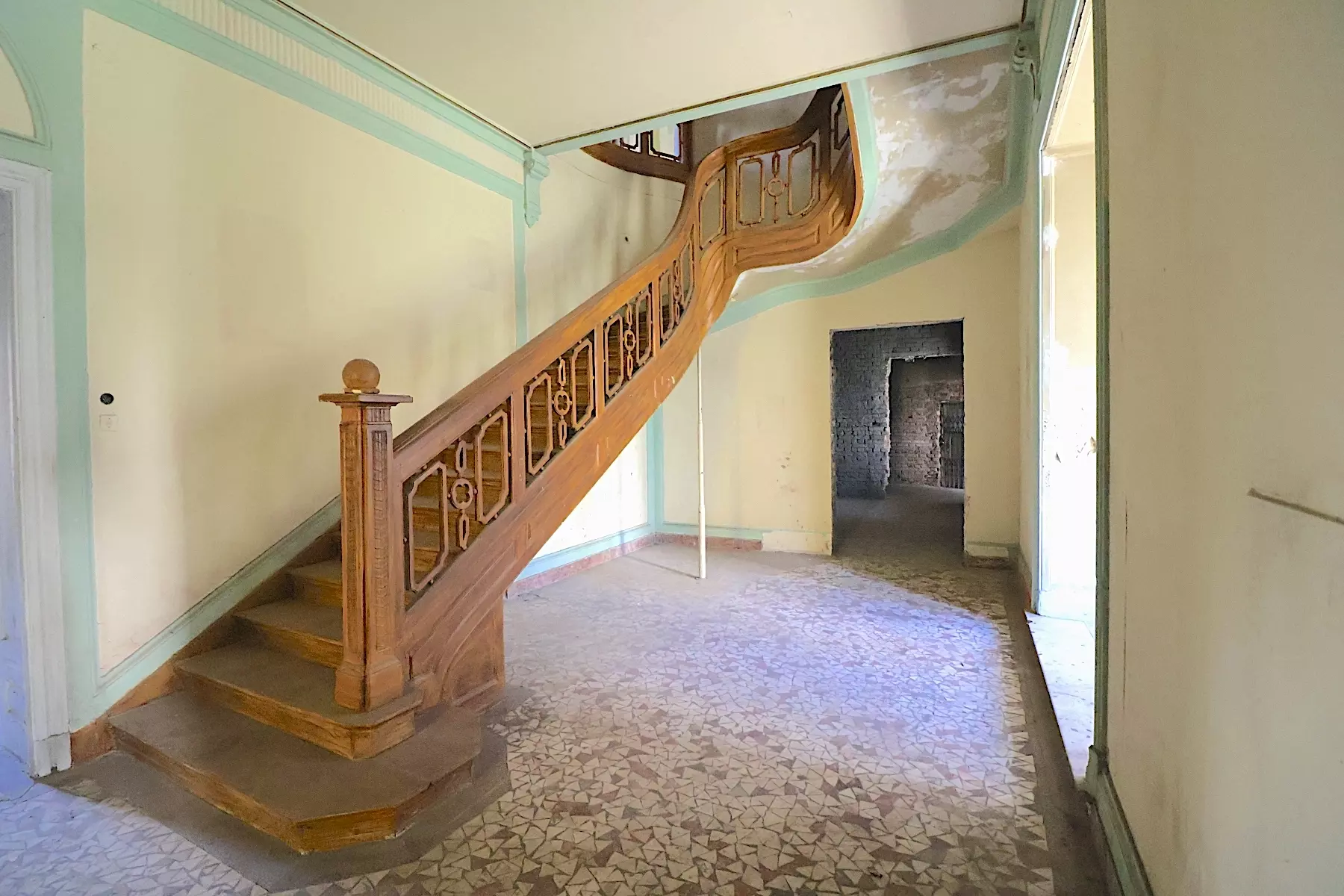
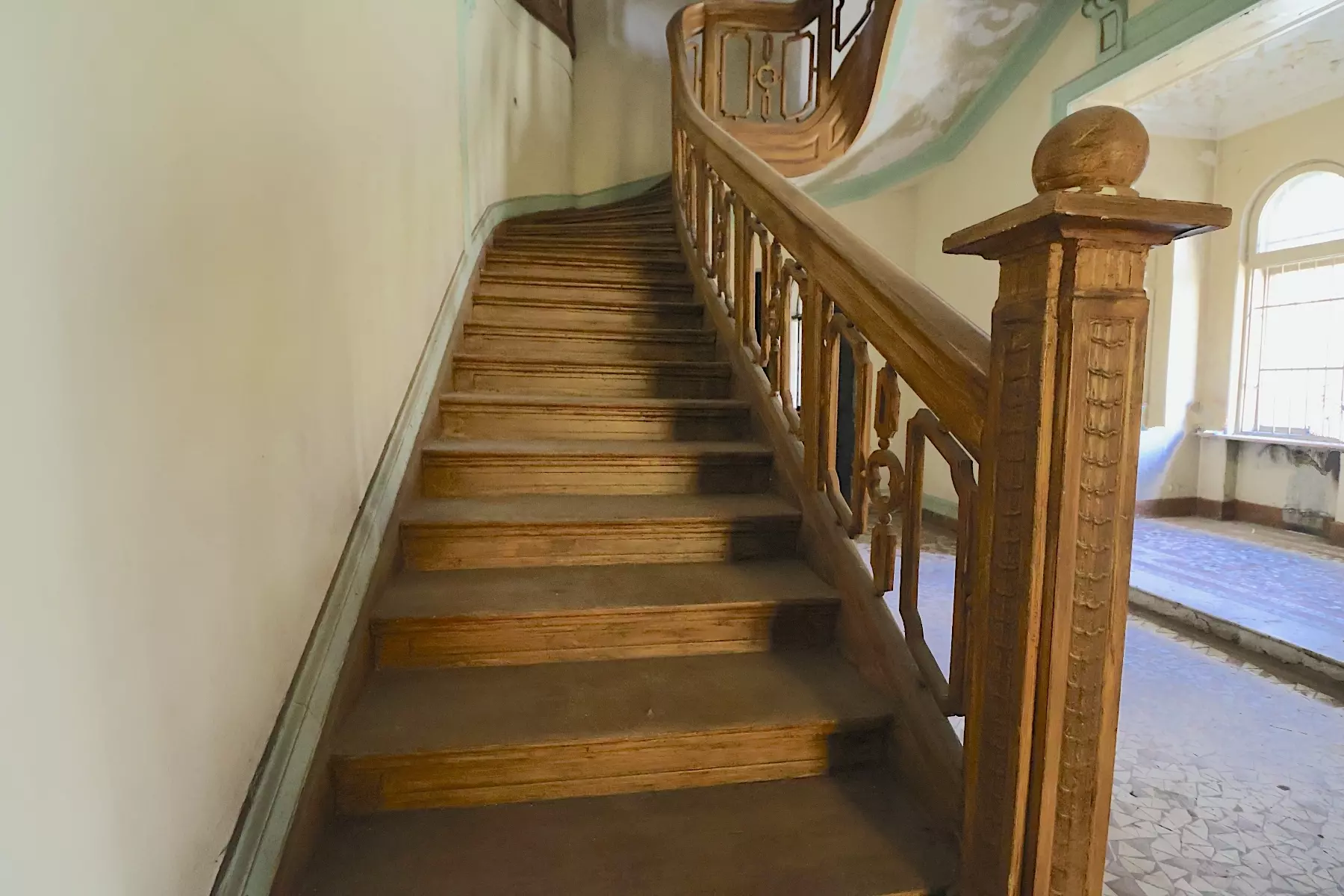
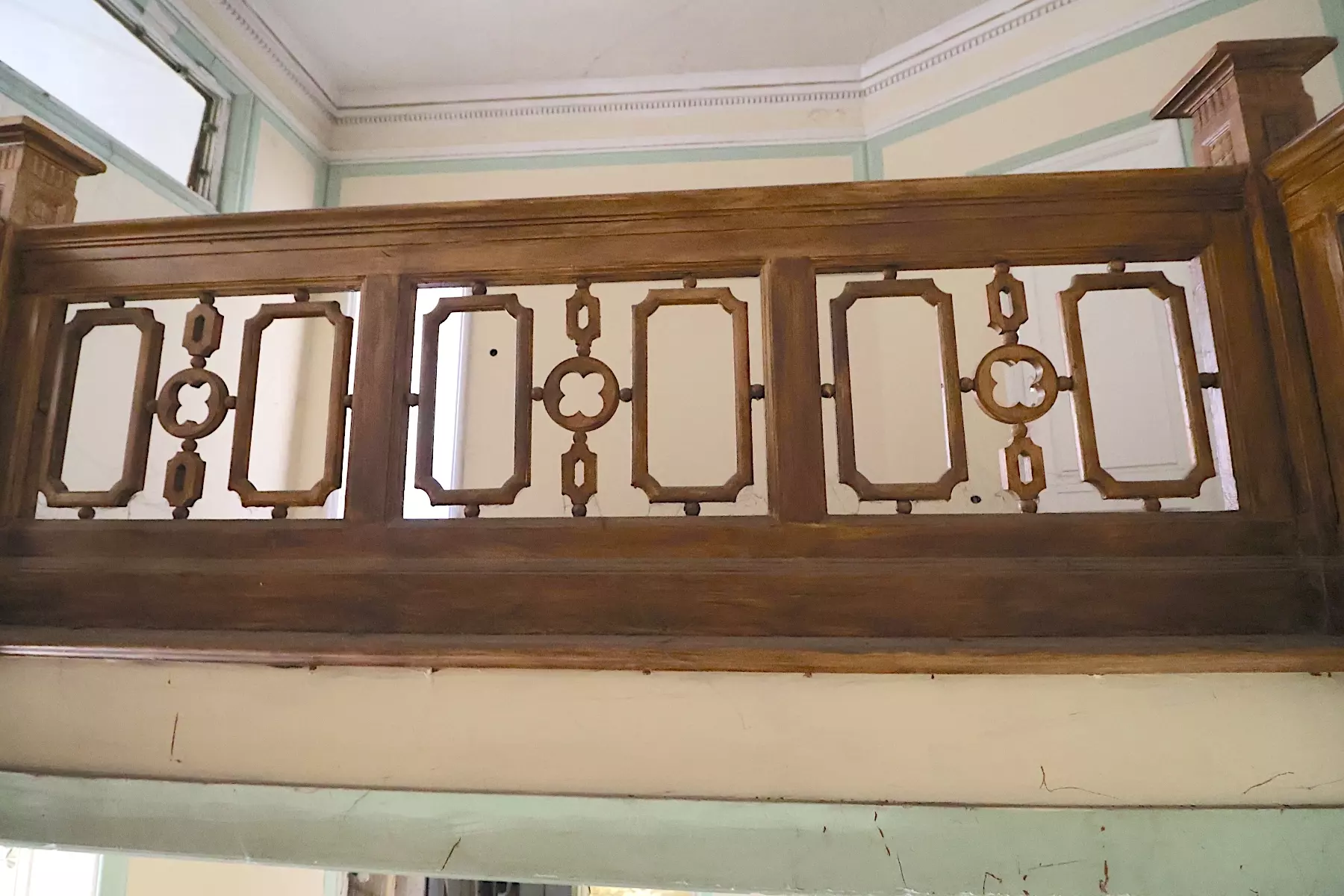
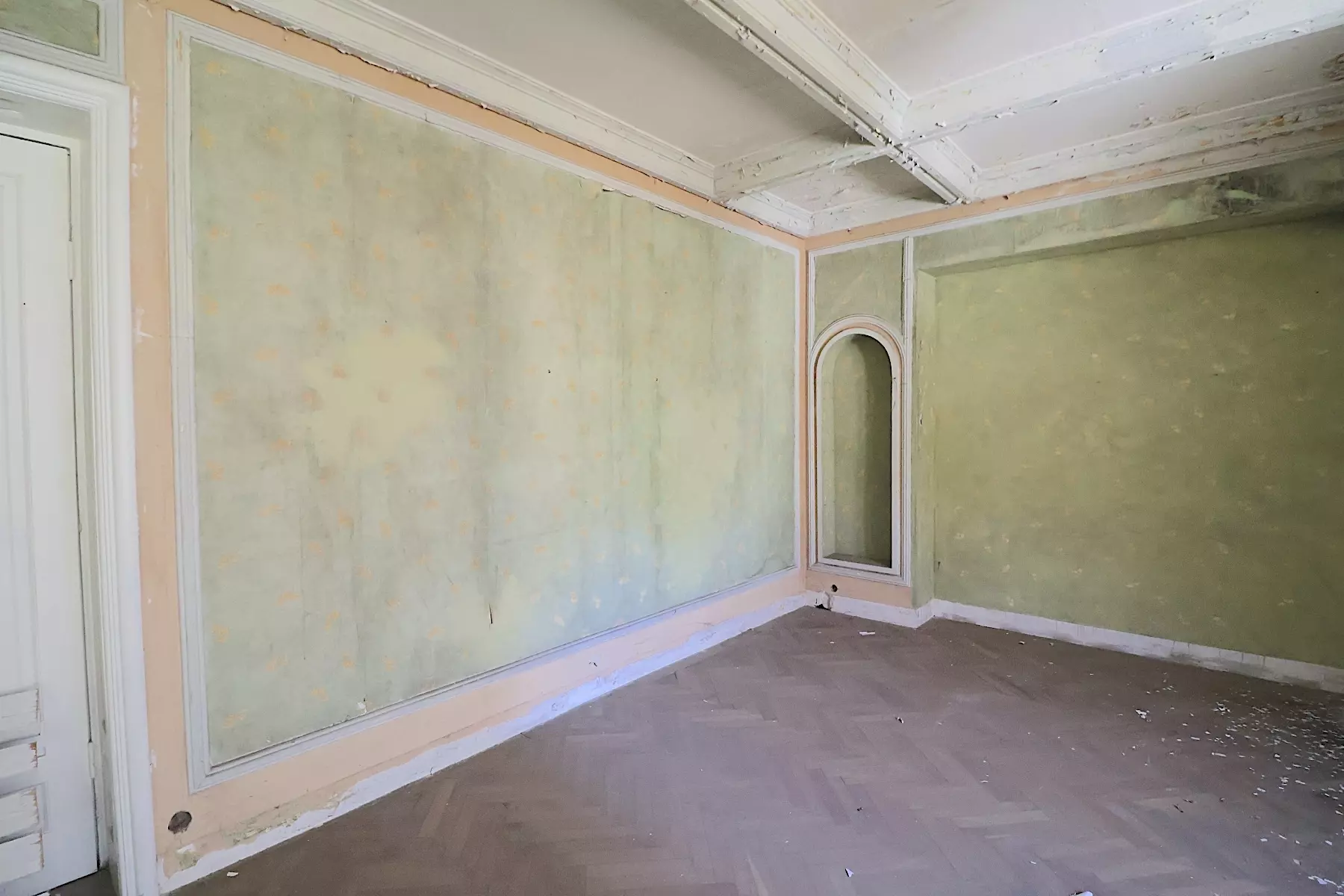
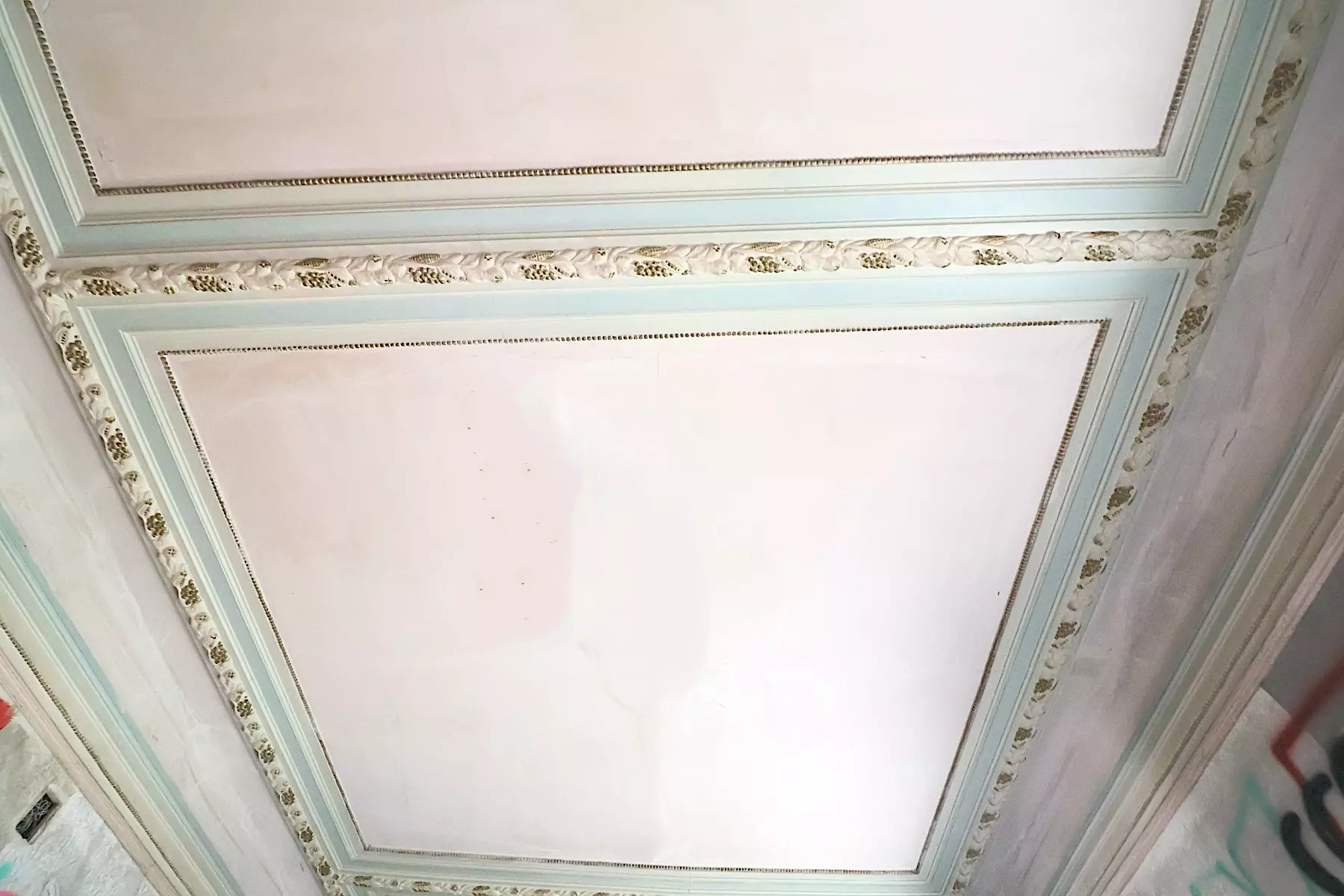
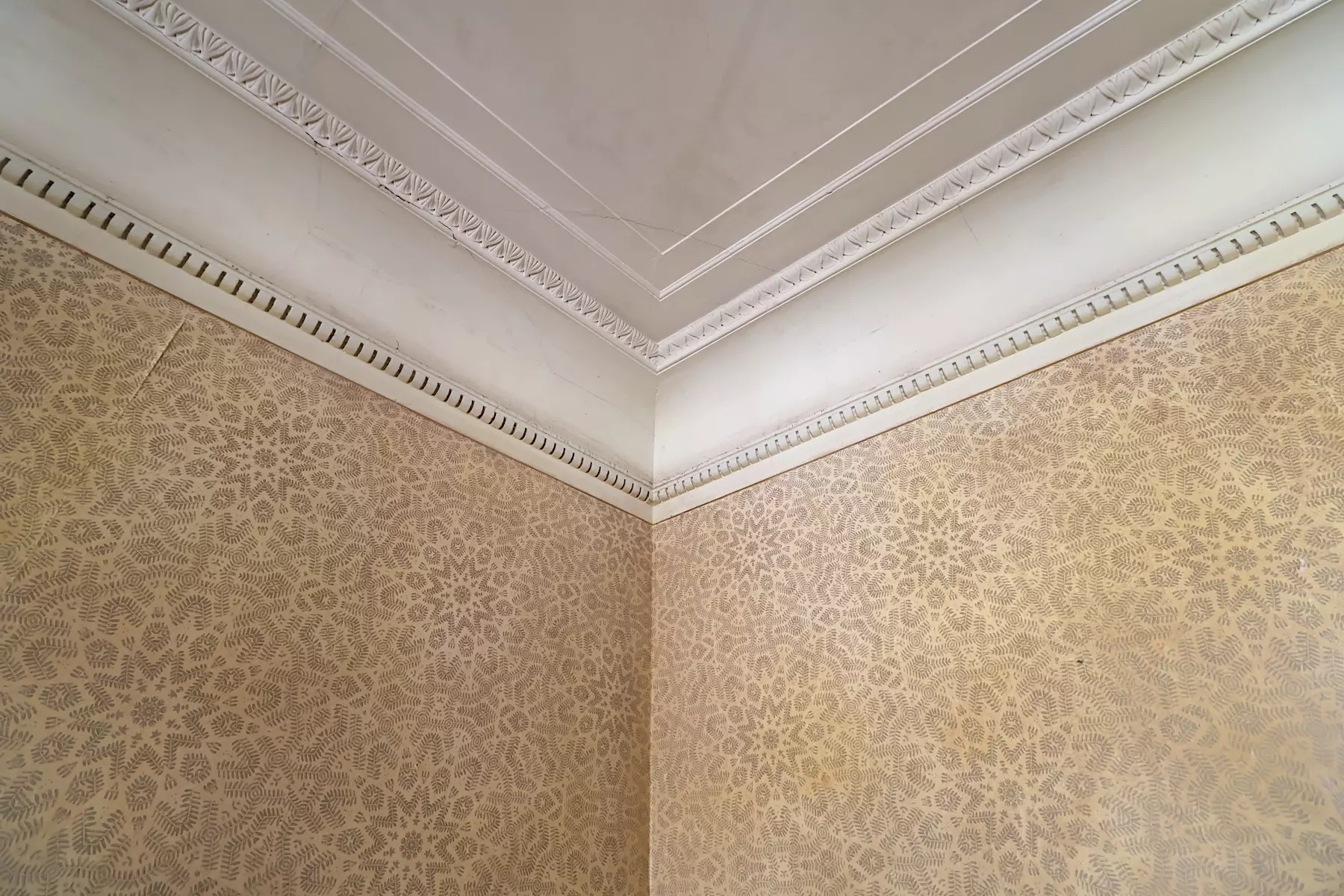
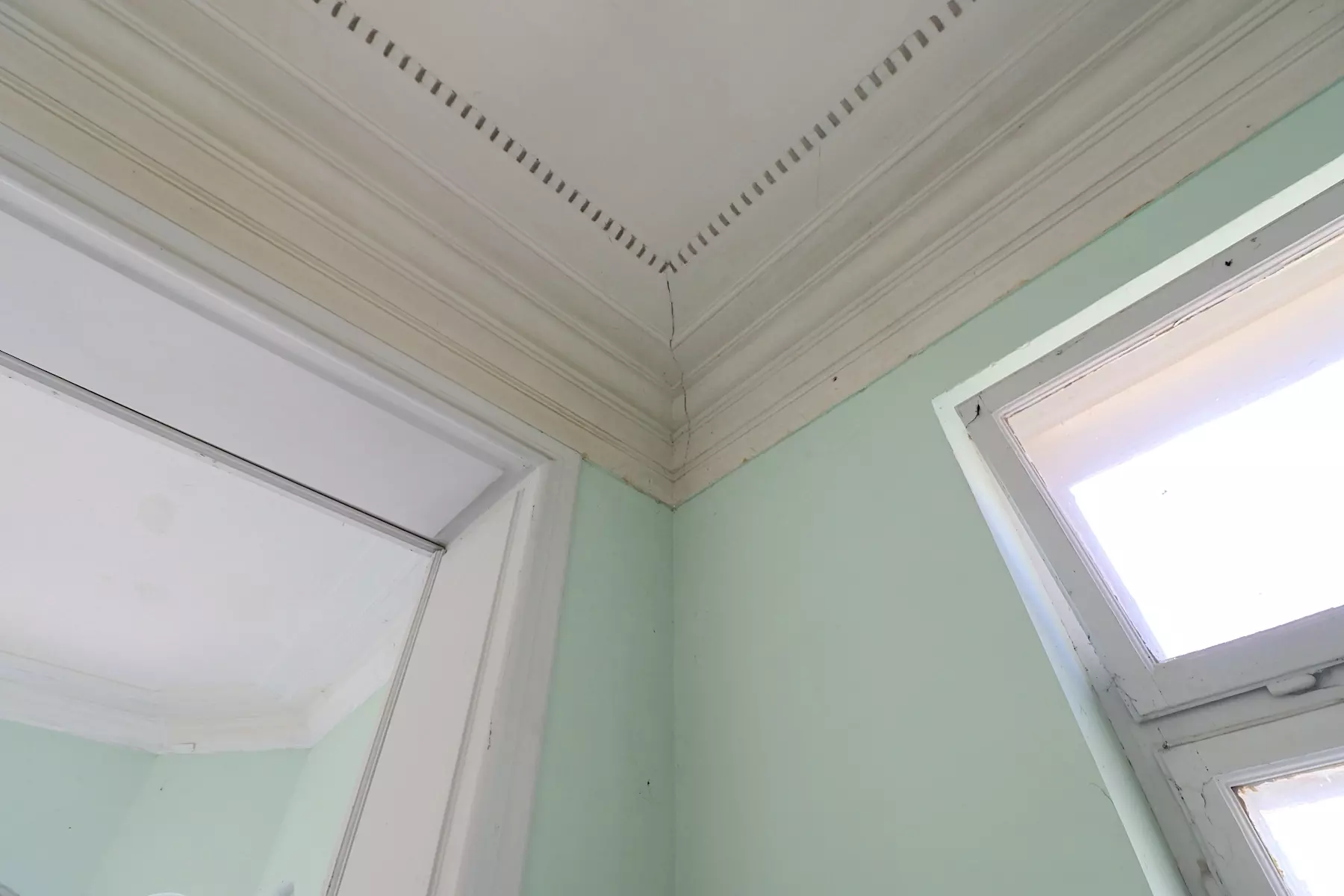
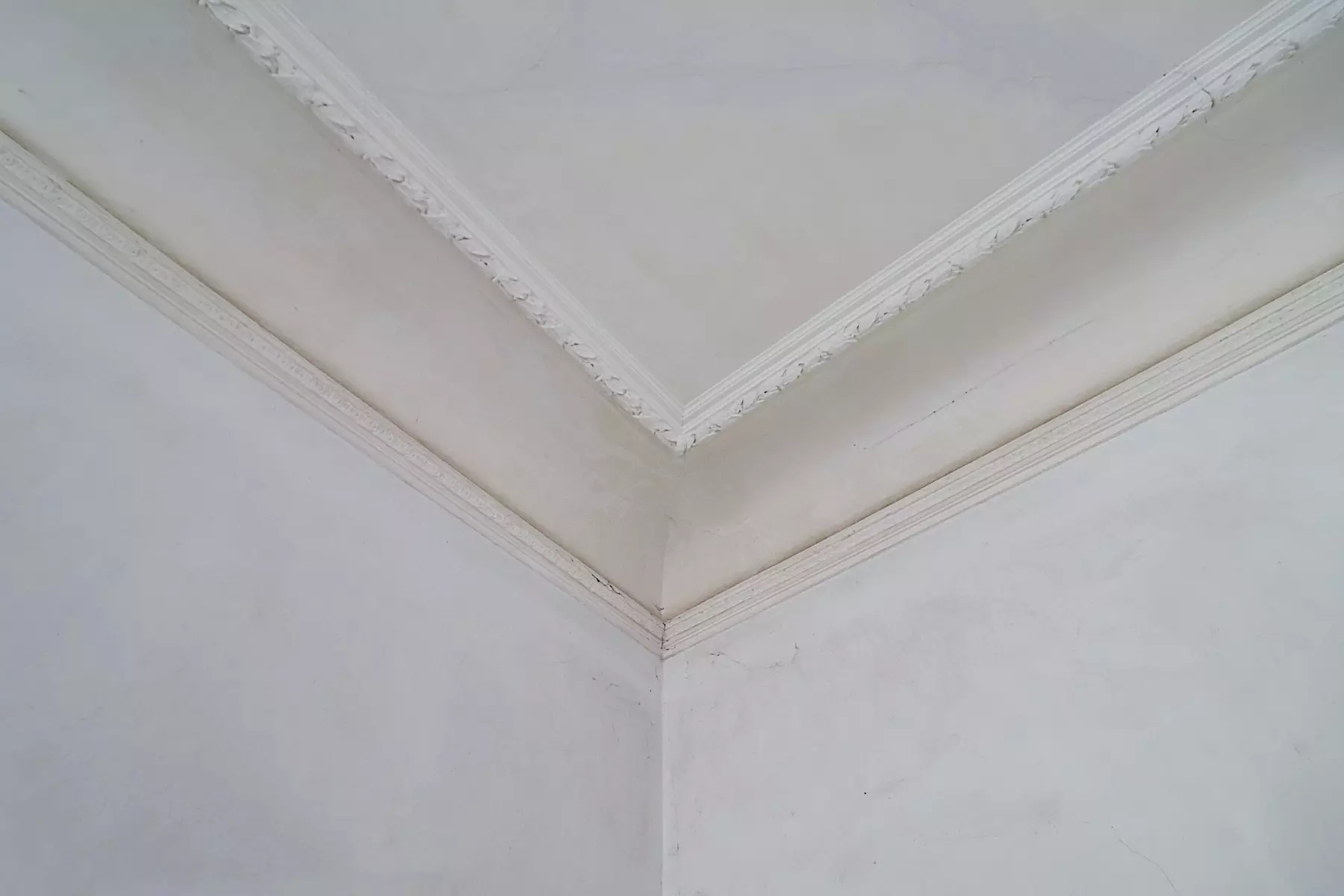
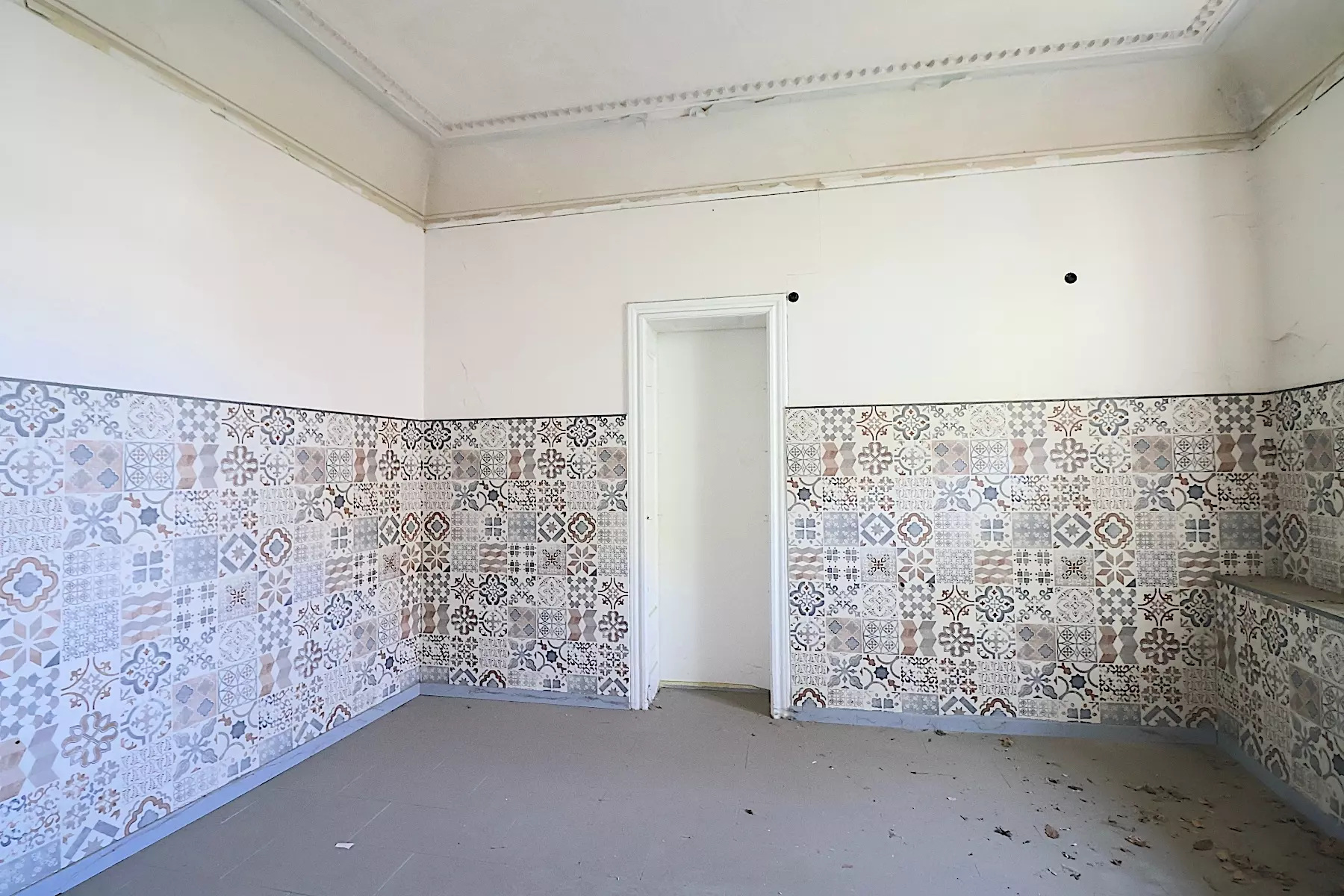
Venturing inside, you’re greeted by rooms with impressive ceiling heights. The generous glazing floods these spaces with natural light, highlighting preserved features like the ceilings themselves, which are decorated with floral or lace-inspired motifs. The original wooden joinery on the doors and windows remains, as does the main staircase, hand-carved from solid wood. While time has passed, these interior elements have largely endured, holding onto their original charm.
The villa is laid out across multiple levels, including a ground floor, a lower ground floor, a first floor, and an attic space. In terms of sheer volume, the built area covers approximately 1,070 square meters. Taking into account the usable space, which includes portions of the attic, this figure comes to 859 square meters. This substantial footprint sits on a plot of land measuring 939 square meters in total. A significant advantage of this property is its street frontage, boasting a 40-meter opening, along with two additional access points leading into the courtyard area.
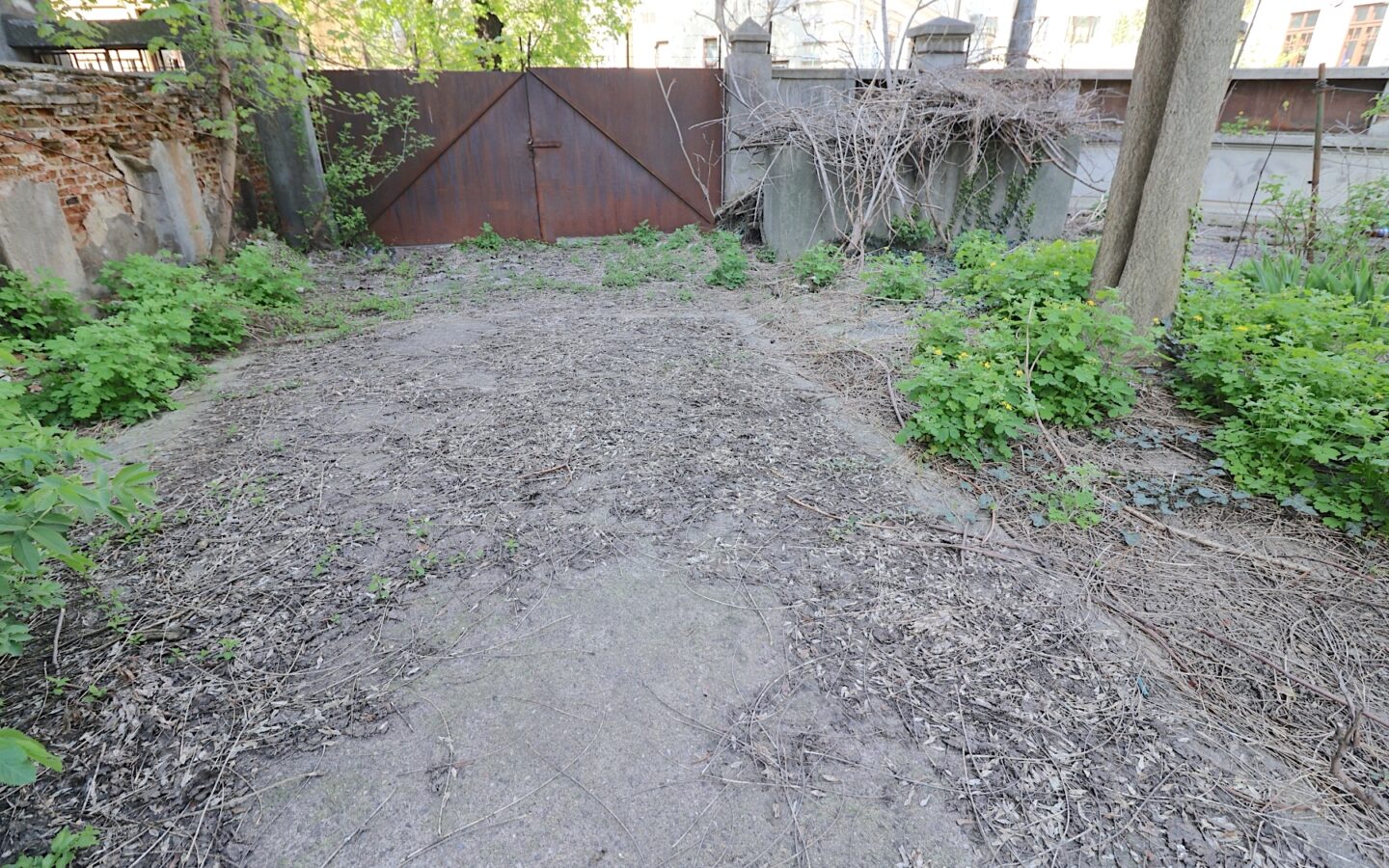
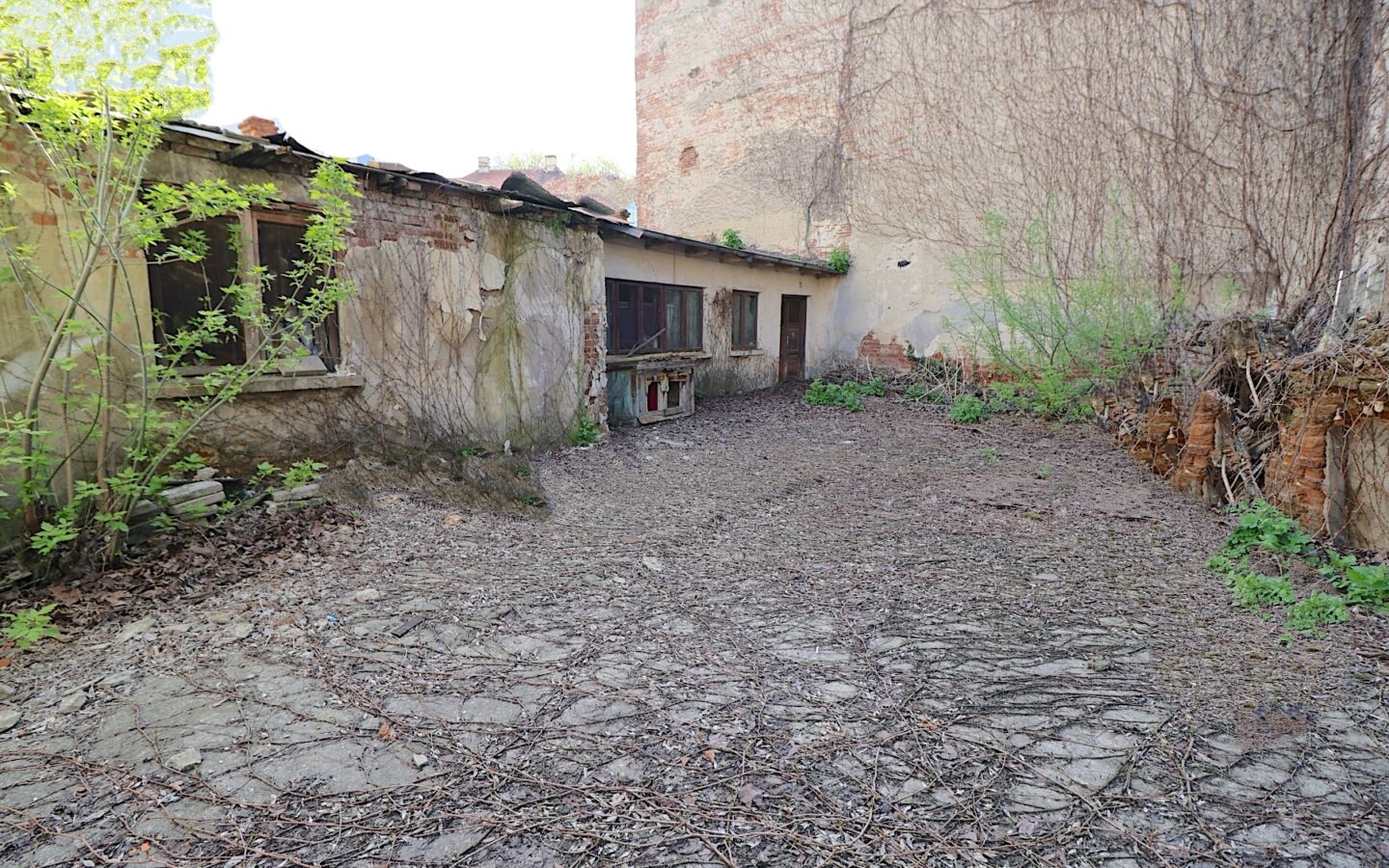
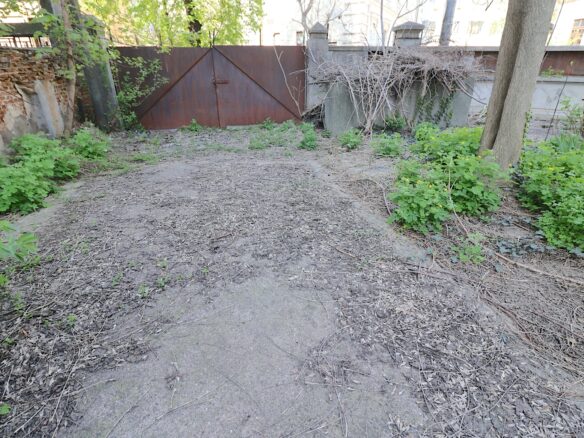
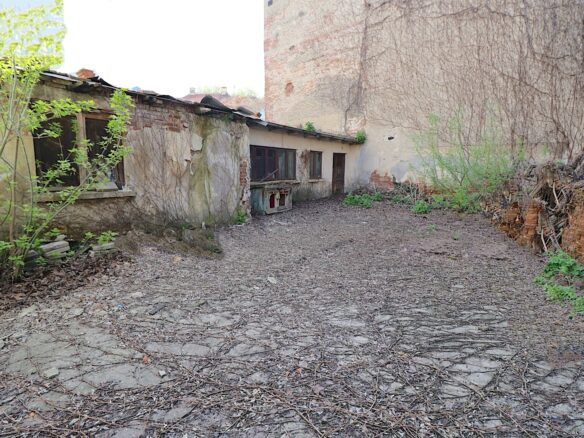
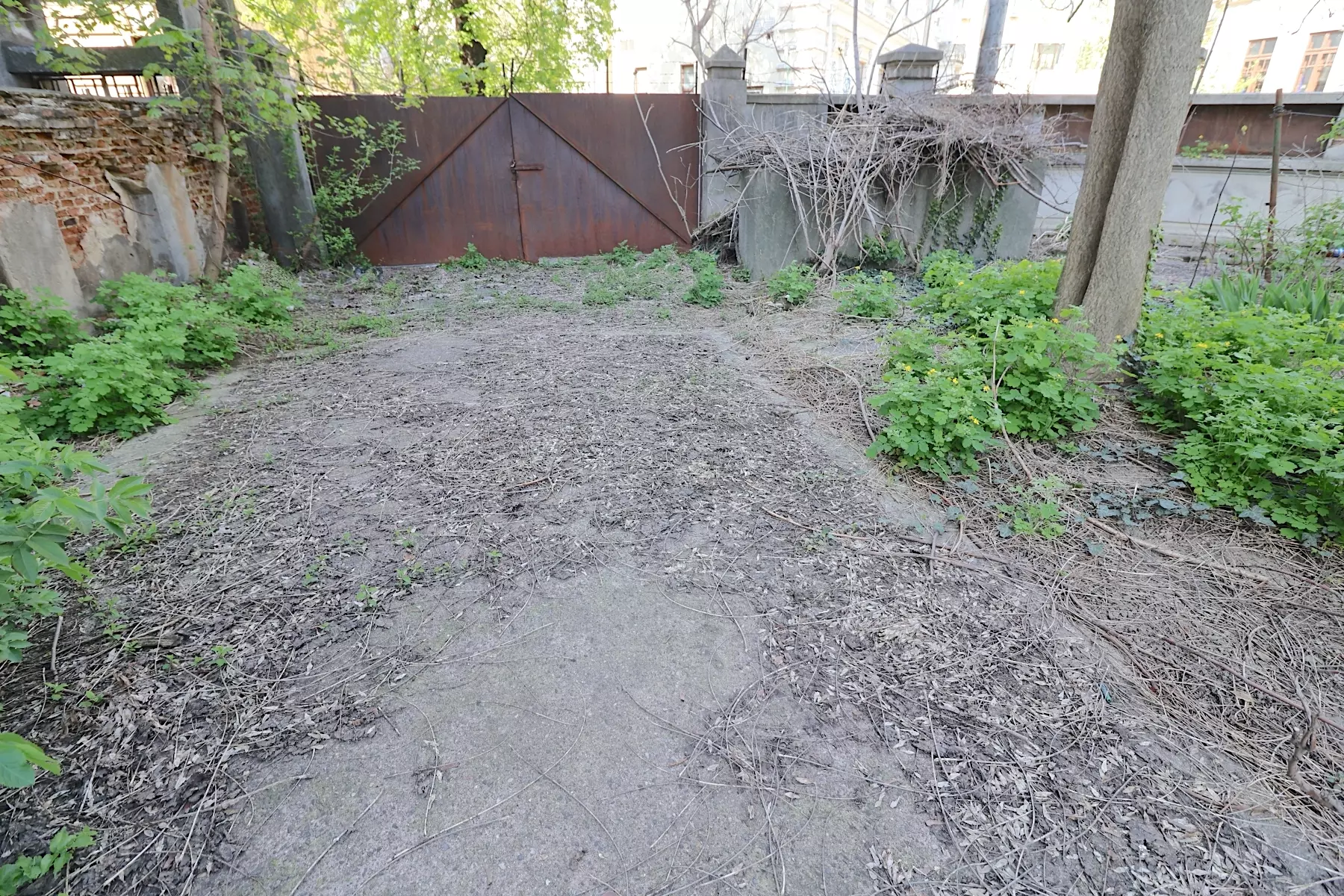
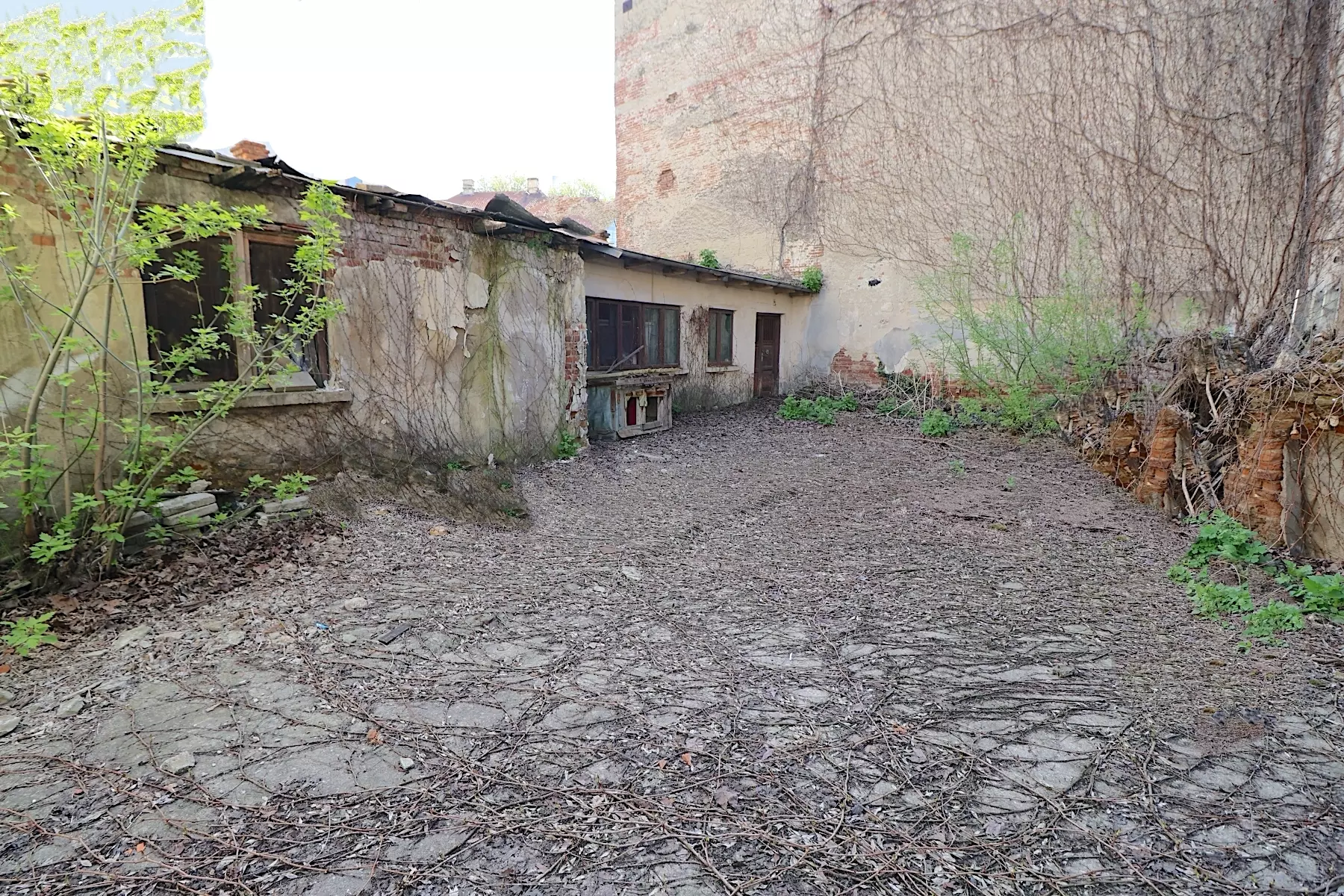
The outdoor space is equally noteworthy. The available courtyard area spans around 400 square meters. This expanse is more than enough to accommodate parking for between 8 to 10 vehicles. Beyond parking, there’s ample room for the development of an urban garden or even an outdoor event space, presenting an opportunity to create a truly exclusive experience for any future use.
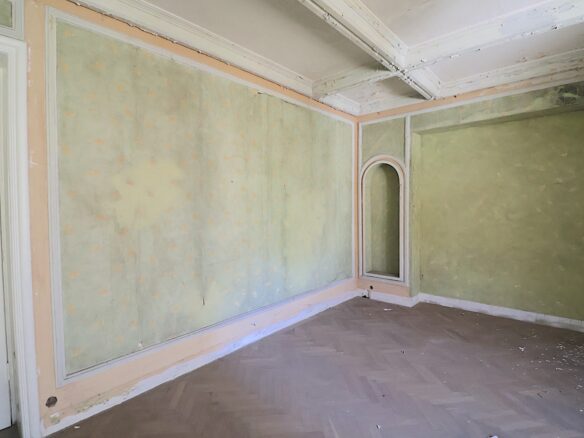
Historically, this building served as a private residence. However, since the 1990s, it has seen a variety of commercial functions. Currently, the villa is in a condition that reflects its age and past uses; it’s in a reasonable state of preservation. Nevertheless, it’s clear that the property requires renovation work. This undertaking would not only restore it to its former aesthetic glory but also bring it up to the comfort standards expected today.
The villa’s current configuration and location make it an appealing prospect for a range of investment opportunities. It offers ideal premises for conversion into a boutique hotel, an event center, a distinguished headquarters for a company, a private club, a restaurant, or even a mixed-use development. The potential here is diverse, catering to various business models and visions.
Regardless of the ultimate purpose this building will serve in the future, one thing is almost certain: once it undergoes a thoughtful restoration, it has the potential to re-emerge as a true architectural treasure. Its location, in a quiet area removed from the clamor of heavy traffic, adds to its appeal. A revitalized villa could very well recapture the essence and elegance of the “Little Paris” atmosphere that characterized the interwar period, carrying that legacy forward for generations to come.