

Greece’s Property Market Faces a Housing Crossroads: Old Homes vs. New Builds
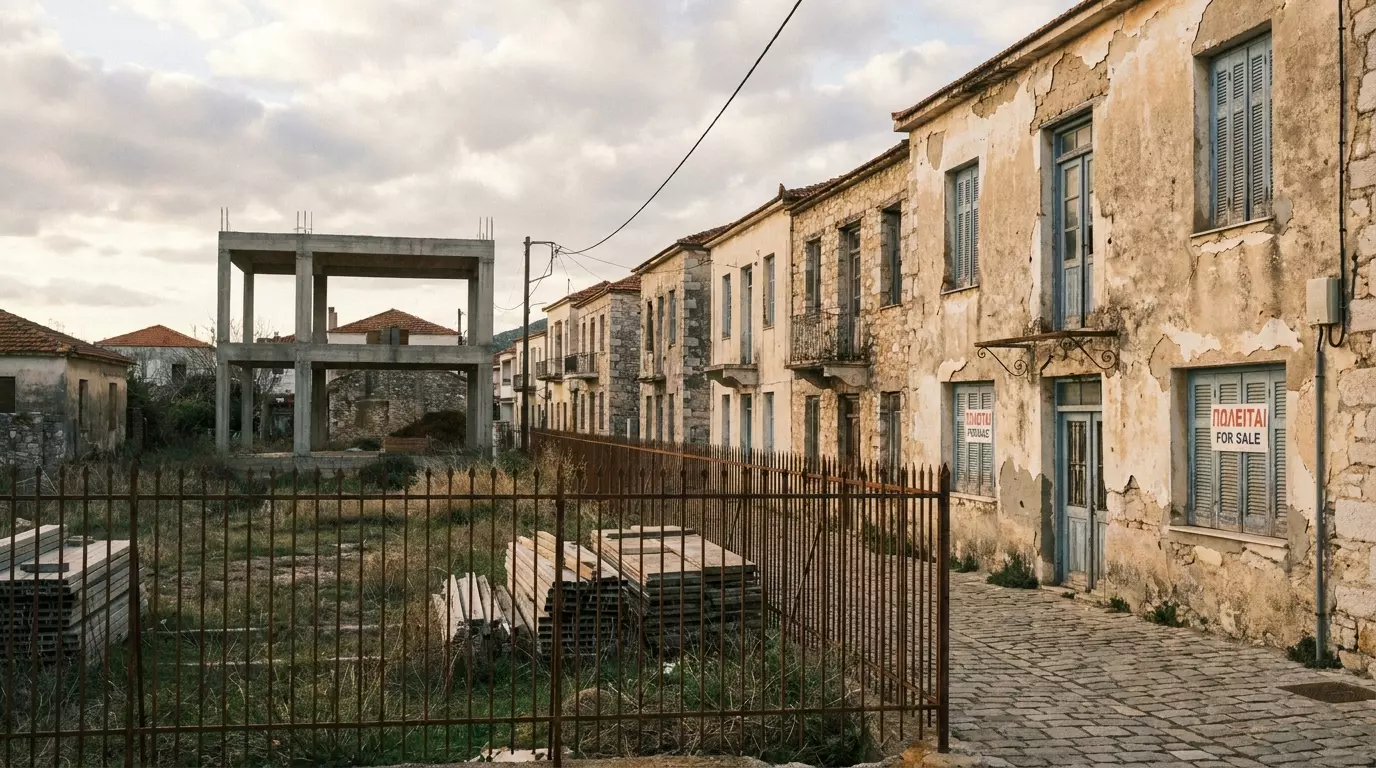
Greece’s real estate sector is experiencing an unusual contradiction. On one hand, the market is flooded with older properties, many decades old and in need of renovation. On the other hand, there is a growing scarcity of modern, energy-efficient homes that today’s buyers actually want. This imbalance is reshaping how Greeks and foreign investors approach property ownership, and it raises important questions about the future of housing across the country. According to a recent report from Greek Reporter, this divide is becoming more pronounced each year.
For prospective buyers, the situation is both an opportunity and a challenge. Plenty of affordable older homes are available, yet finding a contemporary residence that meets modern standards has become increasingly difficult and expensive. Understanding why this gap exists, and what it means for the broader market, is essential for anyone looking to buy, sell, or invest in Greek property in the coming years.
Why Greece’s Aging Homes Are Crowding the Market
A significant portion of Greece’s housing stock was built decades ago, much of it during the rapid construction booms of the 1960s, 1970s, and 1980s. These properties often lack modern insulation, energy-efficient systems, and updated layouts that contemporary buyers expect. As a result, the market is saturated with older residences that struggle to attract serious interest unless they are heavily discounted or significantly renovated. Many of these homes sit on the market for extended periods, contributing to an oversupply of dated properties.
The reasons behind this glut are tied to demographics and economic history. Greece’s prolonged financial crisis, which began around 2009, brought new construction nearly to a standstill for years. Families inherited older homes they could not easily sell or afford to upgrade, while younger generations increasingly moved to urban centers or abroad. This left a large inventory of aging buildings, particularly in rural areas and smaller towns, where demand has remained weak. The combination of these factors has created a market overflowing with homes that no longer match buyer preferences.
The Growing Gap Between Old Stock and New Builds
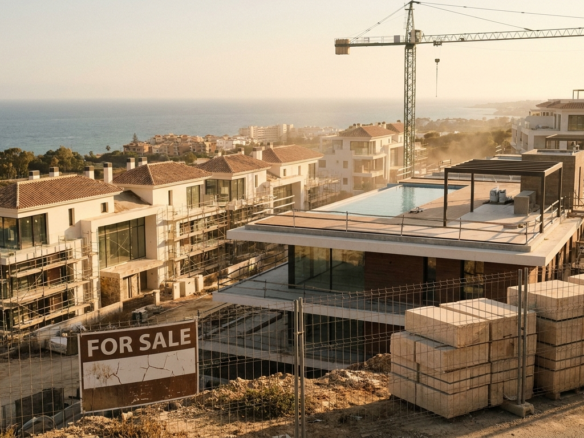
The disparity between available older homes and newly constructed properties has widened considerably. New residential construction in Greece has been slow to recover from the financial crisis, and the limited number of modern builds that do reach the market are quickly absorbed by eager buyers willing to pay premium prices. This creates a two-tier market where energy-efficient, newly built homes command high values while older properties stagnate. Buyers searching for move-in-ready, sustainable housing find themselves with very few choices.
This gap is further illustrated by comparing the characteristics of old and new housing stock. The differences extend far beyond age, touching on efficiency, cost, and long-term value.
| Feature | Older Homes | New Builds |
|---|---|---|
| Energy efficiency | Poor to moderate | High |
| Availability | Abundant | Scarce |
| Purchase price | Lower | Significantly higher |
| Renovation needs | Often extensive | Minimal |
| Resale demand | Weak | Strong |
As the table shows, the contrast is stark. Buyers must weigh the lower upfront cost of older homes against the substantial expense of bringing them up to modern standards. According to data from Eurostat, housing trends across the European Union increasingly favor energy-efficient construction, a shift that further pressures Greece’s outdated inventory.
What the Shortage Means for Greek Homebuyers
For Greek homebuyers, the shortage of modern housing translates into rising prices and limited options in the most desirable categories. Younger buyers and first-time purchasers are hit hardest, as they often lack the capital to either compete for scarce new builds or fund the renovations required to make older properties livable by today’s standards. This dynamic risks pushing homeownership further out of reach for many citizens, particularly in major urban areas like Athens and Thessaloniki where demand is concentrated.
The implications also extend to the rental market and foreign investment. International buyers and those seeking properties for short-term rentals tend to favor modern, well-located homes, intensifying competition for the limited new supply. Meanwhile, the abundance of older homes does little to ease pressure on those seeking quality housing. Buyers facing this market should consider several practical strategies:
- Budget for renovation when purchasing older properties, factoring in energy upgrades.
- Act quickly on new builds, as they sell fast in competitive areas.
- Explore emerging neighborhoods where modern construction may be more affordable.
- Consult local experts who understand regional pricing and supply trends.
- Consider energy incentives that can offset renovation costs over time.
These steps can help buyers navigate a market where the right property is increasingly hard to find.
How Greece Can Boost Modern Housing Supply
Addressing the housing shortage requires coordinated action from both the public and private sectors. The Greek government has a key role to play by streamlining building permits, reducing bureaucratic delays, and offering incentives for sustainable construction. Encouraging developers to build energy-efficient homes through tax breaks or subsidized financing could help close the gap between old and new stock. Programs that support the renovation of older properties, transforming them into modern residences, would also reduce the burden of aging inventory.
Investment in infrastructure and urban planning is equally important. Expanding development in underutilized areas, improving transport links, and modernizing zoning regulations can open up new opportunities for construction. Several measures could accelerate the supply of modern housing:
- Renovation grants to upgrade older homes to current efficiency standards
- Faster permitting to reduce construction timelines
- Public-private partnerships to fund large residential projects
- Green building incentives aligned with EU sustainability goals
- Support for first-time buyers to stimulate demand for new construction
By combining these approaches, Greece can gradually rebalance its property market. The goal is not simply to build more homes, but to build the right kind of homes that meet the expectations of modern buyers while addressing the oversupply of dated properties that continues to weigh on the market.
In Short
Greece’s property market stands at a pivotal moment, caught between an overabundance of aging homes and a pressing shortage of modern, efficient housing. This imbalance affects buyers, sellers, and investors alike, driving up prices for new builds while leaving older properties struggling to find buyers. The financial crisis of the past decade, combined with shifting demographics and changing buyer preferences, has created a market that no longer serves its population effectively.
Moving forward, the solution lies in encouraging sustainable construction, supporting renovation efforts, and reforming the regulatory environment to make building easier and faster. For buyers, careful planning and a clear understanding of the trade-offs between old and new properties are essential. With the right policies and investment, Greece has the potential to modernize its housing stock, ease the shortage, and create a more balanced and accessible property market for everyone.
Frequently Asked Questions
Why are there so many older homes for sale in Greece?
Much of Greece’s housing was built decades ago during construction booms in the mid-to-late 20th century. The financial crisis slowed new building, and demographic shifts left many older homes on the market with weak demand.
Are new homes in Greece more expensive than older ones?
Yes. Modern, energy-efficient new builds are scarce and command significantly higher prices than older properties, which often require extensive renovation to meet contemporary standards.
Is it worth buying an older home in Greece?
It can be, especially if you budget for renovation and energy upgrades. Older homes offer lower upfront costs, but buyers should account for the additional investment needed to modernize them.
What is causing the shortage of modern housing in Greece?
The slow recovery of new construction after the financial crisis, combined with bureaucratic delays and strong demand for efficient homes, has created a shortage of modern residential properties.
How can Greece increase its supply of modern homes?
Through faster permitting, renovation grants, green building incentives, public-private partnerships, and support for first-time buyers to stimulate sustainable construction.
Join The Discussion