
Unique Ancient House In Old Centre, S. Lussurgiu, Sardinia
- €55.000
Overview
- Town houses
- 135 m²
- 1
- 5
- Needs renovating
Description
### House La Volta: A Historic Gem in Santu Lussurgiu
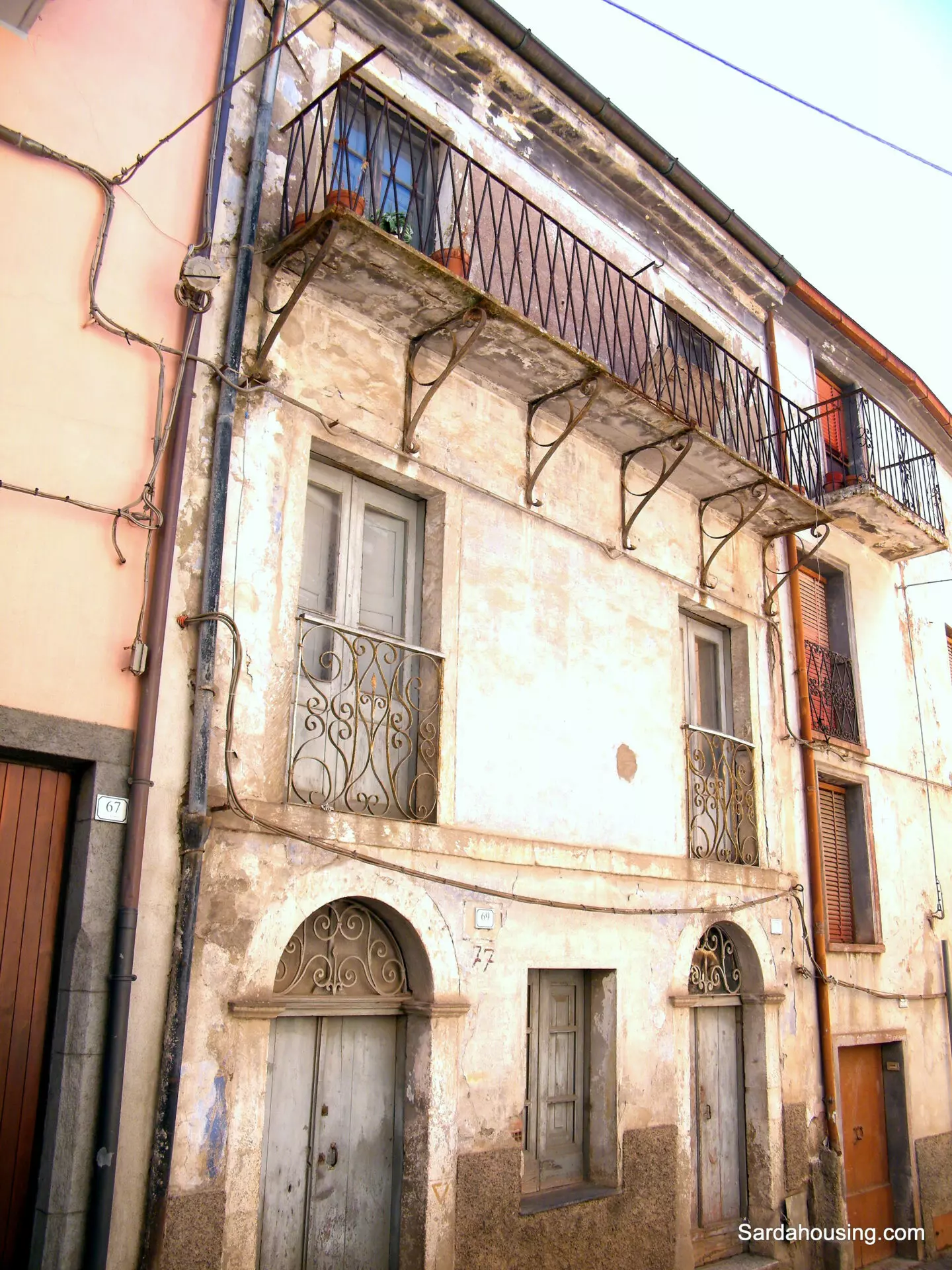
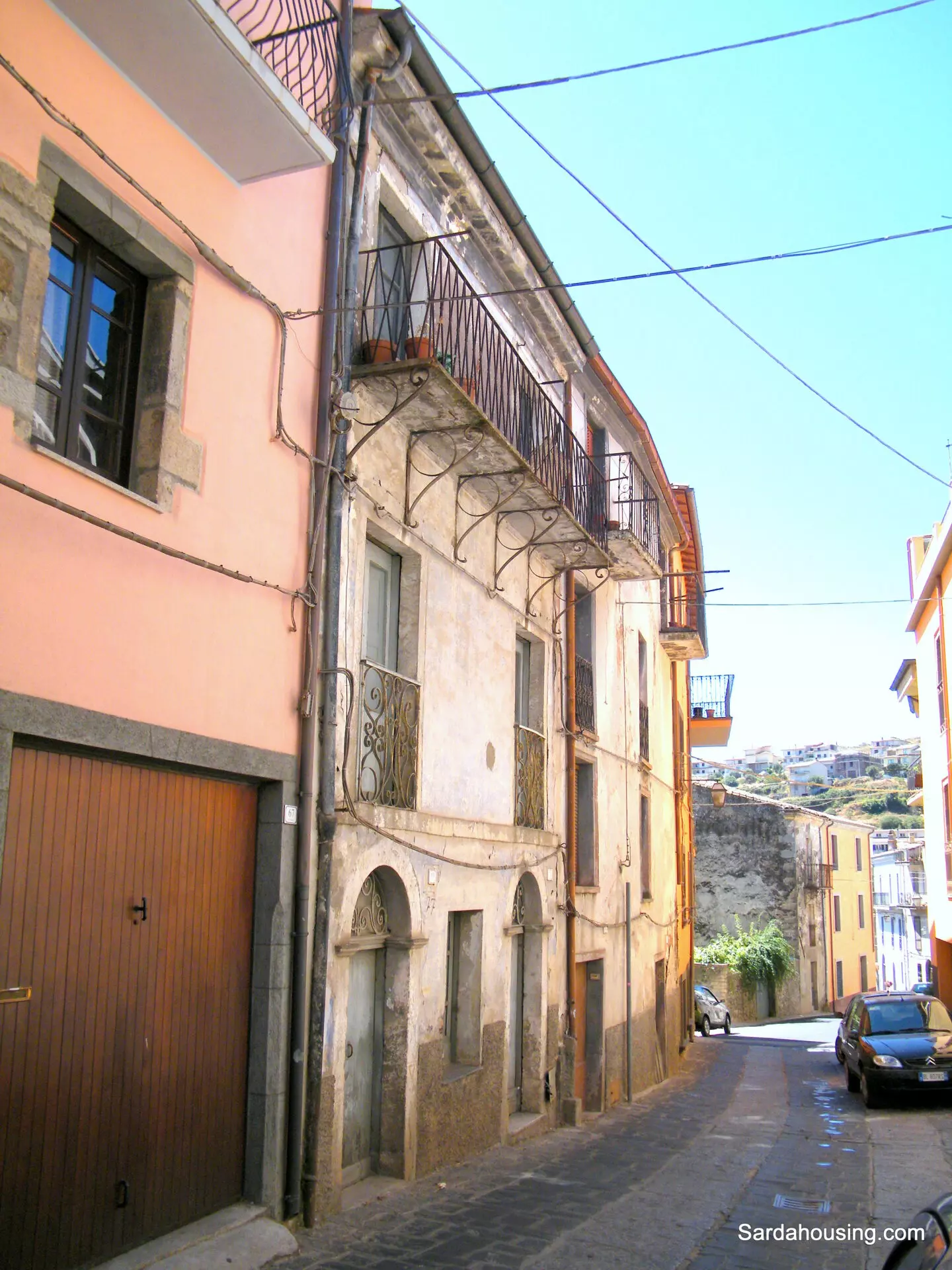
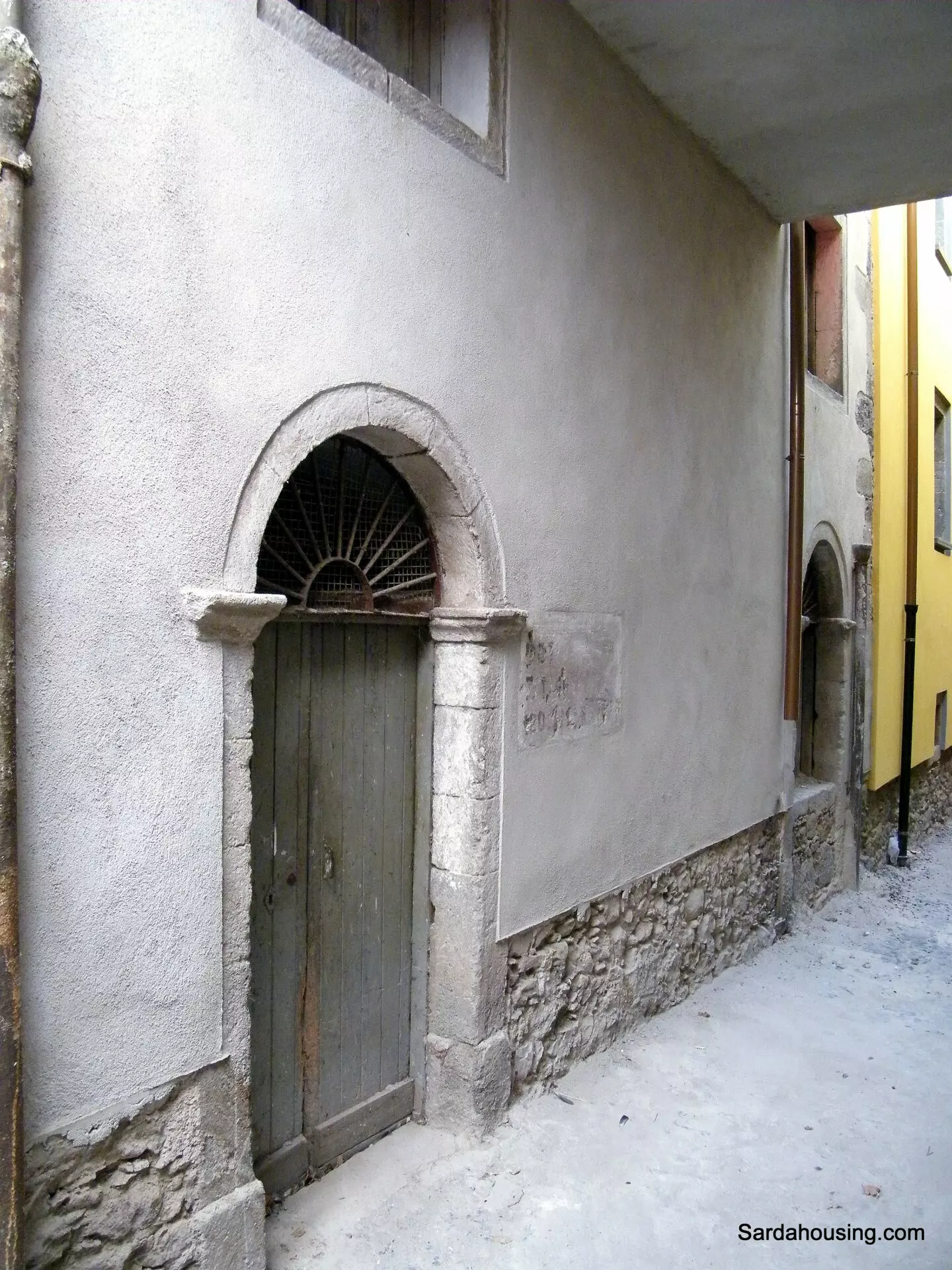
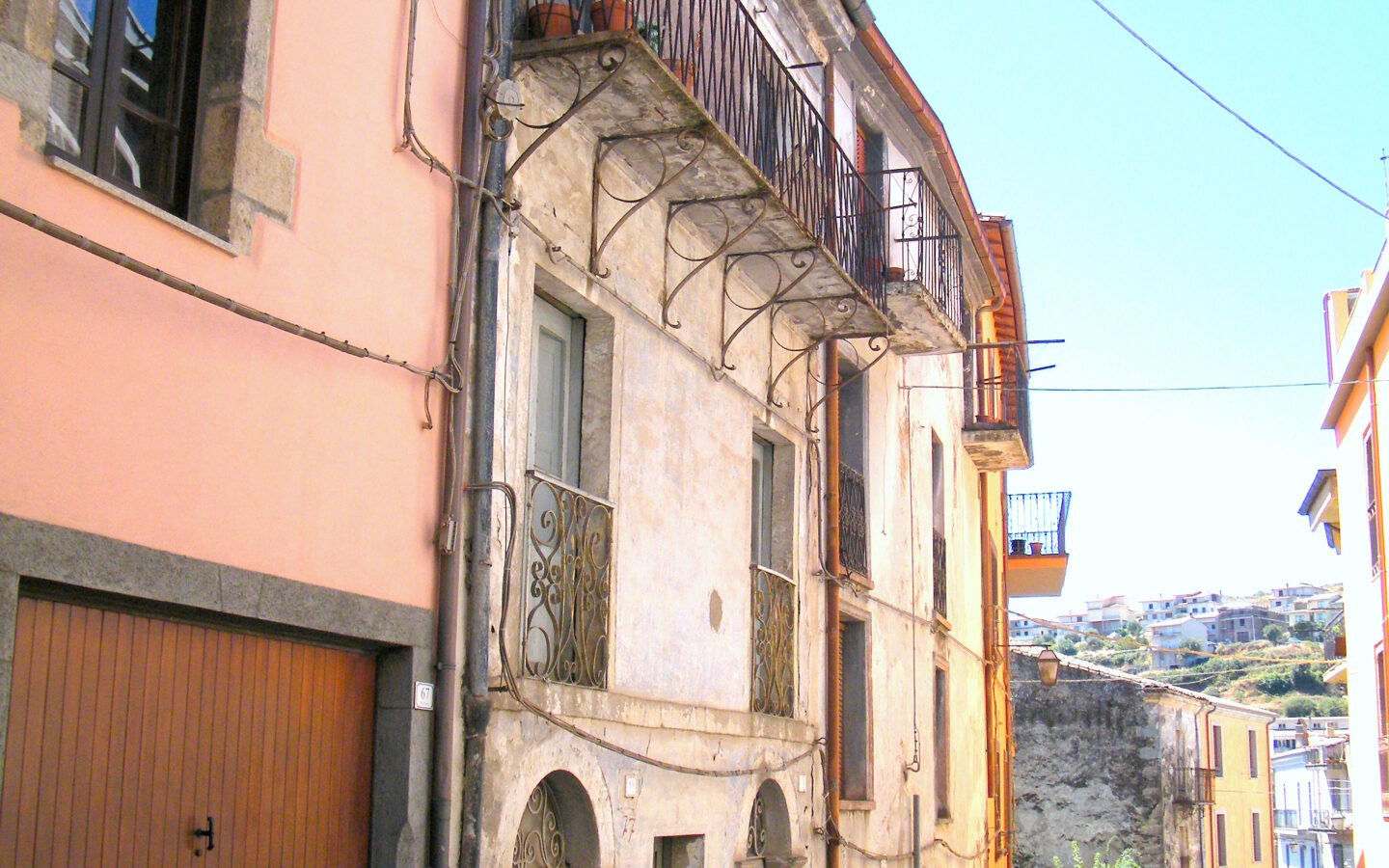
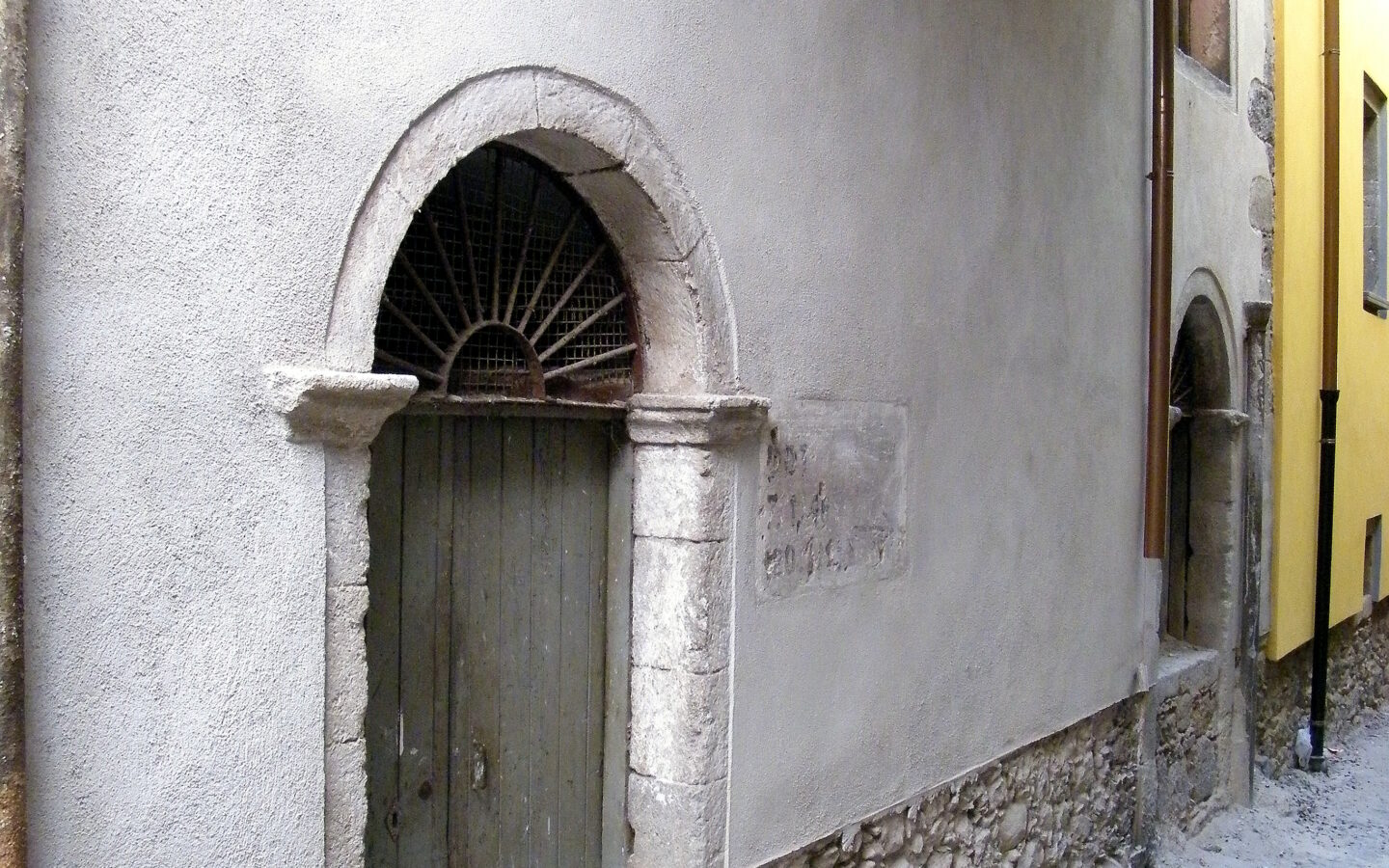
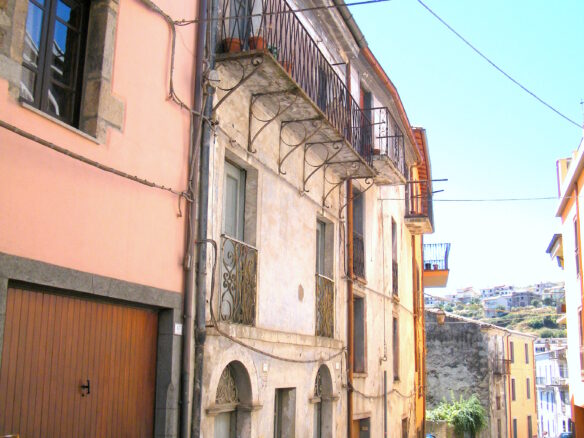
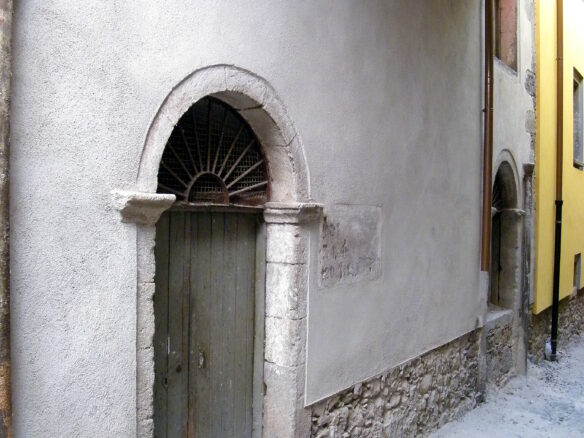
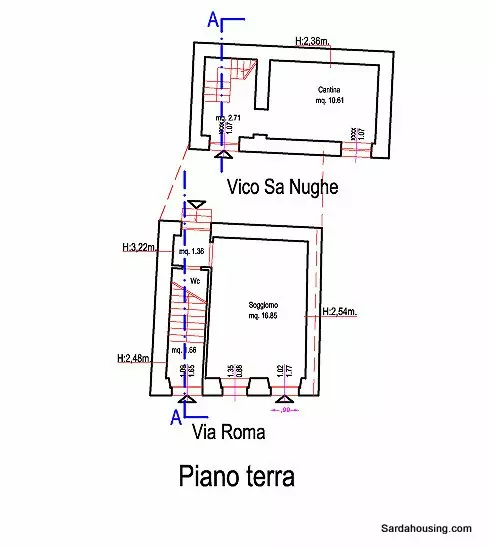
In the heart of Santu Lussurgiu, a village steeped in history in west-central Sardinia, lies a partially renovated historic house known as House La Volta. This property is situated on Via Roma, right in the village’s old center, a location that holds significance as the starting point for “Sa Carrela e Nanti,” the renowned equestrian event during the Santu Lussurgiu carnival.
### Unique Architecture and Layout
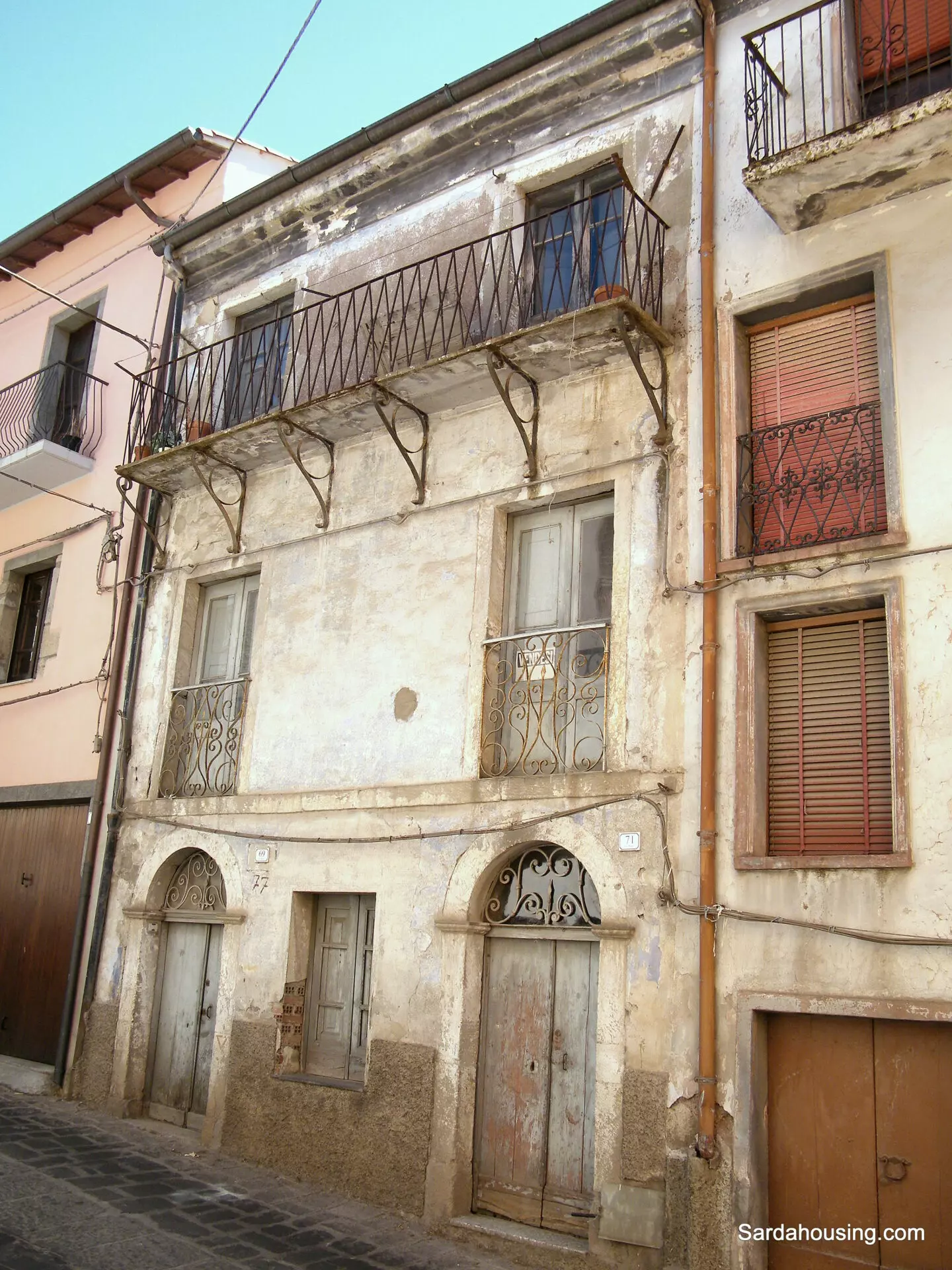
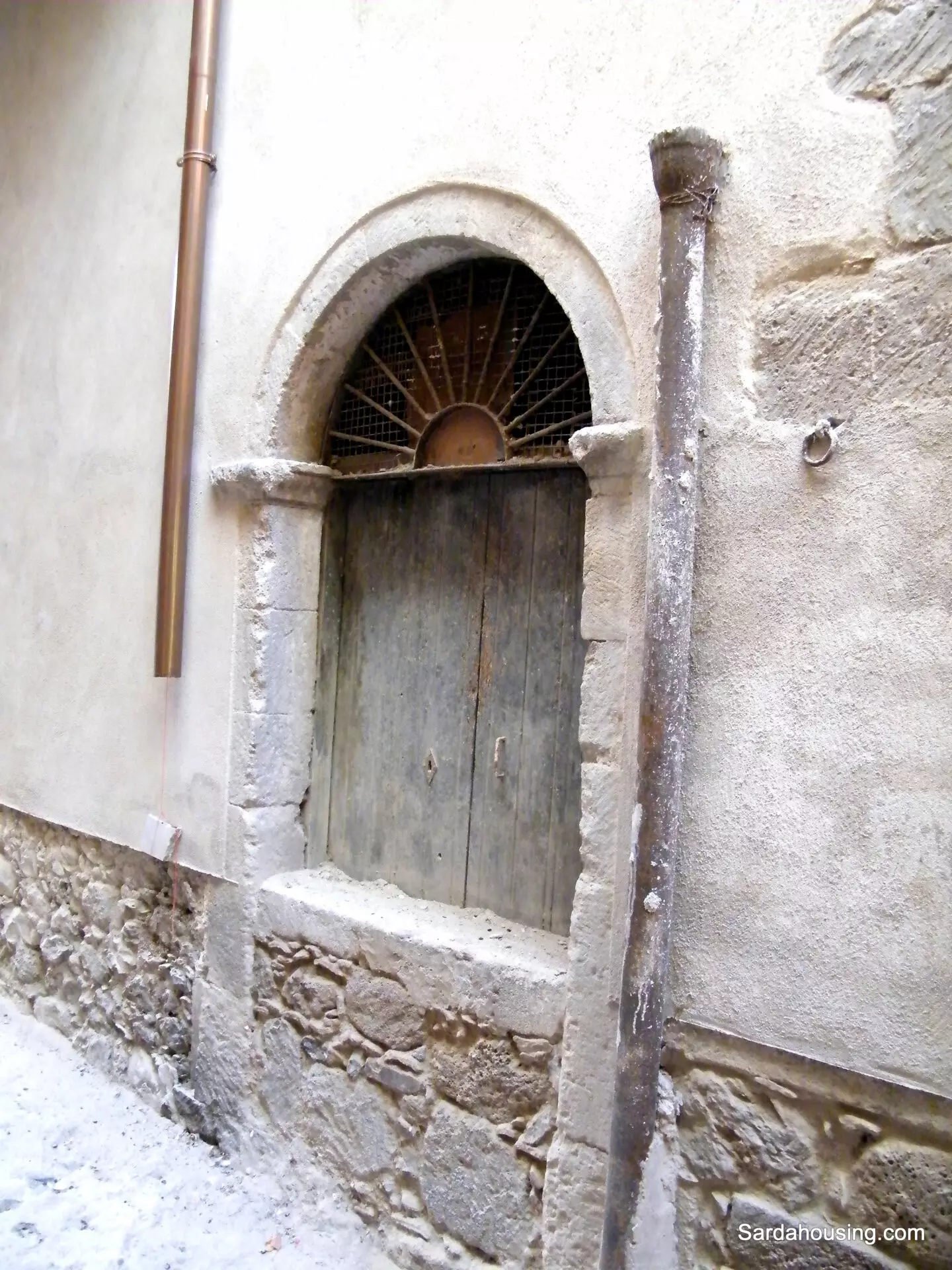
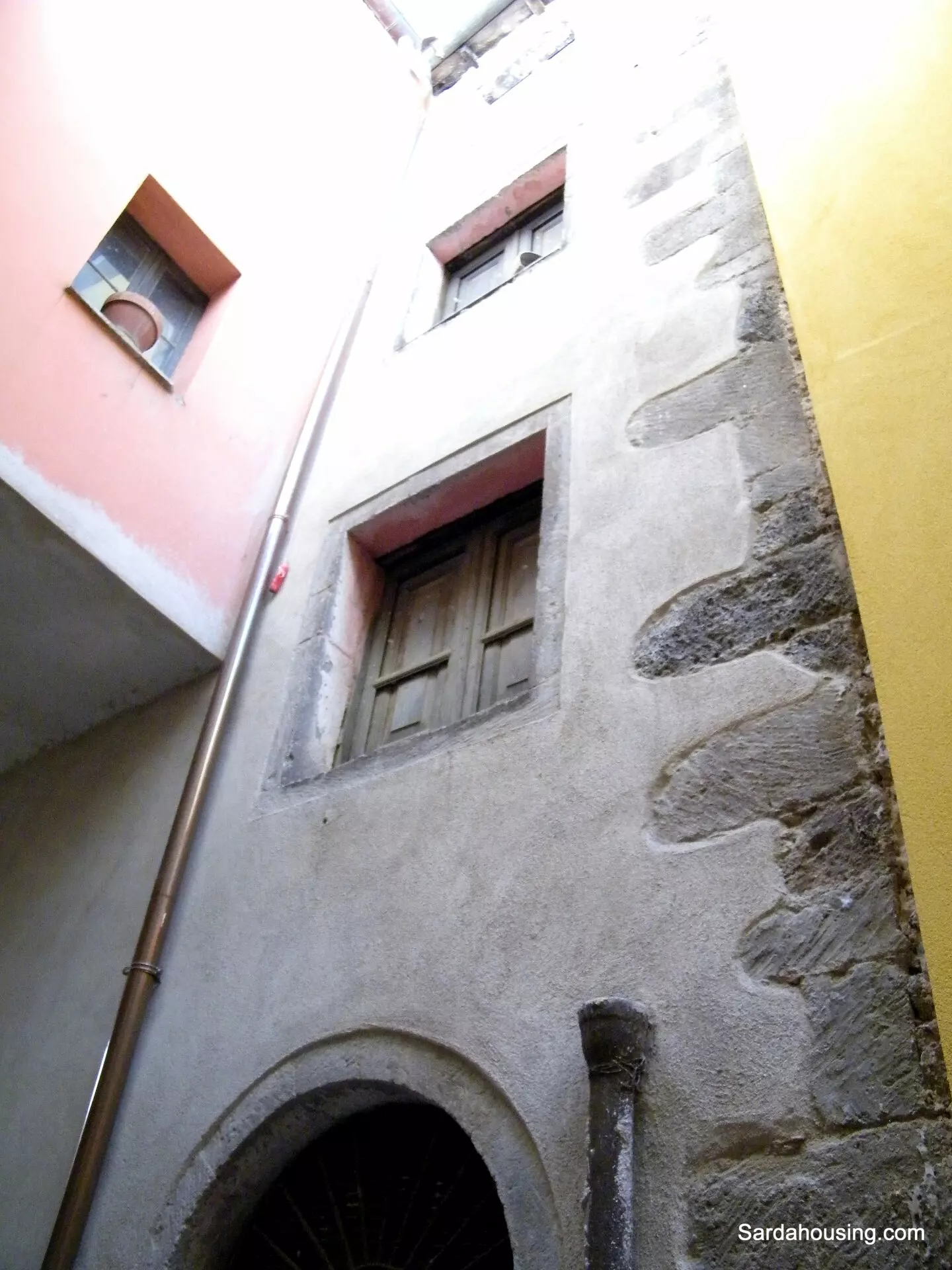
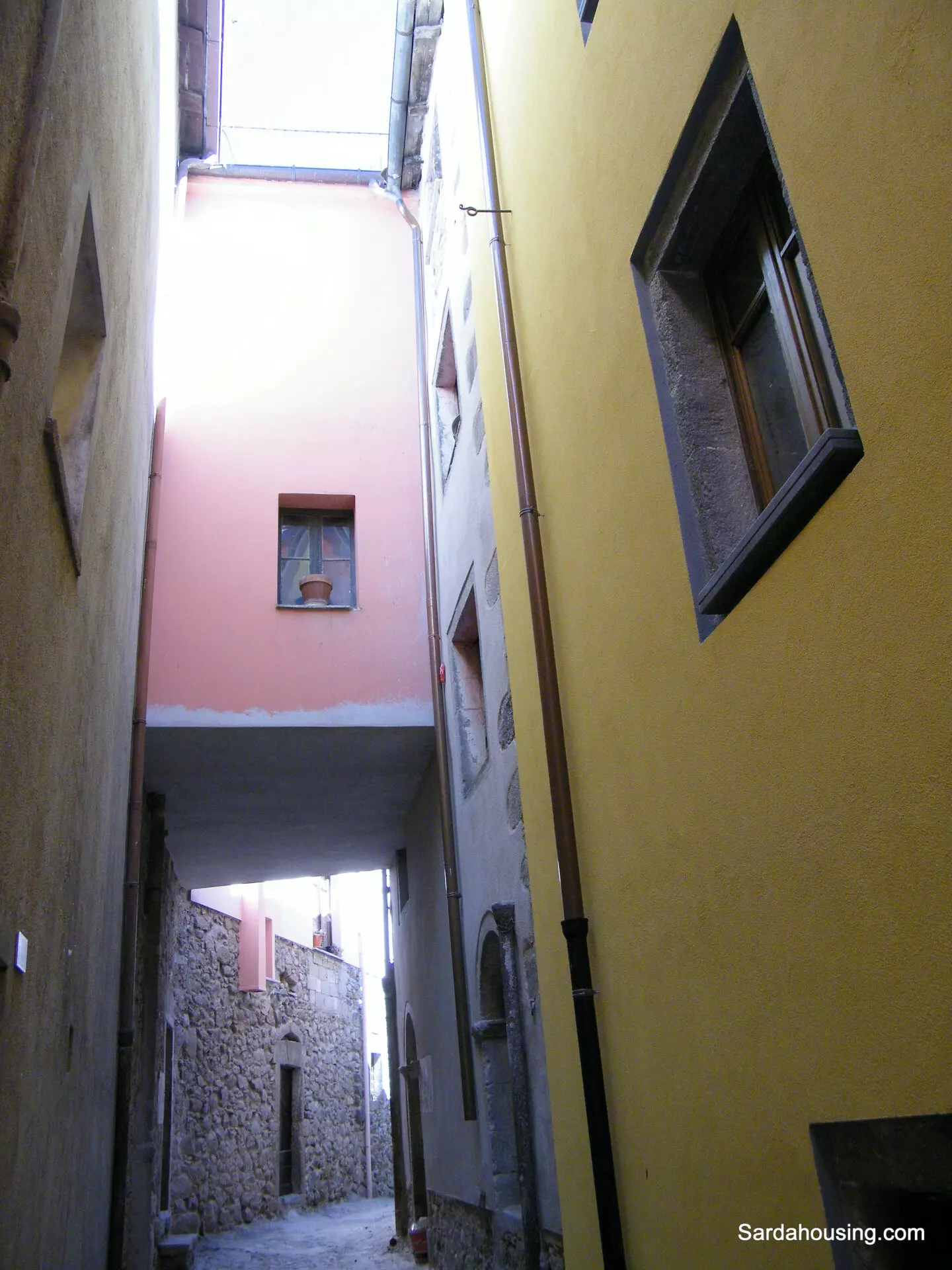
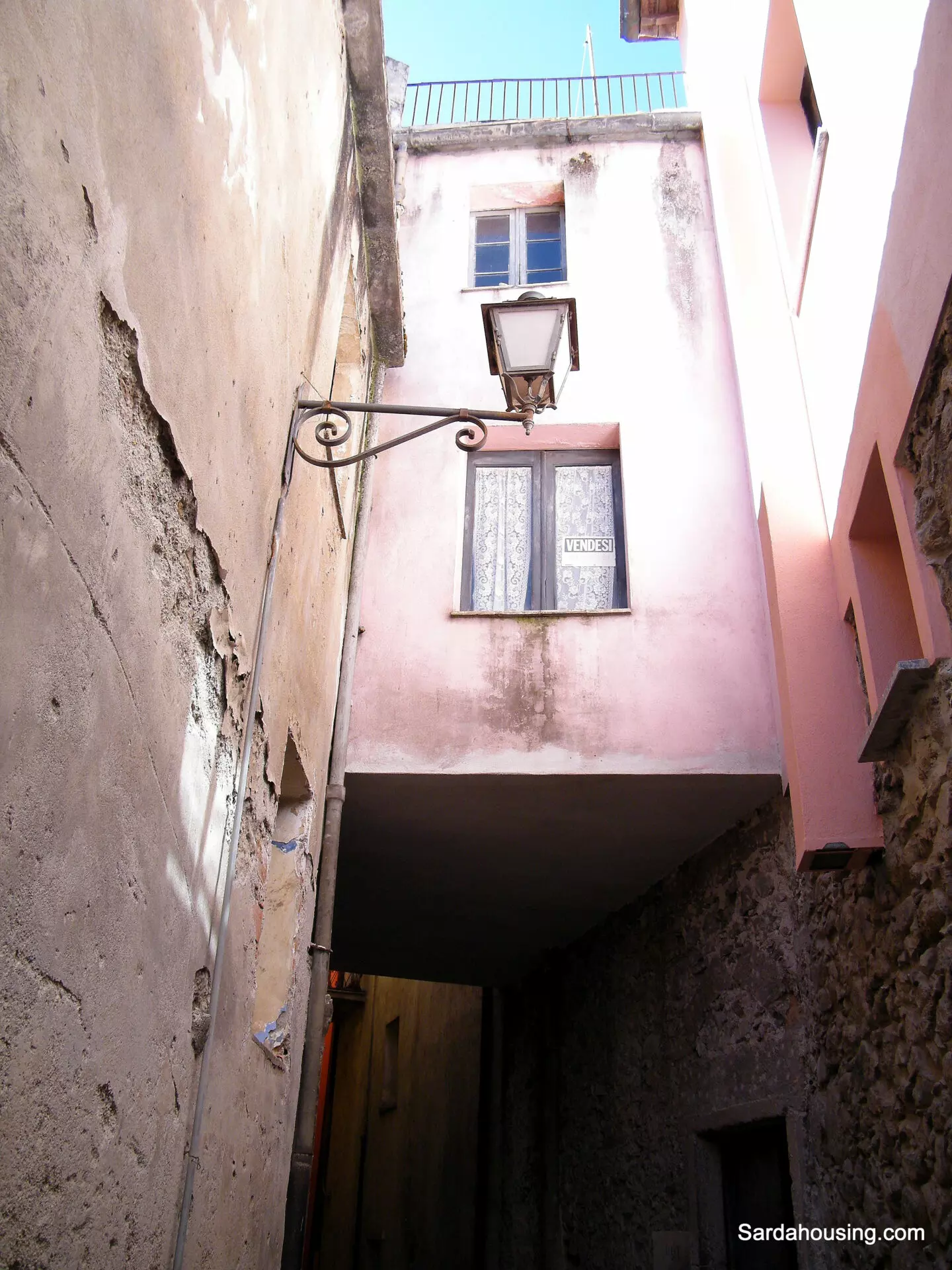
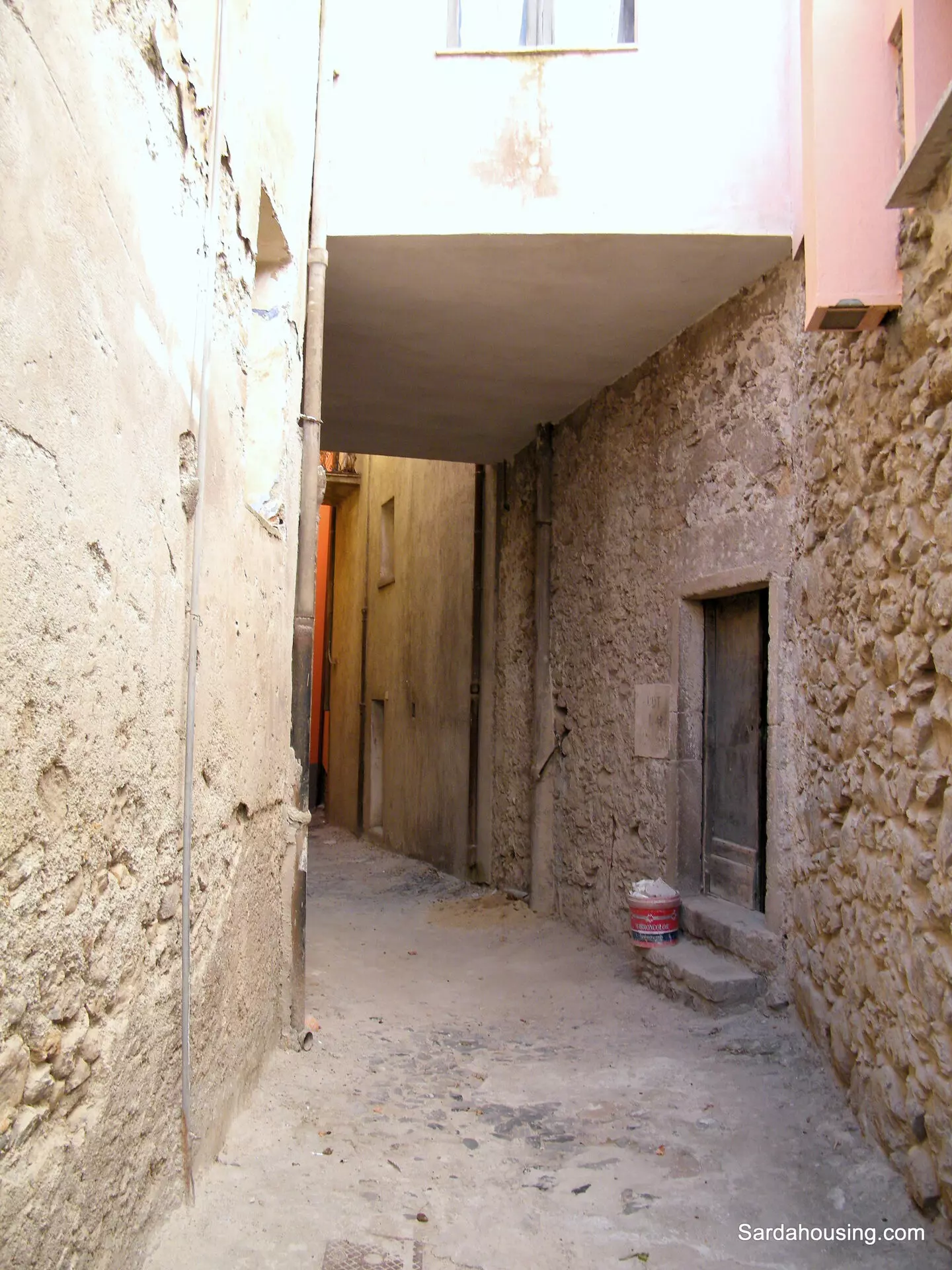
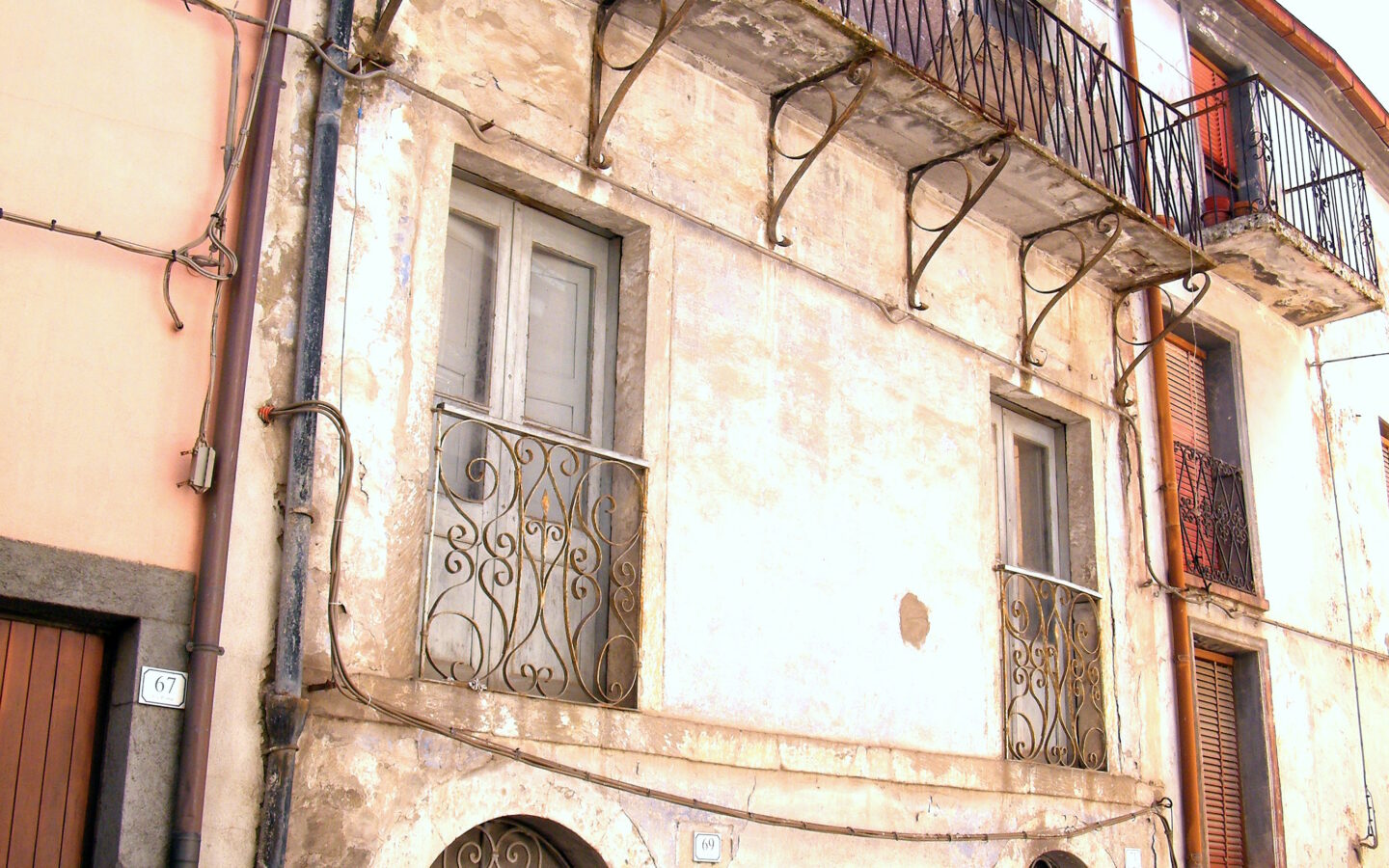
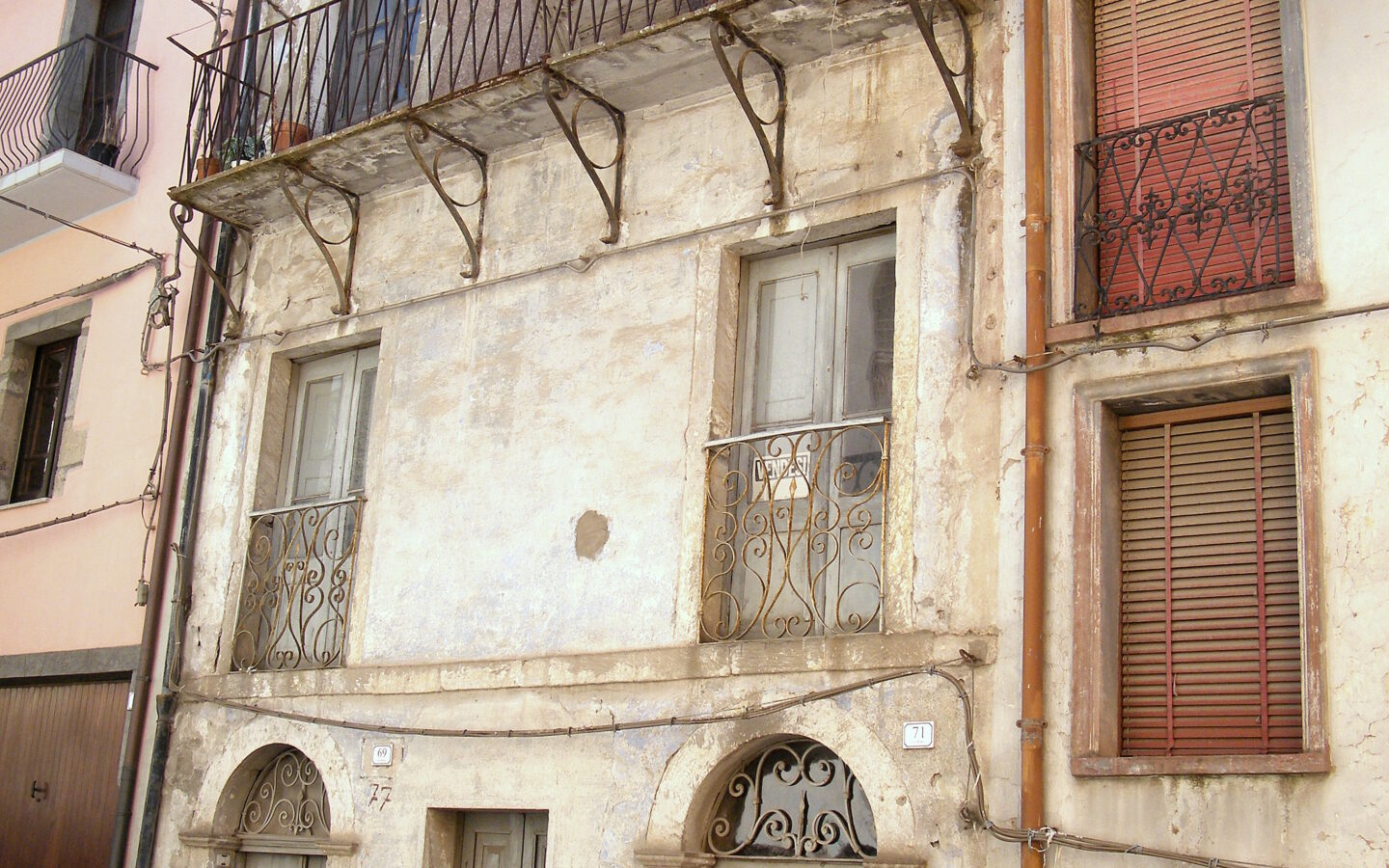
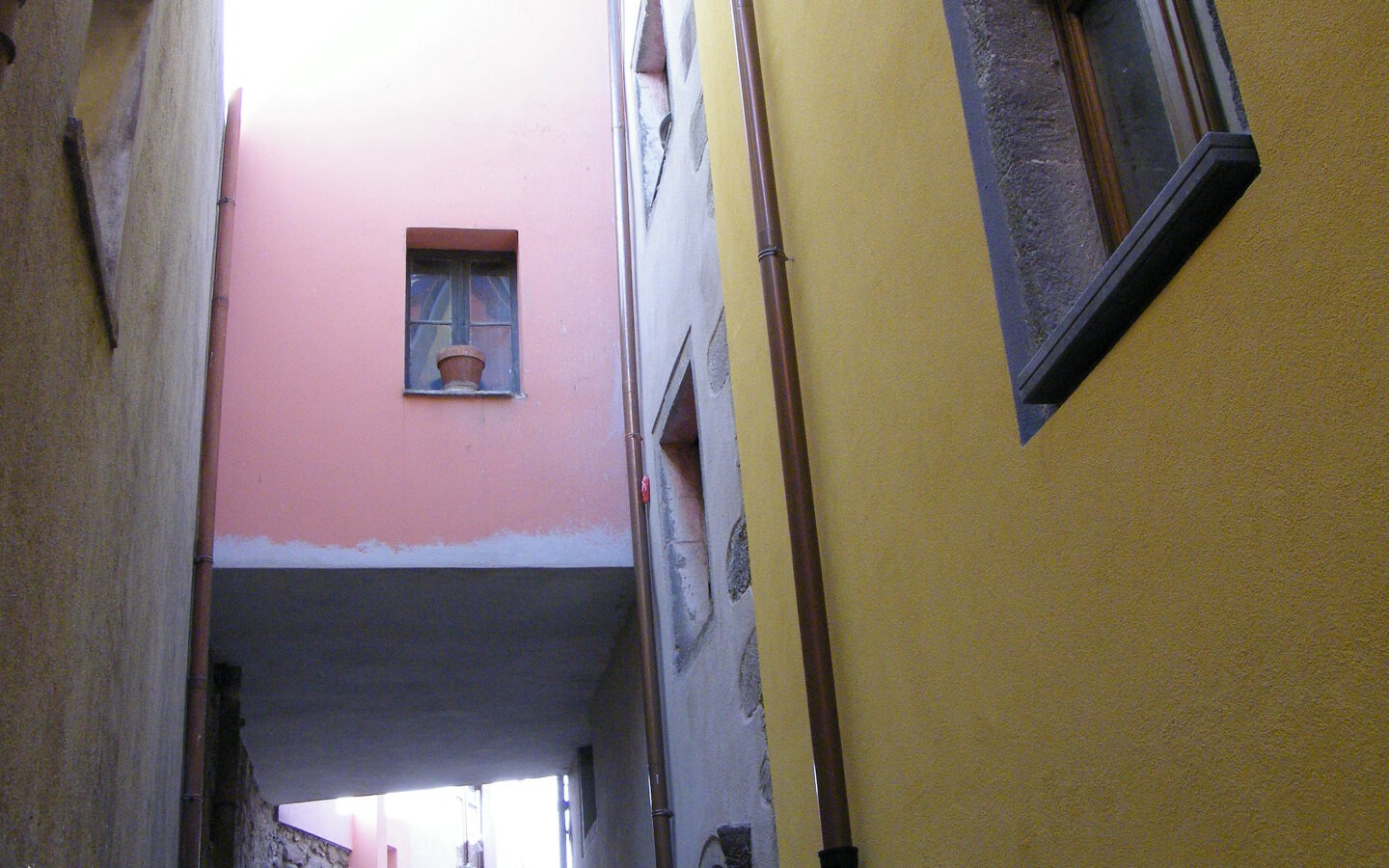
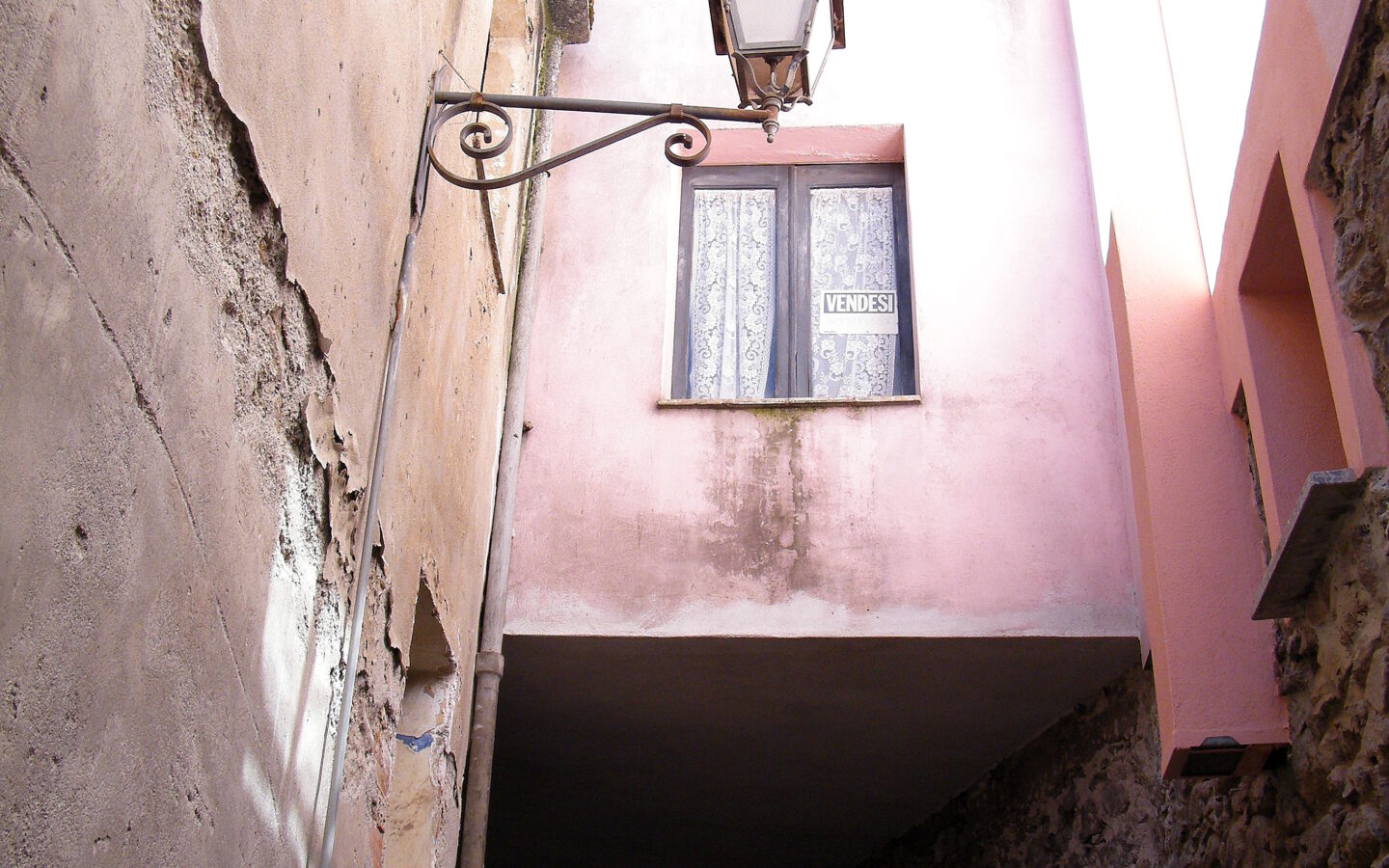
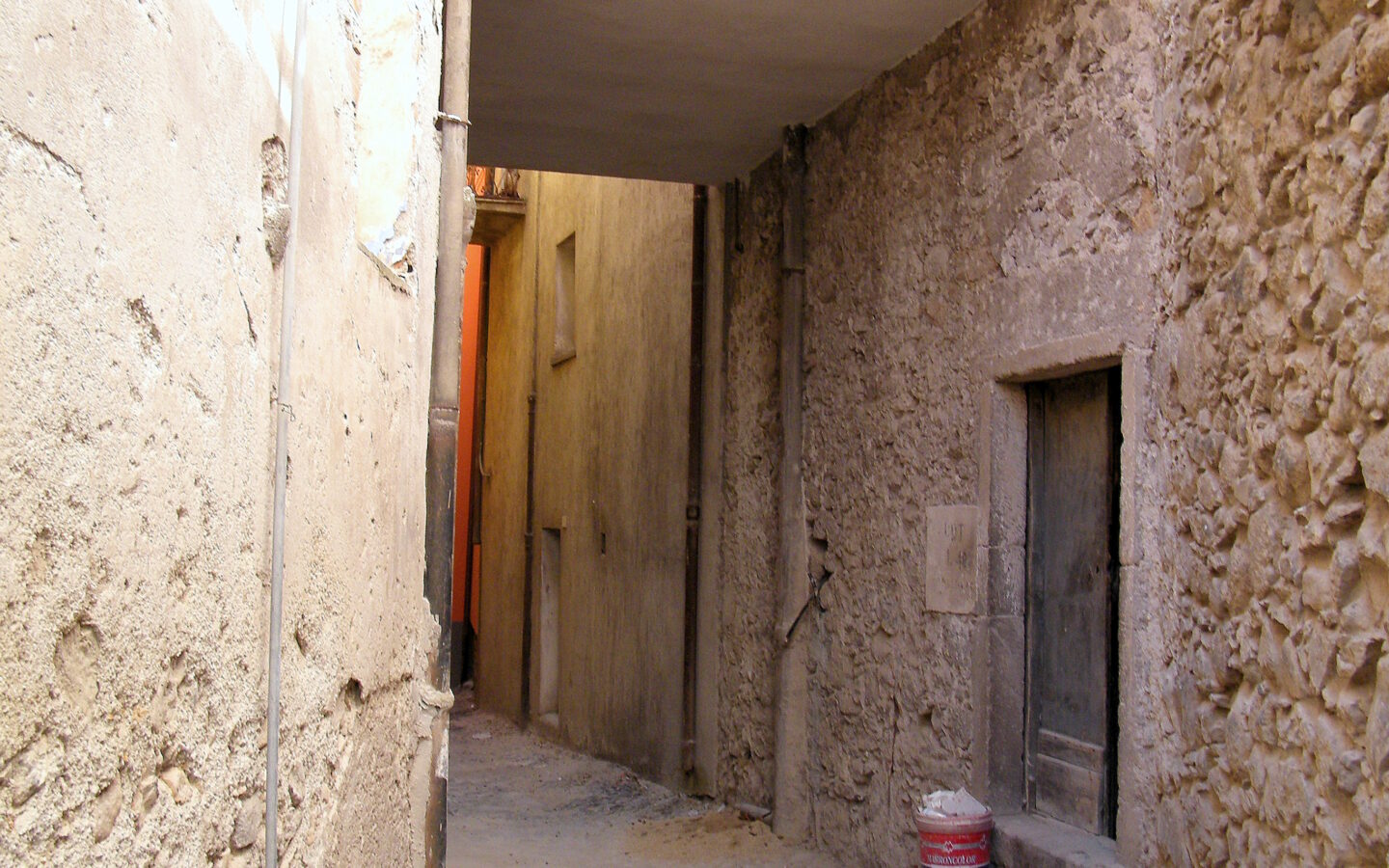
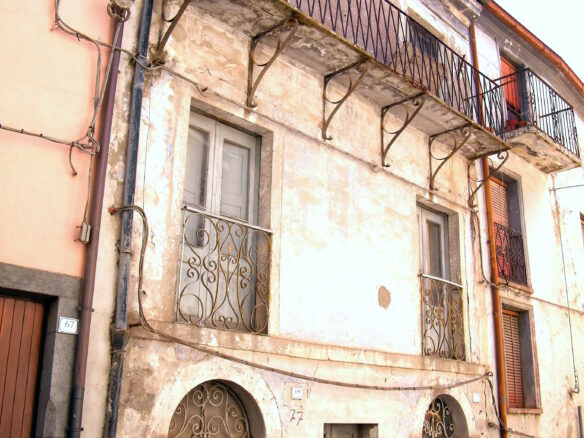
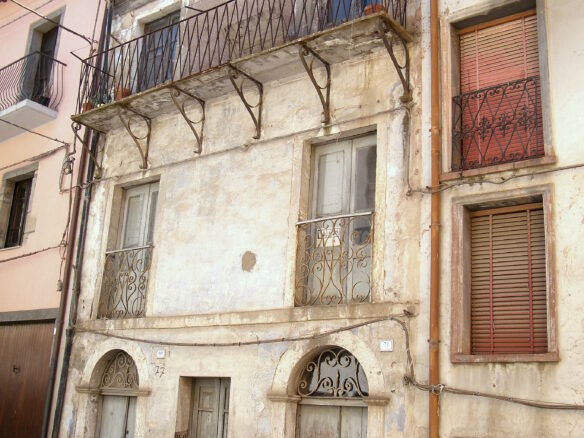
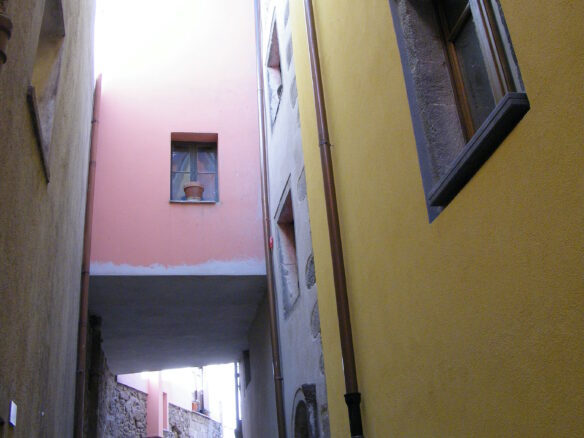
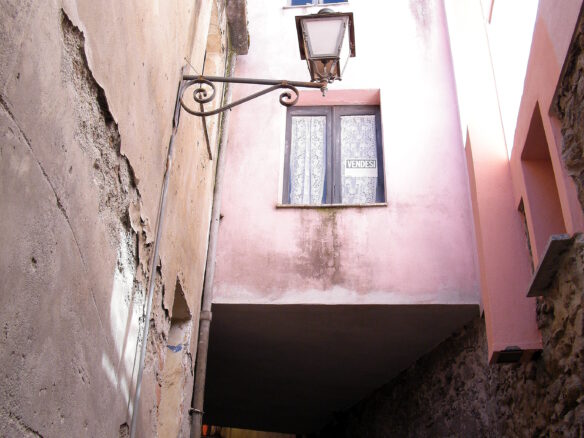
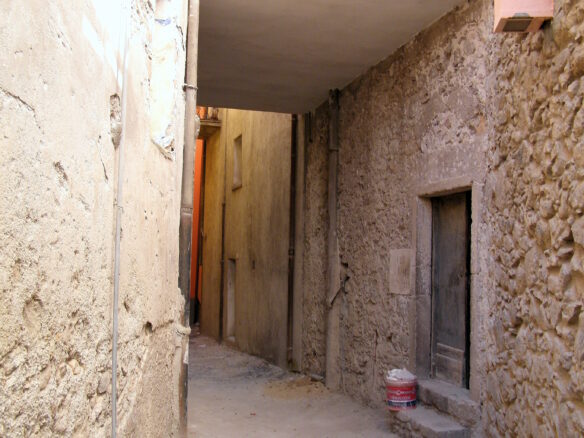
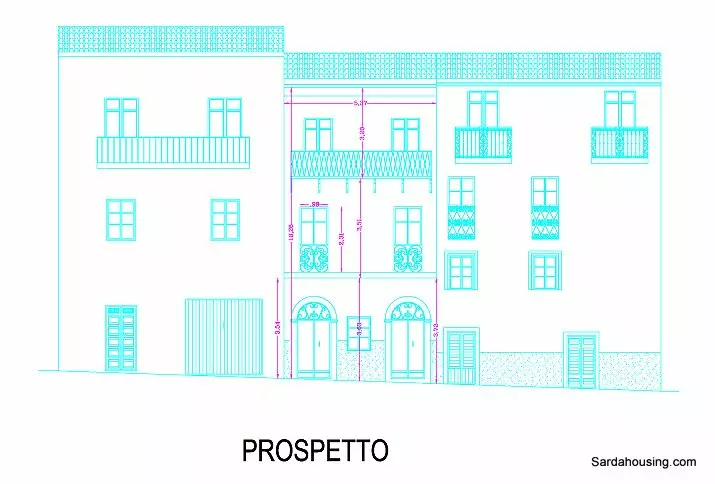
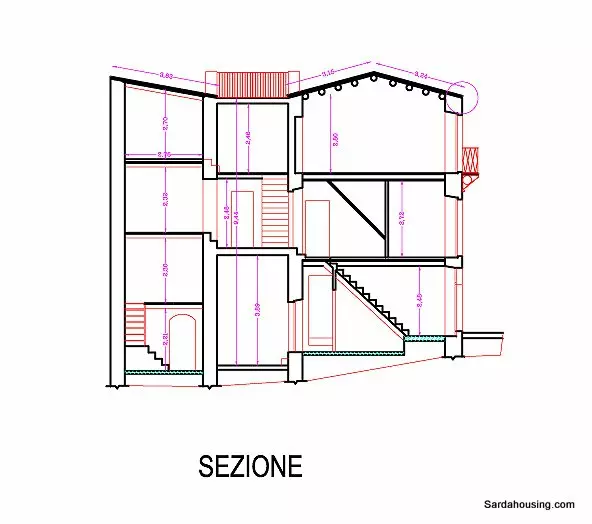
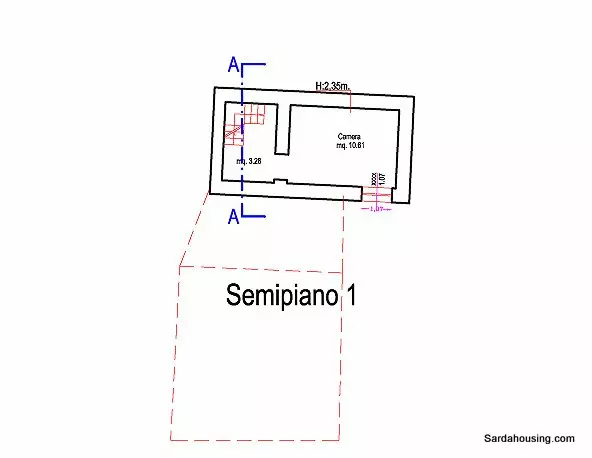
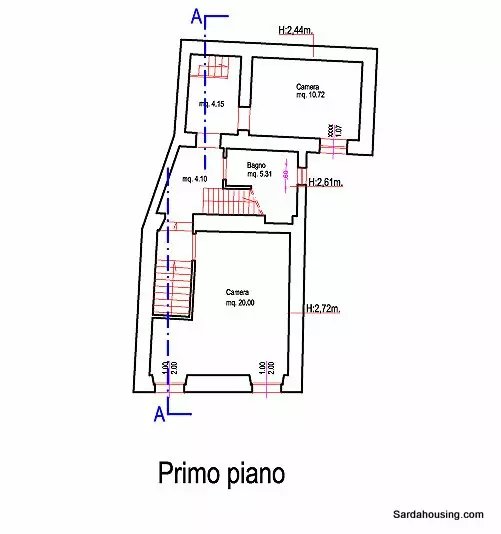
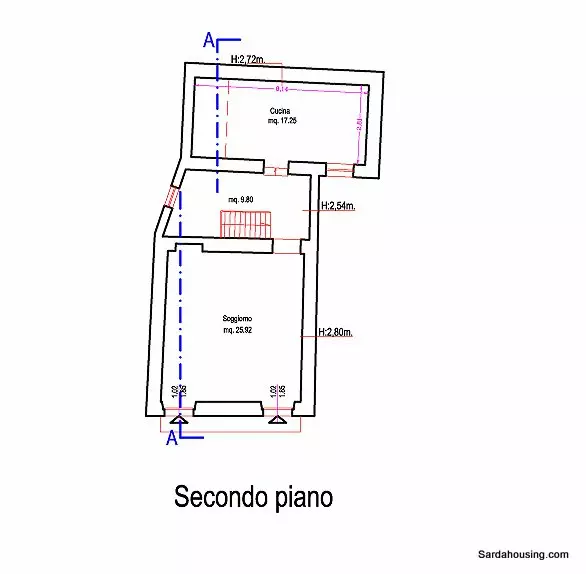
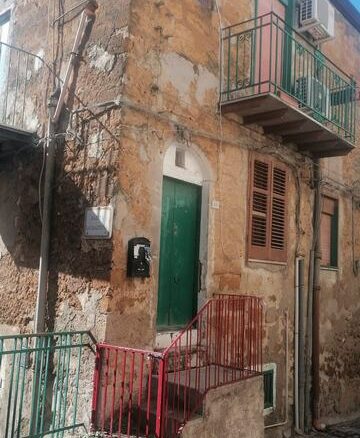
House La Volta presents a distinctive architectural character, typical of the region. It spans three levels, a common feature for buildings of this nature. What makes it particularly noteworthy is that it comprises two distinct real estate units. These units are ingeniously connected on the upper floor by a vault that extends over a back alley, creating an unusual and charming link between them.
### Interior Spaces and Construction Details
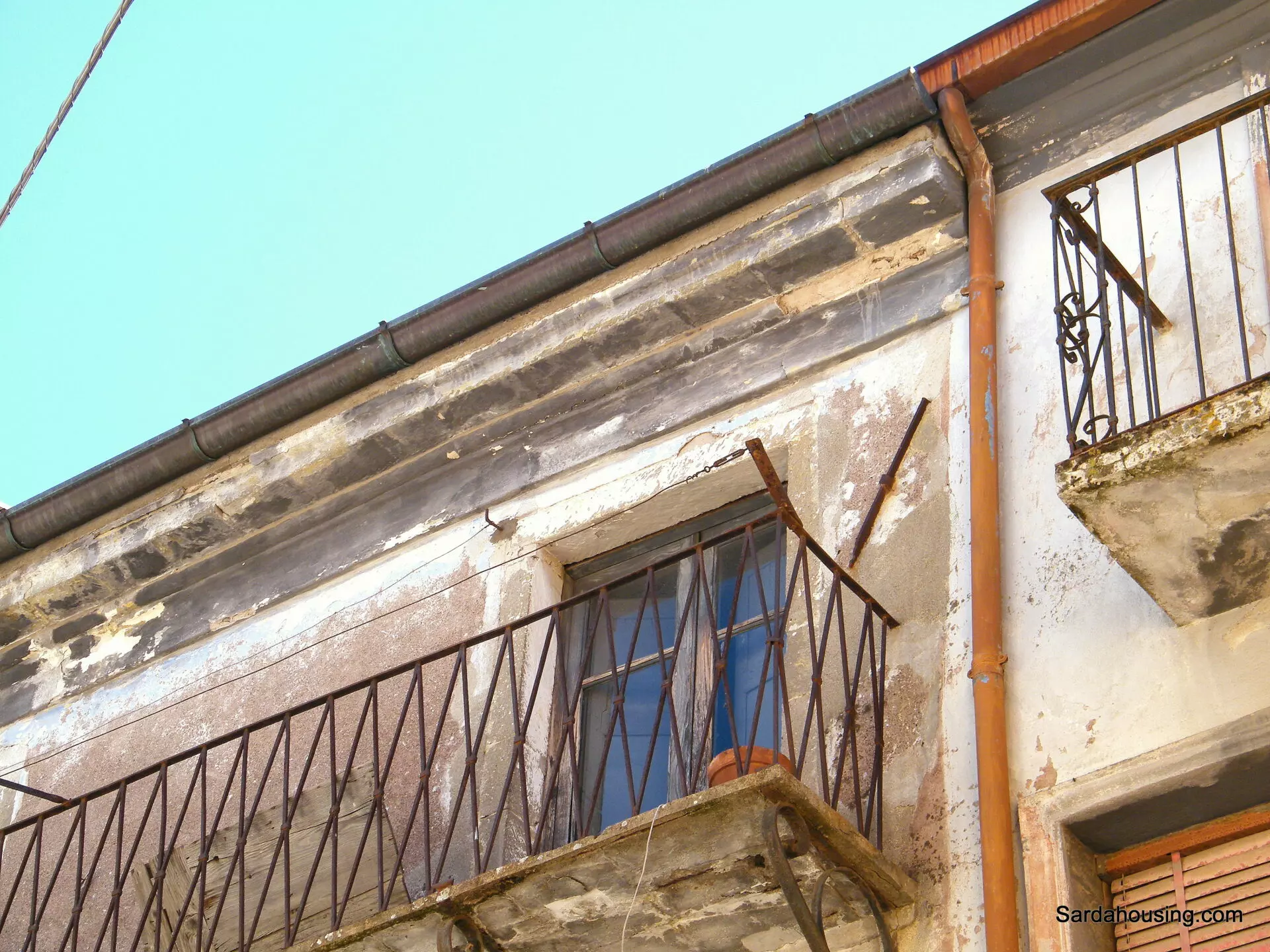
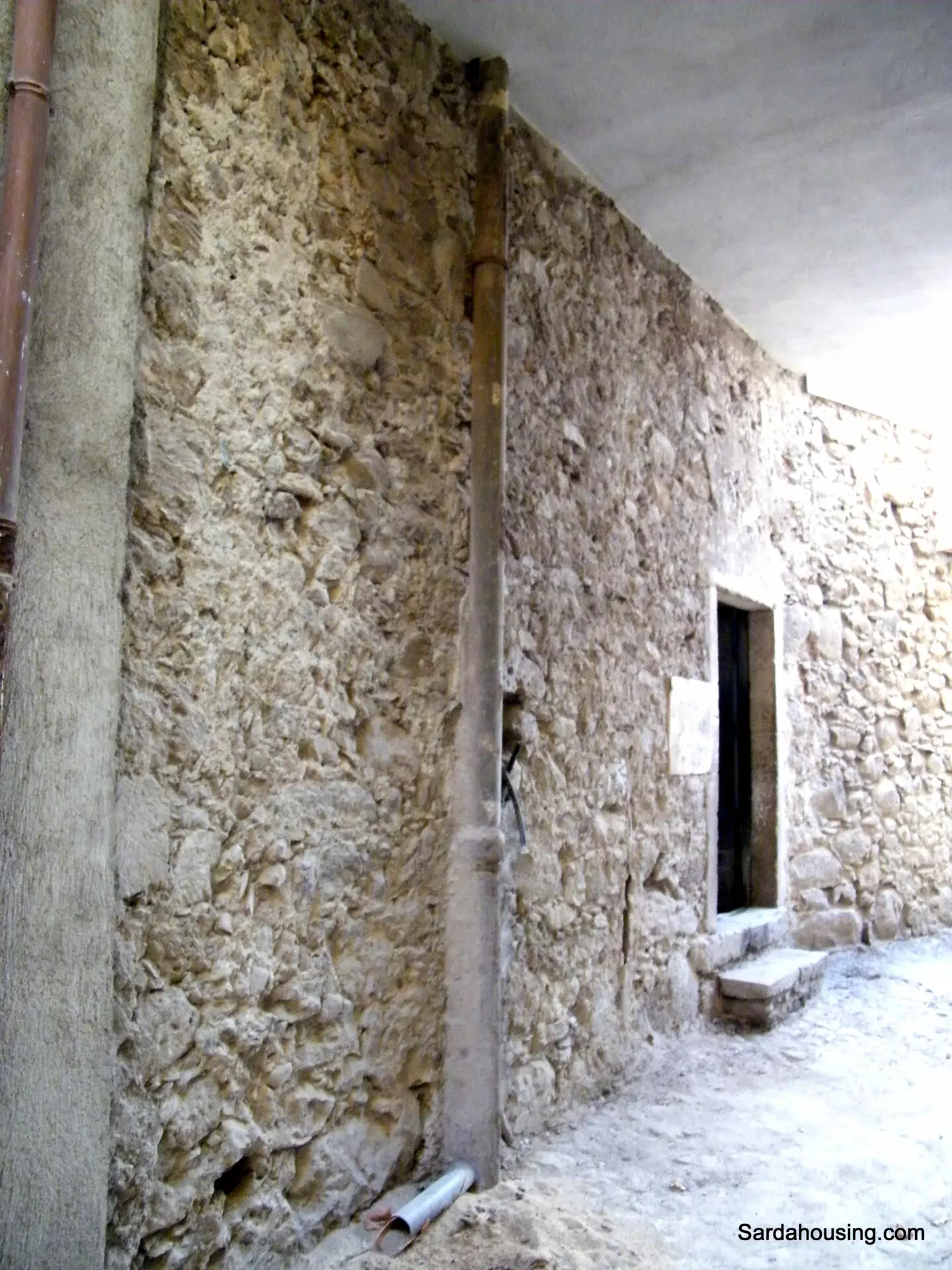
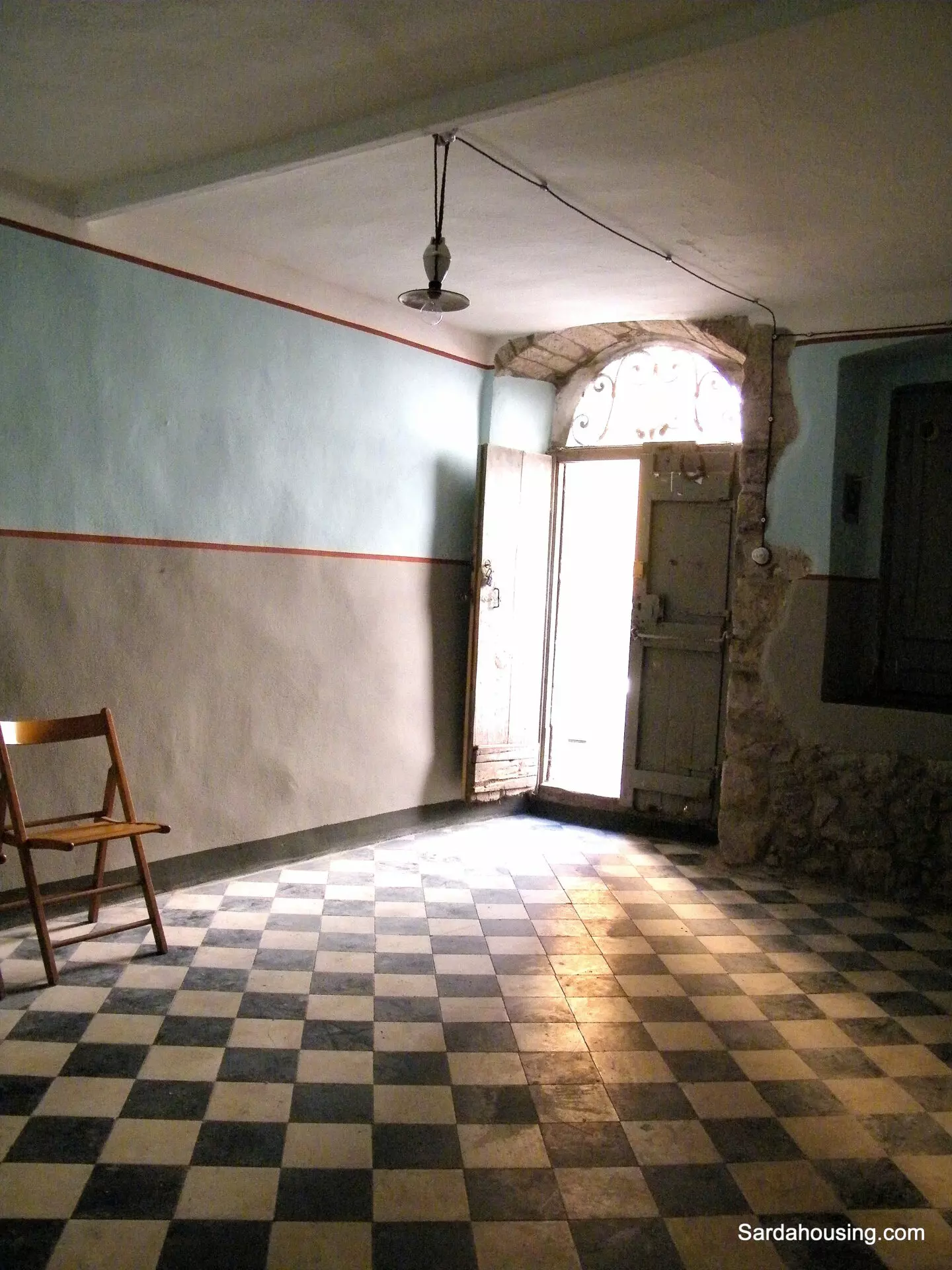
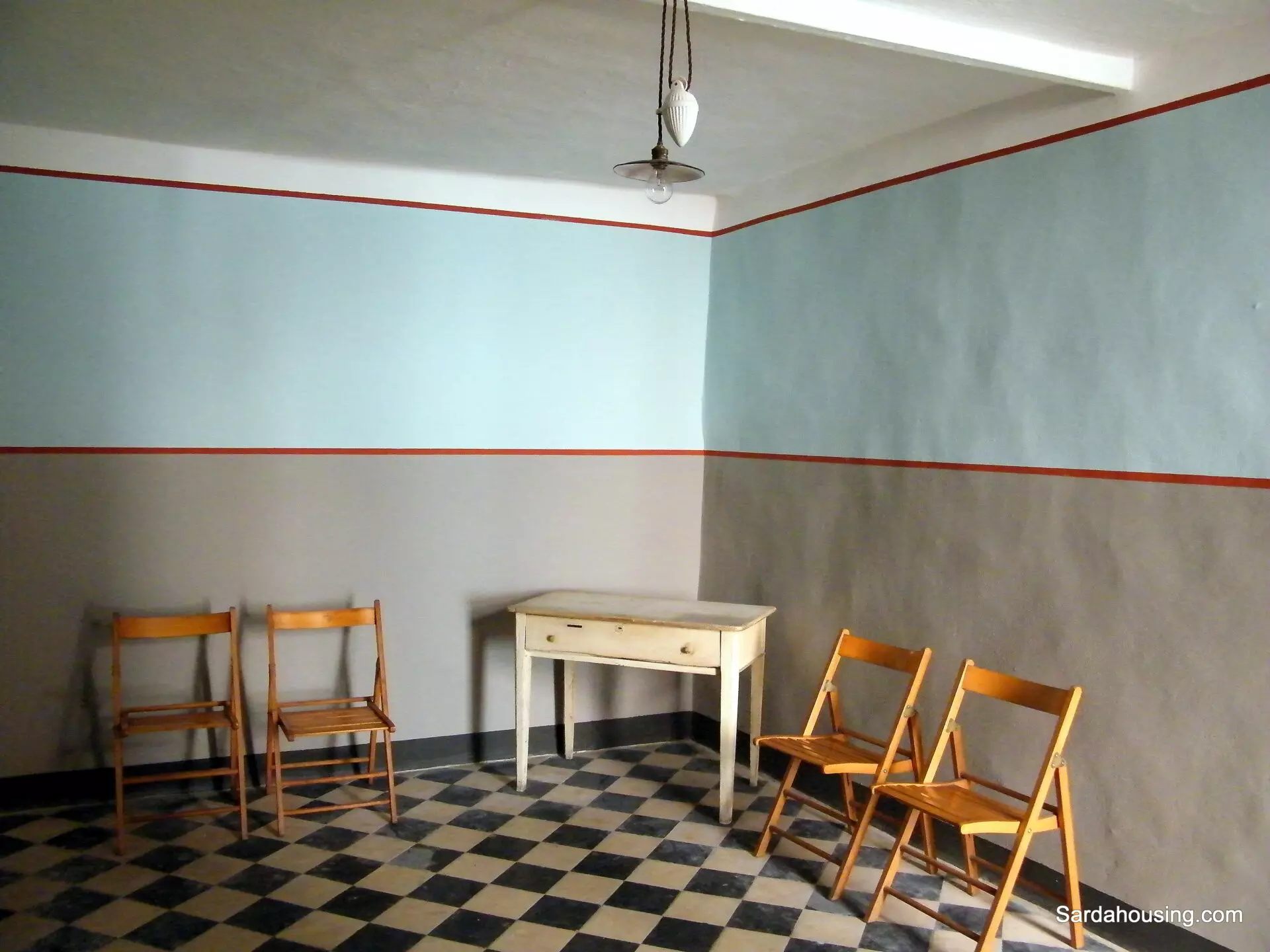
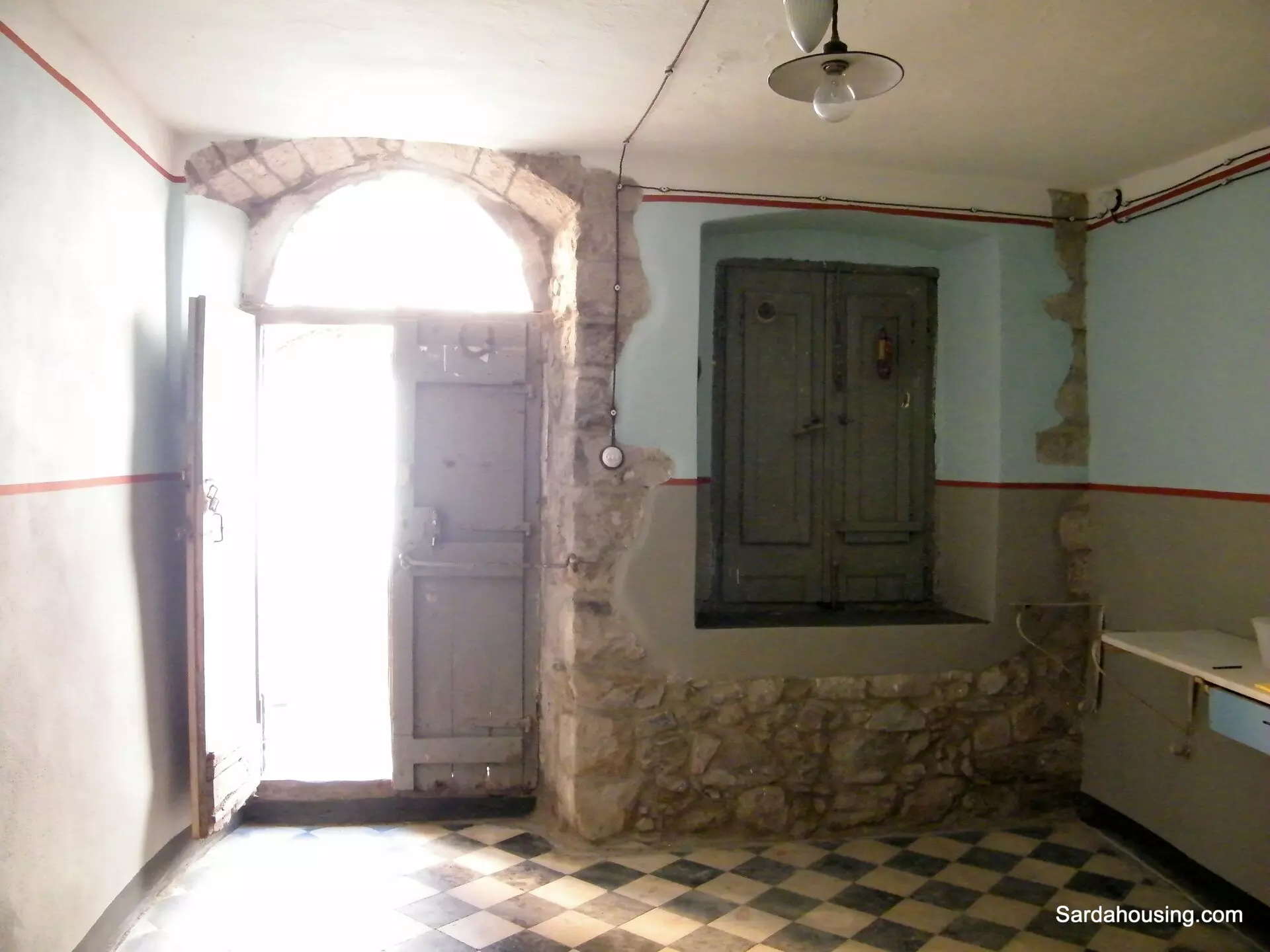
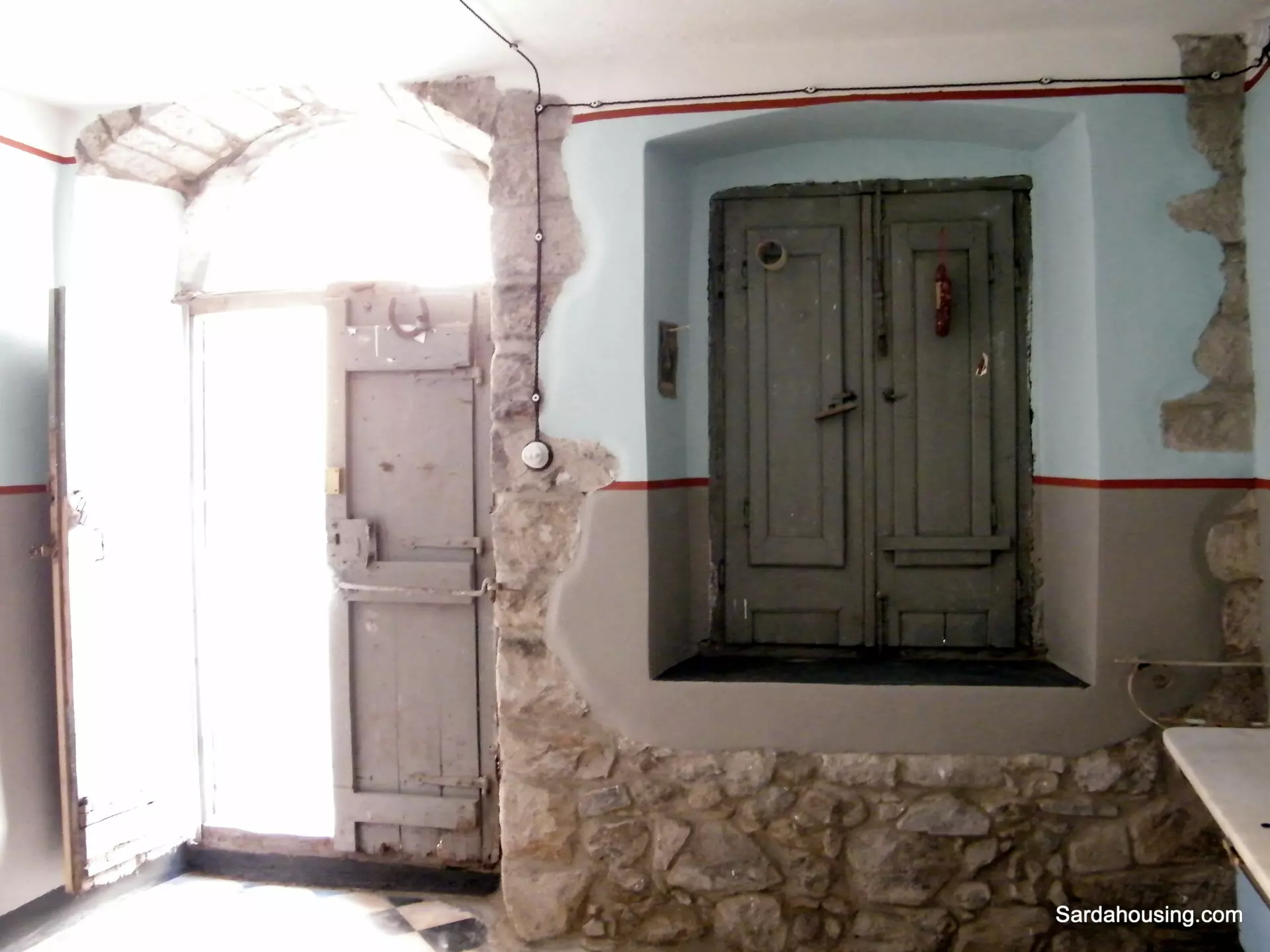
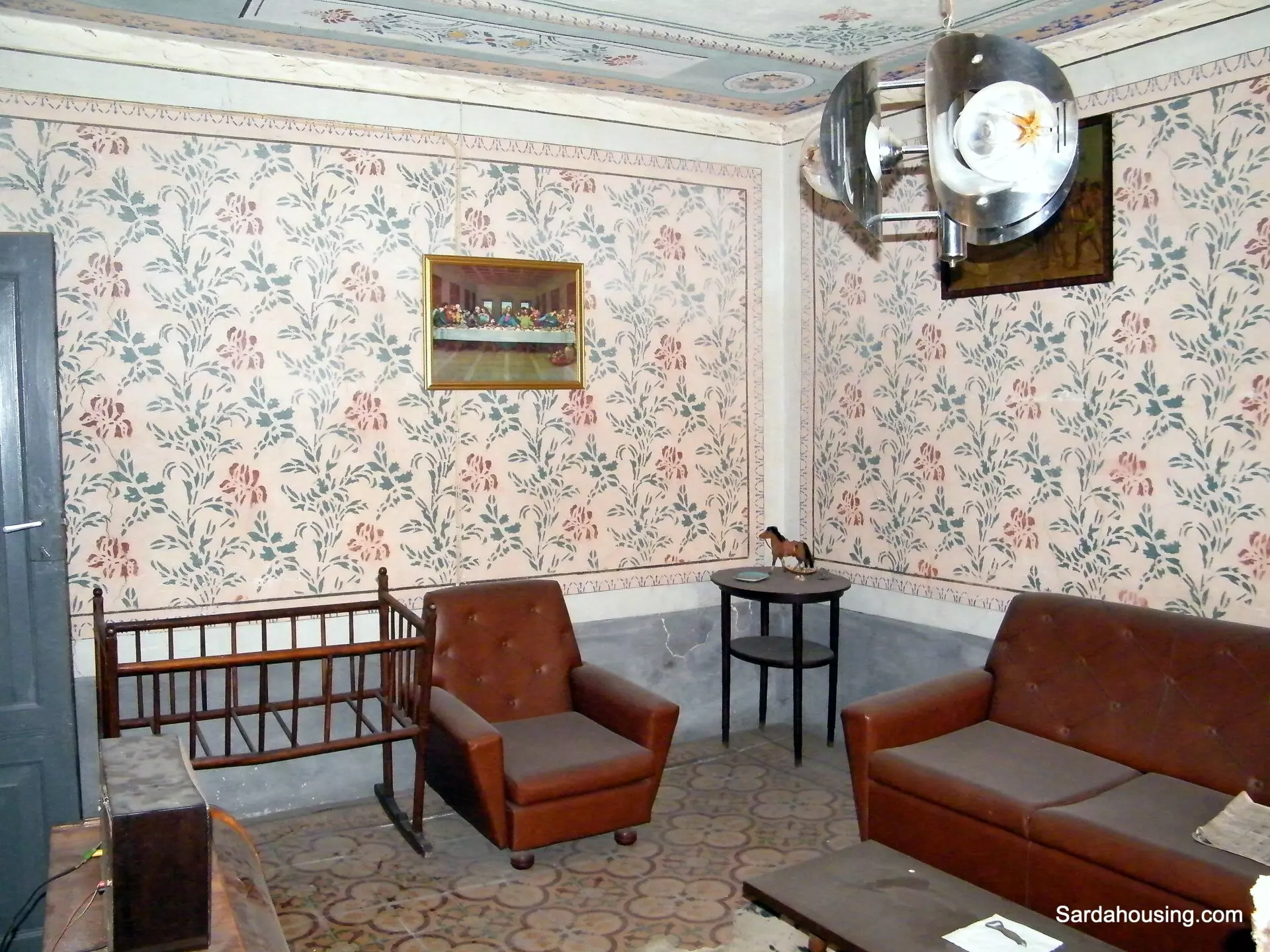
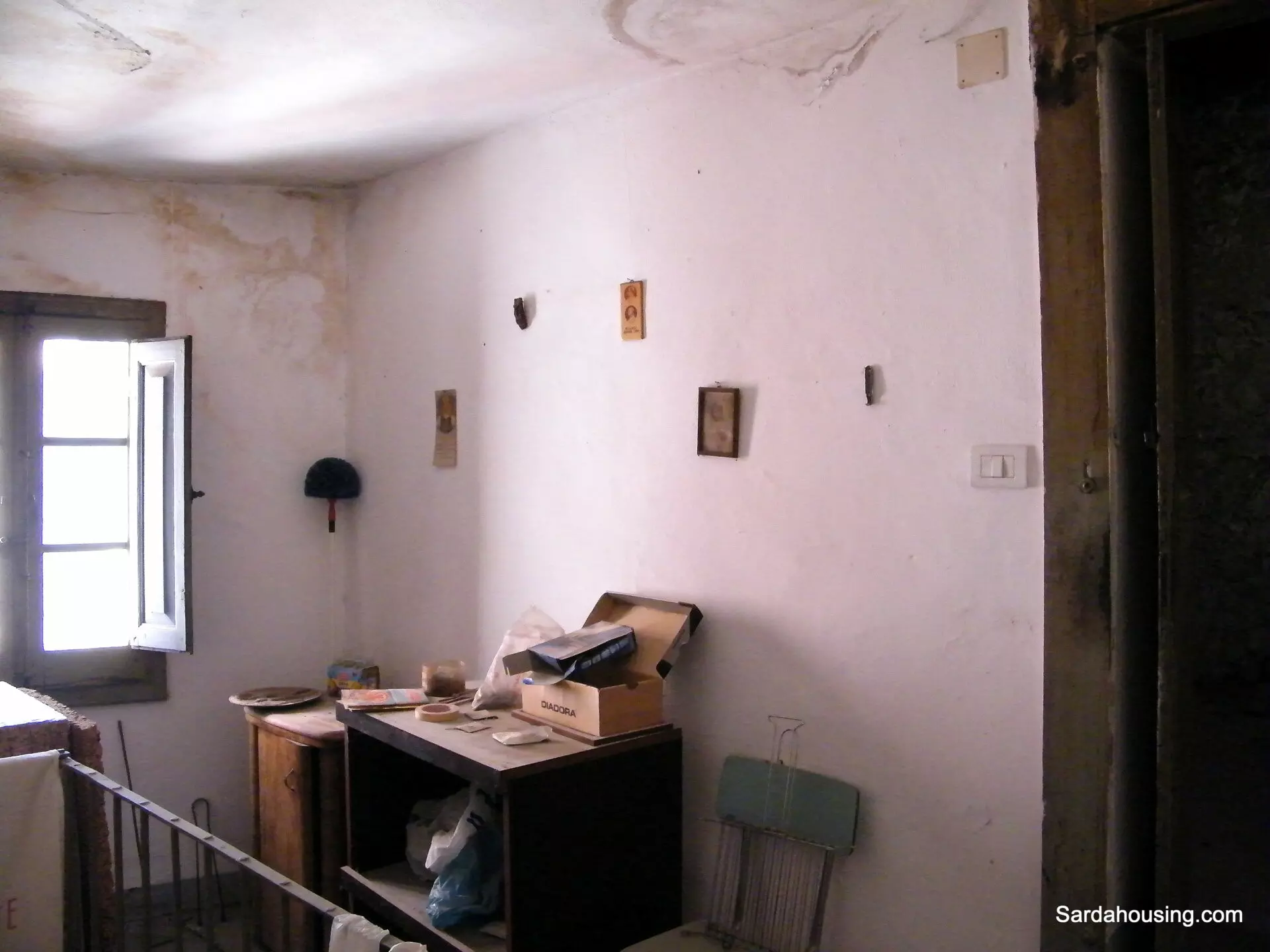
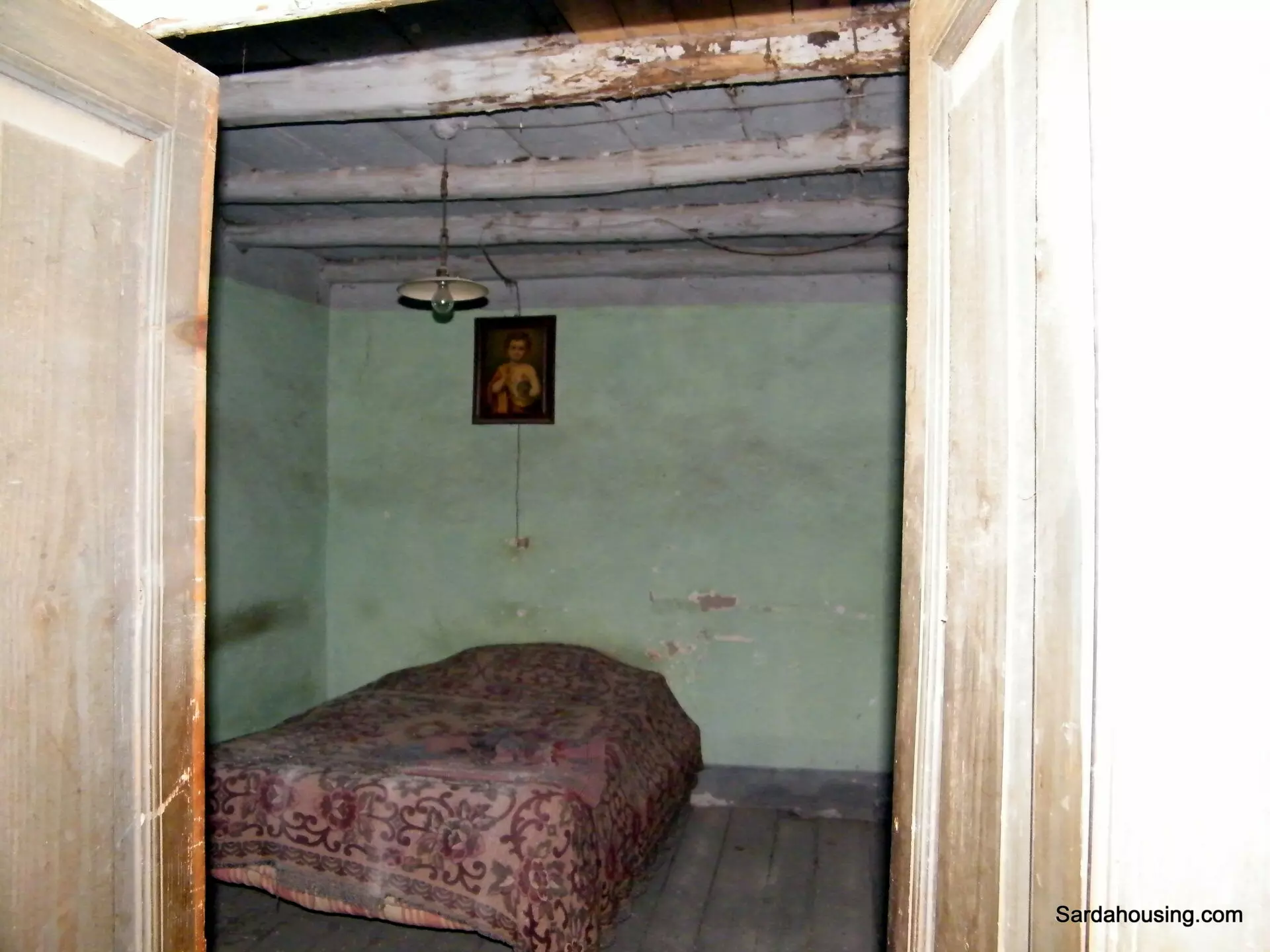
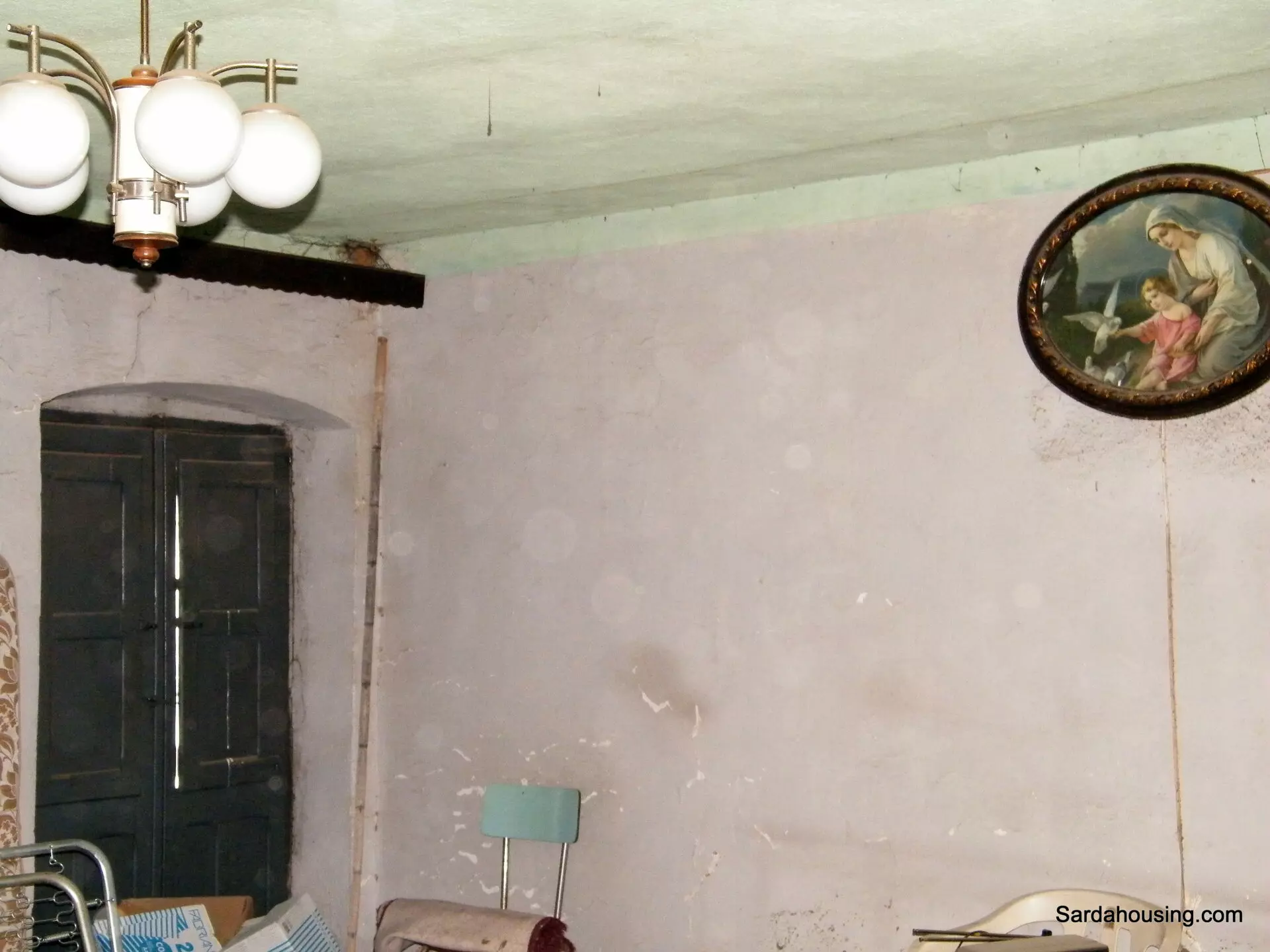
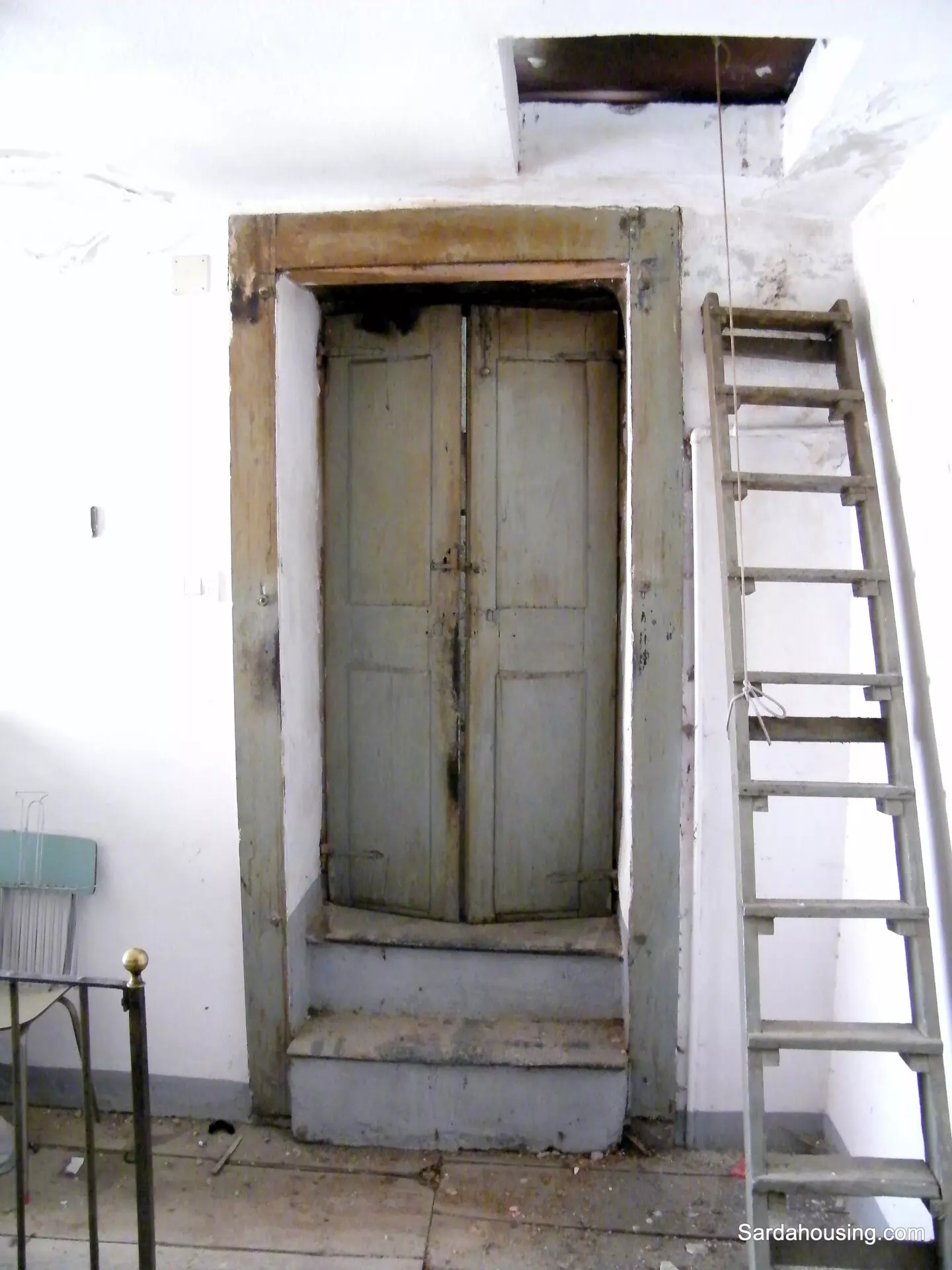
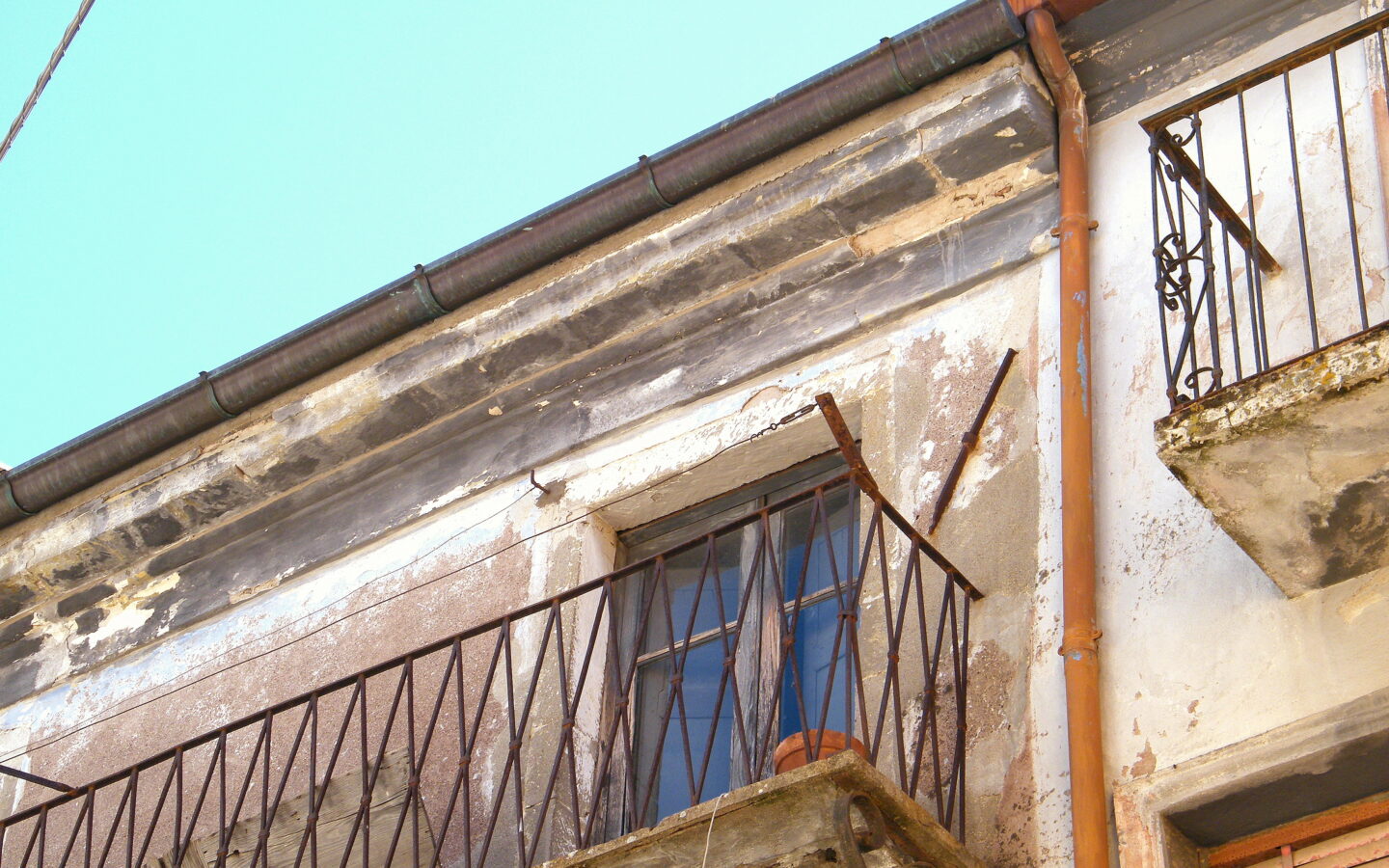
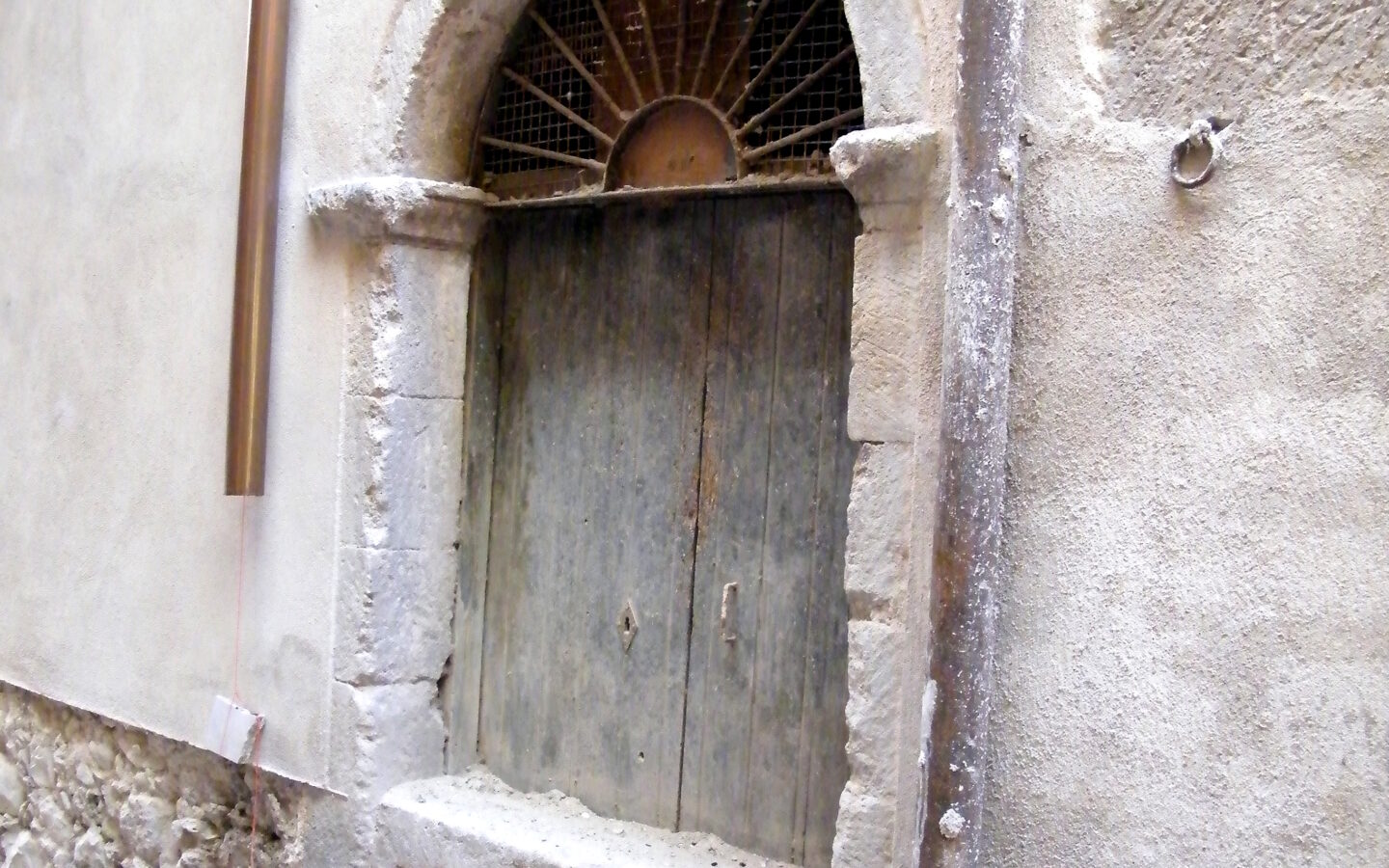
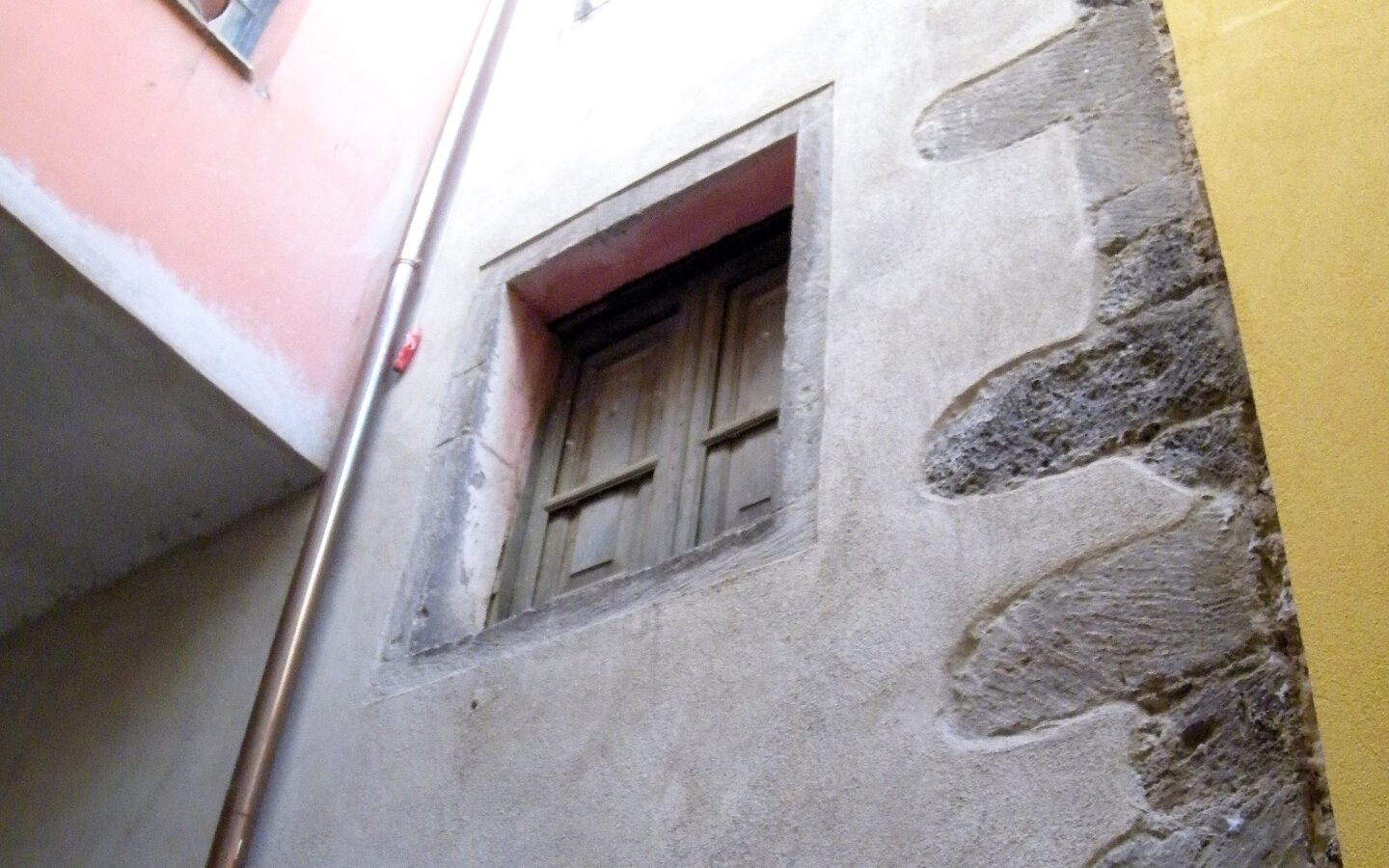
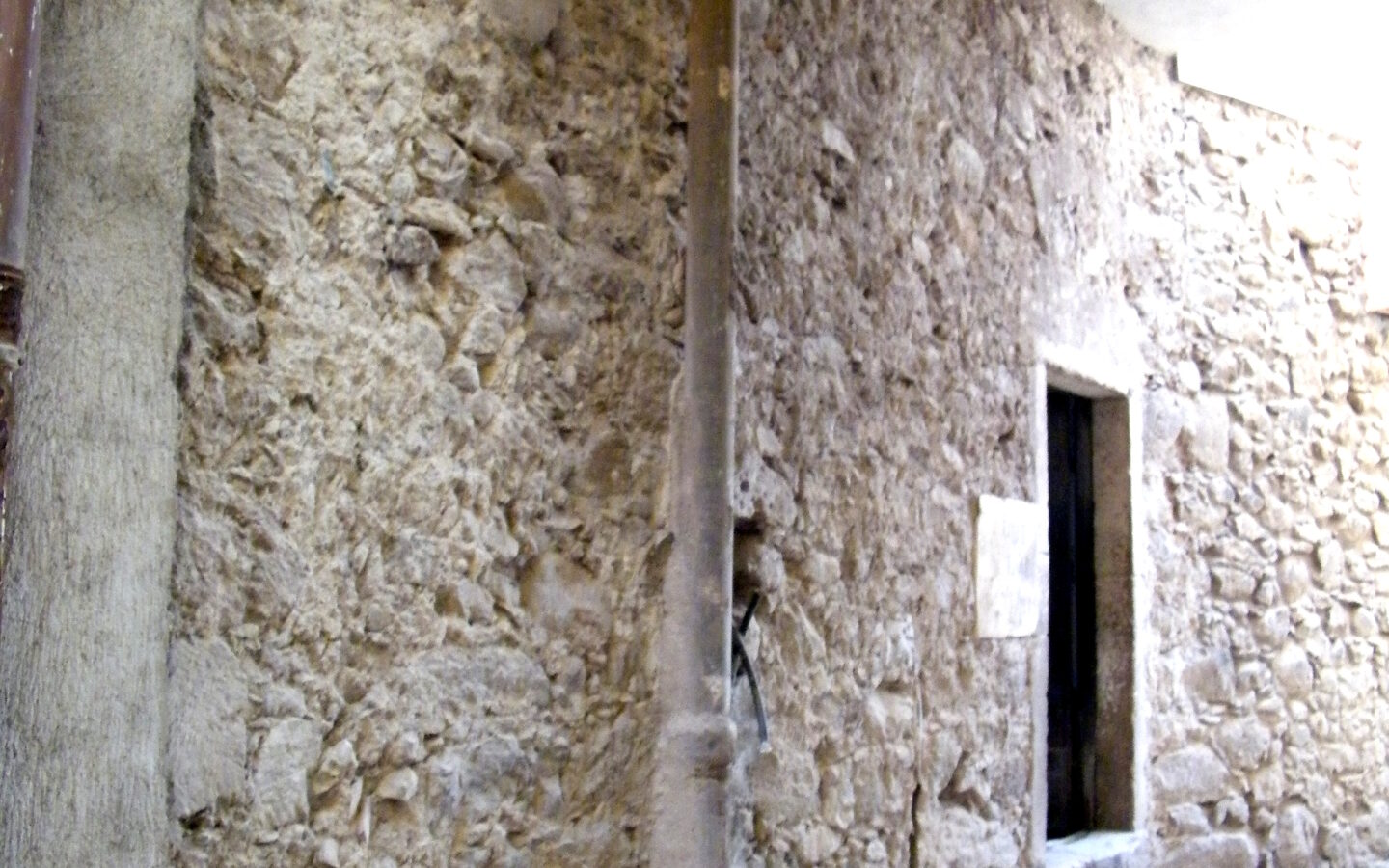
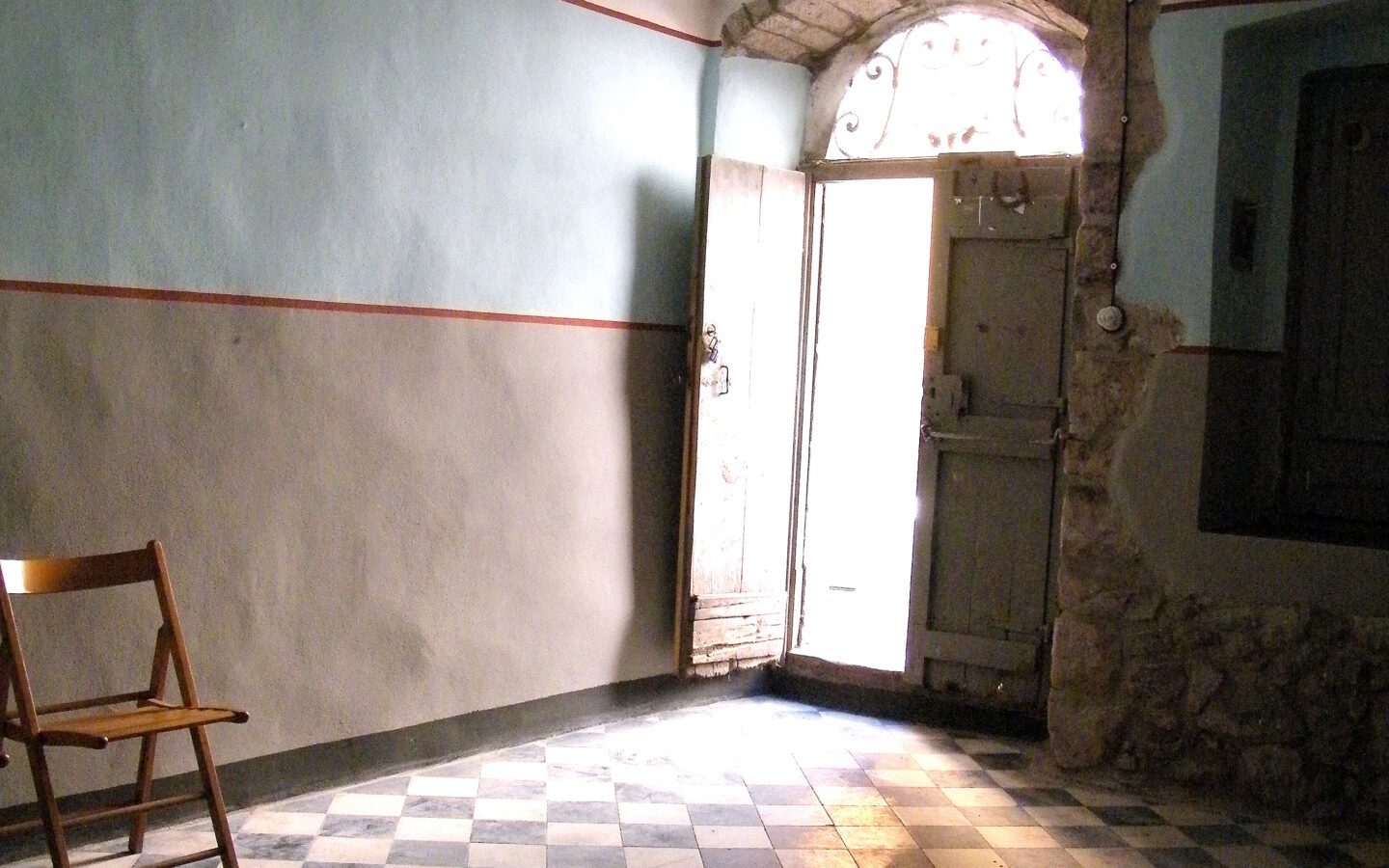
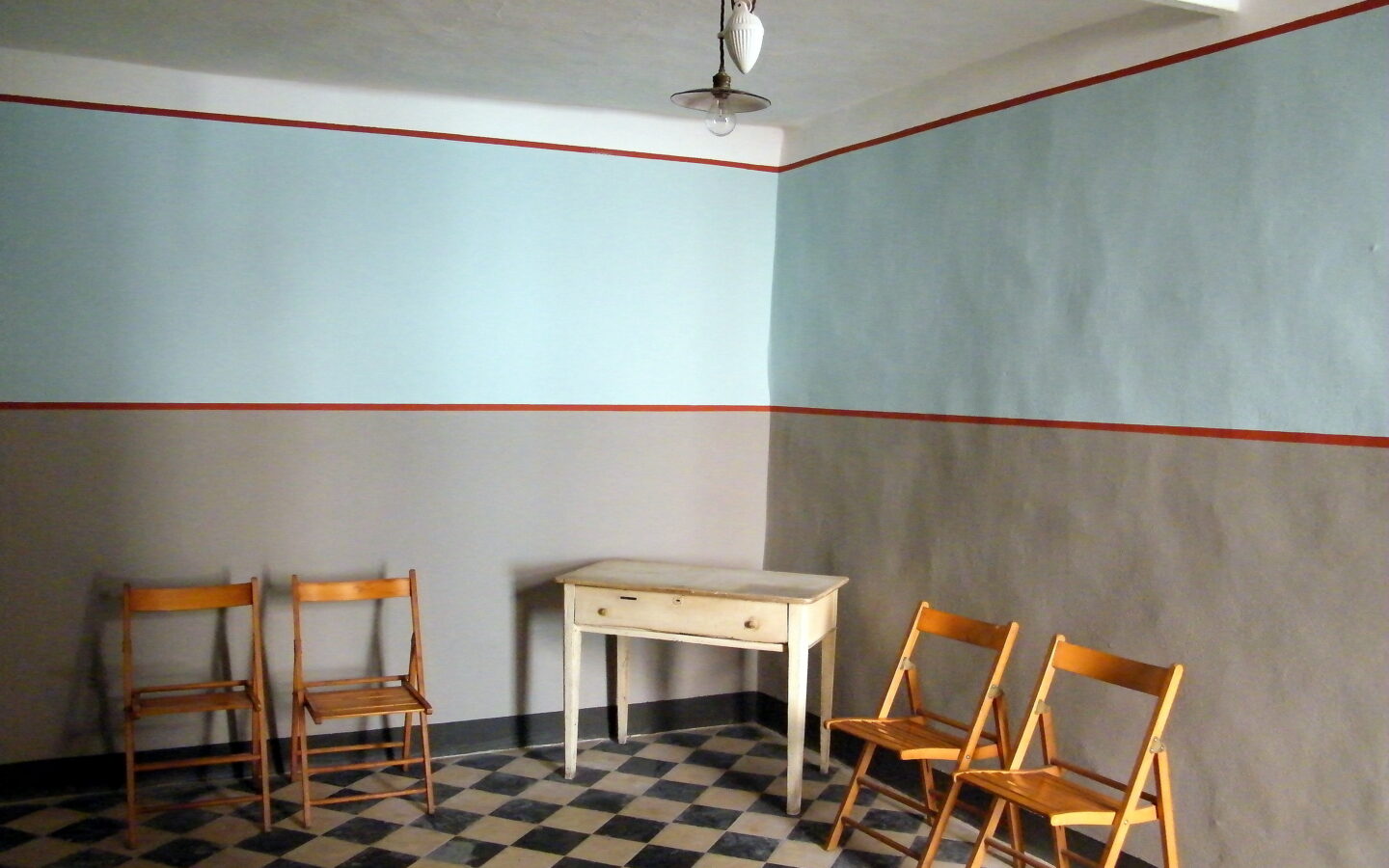
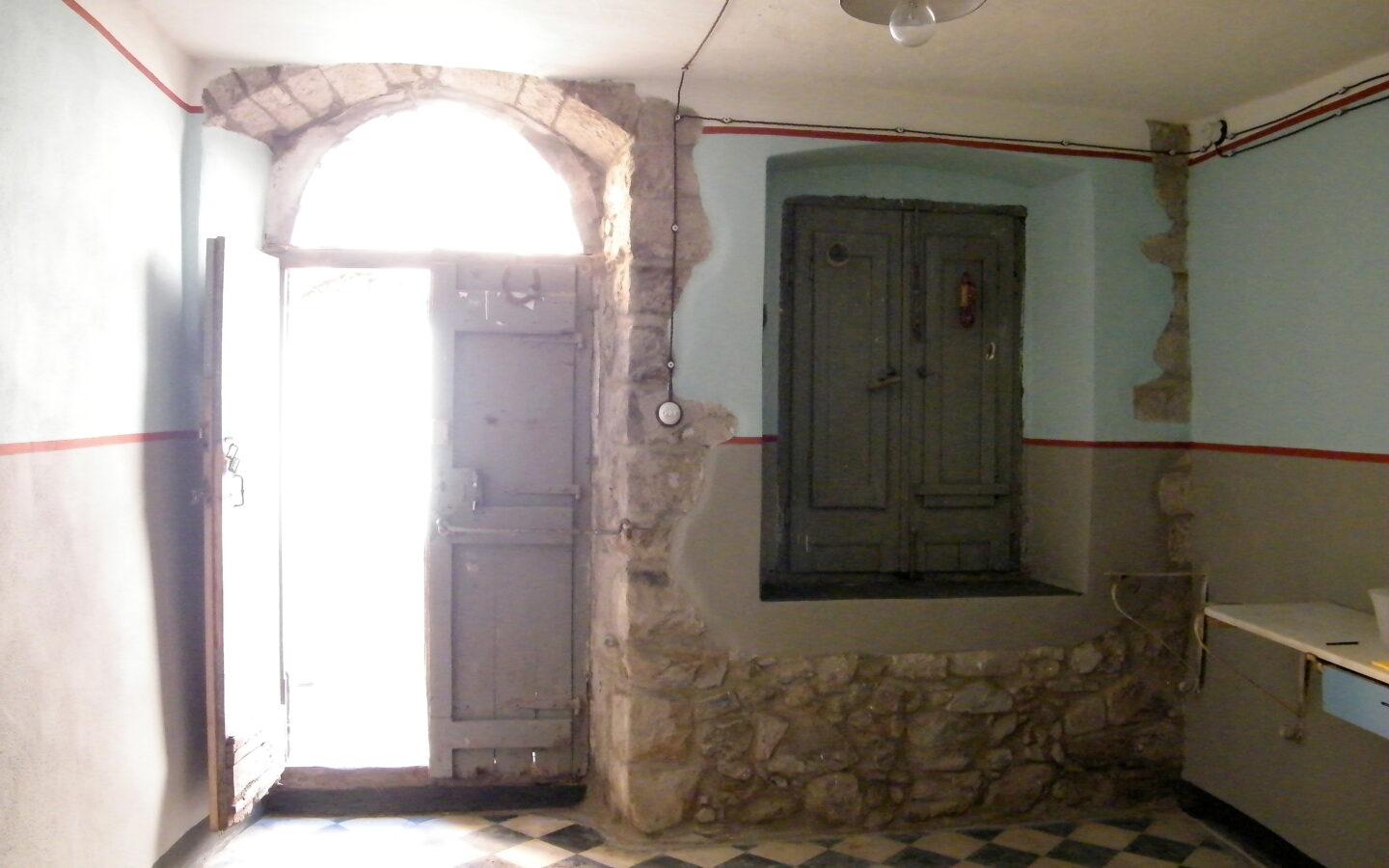
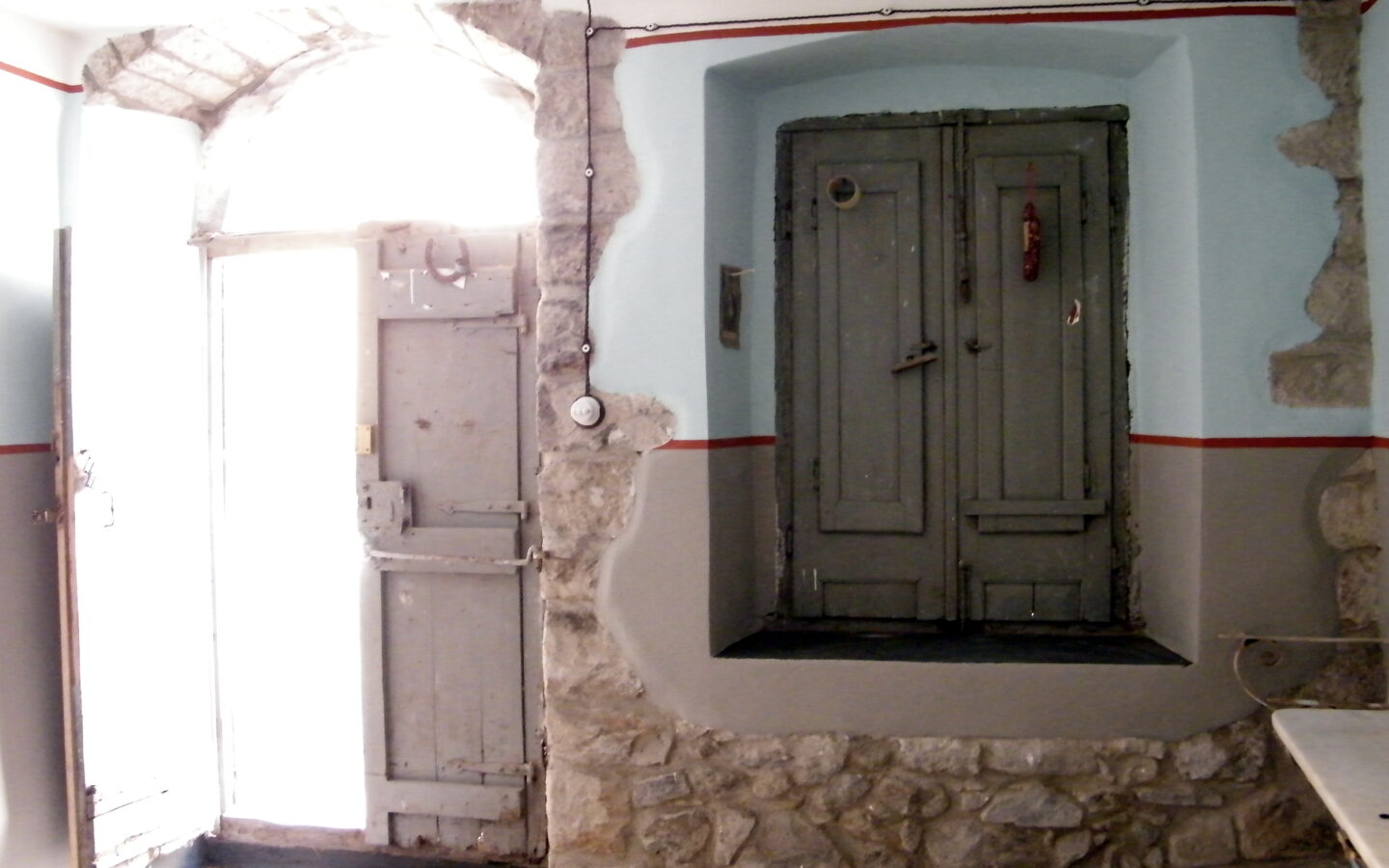
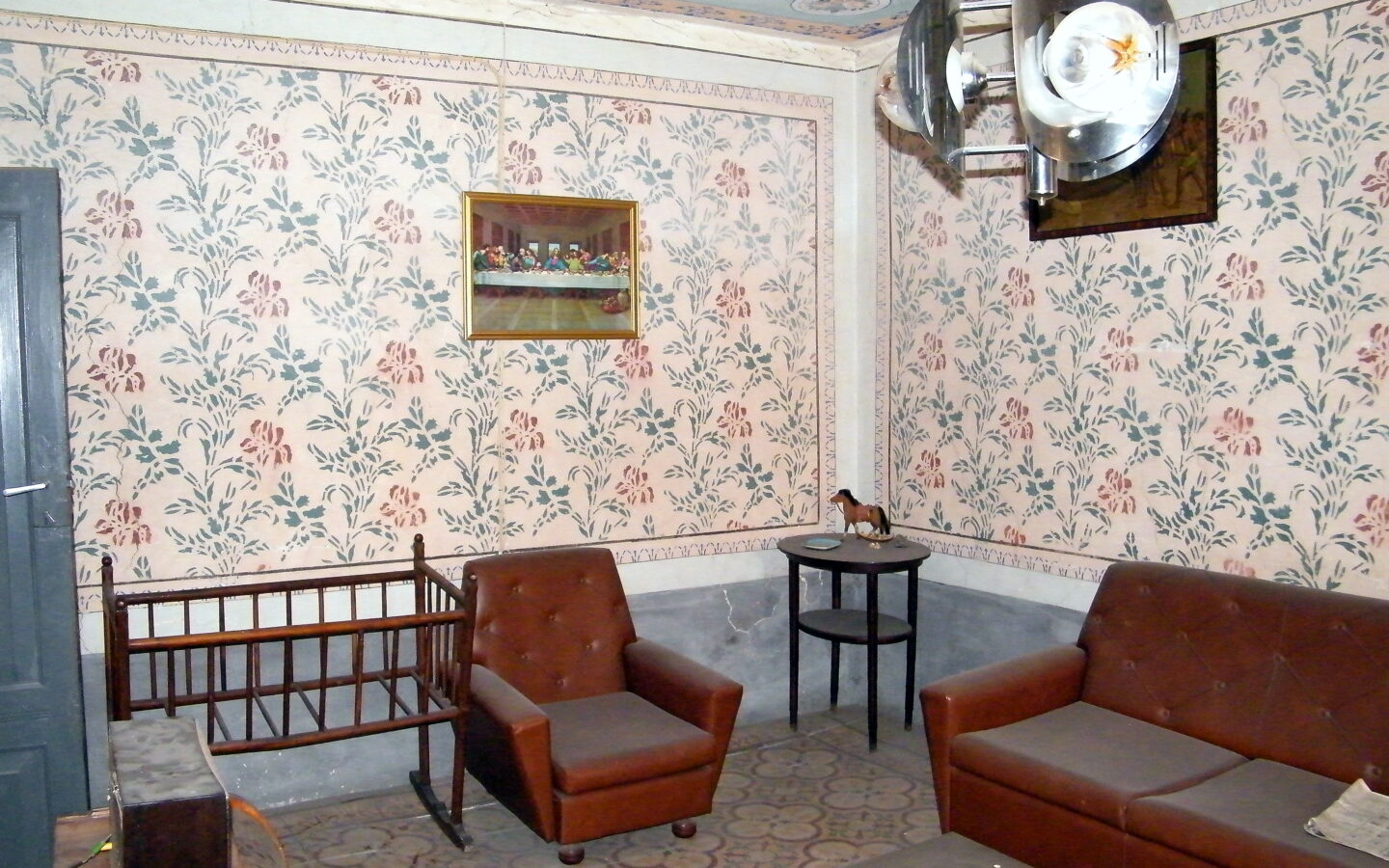
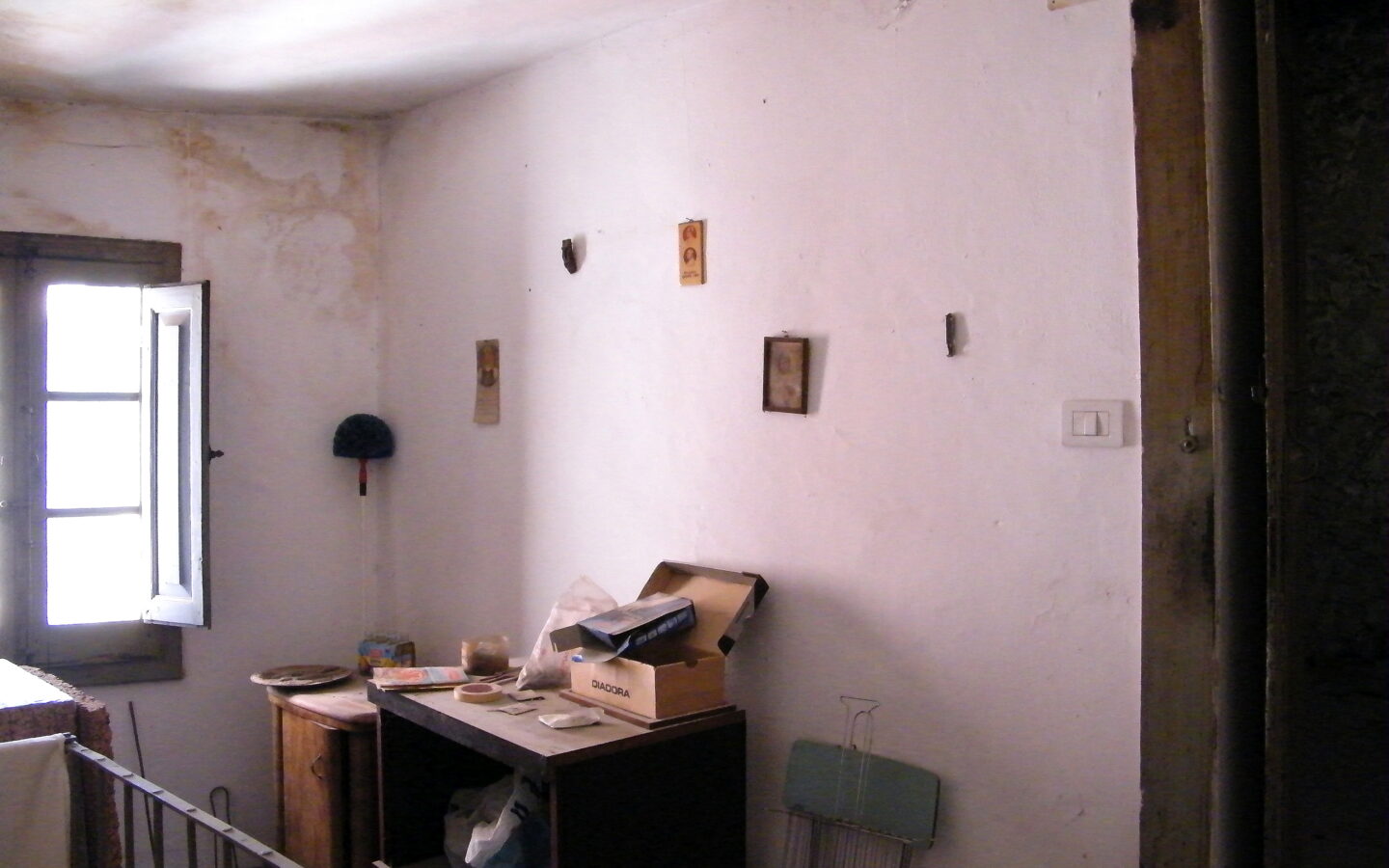
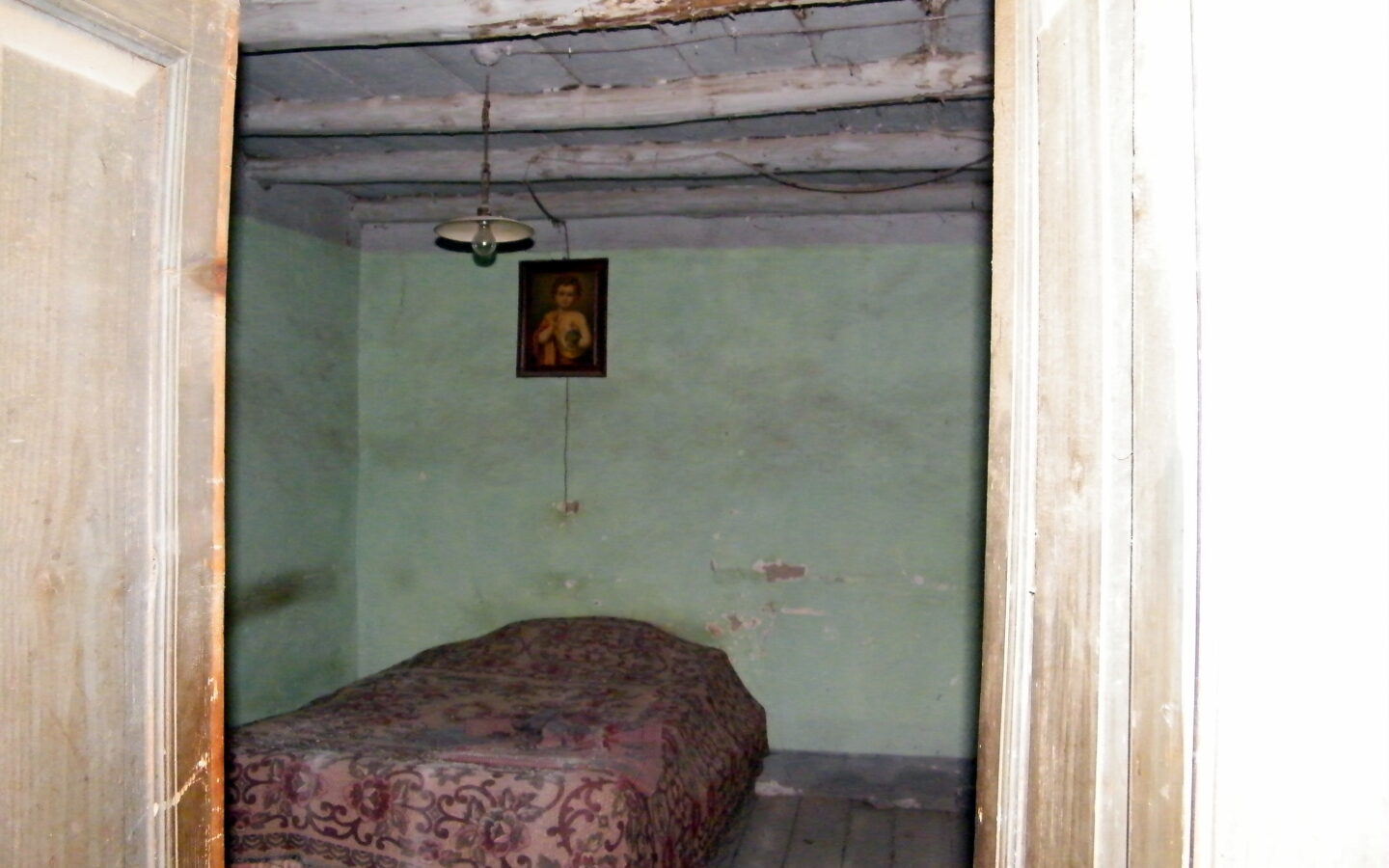
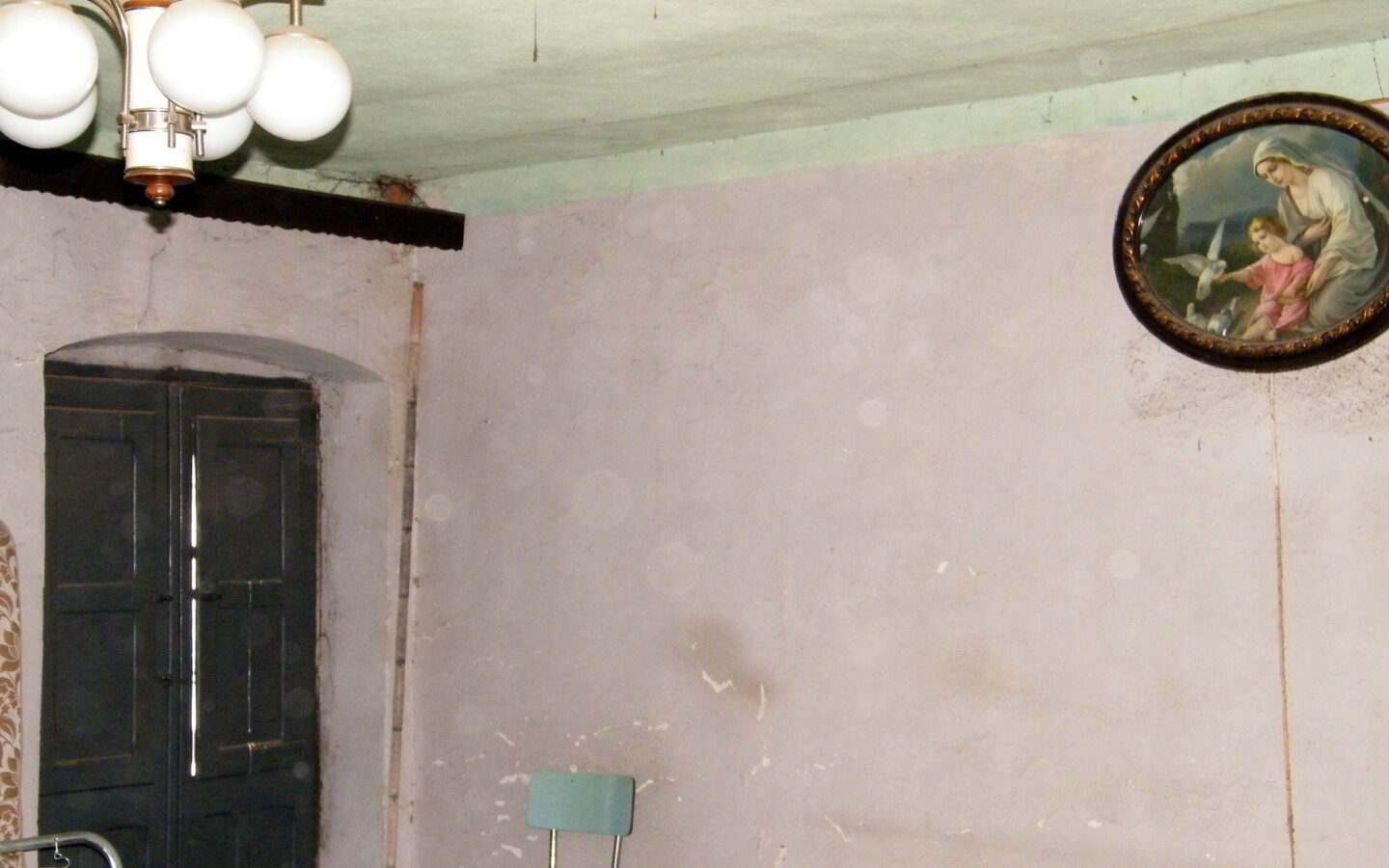
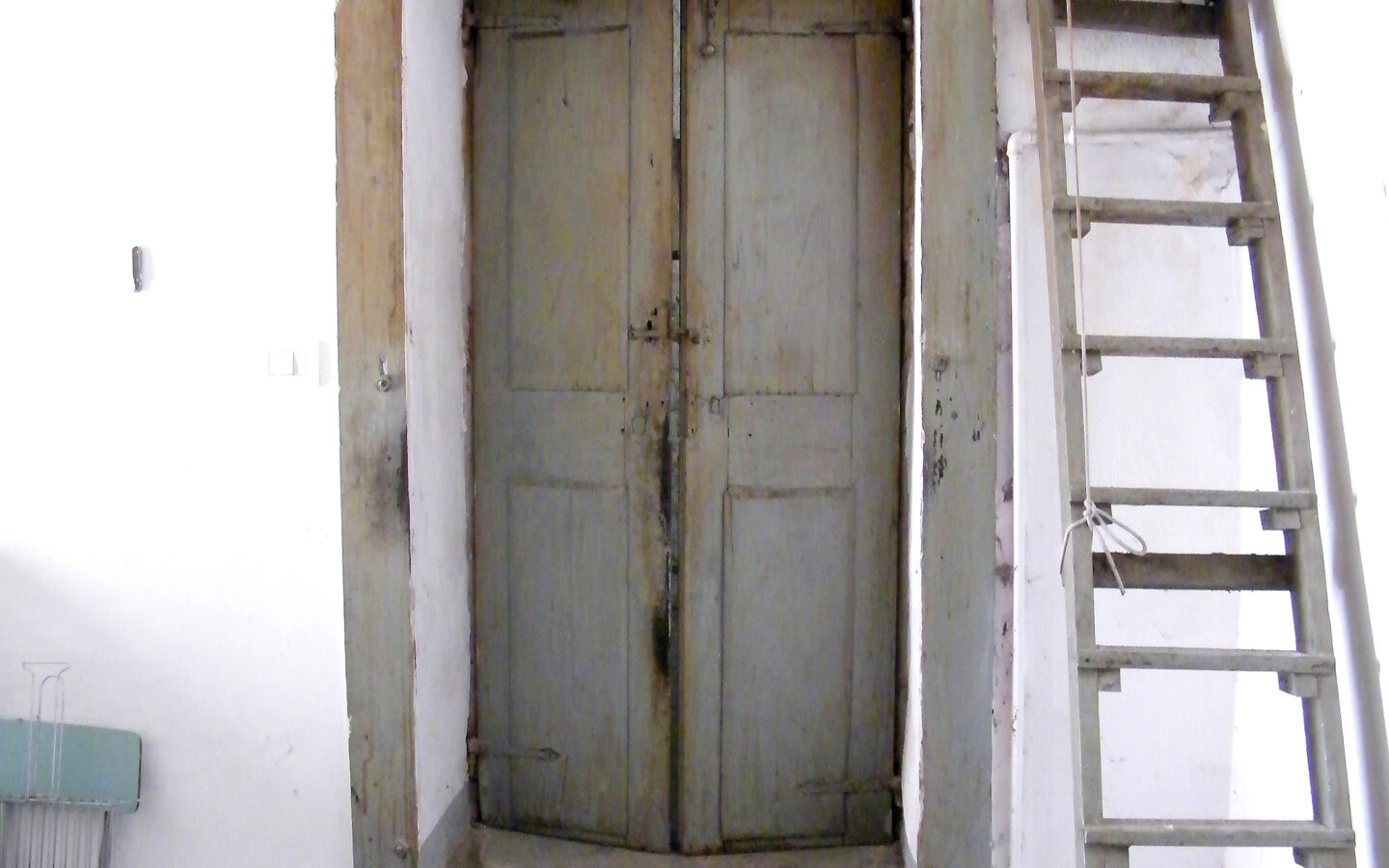
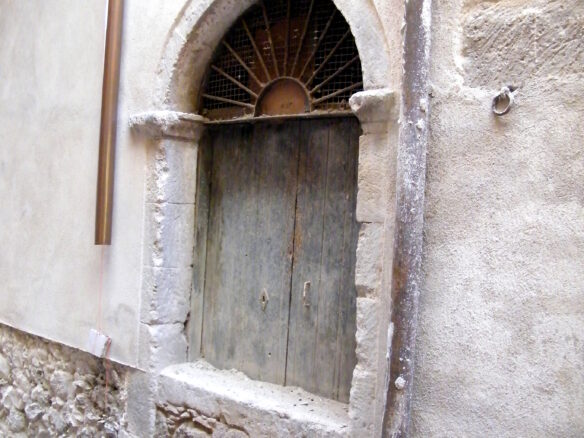
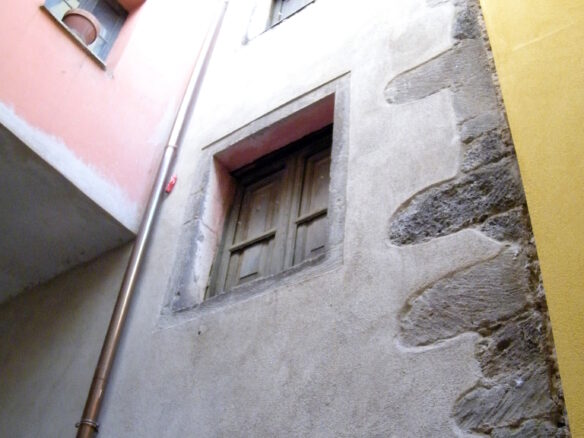
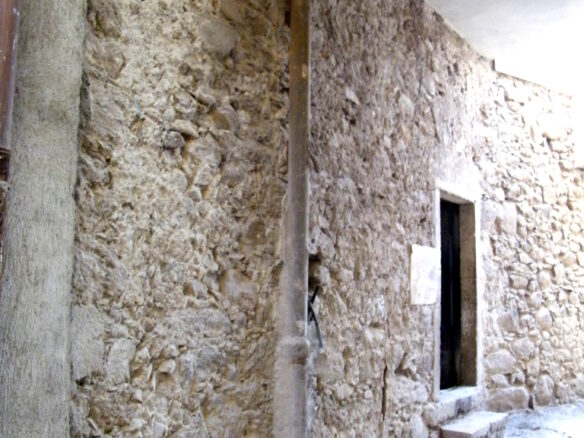
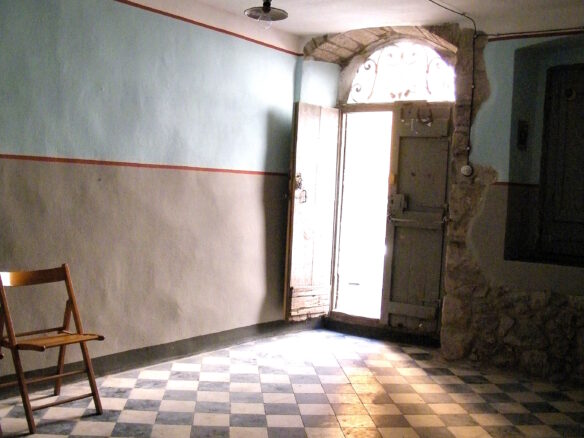
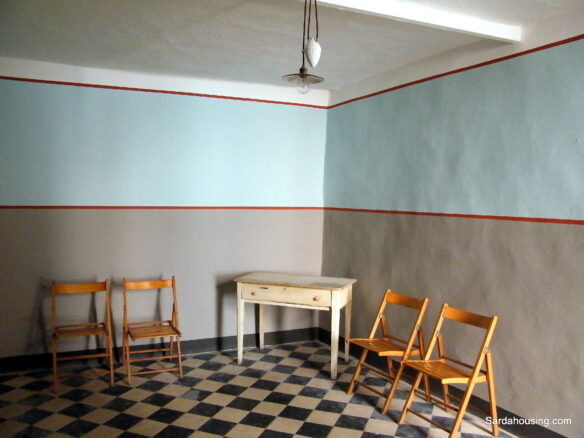
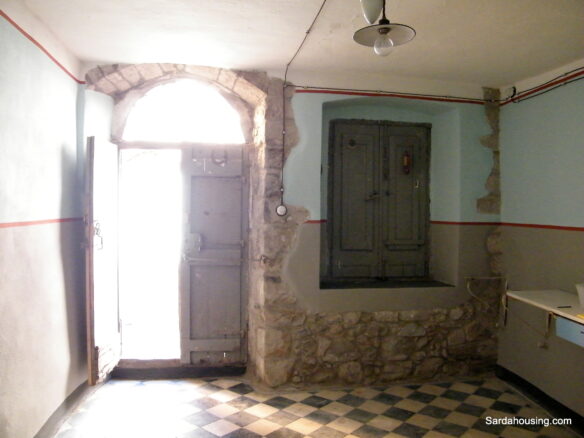
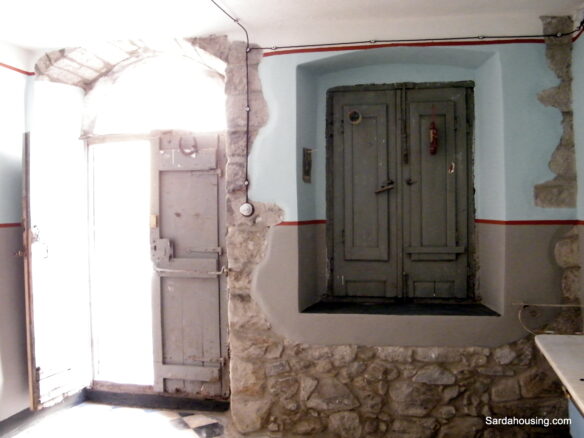
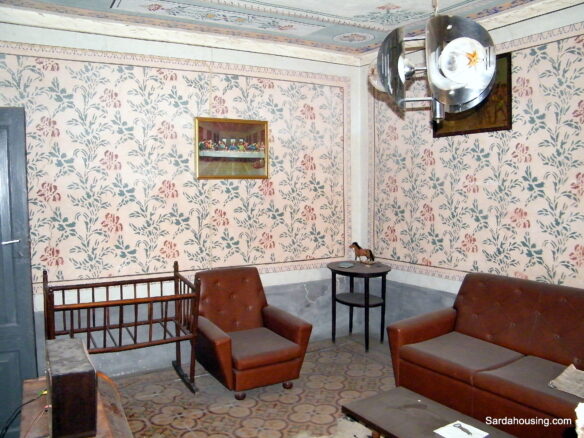
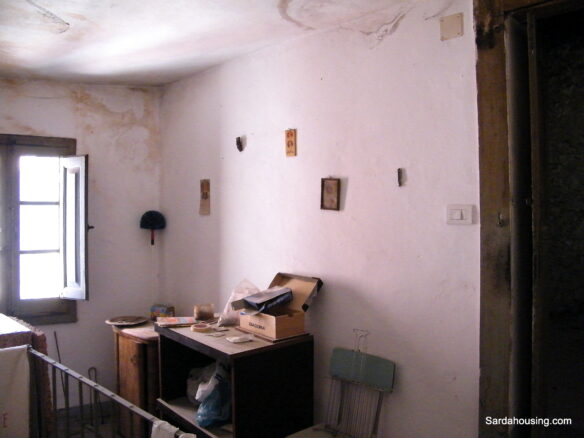
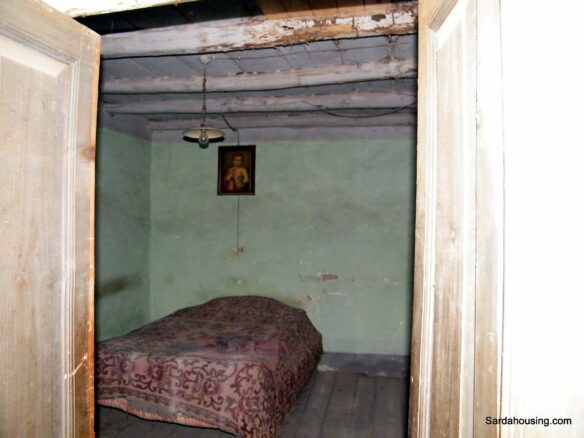
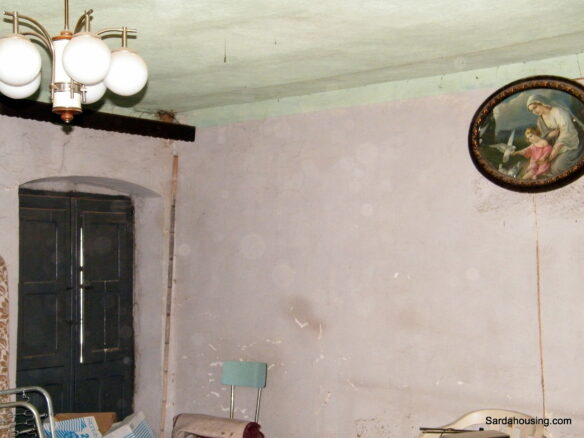
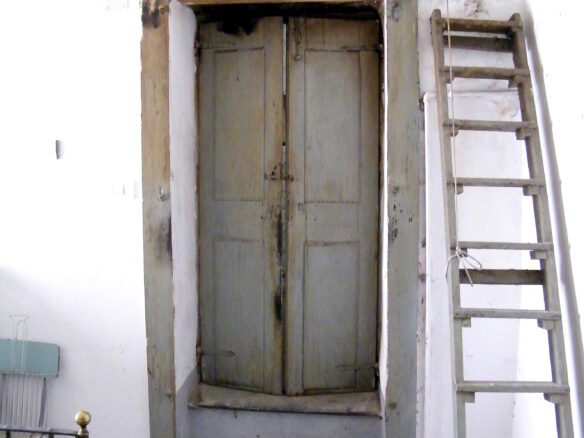
The house offers a total of 135 square meters of living space and benefits from excellent exposure. Inside, the layout includes a kitchen, a living room, a sitting room, three bedrooms, and a bathroom. A cellar is also part of the property. The construction itself is a testament to traditional methods, featuring a stone structure. The floors are made of wooden beams, some of which have already undergone restoration, while others require further attention. Noteworthy details include carved stone cornices and wrought iron railings integrated into stone arches and banisters, adding a touch of historical craftsmanship.
### Renovation Status and Future Potential
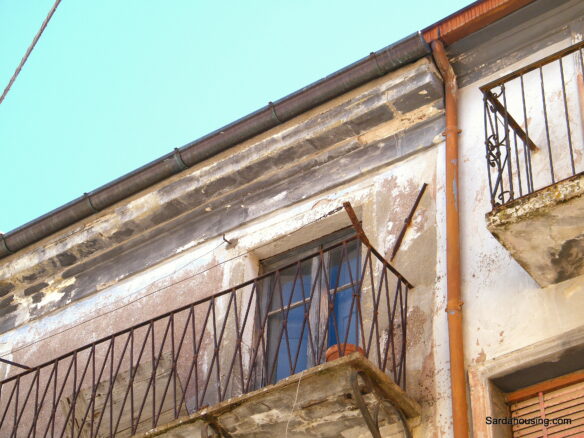
A portion of the roof was redone in 2019, incorporating 18 cm of insulation cork boarding. However, another section of the roof still needs restoration. A renovation project has already received approval, and the building permit, which was valid until March 2021, is renewable. Upon completion of the renovation work, House La Volta will meet all the necessary requirements to obtain a certificate of habitability, indicating its full potential for modern living.
### Santu Lussurgiu: A Village of History and Nature
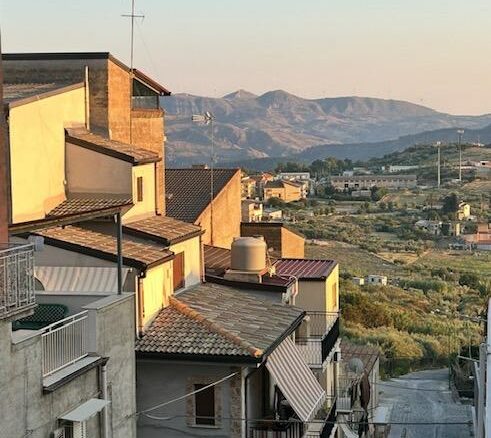
Santu Lussurgiu is more than just a village; it’s a fascinating historical settlement located in the Montiferru region of central-western Sardinia. It’s positioned conveniently between Oristano and Bosa, with the beaches of the island’s western coast approximately 30 kilometers away. This village is a place where the past is preserved in its architecture, and it’s embraced by lush forests, holding a treasure trove of numerous natural springs.
The village itself is a medieval center with a population of 2400 inhabitants. Its name originates from Saint Lussorio, a soldier-saint who preached there before his martyrdom in 303 AD. Historically, it was a significant cultural hub and a summer retreat for nobles and writers. It also served as a stronghold against feudalism. Today, Santu Lussurgiu welcomes tourists drawn to its old town, its cultural offerings, and its opportunities for archaeological and nature-based excursions. The beautiful beaches of the west coast, such as S’Archittu or Putz Idu, are accessible within a half-hour drive.
Founded around the church of Santa Croce, originally dedicated to San Lussorio in 1185, Santu Lussurgiu is characterized by its narrow cobbled streets and ancient tower houses. It is nestled within a landscape of rocks and woodlands, predominantly chestnut and holm oak trees. The village’s historical memory is further preserved by the Museo Della Tecnologia Contadina, housed in an 18th-century building, which displays two thousand artifacts related to traditional activities.
The agricultural and pastoral heritage of the area is evident in the breeding of the red ox, known for its high-quality meat and milk used in making the cheese “casizolu.” For nature enthusiasts, the “route of the seven springs” offers a journey through a landscape dotted with oligomineral water sources. This route begins in Silbanis and winds through the village and the San Leonardo forest, passing by the Romanesque church of San Leonardo di Siete Fuentes, the site of a 12th to 16th-century ghost village. The springs give rise to streams and waterfalls, such as S’Istrampu de Sos Molinos, which bears a name referencing the pre-industrial mills once used for weaving and fabric production.
The surrounding woods, composed of holm oaks, oaks, and chestnut trees, are home to wildlife like deer and mouflons, and are frequented by hawks and griffins. These natural surroundings frame the winding, steep cobbled streets and the basalt or tuff stone houses that define the village. Evidence of human presence in the territory dates back to the Neolithic period, with the Domus de Janas of Matziscula and Mandra ‘e Caddos. The Nuragic age is represented by the village of Monte Agudu, several Giant’s tombs, and well-preserved nuraghi. The remnants of Roman villas, such as Santa Ittoria, Camputzola, and Banzos, also attest to the Roman presence in the area.
Energy class G. IPE > 175 kWh/m2 per year – data awaiting certification.
**Price: euro 55000.**
Property Documents
Features
Energy Class
- Energetic class: G
Energy Performance Diagnostic (DPE)
Economical housing
Energy-intensive housing
Address
- Zip/Postal Code: 09075
- Country: Italy
Video
Floor Plans
Description:
Description:
Description:
Description:
Description:
Description:
Contact Information
View ListingsDetails
Updated on May 8, 2026 at 3:03 pm- Property ID EU-3103621
- Price €55.000
- Property Size 135 m²
- Rooms 5
- Bathroom 1
- Property Type Town houses
- Property Status For Sale
- Condition Needs renovating
- Ref. number s_luss_volta_55
Mortgage Estimation
- Down Payment
- Loan Amount
- Monthly Mortgage Payment
- PMI
Similar Listings
Borgata – Via Formide – Gabetti Exclusive – €89,000 Reduced Price – Ready To Rent
Via Formide, 96100 Siracusa SR, Italy Details

Notice something incorrect? Help us improve by reporting any issues. You can let us know what you've found by clicking here: Report a problem.