

Kristin Storm Hits Portugal’s Housing Market
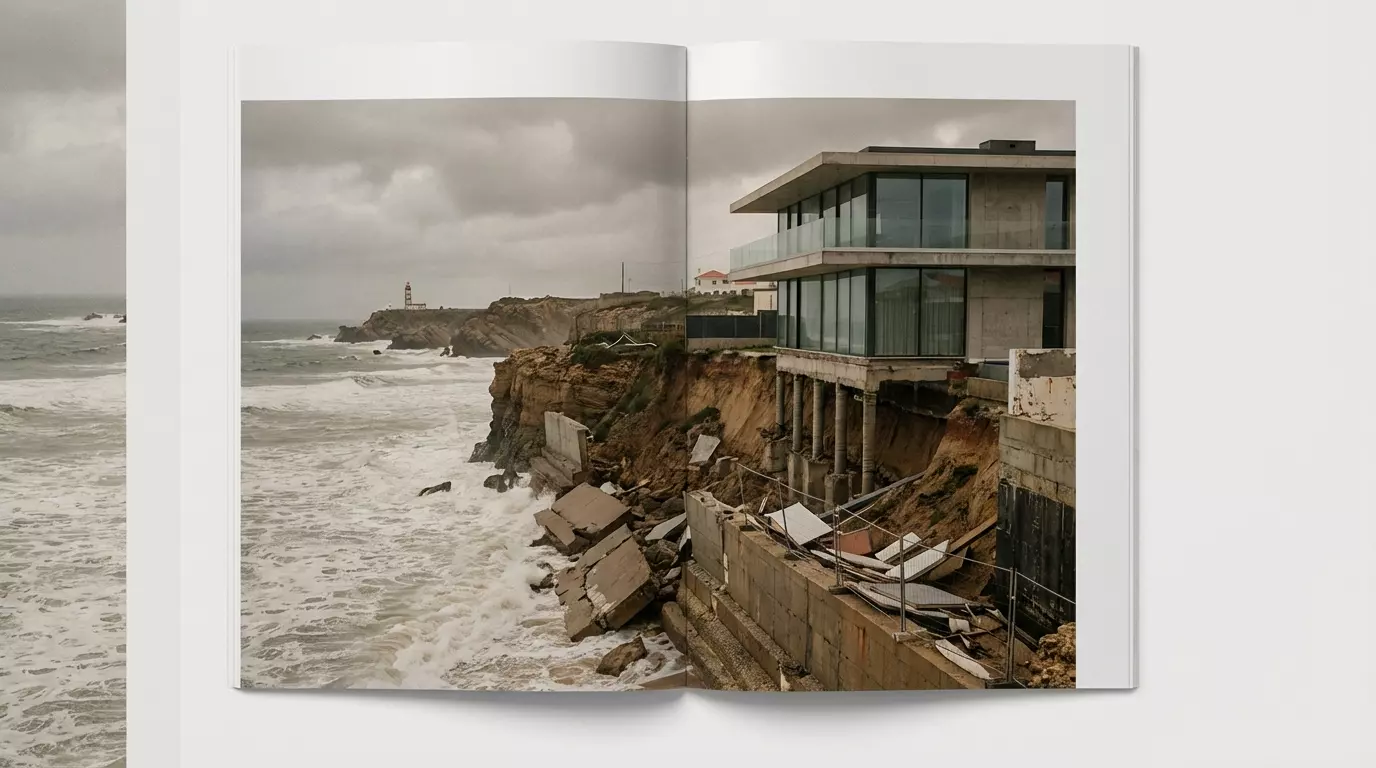
Portugal’s real estate sector faces an unprecedented challenge following the devastating impact of Storm Kristin, which swept across the Iberian Peninsula in February 2026. The powerful weather system brought torrential rainfall, fierce winds exceeding 120 kilometers per hour, and widespread flooding that affected thousands of properties across the country. From the northern regions of Porto and Braga to the coastal areas of the Algarve, the storm left a trail of destruction that has sent shockwaves through Portugal’s previously buoyant property market.
The timing of Storm Kristin couldn’t have been worse for Portugal’s real estate industry, which had been experiencing robust growth fueled by foreign investment and a thriving tourism sector. Property values had been climbing steadily, with coastal regions and historic city centers commanding premium prices. However, the storm has forced buyers, sellers, and investors to reassess their strategies and consider climate resilience as a critical factor in property valuation. Industry experts suggest this natural disaster marks a watershed moment that will fundamentally alter how Portuguese real estate is evaluated and marketed in the years ahead.
Damage Assessment Reveals Structural Concerns
Initial damage assessments conducted by Portuguese authorities paint a sobering picture of the storm’s impact on residential and commercial properties. More than 15,000 homes reported significant damage, with approximately 3,500 properties deemed temporarily uninhabitable due to structural concerns, water damage, or compromised foundations. The hardest-hit areas include low-lying coastal communities and properties built along riverbanks, where flooding reached levels not seen in decades. Insurance companies are now scrambling to process claims that could total hundreds of millions of euros, raising questions about future coverage availability and premium costs.
Beyond the immediate physical damage, structural engineers have identified deeper concerns about building standards and construction practices in certain regions. Many older properties, particularly those built before modern building codes were implemented, showed vulnerabilities to extreme weather events. This revelation has sparked debates about mandatory retrofitting requirements and the need for stricter enforcement of construction regulations. Properties in flood-prone areas are now under intense scrutiny, with potential buyers demanding comprehensive structural surveys and climate risk assessments before proceeding with purchases. The Portuguese government has announced plans to review and potentially update building codes to ensure better resilience against future extreme weather events.
Buyers and Sellers Face New Uncertainties
The aftermath of Storm Kristin has created a climate of uncertainty in Portugal’s real estate market, with both buyers and sellers adopting a wait-and-see approach. Transaction volumes have dropped by approximately 35% in the weeks following the storm, as potential buyers hesitate to commit to purchases without understanding the full extent of climate-related risks. Foreign investors, who had been driving significant portions of property sales in popular destinations like Lisbon, Porto, and the Algarve, are now requesting detailed flood risk assessments and climate vulnerability reports before making offers. This shift represents a fundamental change in buyer behavior that real estate professionals must navigate carefully.
Sellers face their own set of challenges, particularly those with properties in affected areas or regions now classified as high-risk zones. Property valuations have become more complex, with location-specific climate factors playing an increasingly important role in pricing strategies. Some homeowners in flood-affected areas have seen their property values decline by 10-20%, while properties on higher ground or with proven storm resistance features have maintained or even increased their values. Real estate agents report that transparency about past weather damage and mitigation measures has become essential for successful sales. According to European real estate data, similar weather events in other countries have led to permanent shifts in property valuations, suggesting Portugal may experience lasting market adjustments.
Recovery Could Reshape Real Estate Landscape
Despite the immediate challenges, many industry experts view Storm Kristin as a potential catalyst for positive transformation in Portugal’s real estate sector. The crisis has accelerated conversations about sustainable building practices, climate-resilient architecture, and responsible urban planning. Developers are now incorporating advanced drainage systems, elevated foundations, and weather-resistant materials into new projects. This shift toward climate-conscious construction could position Portugal as a leader in sustainable Mediterranean real estate development, potentially attracting environmentally conscious investors and buyers.
The Portuguese government has announced a comprehensive recovery and adaptation program that includes financial incentives for property owners who implement storm-proofing measures. These initiatives include:
- Subsidized retrofitting programs for vulnerable properties
- Tax breaks for sustainable building improvements
- Streamlined permitting processes for climate adaptation projects
- Investment in improved drainage infrastructure in urban areas
- Creation of new flood defense systems in high-risk coastal zones
Real estate professionals are adapting their business models to this new reality, with many agencies now offering climate risk consultation services alongside traditional property services. The storm has also sparked innovation in property technology, with companies developing sophisticated mapping tools that overlay climate risk data with property listings. Some forward-thinking developers are marketing “storm-resilient” properties as premium offerings, targeting buyers willing to pay more for peace of mind and long-term value protection.
The recovery phase is expected to create new opportunities in the construction and renovation sectors, potentially generating thousands of jobs and stimulating economic activity. Properties that successfully demonstrate resilience to extreme weather could become more desirable, creating a two-tier market where climate-adapted homes command premium prices. This transformation aligns with broader European Union climate adaptation strategies, positioning Portugal to access significant funding for infrastructure improvements and sustainable development projects.
Market analysts predict that while the short-term outlook remains uncertain, Portugal’s real estate sector could emerge stronger and more resilient within 18-24 months. The key factors determining recovery speed include the effectiveness of government support programs, the pace of infrastructure improvements, and the real estate industry’s ability to adapt to new buyer expectations. Areas that successfully implement comprehensive climate adaptation measures may actually see increased demand as buyers seek locations with proven resilience strategies.
In Short
Storm Kristin has delivered a harsh wake-up call to Portugal’s real estate market, exposing vulnerabilities in building practices and forcing a fundamental reassessment of property values based on climate resilience. The immediate impact has been significant, with thousands of damaged properties, declining transaction volumes, and widespread uncertainty among buyers and sellers. However, this crisis also presents an opportunity for transformation, pushing the industry toward more sustainable practices and climate-conscious development.
The path forward requires collaboration between government authorities, real estate professionals, developers, and property owners to build a more resilient housing market. While challenges remain substantial, Portugal’s real estate sector has the potential to emerge from this crisis as a model for climate-adapted property development in Southern Europe. The lessons learned from Storm Kristin will likely influence Portuguese real estate practices for generations, ultimately creating a more sustainable and resilient housing market that better serves both current residents and future investors.
FAQ
How has Storm Kristin affected property prices in Portugal?
Property prices have experienced varied impacts depending on location and storm damage. Properties in flood-affected or high-risk areas have seen valuations decline by 10-20%, while properties on higher ground or with proven storm resistance have maintained or increased in value. The overall market has entered a period of adjustment as climate risk becomes a standard factor in property valuation.
Will insurance costs increase for Portuguese properties after Storm Kristin?
Insurance premiums are expected to rise, particularly for properties in areas classified as high-risk for flooding or storm damage. Some insurers may limit coverage in certain zones or require property owners to implement specific mitigation measures before offering policies. Property owners should expect more detailed risk assessments and potentially higher deductibles.
What should buyers look for when purchasing property in Portugal now?
Buyers should request comprehensive structural surveys, flood risk assessments, and climate vulnerability reports before purchasing. It’s essential to verify building code compliance, check property elevation relative to flood zones, and investigate any history of weather-related damage. Properties with documented storm-proofing measures and sustainable features may offer better long-term value.
Are there government programs to help property owners recover from storm damage?
Yes, the Portuguese government has announced recovery programs including subsidized retrofitting initiatives, tax breaks for sustainable improvements, and streamlined permitting for climate adaptation projects. Property owners should contact local authorities or real estate professionals to learn about available assistance programs.
How long will it take for Portugal’s real estate market to recover?
Market analysts estimate an 18-24 month recovery period, though this timeline depends on the effectiveness of government programs, infrastructure improvements, and the industry’s adaptation to new buyer expectations. Some areas may recover faster than others based on their climate resilience measures and damage severity.
Should foreign investors reconsider buying property in Portugal?
Foreign investors should not necessarily avoid Portuguese real estate but should approach purchases with enhanced due diligence regarding climate risks. Properties in well-planned developments with proven resilience features may actually represent strong long-term investments as the market adapts and improves. Working with knowledgeable local real estate professionals is essential for making informed decisions.


Join The Discussion