

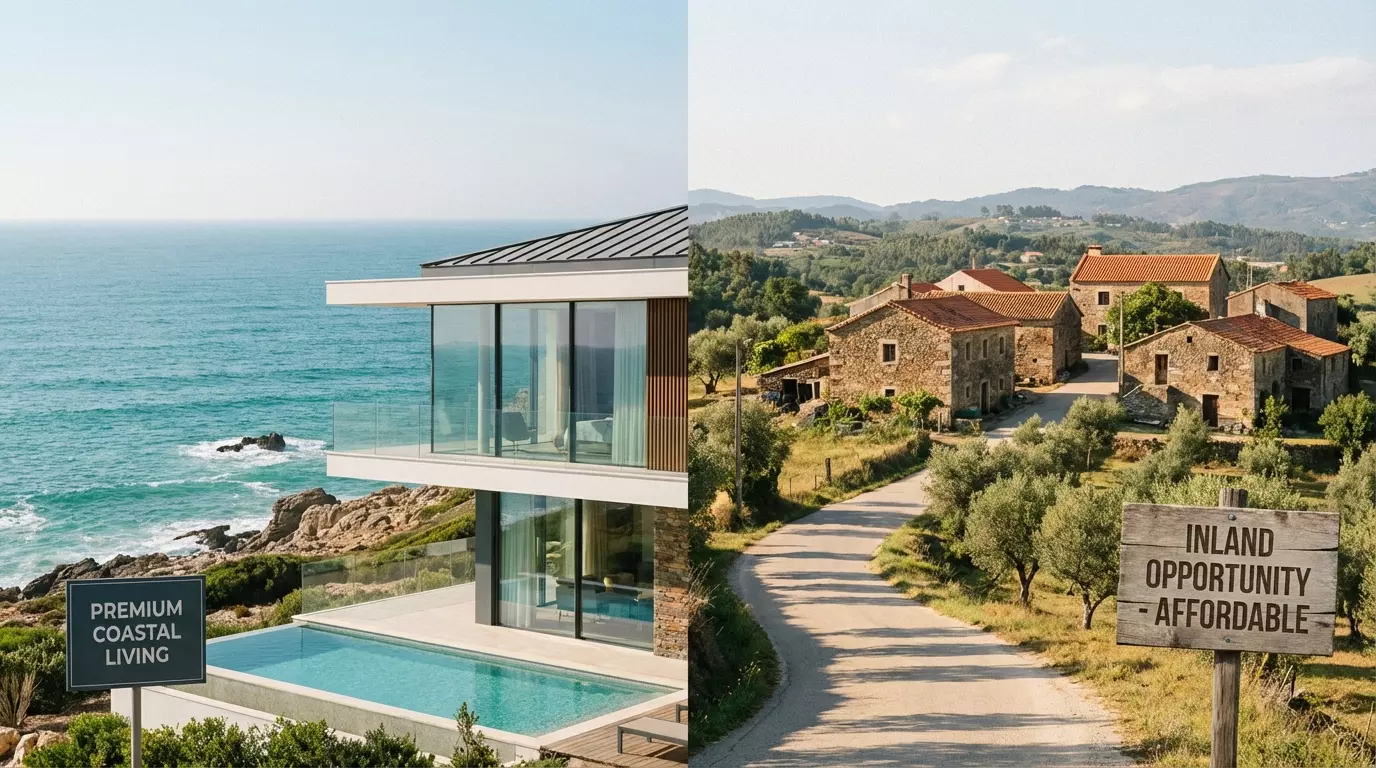
Portugal has become one of Europe’s most sought-after property markets, attracting both international investors and local buyers with its Mediterranean climate, rich culture, and relatively affordable real estate options. As we move through 2025, understanding the current property landscape has become essential for anyone considering purchasing in this beautiful Iberian nation. The Portuguese housing market continues to evolve, with prices varying dramatically depending on location, property type, and proximity to major urban centers or coastal areas.
Recent data reveals fascinating insights into what buyers can expect to pay across different regions of Portugal. From the bustling streets of Lisbon to the serene countryside of the interior, property prices reflect a complex interplay of demand, development, and desirability. Whether you’re a first-time buyer, an investor looking for rental opportunities, or someone seeking a retirement haven, knowing the average costs and regional variations will help you make informed decisions in this dynamic market.
Current Property Prices Across Portugal in 2025
The Portuguese property market has shown remarkable resilience and growth over recent years, with average prices reflecting both the country’s increasing popularity and regional economic factors. According to recent market analysis, the national average property price in Portugal currently stands at approximately €2,500 per square meter. However, this figure masks significant variations across different property types and locations, making it crucial for potential buyers to look beyond national averages when planning their purchases.
Urban apartments in major cities command premium prices, while rural properties and houses in smaller towns offer more affordable entry points into the Portuguese market. The diversity of options available means that buyers with budgets ranging from €100,000 to well over €1 million can find suitable properties. The market has also seen increased interest from remote workers and digital nomads, particularly following global shifts in work patterns, which has influenced demand in previously overlooked regions and contributed to price adjustments across various municipalities.
Regional Breakdown: Where to Buy and What to Pay
Lisbon remains Portugal’s most expensive property market, with average prices reaching €4,500 per square meter in prime central locations. The capital city’s historic neighborhoods like Chiado, Príncipe Real, and Estrela command even higher premiums, sometimes exceeding €6,000 per square meter. However, more affordable options exist in Lisbon’s surrounding municipalities, where prices drop to around €2,000-€2,500 per square meter, offering better value while maintaining good transport connections to the city center.
Porto, Portugal’s second-largest city, presents a slightly more accessible market with average prices around €3,000 per square meter in desirable central areas. The Algarve region, famous for its stunning coastline and golf resorts, shows varied pricing with coastal properties averaging €3,500 per square meter, while inland areas offer properties at €1,500-€2,000 per square meter. The interior regions of Portugal, including areas like Alentejo and Beiras, provide the most affordable options, with prices often below €1,000 per square meter, making them attractive for buyers seeking space, tranquility, and authentic Portuguese village life.
Price Comparison by Major Regions
| Region | Average Price per m² | Typical Property Cost |
|---|---|---|
| Lisbon City Center | €4,500 | €360,000 (80m²) |
| Porto City Center | €3,000 | €240,000 (80m²) |
| Algarve Coast | €3,500 | €280,000 (80m²) |
| Algarve Interior | €1,750 | €140,000 (80m²) |
| Interior Portugal | €900 | €72,000 (80m²) |
How Portuguese Real Estate Compares to Europe
When positioned against other European property markets, Portugal continues to offer competitive pricing, particularly when compared to Western European neighbors. While cities like Paris, London, or Munich see average property prices exceeding €8,000-€12,000 per square meter, even Lisbon’s premium locations remain relatively affordable. This pricing advantage has been a significant driver of international investment, with buyers from France, the United Kingdom, Germany, and increasingly from the United States seeking better value for their property investments.
However, the gap has been narrowing as Portuguese property prices have appreciated significantly over the past decade. According to Eurostat data, Portugal has experienced some of the highest property price growth rates in the European Union, with increases averaging 8-10% annually in major urban areas. Despite this growth, Portugal still offers approximately 30-40% lower prices than comparable properties in Spain’s major cities like Barcelona or Madrid, and remains significantly more affordable than most Western European capitals, making it an attractive proposition for those seeking European residency or investment opportunities.
European Property Price Comparison
- Premium Capital Cities: London (€11,000/m²), Paris (€10,500/m²), Amsterdam (€7,500/m²)
- Mid-Range Markets: Madrid (€3,800/m²), Barcelona (€4,200/m²), Berlin (€5,500/m²)
- Affordable Options: Lisbon (€4,500/m²), Porto (€3,000/m²), Athens (€2,800/m²)
- Eastern Europe: Warsaw (€2,500/m²), Budapest (€2,200/m²), Prague (€3,500/m²)
Market Trends Shaping Portugal’s Housing Costs
Several key factors are currently influencing property prices across Portugal, with government policies playing a significant role. The Portuguese government has implemented various measures to address housing affordability, including restrictions on new Golden Visa applications in high-demand areas like Lisbon and Porto. These policy changes aim to cool down speculation in overheated markets while redirecting investment toward interior regions that need economic stimulation and population growth.
The rental market dynamics have also significantly impacted property prices, with short-term rental regulations becoming stricter in major tourist areas. This has led some investors to reconsider their strategies, potentially moderating price growth in previously hot markets. Additionally, rising construction costs, labor shortages, and increased demand for sustainable, energy-efficient properties are pushing new development prices higher. The growing trend of remote work continues to reshape demand patterns, with coastal towns and rural areas experiencing increased interest from both Portuguese nationals and international buyers seeking lifestyle changes and better value propositions outside traditional urban centers.
Key Market Influences
- Interest Rate Changes: European Central Bank policies affecting mortgage affordability
- Tourism Recovery: Post-pandemic tourism rebound impacting short-term rental markets
- Infrastructure Development: New transport links opening up previously remote areas
- Demographic Shifts: Aging population and youth emigration affecting local demand
- Foreign Investment: Continued international interest despite policy changes
- Sustainability Requirements: New energy efficiency standards increasing renovation costs
Frequently Asked Questions
What is the cheapest region to buy property in Portugal?
The interior regions of Portugal, including parts of Alentejo, Beiras, and Trás-os-Montes, offer the most affordable property prices, often below €1,000 per square meter. These areas provide excellent value for buyers seeking space, authenticity, and peaceful rural living, though they may have fewer amenities and services compared to coastal or urban areas.
Are property prices in Portugal still rising?
Yes, property prices in Portugal continue to rise, though the rate of growth varies by region. Major cities like Lisbon and Porto have seen moderation in growth rates due to affordability concerns and policy interventions, while some coastal and interior areas are experiencing accelerated growth as buyers seek alternatives to expensive urban markets.
How much does a typical apartment cost in Lisbon?
A typical 80-square-meter apartment in central Lisbon costs approximately €360,000, based on average prices of €4,500 per square meter. However, prices vary significantly by neighborhood, with premium areas commanding much higher prices and peripheral areas offering more affordable options starting around €200,000 for similar-sized properties.
Is Portugal cheaper than Spain for property?
Generally, yes. Portugal offers lower property prices than comparable Spanish cities, with Lisbon and Porto being approximately 30-40% cheaper than Barcelona or Madrid for similar properties. However, some Spanish regions, particularly inland areas, can be comparable or even cheaper than Portuguese coastal locations.
Do foreigners pay more for property in Portugal?
No, foreigners do not pay higher prices than Portuguese nationals for property purchases. However, international buyers may face additional costs related to legal representation, translation services, and currency exchange, and should be aware of tax implications both in Portugal and their home countries.
What are the additional costs when buying property in Portugal?
Beyond the purchase price, buyers should budget for property transfer tax (IMT) of 1-8% depending on property value and type, stamp duty of 0.8%, legal fees of approximately 1-2%, and registration costs. These additional expenses typically add 8-12% to the total acquisition cost.
In Short
Portugal’s property market in 2025 presents a diverse landscape of opportunities, with average prices around €2,500 per square meter nationally but significant regional variations. Lisbon and Porto remain the most expensive markets, while interior regions offer exceptional value for budget-conscious buyers. Compared to other Western European countries, Portugal continues to provide competitive pricing, though the gap has narrowed due to sustained price growth over recent years.
Understanding regional differences, market trends, and the factors driving price changes is essential for making informed property decisions in Portugal. Whether you’re seeking an urban apartment, a coastal villa, or a rural retreat, the Portuguese market offers options across various price points. As policies evolve and market dynamics shift, staying informed about current prices and trends will help you identify the best opportunities that align with your budget and lifestyle goals in this beautiful and welcoming country.
Join The Discussion