

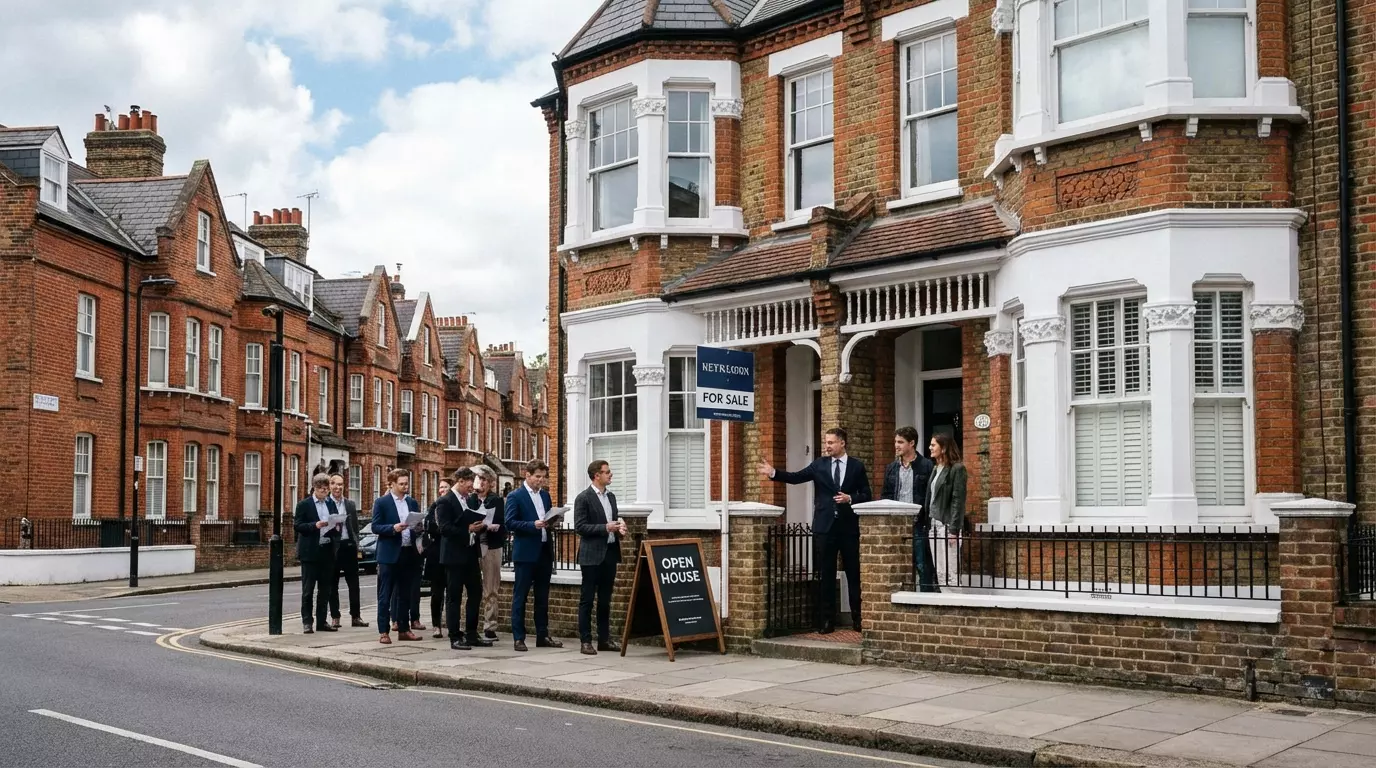
UK House Prices Soar Past £300,000 Mark
UK House Prices Soar Past £300,000 Mark
The average house price in the United Kingdom has crossed the symbolic £300,000 threshold for the first time in history, marking a significant milestone in the nation’s property market. According to recent data from Halifax, one of Britain’s largest mortgage lenders, the typical home now costs £300,118, representing a substantial increase that reflects the ongoing pressures within the housing sector. This landmark figure comes after months of sustained growth, despite economic uncertainties and rising interest rates that were expected to cool the market.
The surge past this psychological barrier has been driven by multiple factors, including limited housing supply, strong buyer demand, and the lingering effects of pandemic-era shifts in housing preferences. Property values have climbed steadily throughout the year, with the latest figures showing a monthly increase of 1.1% and an annual rise of approximately 4.6%. These statistics paint a picture of a resilient market that continues to defy predictions of a significant downturn, even as affordability concerns reach critical levels for many aspiring homeowners across the country.
First Time Buyers Face Mounting Challenges
The escalating property prices have created unprecedented obstacles for those attempting to step onto the housing ladder for the first time. With the average deposit now needing to exceed £60,000 in many areas, first time buyers are finding themselves locked out of homeownership for longer periods. The situation has become particularly acute in southern England, where property prices have traditionally been higher, forcing many young professionals to either relocate to more affordable regions or resign themselves to extended periods of renting while they accumulate savings.
Financial institutions and housing charities have expressed growing concern about the widening gap between wages and property prices. The average first time buyer now needs to save for nearly 15 years to afford a deposit, assuming they can set aside 15% of their income monthly. According to Nationwide Building Society, the deposit requirements have increased by more than 25% over the past three years alone. This has led to increased reliance on the “Bank of Mum and Dad,” with parental contributions now playing a crucial role in approximately 50% of first time buyer transactions, further exacerbating wealth inequality between generations.
Regional Variations Show Mixed Market Picture
While the national average provides a useful benchmark, the reality of the UK property market is far more nuanced, with significant regional disparities creating vastly different experiences for buyers and sellers. London and the South East continue to command premium prices, with average values in the capital hovering around £536,000, nearly double the national average. However, these regions have experienced slower growth rates compared to other parts of the country, suggesting a potential market saturation or affordability ceiling being reached.
In contrast, northern regions and parts of Wales have witnessed remarkable growth spurts, with cities like Manchester, Liverpool, and Cardiff seeing annual increases exceeding 6%. Scotland has also performed strongly, with average prices rising by approximately 5.2% year-on-year. The North-South divide in property values remains stark, with homes in the North East averaging around £160,000, less than a third of London prices. This regional variation has prompted many buyers to consider relocating to more affordable areas, particularly as remote working arrangements have become more commonplace, allowing greater geographical flexibility in housing choices.
What This Means for Property Investors
The milestone of average house prices exceeding £300,000 presents both opportunities and challenges for property investors navigating the current market landscape. Those with existing portfolios have seen substantial equity gains, potentially enabling them to leverage their assets for further investments or refinancing opportunities. The continued price appreciation suggests that property remains an attractive investment vehicle, particularly when compared to volatile stock markets and low-interest savings accounts that fail to keep pace with inflation.
However, prospective investors must carefully evaluate the changing dynamics of the rental market and potential regulatory shifts that could impact profitability. Higher purchase prices mean larger mortgage commitments, while rising interest rates have significantly increased borrowing costs compared to the ultra-low rates of recent years. Additionally, stricter lending criteria and increased stamp duty charges for additional properties have made entry into the buy-to-let sector more challenging. According to research from Zoopla, rental yields in many areas have compressed despite rising rents, as property price growth has outpaced rental increases. Investors are increasingly looking toward high-growth regional markets and purpose-built rental developments as alternatives to traditional buy-to-let strategies in expensive urban centers.
Market Outlook and Future Predictions
Industry experts remain divided on whether the £300,000 milestone represents a temporary peak or merely another step in continued upward trajectory. Some analysts point to rising mortgage rates and cost-of-living pressures as factors that could finally trigger a market correction in the coming months. The Bank of England’s monetary policy decisions will play a crucial role in determining market direction, as higher interest rates typically dampen borrowing capacity and buyer enthusiasm.
Conversely, persistent housing supply shortages suggest that prices may remain elevated even if growth rates moderate. The UK has consistently failed to meet its housebuilding targets, with new construction falling short of demographic demand by tens of thousands of units annually. Government initiatives aimed at increasing housing supply and supporting first time buyers may influence market dynamics, but structural changes take years to materialize. Most forecasters predict modest growth or price stability rather than significant declines, barring major economic shocks that could fundamentally alter buyer sentiment and lending conditions.
Impact on the Broader Economy
The housing market’s performance has far-reaching implications beyond individual buyers and sellers, affecting consumer confidence, spending patterns, and overall economic health. Rising property values create a wealth effect for homeowners, who may feel more financially secure and willing to spend on other goods and services. However, this benefit is counterbalanced by reduced affordability for non-homeowners and the diversion of household income toward housing costs rather than productive economic activity.
The construction sector, mortgage industry, and related services all depend heavily on a functioning property market, employing millions of workers across the country. A healthy housing market supports economic growth through these channels, but excessive price inflation can create instability and misallocate resources toward property speculation rather than business investment and innovation. Policymakers face the delicate challenge of supporting homeownership aspirations while preventing the formation of dangerous price bubbles that could threaten financial stability if they burst unexpectedly.
Government Response and Policy Considerations
Political leaders across the spectrum have acknowledged the housing affordability crisis, though proposed solutions vary significantly. Current government initiatives include help-to-buy schemes, stamp duty holidays, and planning reform aimed at accelerating development. However, critics argue these measures have sometimes inflated prices further by increasing demand without adequately addressing supply constraints.
Future policy directions may include expanded social housing construction, stricter regulations on second homes and foreign investment in residential property, and incentives for building on brownfield sites. Some advocates push for more radical interventions, such as land value taxation or significant increases in capital gains tax on property sales. The political sensitivity of housing policy, given that homeownership remains a key aspiration for many voters, means that dramatic changes are unlikely without broad consensus. Balancing the interests of existing homeowners, aspiring buyers, renters, and investors will remain a central challenge for policymakers in the years ahead.
In Short
The UK housing market has reached a historic milestone with average prices surpassing £300,000 for the first time, reflecting sustained demand and limited supply. This development presents significant challenges for first time buyers while offering potential opportunities for property investors, though regional variations create vastly different market conditions across the country. The implications extend beyond individual transactions to affect broader economic performance and social mobility. As mortgage rates rise and affordability concerns intensify, the sustainability of current price levels remains uncertain. Policymakers face difficult choices in addressing housing supply shortages while managing the risks of market overheating. Whether this milestone represents a peak or merely a waypoint in continued growth will depend on economic conditions, government interventions, and demographic trends in the months and years ahead.
Frequently Asked Questions
What is the current average house price in the UK?
The average house price in the UK has now exceeded £300,000 for the first time, specifically reaching £300,118 according to recent Halifax data. This represents a significant milestone in the property market.
How much deposit do first time buyers typically need?
First time buyers typically need deposits exceeding £60,000 in many areas, though this varies significantly by region. In London and the South East, deposits are substantially higher, often requiring £100,000 or more.
Which regions have the most affordable property prices?
The North East of England currently has the most affordable average property prices at around £160,000, followed by other northern regions and parts of Wales. These areas offer significantly better value compared to London and the South East.
Are house prices expected to continue rising?
Expert predictions are mixed, with some forecasting modest continued growth while others anticipate price stabilization or slight declines. Rising interest rates and affordability constraints may moderate growth, but supply shortages could maintain upward pressure.
How do rising house prices affect property investors?
Rising house prices benefit existing property investors through equity gains but make new investments more expensive. Higher purchase prices combined with rising mortgage rates have compressed rental yields in many areas, requiring more careful market selection.
What government schemes help first time buyers?
Various government schemes exist to support first time buyers, including help-to-buy programs, shared ownership schemes, and periodic stamp duty relief measures. Eligibility and availability vary depending on location and property value.
SEO Keywords: house prices, property market, first time buyers
5 Suggested Internal Links: average house price, first time buyers, property investors, regional markets, mortgage rates



Join The Discussion