

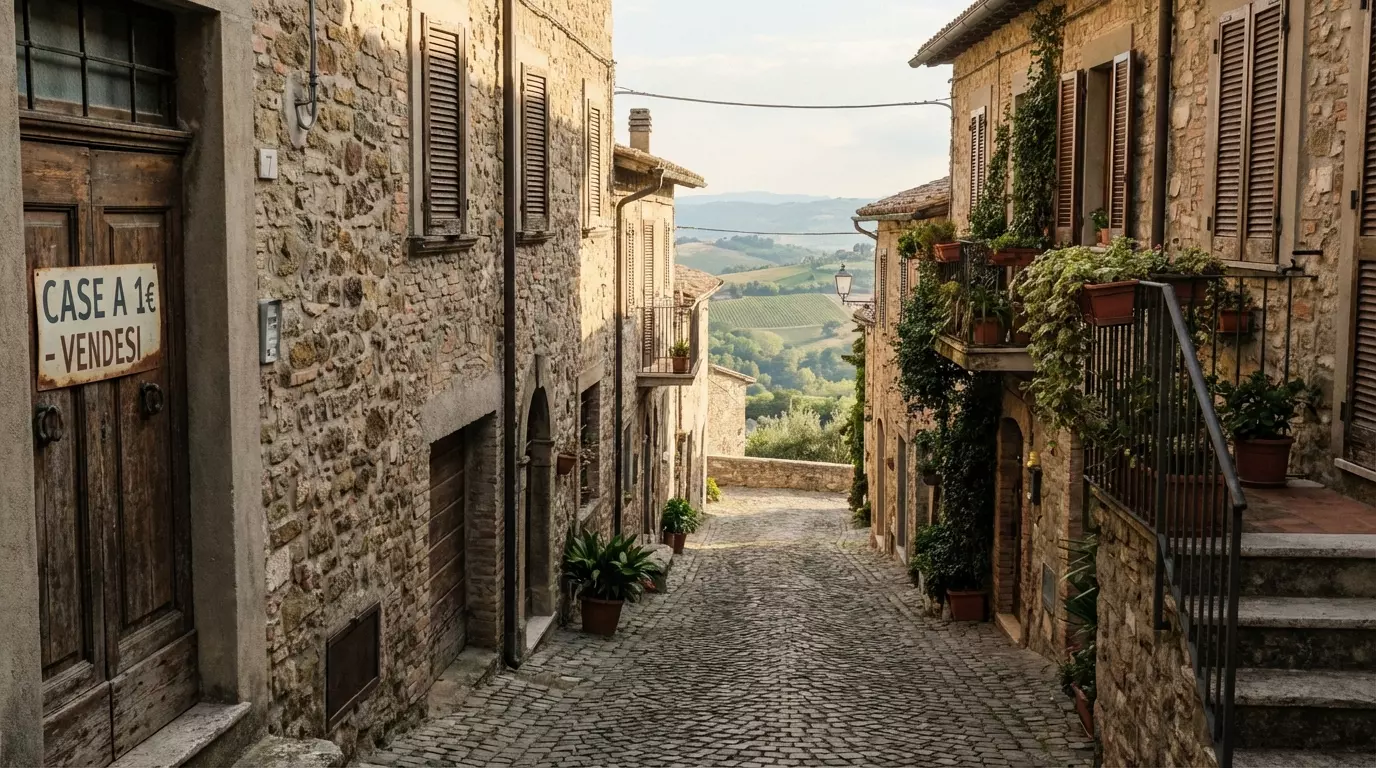
The One Euro Home Deal in Tuscany
The charming medieval town of Sambuca di Sicilia made headlines when it launched its famous one euro home initiative, and now another Italian municipality is following suit with an equally enticing offer. The picturesque Tuscan village of Anghiari, perched in the province of Arezzo, has announced its own version of this program, inviting prospective buyers to purchase abandoned properties for the symbolic price of one euro. This initiative represents more than just an incredible real estate opportunity; it’s a lifeline for a community struggling with depopulation and the decay of its historic center.
Unlike similar programs in more remote areas of Italy, Anghiari offers something special to potential buyers. This Renaissance-era town, which served as the backdrop for a famous battle painted by Leonardo da Vinci, provides an authentic Tuscan experience without the tourist crowds of Florence or Siena. The town’s strategic location in the upper Tiber Valley, just 29 kilometers from Arezzo and close to the border with Umbria, makes it an attractive option for those seeking the quintessential Italian countryside lifestyle while maintaining reasonable access to modern amenities and transportation links.
Why This Italian Town Needs New Residents
Anghiari’s population has been steadily declining over recent decades, a trend affecting numerous small towns throughout rural Italy. The community has witnessed an exodus of younger residents seeking employment opportunities in larger cities, leaving behind an aging population and increasingly empty historic buildings in the town center. Local authorities estimate that dozens of properties have fallen into disrepair, creating not just an aesthetic problem but also structural concerns for the preservation of this medieval architectural gem that dates back to the 13th century.
The one euro home scheme serves as a strategic intervention to reverse this demographic decline and breathe new life into Anghiari’s historic quarter. Town officials recognize that without intervention, the community risks losing its cultural heritage and economic viability. By attracting new residents, particularly young families and remote workers who can live anywhere with internet connectivity, Anghiari hopes to revitalize local businesses, reopen shuttered shops, and ensure the town’s schools and services remain sustainable. The initiative also aligns with broader Italian government efforts to combat rural depopulation and preserve the country’s vast architectural heritage, which includes thousands of historic buildings requiring maintenance and restoration.
What You Need to Know Before Applying
Before you start dreaming about your Tuscan villa, understanding the program’s requirements is essential. Prospective buyers must submit a detailed renovation plan within three months of purchasing their one euro property, and they’re required to complete all restoration work within three years of acquisition. Additionally, applicants need to post a security deposit of 5,000 euros, which will be refunded only upon successful completion of the renovation according to approved plans and local building regulations.
The financial commitment extends well beyond the symbolic purchase price. Restoration experts estimate that renovating these historic properties typically costs between 20,000 and 80,000 euros, depending on the building’s condition and size. Buyers must work with approved contractors and architects familiar with Italian heritage preservation laws, which can be considerably more stringent than building codes in other countries. The properties available through this program are genuine fixer-uppers, often lacking modern plumbing, electrical systems, and structural reinforcement. According to Italian real estate market data, these renovation costs remain significantly lower than purchasing a move-in ready property in comparable Tuscan locations, where prices can easily exceed 300,000 euros for a modest home.
Restoring Your Dream Home in Rural Italy
The restoration process in historic Italian towns like Anghiari involves navigating a complex web of regulations designed to preserve architectural authenticity. Property owners must maintain original facades, use traditional building materials, and often recreate period-appropriate features such as terracotta floors, wooden ceiling beams, and stone walls. The local municipality’s building department reviews all renovation plans to ensure compliance with heritage preservation standards, which means modern amenities must be integrated thoughtfully without compromising the building’s historic character.
Working with local craftsmen and suppliers becomes crucial for successful restoration projects in rural Tuscany. Many traditional building techniques require specialized knowledge that modern contractors may not possess, from mixing lime-based mortars to installing handmade terracotta tiles. The renovation timeline can extend beyond initial estimates due to the discovery of unexpected structural issues, weather delays, and the sometimes leisurely pace of Italian bureaucracy. However, those who complete their restorations often find the investment worthwhile, creating unique homes filled with character in one of Europe’s most beautiful regions. The finished properties typically feature thick stone walls providing natural insulation, vaulted ceilings, and spectacular views across the Tuscan countryside that simply cannot be replicated in modern construction.
Frequently Asked Questions
Can non-EU citizens purchase one euro homes in Anghiari?
Yes, the program is open to international buyers regardless of citizenship. However, non-EU citizens should consult with an Italian immigration attorney regarding visa requirements for extended stays during renovation and potential residency.
Are there any ongoing property taxes or fees?
Yes, property owners must pay annual property taxes (IMU) and other municipal fees. These costs vary based on property size and classification but typically range from a few hundred to several thousand euros annually.
What happens if renovations aren’t completed within three years?
Failure to complete renovations within the specified timeframe results in forfeiture of the 5,000 euro security deposit, and the municipality may reclaim the property.
Can I rent out my restored property?
Most one euro home programs require owners to use the property as a primary or secondary residence for a minimum period. Specific rental restrictions vary by municipality, so clarifying these terms before purchase is important.
What utilities and services are available in Anghiari?
Anghiari has essential services including water, electricity, gas, and high-speed internet in most areas. The town features shops, restaurants, medical facilities, and schools, though selection is limited compared to larger cities.
In Short
Anghiari’s one euro home initiative offers an extraordinary opportunity for adventurous buyers willing to invest time, money, and effort into restoring a piece of Tuscan history. While the symbolic purchase price captures headlines, the real investment lies in the renovation costs and navigating Italian bureaucracy. For the right person, this program provides access to an authentic Italian lifestyle in a stunning medieval town that tourists have yet to overrun.
The success of this venture depends on realistic expectations and thorough preparation. Prospective buyers should visit Anghiari, assess available properties firsthand, and consult with local professionals before committing. Those who embrace the challenge often discover that the rewards extend far beyond real estate investment, creating deep connections with Italian culture, community, and a slower pace of life that represents the very best of Tuscan living. Whether you’re seeking a retirement destination, a remote work haven, or simply a unique restoration project, Anghiari’s one euro homes present a rare chance to own a piece of Italy’s architectural heritage while contributing to a community’s revival.

Join The Discussion