

The Unspoken Truths About Living in Southern Spain
Moving to Southern Spain sounds like a dream come true for many expatriates seeking sunshine, affordable living, and a relaxed Mediterranean lifestyle. The region’s stunning coastlines, rich cultural heritage, and pleasant climate attract thousands of foreign residents each year. However, beneath the glossy surface of travel brochures and Instagram-perfect beach photos lies a more complex reality that deserves honest discussion.
While the allure of Spanish coastal living remains strong, prospective residents need to understand the practical challenges that come with relocating to this sun-drenched region. From cultural adjustments to unexpected expenses, the experience of living in Southern Spain differs significantly from vacationing there. This article explores the lesser-known aspects of daily life in this popular expat destination, providing insights that real estate listings and tourist guides rarely mention.
The Reality Behind the Sunshine and Sangria
The romanticized vision of Southern Spanish life often clashes with everyday realities that locals and long-term residents know well. While the region genuinely offers beautiful weather and a vibrant culture, the practical aspects of establishing a life here require careful consideration and realistic expectations. Many newcomers arrive with visions of endless beach days and leisurely lunches, only to discover that building a sustainable life involves navigating bureaucratic systems, language barriers, and cultural differences that can feel overwhelming at first.
The property market in Southern Spain presents its own set of challenges beyond the attractive price tags that initially draw buyers. Idealista, Spain’s leading property portal, regularly reports on market trends showing that while coastal properties may seem affordable compared to Northern European standards, hidden costs quickly accumulate. Maintenance expenses in coastal areas prove higher than inland locations due to salt air corrosion, and community fees for urbanizations can reach several hundred euros monthly. Additionally, the legal process of purchasing property in Spain requires engaging with notaries, registrars, and understanding Spanish property law, which differs substantially from systems in the UK, US, or other common expat origin countries.
Local Life Moves at a Different Pace Here
The famous Spanish concept of “mañana” isn’t just a stereotype but reflects a genuinely different approach to time and productivity that permeates daily life. Business hours follow patterns that can frustrate newcomers accustomed to continuous service availability. Most shops close for extended lunch breaks between 2:00 PM and 5:00 PM, and many businesses remain shuttered on Sundays. Banks operate limited hours, typically closing by 2:00 PM on weekdays, making it challenging for working residents to handle financial matters. This rhythm reflects centuries of cultural adaptation to the climate and prioritization of family time over constant commercial availability.
Social integration into Spanish communities requires patience and often progresses more slowly than in some other cultures. Spaniards maintain strong bonds with childhood friends and extended family, meaning their social circles are well-established and not always immediately open to newcomers. Building genuine friendships beyond superficial acquaintance level takes consistent effort, language skills, and participation in local activities. According to research from the Pew Research Center on cultural integration, expatriates who invest time learning Spanish and engaging with community traditions report significantly higher satisfaction levels than those who remain primarily within expat circles. The Spanish custom of late dining, with restaurants rarely filling before 9:30 PM, represents another adjustment that affects social life and daily scheduling.
Summer Heat Tests Your Air Con Budget Fast
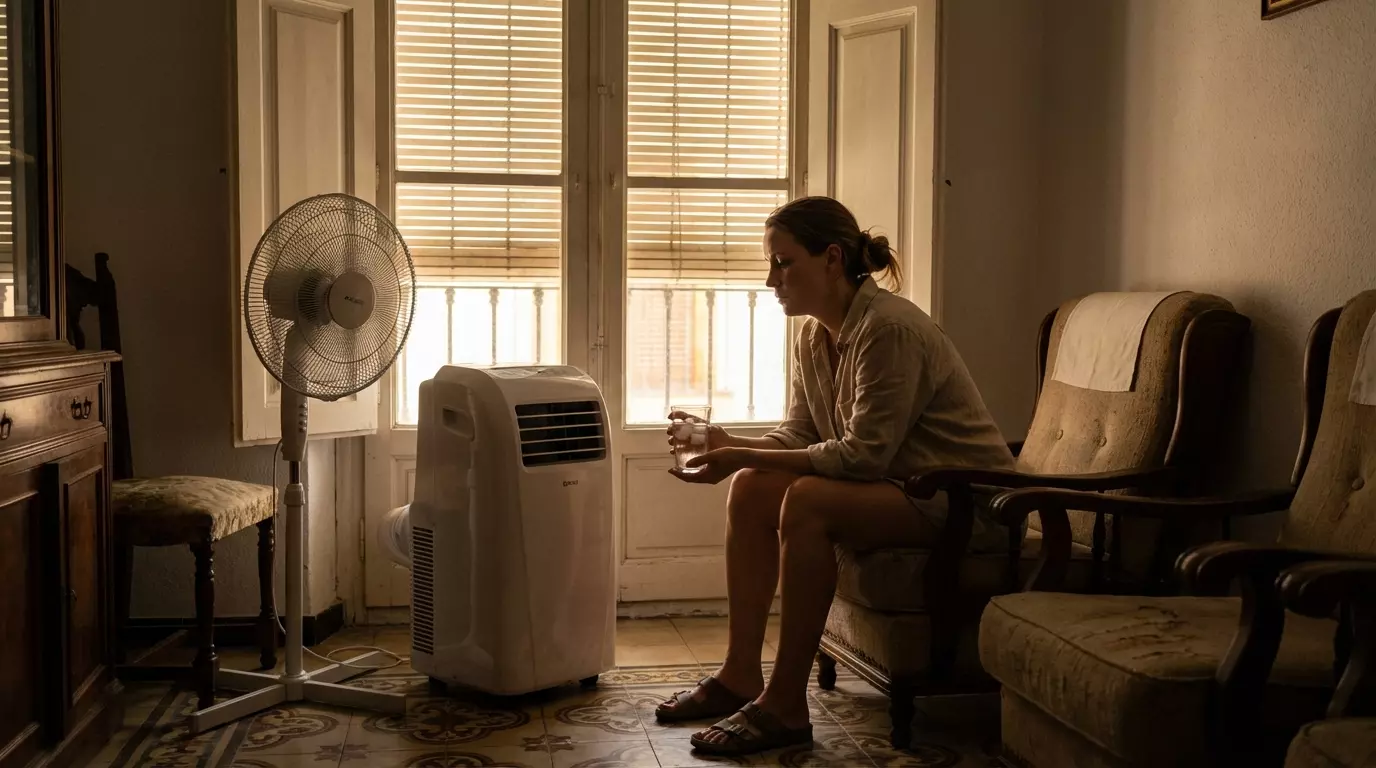
Southern Spain’s summer temperatures regularly exceed 35°C (95°F) and can push past 40°C (104°F) during heat waves, making air conditioning a necessity rather than a luxury. The idyllic image of Mediterranean summers doesn’t account for the reality of spending July and August largely indoors during peak heat hours. Electricity costs in Spain rank among Europe’s highest, and running air conditioning continuously throughout summer months can easily add €200-400 to monthly utility bills, depending on property size and insulation quality.
The intense summer heat creates a cascade of additional expenses and lifestyle adjustments that catch many newcomers off-guard. Outdoor furniture deteriorates rapidly under constant sun exposure, requiring replacement or protective covers. Garden maintenance becomes challenging as plants require frequent watering, driving up water bills substantially. Many long-term residents adopt the local practice of internal migration, escaping to cooler mountain villages or northern regions during peak summer, which adds travel and potentially second accommodation costs. The Guardian has reported extensively on how climate change is intensifying these heat patterns across Mediterranean regions, suggesting future summers may become even more challenging. Vehicle interiors reach dangerous temperatures, making covered parking essential, and the heat affects everything from grocery shopping schedules to pet care requirements.
Finding Community Takes More Effort Than Expected
The expatriate experience in Southern Spain varies dramatically depending on location, with coastal areas offering established expat communities while inland towns provide more authentic Spanish immersion but fewer ready-made international social networks. Popular expat destinations like the Costa del Sol present a paradox where finding other English speakers proves easy, but genuine integration into Spanish society becomes optional and consequently less likely. Many expatriates find themselves in comfortable but isolated bubbles, socializing primarily with other foreigners and missing opportunities for cultural enrichment.
Creating meaningful connections requires intentional effort and strategic approaches to community engagement. Joining local clubs, whether for hiking, language exchange, volunteering, or sports, provides structured opportunities for regular interaction with both Spaniards and fellow expatriates. Learning Spanish beyond basic tourist phrases proves essential, as most Spaniards outside major tourist zones speak limited English, and language ability directly correlates with integration success. Community centers, municipal sports facilities, and cultural associations offer affordable activities that facilitate social connections. The challenge intensifies for retirees or remote workers who lack the natural community-building that comes with workplace interactions. Some expatriates report feeling isolated during the first year, experiencing culture shock and questioning their relocation decision before eventually finding their rhythm and social circle. Realistic expectations about the integration timeline help newcomers persist through the initial adjustment period rather than becoming discouraged and returning home prematurely.
In Short
Living in Southern Spain offers genuine rewards for those who approach the experience with open eyes and realistic expectations. The region’s climate, culture, and lifestyle provide compelling reasons for relocation, but success requires acknowledging and preparing for practical challenges. The romantic vision of Spanish life coexists with bureaucratic complexities, cultural adjustments, and unexpected expenses that demand patience and flexibility.
Prospective residents should visit during different seasons, research specific locations thoroughly, and connect with established expatriates to gain honest insights before committing to a move. Learning Spanish, understanding local customs, and preparing financially for hidden costs significantly improve the likelihood of a successful transition. Southern Spain can indeed offer an enhanced quality of life, but achieving that outcome requires more than simply purchasing property and arriving with suitcases. Those who invest time in cultural integration, build diverse social networks, and adapt to the local pace of life generally discover that the challenges become manageable and the rewards multiply over time.
Frequently Asked Questions
How much money do I need to live comfortably in Southern Spain?
A comfortable lifestyle in Southern Spain typically requires €1,500-2,500 monthly for a single person, depending on location and lifestyle choices. Coastal tourist areas cost significantly more than inland towns. This budget should cover rent, utilities, food, transportation, and entertainment, though property owners can reduce this by eliminating rental costs.
Do I need to speak Spanish to live in Southern Spain?
While you can survive in major expat areas with only English, learning Spanish dramatically improves your quality of life, integration prospects, and ability to handle administrative tasks. Basic conversational Spanish should be considered essential for anyone planning long-term residence, as most official processes, healthcare interactions, and local services operate primarily in Spanish.
What are the biggest unexpected costs of living in Southern Spain?
The most significant surprise expenses include summer air conditioning bills, higher coastal property maintenance costs, community fees for apartments and urbanizations, resident permit application fees, and the cost of furnishing properties that often come unfurnished. Healthcare, while excellent, requires either public system contributions or private insurance that increases with age.
How difficult is the Spanish bureaucracy for foreigners?
Spanish bureaucracy is notoriously complex and time-consuming, requiring patience and often professional assistance. Obtaining residence permits, registering with local authorities, setting up utilities, and navigating the healthcare system all involve multiple steps and documentation. Many expatriates hire gestoría services (administrative agencies) to handle official paperwork, which adds cost but reduces stress considerably.
Is Southern Spain suitable for year-round living or better as a seasonal residence?
This depends entirely on personal heat tolerance and lifestyle preferences. Many residents find year-round living perfectly comfortable, adopting local habits like afternoon siestas during peak summer heat. However, a significant number of expatriates adopt a semi-resident lifestyle, spending summers elsewhere and returning for the mild winters. The intense July and August heat drives many locals to vacation elsewhere during this period as well.
Join The Discussion