

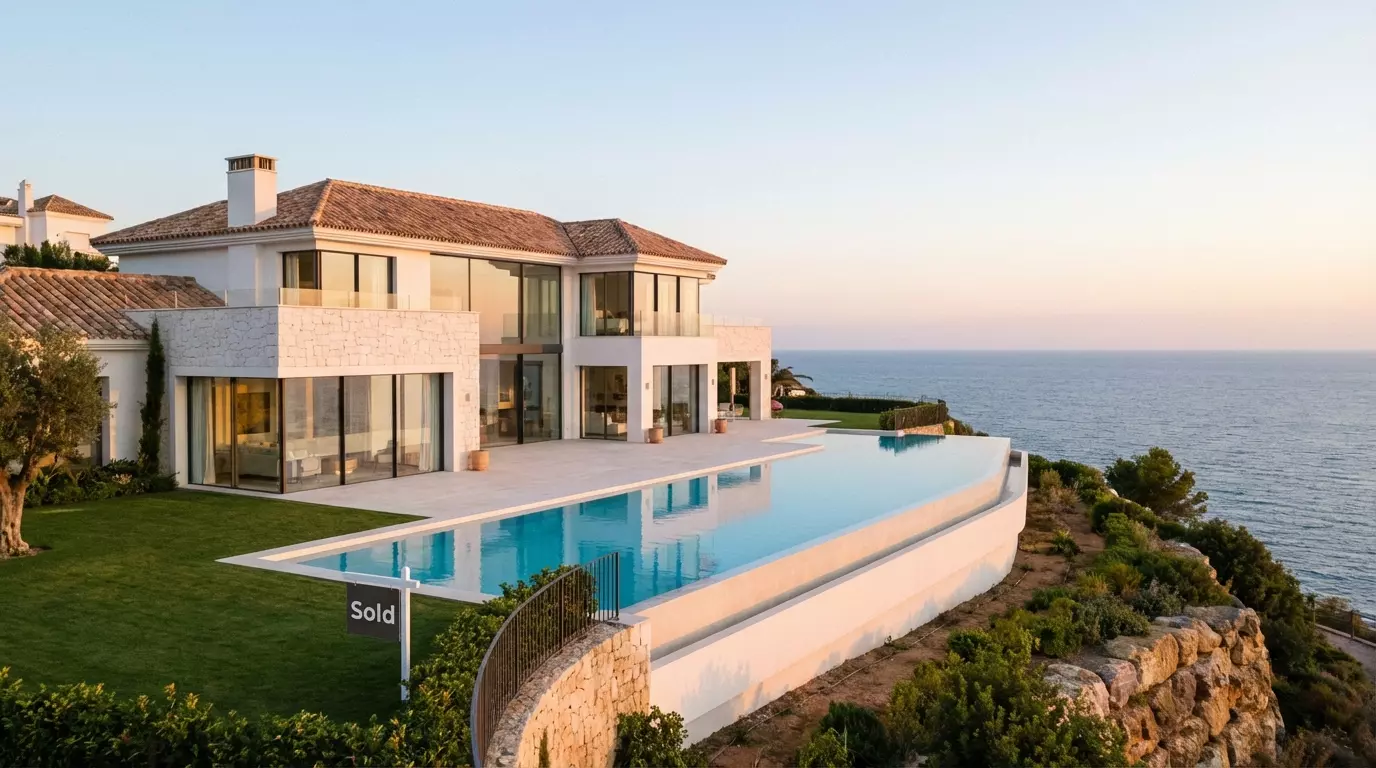
Spain’s Luxury Real Estate Market Stays Strong
Spain’s high-end property sector continues to demonstrate remarkable resilience, bucking broader market trends and maintaining robust performance throughout 2024. The luxury segment, encompassing properties valued at over €1 million, has emerged as a stabilizing force in Spain’s real estate landscape, showing consistent growth while mid-range markets experience slower activity. This premium sector has become increasingly attractive to international buyers seeking quality assets in prime Mediterranean locations.
The Spanish luxury housing market has proven particularly resistant to economic headwinds that have affected other European markets. Despite rising interest rates and global economic uncertainty, demand for premium properties remains strong, driven by a combination of lifestyle preferences, investment strategies, and Spain’s enduring appeal as a destination for affluent buyers. Market analysts note that this segment’s performance reflects deeper structural changes in how wealthy individuals approach property ownership and investment diversification.
High-End Properties Drive Market Growth
Luxury properties have become the primary driver of overall transaction value in Spain’s real estate sector, even though they represent a smaller percentage of total sales volume. Properties priced above €1 million accounted for a disproportionate share of total market value in 2024, with some regions seeing luxury transactions contribute up to 40% of total real estate investment despite representing only 8-12% of actual property sales. This concentration of value in the premium segment has created a two-tier market where high-end properties operate under different dynamics than standard residential units.
The characteristics defining Spain’s luxury market have evolved significantly, with buyers now prioritizing sustainable features, smart home technology, and exclusive amenities. Premium developments increasingly incorporate eco-friendly construction materials, energy-efficient systems, and wellness facilities that cater to discerning international clientele. Properties featuring private pools, sea views, golf course access, and proximity to international airports command substantial premiums, with some coastal villas appreciating by 15-20% annually in sought-after locations. According to Eurostat, Spain’s construction sector has adapted to these changing preferences, with luxury developments incorporating increasingly sophisticated specifications.
Foreign Investors Fuel Demand for Premium Homes
International buyers continue to dominate Spain’s luxury property market, representing approximately 70-75% of all high-end transactions. Buyers from the United Kingdom, Germany, France, and the Benelux countries remain the traditional core of foreign demand, but recent years have seen significant increases from North American, Middle Eastern, and Asian purchasers. These international investors are attracted by Spain’s favorable climate, lifestyle quality, political stability, and relative value compared to other Mediterranean luxury markets like the French Riviera or Italian coastlines.
The motivation behind foreign luxury purchases has diversified beyond simple vacation home acquisitions. Many international buyers now view Spanish premium properties as strategic investments within broader portfolio strategies, seeking rental income potential from high-end tourism or long-term appreciation in established luxury zones. The Spanish Golden Visa program, which grants residency rights to property investors spending over €500,000, has further incentivized non-EU buyers, though proposed changes to this program have created some market uncertainty. Industry data from the Bank of Spain indicates that foreign investment in Spanish real estate has remained consistently strong, with luxury segments showing the most sustained growth.
Coastal Cities Lead Spain’s Luxury Boom
The Mediterranean coastline continues to anchor Spain’s luxury property market, with specific cities and regions experiencing exceptional growth. Marbella, located on the Costa del Sol, remains the undisputed champion of Spain’s luxury market, with the Golden Mile and Puerto Banús areas recording average luxury property prices exceeding €6,000 per square meter. The city’s established infrastructure for wealthy residents, including international schools, private healthcare facilities, and upscale dining and entertainment options, creates a self-reinforcing ecosystem that attracts continued investment.
Barcelona and its surrounding coastal areas have emerged as serious contenders in the luxury space, particularly among younger, internationally mobile professionals and entrepreneurs. The Catalan capital offers a unique combination of urban sophistication, cultural richness, and Mediterranean beach access that appeals to a different demographic than traditional resort destinations. Valencia has also experienced remarkable growth in its premium segment, with the city’s historic center and newly developed waterfront areas attracting buyers seeking luxury properties at more accessible price points than Barcelona or Marbella. The Balearic Islands, particularly Mallorca and Ibiza, continue to command premium prices, with exclusive properties in areas like Port Andratx or Ibiza’s west coast regularly exceeding €10 million for exceptional villas.
Regional Luxury Market Performance
| Region | Average Luxury Price/m² | Annual Growth | Primary Buyer Nationality |
|---|---|---|---|
| Marbella (Costa del Sol) | €6,000-€8,500 | 12-15% | UK, Scandinavia, Middle East |
| Barcelona | €5,500-€7,000 | 10-13% | France, USA, Northern Europe |
| Valencia | €3,500-€5,000 | 15-18% | UK, Germany, France |
| Mallorca | €7,000-€12,000 | 8-12% | Germany, UK, Switzerland |
| Ibiza | €8,000-€15,000 | 10-14% | UK, USA, Germany |
Key Factors Supporting Spain’s Luxury Market
Several interconnected factors explain the sustained strength of Spain’s premium property sector:
- Quality of Life: Spain’s climate, healthcare system, and lifestyle offerings remain unmatched in Europe
- Infrastructure Development: Continued investment in transportation, including high-speed rail and airport expansion
- Political Stability: Relative predictability compared to other Mediterranean markets
- Cultural Appeal: Rich heritage, gastronomy, and entertainment options
- Professional Services: Well-established legal, financial, and property management sectors catering to international clients
- Rental Potential: Strong luxury tourism market providing income opportunities
- Residency Options: Golden Visa and digital nomad visa programs attracting long-term residents
Challenges Facing the Luxury Segment
Despite overall strength, Spain’s luxury market faces several headwinds:
- Regulatory Changes: Proposed modifications to the Golden Visa program and tourist rental restrictions in some regions
- Supply Constraints: Limited availability of prime coastal land for new luxury developments
- Construction Costs: Rising material and labor expenses affecting development profitability
- Environmental Concerns: Increasing scrutiny of coastal development and water usage in drought-prone areas
- Tax Considerations: Wealth taxes and property transfer taxes varying significantly by autonomous region
Market Outlook and Projections
Industry experts anticipate continued strength in Spain’s luxury property market through 2025, though at potentially more moderate growth rates than recent years. The fundamental drivers of demand remain intact, with international mobility trends favoring locations like Spain that offer lifestyle quality alongside investment security. New luxury developments are increasingly focusing on sustainability credentials, recognizing that environmentally conscious features have become essential rather than optional for premium buyers.
The market is also witnessing increased sophistication in buyer behavior, with purchasers conducting more thorough due diligence and seeking properties that offer genuine uniqueness rather than standard luxury features. This evolution is pushing developers to create more distinctive projects that emphasize architectural quality, location exclusivity, and integrated lifestyle amenities. The trend toward remote work has additionally broadened the potential buyer pool, as professionals no longer need to maintain permanent proximity to traditional business centers.
In Short
Spain’s luxury real estate market has established itself as a resilient and dynamic sector, consistently outperformming broader property market trends. The combination of international buyer demand, strategic coastal locations, and evolving luxury standards has created a robust market environment that continues attracting significant investment. While challenges exist, including regulatory uncertainties and supply limitations, the fundamental appeal of Spanish luxury properties remains strong.
The market’s future appears promising, supported by Spain’s enduring lifestyle advantages, improving infrastructure, and the ongoing global trend toward geographic flexibility among wealthy individuals. As the luxury segment continues to evolve, properties that successfully integrate sustainability, technology, and genuine location advantages will likely command premium valuations and attract the most discerning international buyers. For investors and end-users alike, Spain’s luxury market offers compelling opportunities in one of Europe’s most desirable destinations.
FAQ
What price point defines luxury real estate in Spain?
Properties valued at €1 million or above are generally considered luxury real estate in Spain, though in prime locations like Marbella’s Golden Mile or central Barcelona, the threshold may be significantly higher, often starting at €2-3 million for truly premium properties.
Which nationalities are buying the most luxury properties in Spain?
British, German, and French buyers traditionally dominate luxury purchases, collectively representing about 50% of foreign transactions. However, there’s growing interest from American, Middle Eastern, and Scandinavian buyers who are increasingly active in the market.
How has the Golden Visa program affected Spain’s luxury market?
The Golden Visa program has been a significant driver of luxury sales, particularly among non-EU buyers from China, Russia, and the Middle East. The €500,000 investment threshold has channeled substantial foreign capital into Spain’s premium property sector, though proposed program changes may impact future demand.
Are luxury properties in Spain a good investment?
Luxury properties in prime Spanish locations have historically shown strong appreciation, with annual growth rates of 10-20% in top markets. However, investment success depends heavily on specific location, property quality, and rental potential. Coastal properties in established luxury zones generally offer the most stable returns.
What are the ongoing costs of owning luxury property in Spain?
Owners should budget for annual property tax (IBI), wealth tax (in some regions), community fees for gated developments, maintenance costs, utilities, and insurance. For a €2 million property, annual carrying costs typically range from €15,000-€40,000 depending on location and property characteristics.
Can foreigners easily purchase luxury property in Spain?
Yes, Spain has no restrictions on foreign property ownership. The purchase process is straightforward, though buyers need a Spanish tax identification number (NIE). Most international buyers work with specialized legal advisors to navigate the transaction, which typically takes 2-3 months from offer to completion.
Which Spanish coastal city offers the best value for luxury buyers?
Valencia currently offers compelling value, with luxury properties priced 30-40% below comparable properties in Barcelona or Marbella while offering similar lifestyle amenities. However, “best value” depends on individual priorities regarding climate, culture, international community, and investment objectives.
How do Spanish luxury property prices compare to other Mediterranean markets?
Spanish luxury properties generally offer better value than French Riviera or Italian coastal equivalents, with prices typically 20-40% lower for comparable quality and location. This value proposition, combined with Spain’s lifestyle offerings, makes it increasingly competitive in the Mediterranean luxury market.



Join The Discussion