

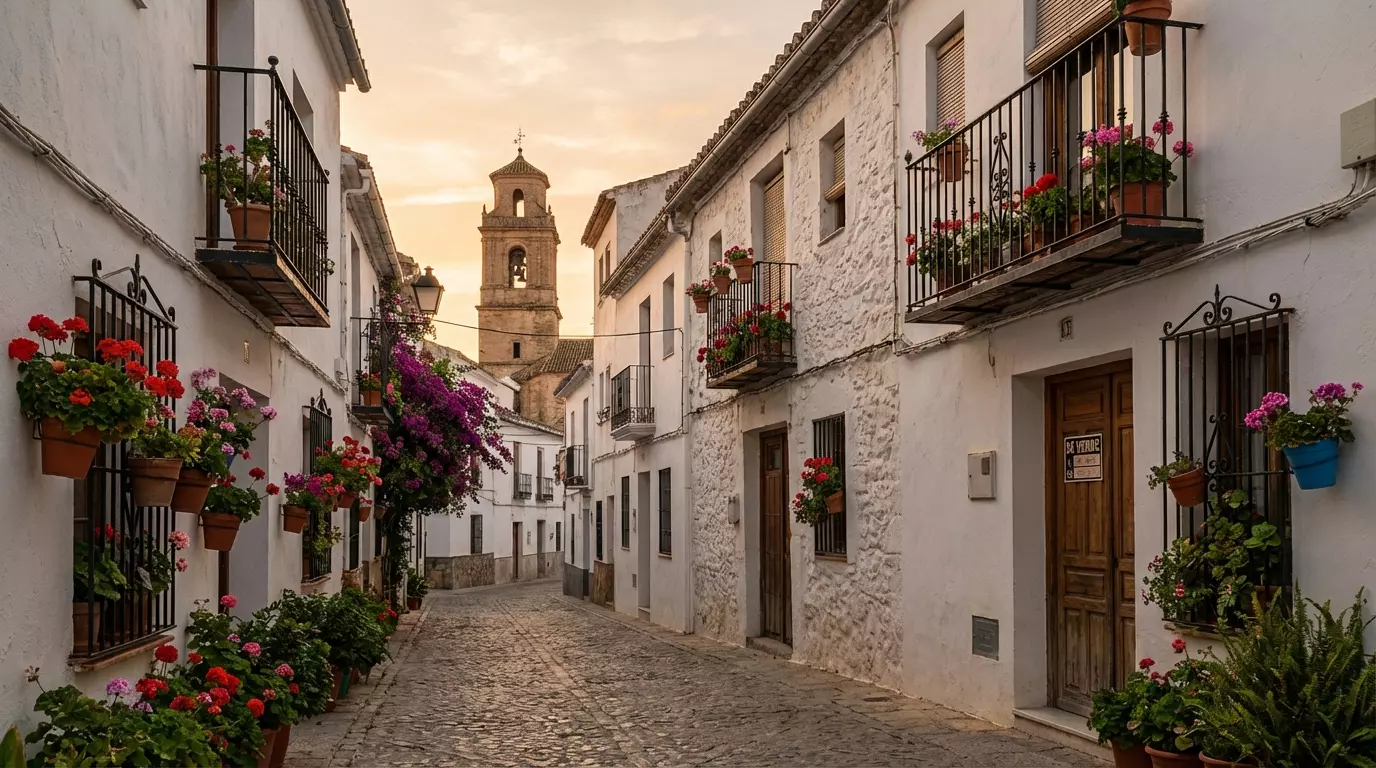
Spain’s Budget-Friendly Property Hotspots
Spain continues to attract property buyers from across Europe and beyond, thanks to its enviable climate, rich culture, and surprisingly affordable real estate options. While coastal cities and major urban centers command premium prices, a wealth of charming towns scattered throughout the country offer incredible value for money.
The most affordable property markets in Spain are predominantly located in rural areas that have experienced population decline over recent decades. These towns, often situated in Spain’s interior regions, present an opportunity for buyers seeking authentic Spanish living without the tourist crowds or inflated prices of coastal hotspots. The cheapest town to purchase property at the end of 2025 was Arboleas in Almería, where prices averaged just €455 per square meter, making it possible to acquire a substantial home for a fraction of what you’d pay in Barcelona or Madrid.
Rural Towns Offering the Best Value
The twenty most affordable towns for property purchase share common characteristics that contribute to their low prices. Most are located in provinces with declining or aging populations, far from major employment centers and tourist destinations. However, these communities often boast authentic architecture, peaceful surroundings, and strong local traditions that appeal to buyers seeking a quieter lifestyle or investment opportunities. Towns like Cuevas del Campo in Granada, with average prices of €325 per square meter, offer stunning rural landscapes and proximity to natural parks.
What makes these locations particularly attractive is the combination of low purchase prices and relatively low cost of living once you’ve settled in. Many of these towns have maintained their agricultural heritage, meaning fresh local produce is abundant and affordable. Properties in these areas typically include generous land plots, traditional features, and outdoor spaces that would be unthinkable at similar price points in more developed areas. The Spanish government has also introduced various initiatives to repopulate rural areas, including tax incentives and improved digital infrastructure, making remote work increasingly viable in these locations.
Regional Breakdown of Affordable Markets
Castilla-La Mancha emerges as the region with the highest concentration of affordable property markets, featuring several towns in the top twenty list. This central Spanish region, immortalized in Cervantes’ Don Quixote, offers vast plains, historic windmills, and traditional villages where property prices remain stubbornly low despite Spain’s overall real estate boom. Towns in provinces like Cuenca and Ciudad Real dominate the affordable listings, with prices frequently below €400 per square meter. The region’s wine production, particularly in La Mancha designation, adds cultural richness to these areas.
Andalusia and Extremadura also feature prominently among Spain’s cheapest property markets, reflecting these regions’ economic challenges and rural character. According to Bank of Spain data, these areas have experienced slower economic growth compared to coastal regions, contributing to sustained low property values. However, both regions offer exceptional quality of life, with Extremadura boasting UNESCO World Heritage sites and Andalusia providing easier access to beaches and major cities. The province of Badajoz in Extremadura is particularly well-represented, with multiple municipalities offering properties at prices that seem almost unbelievable compared to European standards.
What You Get for Your Money in 2025
At an average price of €455 per square meter in the cheapest town, buyers can realistically purchase a three-bedroom house with land for under €50,000. These properties typically feature traditional Spanish architecture, including thick stone walls, terracotta roof tiles, and interior courtyards. While many require renovation work, the low purchase price leaves substantial budget for improvements. In towns where prices hover around €300-400 per square meter, €100,000 can secure a spacious family home with multiple bedrooms, outdoor space, and often additional structures like storage buildings or small agricultural outbuildings.
The quality and condition of properties at these price points vary considerably, and buyers should approach purchases with realistic expectations. Many homes in these affordable towns have been vacant for years and require comprehensive modernization, including updated electrical systems, plumbing, and insulation. However, renovation costs in rural Spain remain significantly lower than in urban areas, with local tradespeople charging reasonable rates. For buyers willing to invest time and effort, these properties can be transformed into comfortable permanent residences or holiday homes. The investment potential shouldn’t be overlooked either, as Spain’s growing digital nomad community increasingly seeks affordable rural properties with character and space for home offices.
The Twenty Most Affordable Towns
The complete list of Spain’s cheapest property markets at the end of 2025 includes:
- Arboleas (Almería) – €455/m²
- Cuevas del Campo (Granada) – €325/m²
- Alcolea de Calatrava (Ciudad Real) – €358/m²
- Valverde de Burguillos (Badajoz) – €362/m²
- Villarrobledo (Albacete) – €378/m²
- Socuéllamos (Ciudad Real) – €389/m²
- Almendralejo (Badajoz) – €395/m²
- Quintanar de la Orden (Toledo) – €402/m²
- Tomelloso (Ciudad Real) – €408/m²
- Villafranca de los Barros (Badajoz) – €412/m²
- Manzanares (Ciudad Real) – €418/m²
- Daimiel (Ciudad Real) – €425/m²
- Castuera (Badajoz) – €428/m²
- Tarancón (Cuenca) – €435/m²
- Miguelturra (Ciudad Real) – €438/m²
- Alcázar de San Juan (Ciudad Real) – €445/m²
- Don Benito (Badajoz) – €448/m²
- Villacañas (Toledo) – €452/m²
- Madridejos (Toledo) – €458/m²
- Campo de Criptana (Ciudad Real) – €465/m²
Investment Considerations
Buying property in Spain’s cheapest towns requires careful consideration beyond just the attractive price tag. Prospective buyers should research local amenities, healthcare facilities, and transport connections before committing. Many of these towns have limited services compared to larger cities, and language barriers can be significant in areas with few foreign residents. According to research from Eurostat, rural depopulation remains a challenge across Southern Europe, which directly impacts property values and resale potential.
However, these challenges are balanced by unique advantages. Low property taxes, minimal competition from other buyers, and welcoming local communities make integration easier for those committed to rural living. The Spanish property buying process is straightforward for EU citizens, and various legal protections exist for foreign buyers. Working with a local lawyer and surveyor is essential to navigate bureaucracy and ensure properties have clear title and necessary permissions.
In Short
Spain’s twenty cheapest towns for property purchase at the end of 2025 offer extraordinary value for buyers seeking affordability over convenience. With prices ranging from €455 to €465 per square meter, these predominantly rural communities provide access to Spanish homeownership at prices unimaginable in coastal or urban areas. While they require compromise on location and amenities, these towns deliver authentic Spanish culture, spacious properties, and low living costs.
The concentration of affordable markets in Castilla-La Mancha, Extremadura, and inland Andalusia reflects broader demographic and economic trends affecting rural Spain. For the right buyer, whether seeking a renovation project, retirement destination, or remote work base, these towns represent genuine opportunities. Success in these markets requires realistic expectations, thorough research, and appreciation for rural Spanish life. As Spain continues evolving its rural support programs and digital infrastructure improves, these affordable property hotspots may not remain budget-friendly forever, making 2025 an opportune moment for savvy buyers to explore these hidden gems.
FAQ
What are the hidden costs of buying cheap property in Spain?
Beyond the purchase price, buyers should budget for legal fees (typically 1-2% of purchase price), property transfer tax (6-10% depending on region), notary fees, land registry costs, and potential renovation expenses. Annual costs include property tax (IBI), community fees if applicable, and utilities. Total transaction costs typically add 10-15% to the purchase price.
Can non-EU citizens buy property in these affordable Spanish towns?
Yes, non-EU citizens can purchase property in Spain without restrictions. However, buying property doesn’t automatically grant residency rights. Non-EU buyers seeking to live in Spain must apply for appropriate visas, such as the Golden Visa (requiring minimum €500,000 property investment) or non-lucrative residence visa if they meet income requirements without working in Spain.
Are these cheap properties suitable for permanent residence?
Many properties in these affordable towns require significant renovation to meet modern living standards. Before purchasing for permanent residence, assess heating systems, insulation, water supply, and internet connectivity. Some rural properties rely on well water or septic systems rather than mains services. Verify all utilities are connected and functioning before committing.
How is the rental market in Spain’s cheapest property towns?
The rental market in these affordable towns is generally weak due to low local demand and limited tourist interest. Properties here are better suited for personal use rather than investment rental income. However, the emerging digital nomad market and rural tourism initiatives are creating niche rental opportunities in well-renovated properties with good internet connectivity.
What mortgage options exist for buying cheap Spanish property?
Spanish banks typically offer mortgages to foreign buyers, though terms are less favorable than for residents. Non-residents can usually borrow up to 60-70% of property value, compared to 80-90% for residents. Interest rates for non-residents are higher, and banks require proof of income from your home country. Many buyers in this price range purchase outright without financing.
Will property values in these towns increase?
Property appreciation in rural Spain is typically modest and depends on local economic development, population trends, and infrastructure improvements. These towns have experienced decades of price stagnation or decline. While Spain’s overall property market has grown, rural areas lag significantly behind urban and coastal regions. Buy for lifestyle rather than investment returns.

Join The Discussion