


Portugal’s Rental Market Hits Record Highs
Portugal’s Rental Market Hits Record Highs
Portugal’s rental market has reached unprecedented levels, with average rent prices climbing to new heights across the country. According to recent data, the national average rent has surged dramatically, placing increasing pressure on both local residents and newcomers seeking affordable housing. The situation has become particularly acute in major urban centers, where demand continues to outstrip supply, creating a perfect storm for rental price inflation.
The statistics paint a sobering picture of Portugal’s housing landscape. Urban areas are experiencing the most significant impact, with rental prices in prime locations becoming increasingly unaffordable for average wage earners. This trend represents a continuation of challenges that have been building over recent years, transforming what was once considered an affordable European destination into a market where housing costs consume an ever-larger portion of household income.
What’s Driving the Surge in Housing Costs?
Multiple factors are converging to push rental prices upward across Portugal. The influx of foreign investment, particularly in the real estate sector, has fundamentally altered the market dynamics. International buyers and investors, attracted by Portugal’s favorable climate, lifestyle, and previous tax incentives, have purchased properties that might otherwise have been available for long-term rental to local residents. This shift has reduced the available housing stock for permanent residents while simultaneously driving up property values.
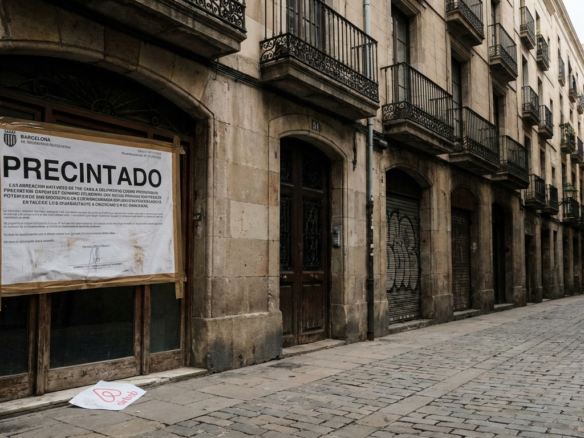
Tourism also plays a significant role in the rental crisis. The proliferation of short-term rental platforms has incentivized property owners to convert long-term rental units into vacation accommodations. This transformation generates higher returns for landlords but further constrains the already limited supply of residential rentals. Additionally, Portugal’s growing popularity as a remote work destination has attracted digital nomads and international professionals willing to pay premium prices, creating upward pressure on rents that local salaries struggle to match. The European Commission has noted similar trends affecting housing markets across Southern Europe.
How Tenants Are Coping with Rising Rents
Portuguese tenants are employing various strategies to manage escalating housing costs, though many find themselves making difficult compromises. Household budgets are being stretched thin, with rent consuming a disproportionate share of monthly income. Many residents are forced to allocate 40% or more of their earnings to housing, well above the recommended 30% threshold that financial experts consider sustainable.
Creative solutions are emerging as necessity drives innovation. Flatsharing has become increasingly common, not just among students but also among working professionals who might have previously lived alone. Some tenants are relocating to peripheral neighborhoods or smaller towns with lower rental costs, accepting longer commutes in exchange for more affordable housing. Others are moving in with family members or seeking unconventional living arrangements. However, these coping mechanisms only address symptoms rather than solving the underlying structural problems in Portugal’s housing market. Organizations like Habitat for Humanity have highlighted the growing housing affordability crisis affecting countries worldwide.
Government Response to the Housing Crisis
Portuguese authorities have acknowledged the severity of the housing crisis and introduced various measures aimed at addressing rental market pressures. Policy initiatives include efforts to increase the supply of affordable housing through construction programs and incentives for landlords who offer long-term rentals at controlled prices. The government has also implemented or proposed regulations targeting short-term rentals, attempting to return properties to the long-term residential market.
Despite these interventions, critics argue that government responses have been insufficient to match the scale and urgency of the crisis. Implementation challenges, bureaucratic delays, and resistance from property owners have slowed the impact of new policies. There are calls for more aggressive action, including rent controls in certain areas, tax incentives restructuring, and faster approval processes for new residential construction. The effectiveness of current measures remains a subject of intense debate among housing advocates, economists, and policymakers, with many arguing that comprehensive, coordinated action is needed to reverse the trajectory of Portugal’s rental market and restore housing affordability for ordinary citizens.
In Short
Portugal’s rental market has reached critical levels, with prices climbing to record highs that are pricing out local residents and creating widespread housing insecurity. The crisis stems from a combination of factors including foreign investment, tourism-driven short-term rentals, and increased international demand, all competing for limited housing stock. Tenants are responding through flatsharing, relocation, and budget sacrifices, while government interventions have yet to produce the scale of relief needed to address the fundamental imbalance between housing supply and demand.
The path forward requires coordinated efforts from multiple stakeholders. Sustainable solutions must balance the interests of property owners, residents, and the broader economy while prioritizing housing accessibility for those who live and work in Portugal. Without meaningful intervention, the rental crisis threatens not only individual wellbeing but also Portugal’s social cohesion and economic competitiveness, as workers and families find themselves unable to afford living in the cities where opportunities exist.
FAQ
What is the average rent in Portugal currently?
While specific figures vary by location, Portugal has experienced significant rental increases across major cities, with prices in urban centers reaching levels that consume 40% or more of average household income.
Why are rents rising so quickly in Portugal?
The rapid increase in rents is driven by foreign investment in real estate, the conversion of residential properties to short-term tourist rentals, increased demand from international remote workers, and insufficient housing supply to meet demand.
What areas of Portugal are most affected by high rents?
Major urban centers and tourist destinations are experiencing the most dramatic rent increases, though the effects are spreading to smaller cities and suburban areas as displaced residents seek more affordable alternatives.
What is the Portuguese government doing about rising rents?
The government has introduced measures including affordable housing construction programs, regulations on short-term rentals, and incentives for long-term rental agreements, though critics argue these efforts need to be expanded and accelerated.
How can tenants protect themselves from rent increases?
Tenants should understand their legal rights, maintain written rental agreements, consider flatsharing arrangements, explore peripheral neighborhoods, and stay informed about tenant protection programs and housing assistance that may be available.
Are rent controls being considered in Portugal?
Rent control measures have been discussed as potential solutions, particularly for high-demand urban areas, though implementation faces debate regarding effectiveness and potential unintended consequences on housing supply.
How does Portugal’s rental crisis compare to other European countries?
Portugal’s rental crisis mirrors challenges facing many European nations, particularly in Southern Europe, where tourism, foreign investment, and housing supply constraints create similar affordability pressures.
Join The Discussion