

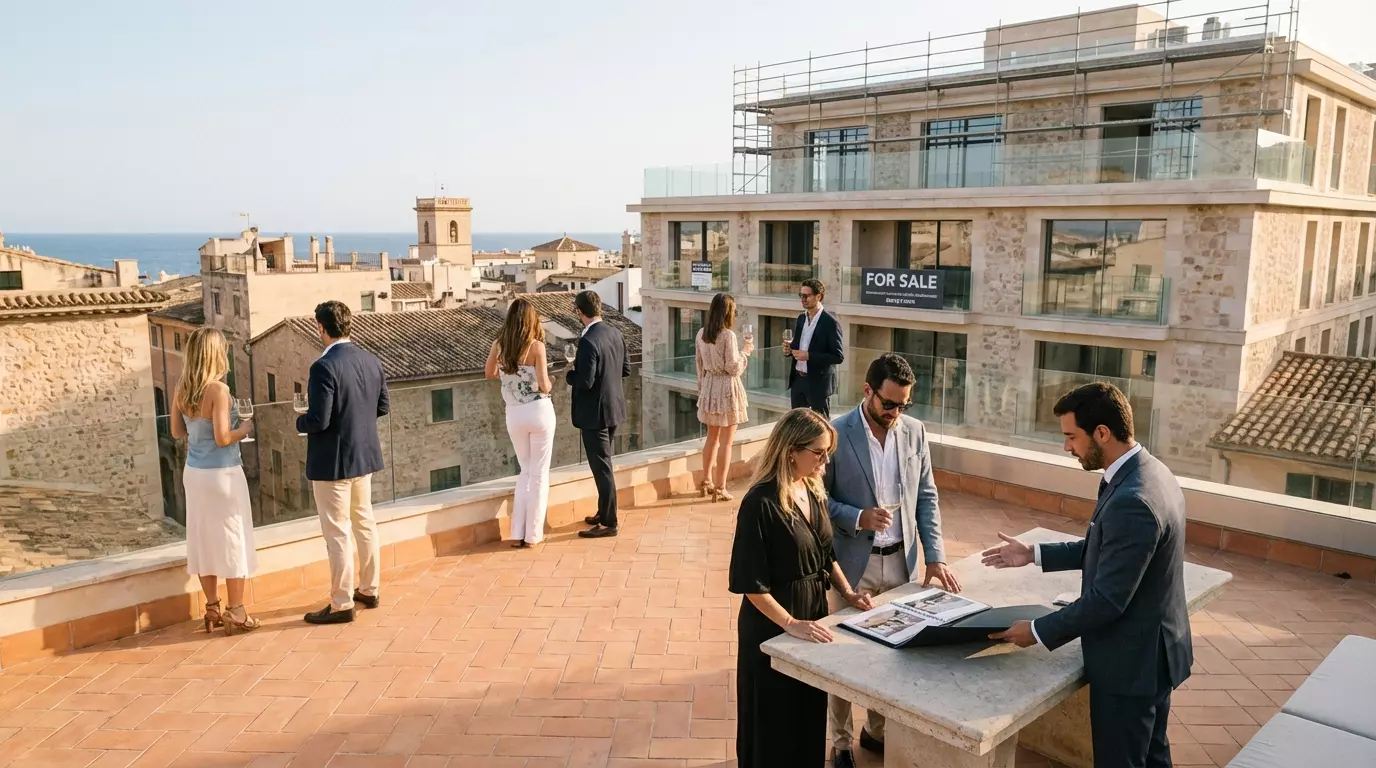
Palma Tops Spain’s Property Market as Mediterranean Paradise Comes at Premium Price
The Balearic capital has officially claimed the title of Spain’s most expensive city for property purchases, with prices showing no signs of slowing down. This Mediterranean gem continues to attract both international and domestic buyers despite the eye-watering costs, fundamentally reshaping the island’s real estate landscape and raising serious questions about housing accessibility for local residents.
The latest market data reveals a property market operating at full throttle, with Palma’s real estate values surging past traditional powerhouses like Barcelona and Madrid. This trend reflects a broader transformation across Mallorca, where demand consistently outpaces supply, creating a perfect storm for price escalation that has left many long-time residents priced out of their own neighborhoods.
Palma Leads Spain in Property Prices
Palma has secured its position as Spain’s priciest city for property acquisition, with average prices per square meter reaching unprecedented levels. The capital city of Mallorca now surpasses even the most exclusive neighborhoods in Barcelona and Madrid, marking a significant shift in Spain’s real estate hierarchy. This milestone represents more than just numbers on a spreadsheet; it signals a fundamental change in how the Spanish property market operates and where wealth concentrates.
The figures paint a stark picture of the current reality. Property values in Palma have climbed to levels that would have seemed unimaginable just a decade ago, with prime locations commanding premium prices that rival some of Europe’s most expensive capitals. This surge has created a two-tier market where luxury developments flourish while affordable housing becomes increasingly scarce, forcing many locals to reconsider their future on the island they call home.
Why Mallorca’s Capital Costs More Than Ever
Several interconnected factors explain Palma’s astronomical property prices, starting with its unbeatable combination of Mediterranean climate, cultural richness, and modern infrastructure. The city offers an enviable lifestyle package that includes year-round sunshine, pristine beaches within minutes, a thriving cultural scene, and excellent connectivity to major European cities. These attributes have transformed Palma from a regional capital into a globally recognized destination for those seeking the ultimate quality of life.
The island’s limited land availability plays a crucial role in driving prices upward. Unlike mainland cities that can expand outward, Mallorca’s geography imposes natural constraints on development. Strict building regulations designed to preserve the island’s natural beauty further limit new construction, creating a supply bottleneck that pushes prices higher. When you combine finite space with seemingly infinite demand, basic economics dictates that prices will continue their upward trajectory, leaving little room for market corrections.
Breaking Down the Island’s Housing Surge
The housing surge across Mallorca extends beyond Palma, affecting virtually every corner of the island. Coastal towns and rural villages have experienced their own price explosions, though Palma remains the undisputed leader in terms of absolute values. The ripple effect from the capital has pushed buyers to explore alternative locations, inadvertently spreading the price pressure across the entire island and transforming previously affordable areas into premium markets.
Statistical analysis reveals the scale of this transformation:
- Property prices in Palma have increased by double-digit percentages year-over-year
- Average transaction values now exceed €4,000 per square meter in prime areas
- Luxury segment sales have grown exponentially, with high-net-worth individuals driving demand
- Rental prices have followed suit, creating additional pressure on local residents
- New construction projects are predominantly positioned in the premium segment
The data demonstrates an unmistakable trend toward market segmentation, where luxury and ultra-luxury properties dominate new developments while mid-range and affordable options become increasingly rare. This shift has profound implications for the island’s social fabric, as service workers, young professionals, and middle-class families find themselves squeezed out of neighborhoods their families have inhabited for generations.
What’s Driving Demand in This Market?
International buyers constitute a major force behind Mallorca’s property boom, with wealthy Europeans seeking second homes or permanent relocations driving significant portions of sales activity. The rise of remote work has accelerated this trend, as professionals from Northern Europe discover they can maintain their careers while enjoying Mediterranean living. Countries like Germany, the United Kingdom, and Scandinavia provide steady streams of buyers who view Palma as an ideal base for their lifestyle aspirations.
The investment appeal of Mallorca property cannot be overstated. Beyond lifestyle considerations, buyers recognize the island’s real estate as a stable, appreciating asset class that offers both capital growth potential and rental income opportunities. The tourism sector’s robust performance ensures strong vacation rental demand, making property ownership financially viable for investors who may only use their homes seasonally. According to Eurostat, Spain’s property market has shown resilient growth patterns, with island destinations leading the charge.
Additional demand drivers include:
- Tax advantages: Spain’s favorable tax regime for certain resident categories attracts high-net-worth individuals
- Infrastructure improvements: Ongoing enhancements to Palma’s airport and port facilities increase accessibility
- Educational institutions: International schools and universities draw families seeking quality education
- Healthcare quality: Spain’s excellent healthcare system provides peace of mind for retirees and families
- Safety and stability: Political stability and low crime rates make Mallorca attractive compared to other Mediterranean destinations
The Spanish Property Market Report confirms these trends, showing sustained foreign investment in Balearic real estate despite economic uncertainties elsewhere. This confluence of factors creates a self-reinforcing cycle where rising prices attract more attention from investors seeking growth opportunities, which in turn drives prices even higher.
In Short
Palma’s ascension to Spain’s most expensive property market represents more than a statistical curiosity; it reflects fundamental shifts in how and where affluent Europeans choose to live. The city’s unique combination of lifestyle amenities, limited supply, and strong international demand has created a property market that operates according to its own rules, largely insulated from the pressures affecting mainland Spanish cities.
However, this success story comes with significant challenges. Local residents face increasing difficulty accessing housing in their hometown, raising questions about social sustainability and community preservation. As Palma continues to evolve into a playground for the wealthy, policymakers must balance economic benefits against the need to maintain diverse, functional communities where people of all income levels can thrive.
The trajectory seems clear: without intervention, Palma’s property prices will continue climbing, further cementing its status as Spain’s most exclusive real estate market. Whether this represents progress or a cautionary tale depends largely on one’s perspective and position in the market. What remains undeniable is that Mallorca’s capital has permanently joined the ranks of Europe’s most expensive cities, with all the prestige and problems that designation entails.
FAQ
What is the average property price in Palma?
Property prices in Palma currently exceed €4,000 per square meter in prime locations, with significant variation depending on neighborhood and property type. Luxury areas command substantially higher prices, while peripheral zones offer somewhat more affordable options.
Why is Palma more expensive than Barcelona or Madrid?
Palma’s higher prices result from limited land availability, strong international demand, lifestyle appeal, and constrained supply due to building restrictions. Unlike mainland cities, the island cannot expand indefinitely, creating natural scarcity that drives values higher.
Can locals still afford to buy property in Palma?
Increasingly, local residents struggle to purchase property in Palma without significant financial resources or family assistance. The gap between local incomes and property prices has widened considerably, creating serious affordability challenges for island-born residents.
Is Mallorca property a good investment?
Mallorca property has demonstrated strong appreciation potential and offers rental income opportunities through tourism demand. However, like all investments, it carries risks and depends on individual financial circumstances, investment timelines, and market conditions.
Will Palma property prices continue rising?
While no market rises indefinitely, current indicators suggest continued upward pressure on Palma property prices due to sustained demand and limited supply. Potential regulatory changes or economic shifts could alter this trajectory, but near-term prospects point to continued growth.
What areas of Palma are most expensive?
The Old Town, Santa Catalina, and waterfront districts command premium prices, with historic properties and sea-view apartments reaching the highest values. Newer developments in sought-after neighborhoods also achieve top-tier pricing.
Join The Discussion