

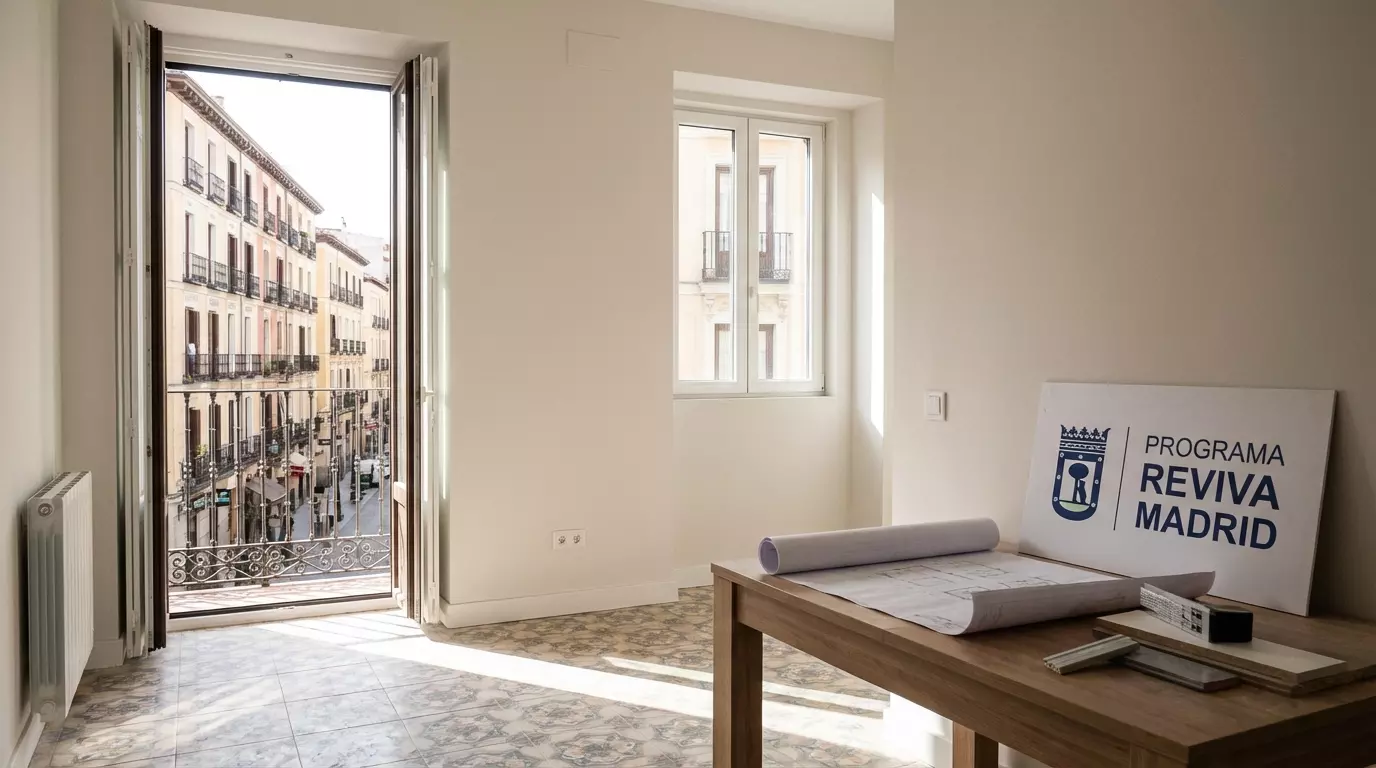
Madrid’s €45,000 Free Renovation Program Explained
The Spanish capital has launched an ambitious initiative that’s turning heads across Europe. Madrid is offering property owners up to €45,000 in free home renovations, but there’s a catch that benefits everyone involved. The program specifically targets owners of empty properties who are willing to rent them out at affordable rates, addressing the city’s ongoing housing shortage while simultaneously improving the quality of its residential buildings.
This renovation scheme forms part of Madrid’s broader strategy to increase the availability of rental housing in a market where demand consistently outstrips supply. By incentivizing property owners to bring their vacant homes up to modern standards and make them available for rent, the city aims to add thousands of quality rental units to the market. The program represents a win-win situation where owners receive substantial financial support for improvements they might otherwise struggle to afford, while renters gain access to well-maintained, updated housing at reasonable prices.
Who Qualifies for the Home Improvement Grants?
Eligibility for this generous program centers around property ownership and commitment to affordable rental. Property owners must have a residential unit in Madrid that is currently unoccupied or in need of significant renovation. The key requirement is that once renovations are complete, owners must commit to renting the property at below-market rates for a specified period, ensuring the investment serves the broader community’s housing needs.
The program particularly encourages participation from owners of older buildings that require updating to meet current safety and energy efficiency standards. While specific income restrictions may apply, the initiative is designed to be accessible to a wide range of property owners, from individuals with inherited properties they haven’t known what to do with, to small-scale landlords looking to upgrade their rental portfolio. The Madrid City Council has structured the program to prioritize properties in neighborhoods where affordable housing is most needed, though applications are accepted from across the metropolitan area.
What Renovations Does the Program Cover?
The €45,000 grant covers a comprehensive range of renovation works designed to bring properties up to modern living standards. Major structural repairs, including roof repairs, foundation work, and façade improvements, fall within the program’s scope. The funding also extends to essential systems like plumbing, electrical wiring, and heating installations, ensuring that renovated properties meet all current safety codes and regulations.
Energy efficiency improvements represent a significant focus of the covered works. Owners can use the funds for installing double-glazed windows, improving insulation, upgrading to energy-efficient heating and cooling systems, and even installing solar panels where feasible. Interior renovations such as kitchen and bathroom updates, flooring replacement, and accessibility modifications for elderly or disabled tenants are also eligible. The program aligns with broader European Union energy efficiency goals, making Spanish properties more sustainable while reducing long-term utility costs for future tenants. Cosmetic improvements like painting and minor finishing work can be included as part of a larger renovation package, though purely aesthetic upgrades without functional benefit may receive lower priority in the approval process.
How to Apply for Your Free Home Makeover
The application process begins with property owners submitting detailed documentation about their property’s current condition and proposed renovation plans. Applicants must provide proof of ownership, current property registration documents, and a technical report from a certified architect or building surveyor outlining the necessary works. This assessment helps the city determine the scope of renovations needed and whether the property qualifies for the full €45,000 or a partial amount based on actual requirements.
Once the initial documentation is submitted, the Madrid housing authority reviews applications on a rolling basis, typically responding within 60 to 90 days. Approved applicants must then provide detailed quotes from licensed contractors for the proposed work, with the city often requiring multiple bids to ensure fair pricing. After final approval, the renovation work can begin, with payments typically made directly to contractors upon completion of verified work stages. Property owners must sign a binding agreement to rent the renovated property at the specified affordable rate for a minimum period, usually between 7 to 10 years. This commitment ensures that public funds genuinely contribute to solving Madrid’s housing shortage rather than simply subsidizing property improvements that would benefit only the owner. The entire process, from application to completion, typically takes between 6 to 12 months, depending on the complexity of the renovations required.
In Short
Madrid’s innovative €45,000 renovation program represents a creative solution to urban housing challenges that could serve as a model for other European cities. By providing substantial financial incentives to property owners who commit to affordable rentals, the initiative addresses multiple issues simultaneously: it brings empty properties back into use, improves housing quality, enhances energy efficiency, and increases the supply of affordable rental units.
For property owners sitting on vacant or deteriorating properties, this program offers an unprecedented opportunity to upgrade their assets at minimal personal cost while generating steady rental income. The requirements are reasonable, the benefits are substantial, and the impact on Madrid’s housing market could be transformative. As housing affordability continues to challenge major cities worldwide, Madrid’s approach of incentivizing private property owners to participate in public housing solutions demonstrates that innovative partnerships between government and property owners can create meaningful change. Whether you’re a property owner in Madrid considering your options or a housing policy observer watching how cities tackle affordability, this program deserves attention as a potentially replicable model for addressing 21st-century urban housing needs.
FAQ
How long do I have to rent out my property after receiving the renovation grant?
Property owners typically must commit to renting their renovated property for 7 to 10 years at the agreed-upon affordable rate. The exact duration depends on the amount of funding received and specific program terms at the time of application.
Can I choose my own contractors for the renovation work?
Yes, property owners can select their preferred licensed contractors, though they must provide competitive quotes and ensure all contractors meet the city’s certification requirements. The Madrid housing authority must approve contractors and quotes before work begins.
What happens if I want to sell my property before the rental commitment period ends?
Selling the property before fulfilling the rental commitment typically requires either repaying a portion of the grant or transferring the rental obligation to the new owner. Specific terms are outlined in the agreement signed when accepting the grant.
Are there restrictions on who I can rent to?
The program generally requires that properties be rented to tenants who meet certain income criteria, ensuring the housing serves those who need affordable options. However, owners typically retain normal landlord rights regarding tenant selection within those parameters.
What if the renovation costs exceed €45,000?
If necessary renovations exceed the maximum grant amount, property owners are responsible for covering the additional costs. Alternatively, owners can prioritize essential repairs within the budget and complete additional improvements at their own expense later.
Can I apply if my property is currently rented?
The program primarily targets vacant properties or those requiring substantial renovation that would necessitate temporary vacancy. Currently occupied properties in good condition typically don’t qualify unless they require major safety or efficiency upgrades.
How is the affordable rent amount determined?
The city establishes maximum rent levels based on neighborhood market rates, property size, and condition. These rates are typically set at 20-30% below market average to ensure genuine affordability for target tenants.
Do I pay taxes on the renovation grant?
Tax implications vary based on individual circumstances. The grant itself is typically not considered taxable income since it’s used directly for property improvements, but property owners should consult with tax professionals regarding their specific situation and any changes to property value or rental income taxation.


Join The Discussion