

Introduction
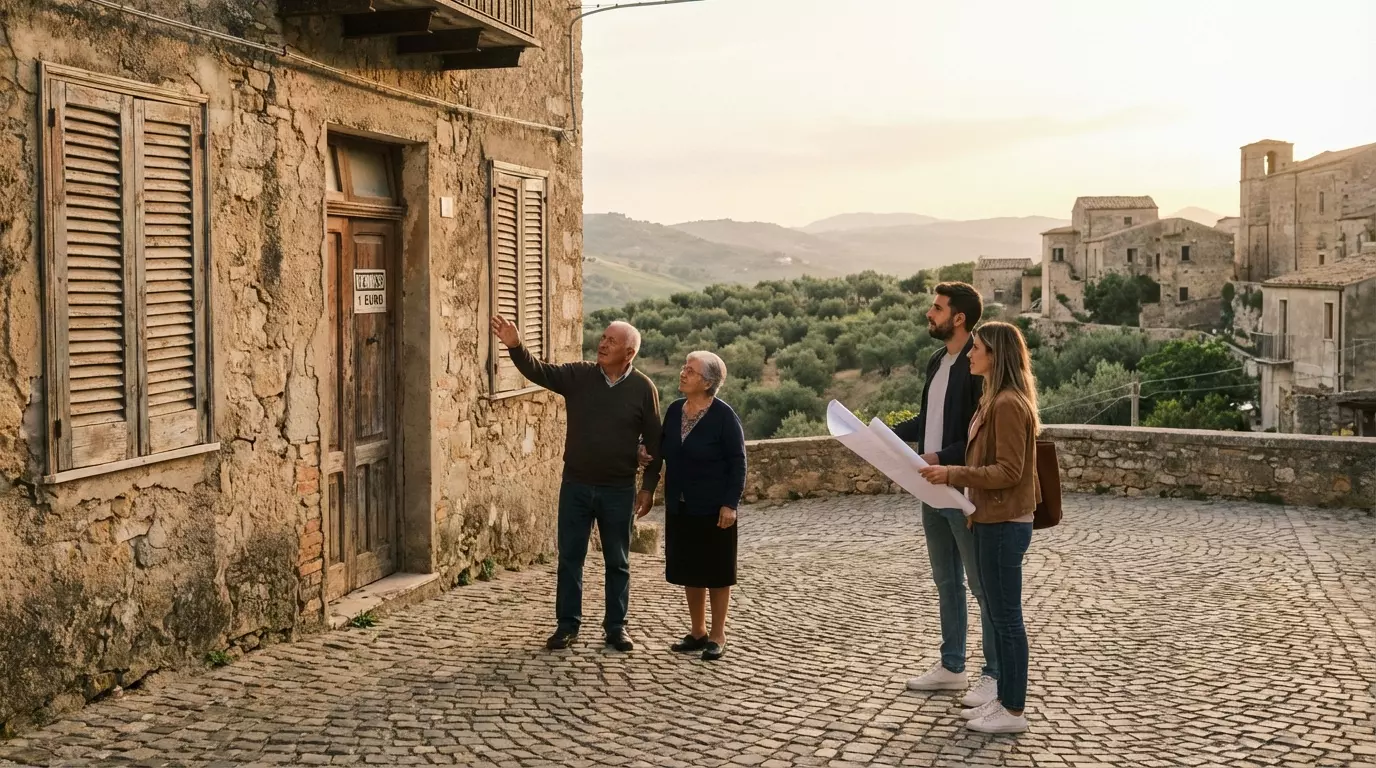
Italy’s one euro house initiative continues to capture global attention as more villages join this innovative scheme to revitalize their historic centers. What started as a bold experiment has evolved into a nationwide movement, with dozens of Italian municipalities offering properties for the symbolic price of one euro. These aren’t scam listings or marketing gimmicks but genuine opportunities for buyers willing to invest in restoration projects that breathe new life into aging communities. The program addresses Italy’s depopulation crisis while offering adventurous buyers the chance to own a piece of Italian heritage at an unbeatable price point.
As we move through 2026, several villages have emerged as particularly attractive destinations for prospective buyers. The scheme has proven mutually beneficial, attracting international investment while preserving Italy’s architectural heritage and cultural traditions. However, purchasing a one euro house isn’t as simple as clicking “buy now” on a real estate website. These properties come with specific obligations, renovation requirements, and bureaucratic processes that potential buyers must understand before taking the plunge. This comprehensive guide explores the villages making headlines in 2026 and what you need to know to successfully navigate the application process.
Why Italian Towns Are Selling Homes for €1
The one euro house phenomenon emerged from a pressing demographic challenge facing rural Italy. Thousands of small villages across the country have experienced dramatic population decline over recent decades as younger generations migrate to cities for employment opportunities. This exodus leaves behind abandoned properties that fall into disrepair, creating ghost towns dotted across Italy’s picturesque countryside. Local governments recognized that these crumbling buildings weren’t just eyesores but represented lost tax revenue, diminished services, and the gradual extinction of centuries-old communities. By offering homes for one euro, municipalities attract new residents and investment capital while preserving their architectural heritage.
The program serves multiple strategic purposes beyond simply filling empty houses. Towns benefit from renovation projects that create local construction jobs and stimulate economic activity in struggling regions. New residents bring fresh perspectives, entrepreneurial energy, and often establish businesses catering to tourism or remote work opportunities. The Italian government views these initiatives as crucial tools for balanced regional development, preventing the complete abandonment of interior territories while maintaining Italy’s cultural diversity. Municipalities typically require buyers to commit to substantial renovation investments within specified timeframes, ensuring properties don’t remain derelict while generating construction employment and property tax revenue once renovations complete.
The Best Villages With One Euro Houses in 2026
Several municipalities have distinguished themselves as prime destinations for one euro house hunters in 2026. Sambuca di Sicilia in Sicily continues attracting international buyers with its well-organized program and stunning hilltop location offering Mediterranean views. The town has successfully sold dozens of properties and established a streamlined application process that serves as a model for other municipalities. Meanwhile, Zungoli in Campania has emerged as a newcomer to watch, offering medieval stone houses with renovation potential in a region known for exceptional cuisine and proximity to Naples.
Northern regions have also joined the movement, with Biccari in Puglia and Santo Stefano di Sessanio in Abruzzo presenting compelling opportunities. These villages offer different architectural styles and climatic conditions compared to their southern counterparts, appealing to buyers seeking four-season living or alpine aesthetics. Taranto in Puglia represents a larger urban option, offering one euro apartments in its historic center rather than rural farmhouses. This diversity means prospective buyers can choose locations matching their lifestyle preferences, whether seeking isolated countryside retreats or vibrant small-town communities. According to CNN Travel, over 50 Italian towns now participate in various forms of the one euro house scheme, with more municipalities announcing programs throughout 2026.
What You Need to Know Before Buying
The one euro purchase price represents only a tiny fraction of the actual investment required. Buyers must commit to renovation projects typically ranging from €20,000 to €50,000 or more, depending on property condition and local requirements. Most municipalities impose strict renovation timelines, usually between 18 months and three years, with penalties for non-compliance including forfeiture of security deposits ranging from €2,000 to €5,000. Properties sold through these schemes often lack basic amenities like plumbing, electricity, and structural integrity, requiring comprehensive restoration rather than cosmetic updates. Buyers should budget conservatively and obtain detailed structural assessments before committing.
Legal and bureaucratic considerations add complexity to these transactions. Foreign buyers need Italian tax codes (codice fiscale), and many municipalities require establishing Italian residency or demonstrating concrete renovation plans during application. Working with local geometras (surveyors) and notaries familiar with one euro house transactions proves essential for navigating building permits, historical preservation requirements, and property registration. Some villages prioritize applicants proposing businesses or projects benefiting the community, such as bed and breakfasts, restaurants, or artisan workshops. Understanding local zoning restrictions and permitted property uses prevents costly mistakes. Language barriers can complicate proceedings, making Italian-speaking legal representation valuable for non-native speakers managing renovations and municipal communications.
How to Apply for Your Dream Italian Home
The application process varies by municipality but generally follows similar patterns. Prospective buyers should start by researching active programs through municipal websites or real estate platforms specializing in Italian properties like Idealista. Most towns require submitting formal applications including personal information, financial documentation proving renovation capacity, and detailed restoration proposals outlining timelines and intended property use. Some municipalities conduct auctions where multiple applicants bid above the one euro minimum, while others evaluate applications based on project merit and community benefit.
Successful applicants must act quickly once selected. The process involves signing preliminary agreements, paying security deposits, and obtaining necessary permits before commencing renovations. Hiring local contractors familiar with historical restoration and regional building codes significantly improves project outcomes. Many buyers underestimate the time investment required for managing long-distance renovations, making extended stays in Italy advisable during critical construction phases. Joining online communities of one euro house buyers provides valuable insights, contractor recommendations, and moral support throughout the challenging but rewarding renovation journey. Setting realistic expectations about timelines, costs, and bureaucratic hurdles helps buyers avoid disappointment while pursuing their Italian property dreams.
In Short
Italy’s one euro house scheme represents an unprecedented opportunity for adventurous buyers to own European property while contributing to rural revitalization. The program has matured significantly since its inception, with dozens of municipalities now offering well-structured initiatives that balance community needs with buyer interests. While the nominal purchase price attracts attention, successful participation requires substantial financial commitment, patience with Italian bureaucracy, and genuine dedication to restoration projects that honor these properties’ historical significance.
The villages highlighted in 2026 offer diverse options across Italy’s regions, each presenting unique architectural styles, cultural experiences, and investment requirements. Prospective buyers should approach these opportunities with thorough research, realistic budgets, and understanding of legal obligations. Those willing to embrace the challenges will find themselves rewarded not just with property ownership but with meaningful connections to Italian communities, preservation of cultural heritage, and the satisfaction of transforming abandoned structures into vibrant homes. The one euro house movement continues demonstrating how creative policy solutions can address demographic challenges while offering individuals life-changing opportunities in some of Europe’s most beautiful locations.
FAQ
How much does it really cost to buy and renovate a one euro house in Italy?
While the purchase price is one euro, total costs typically range from €25,000 to €70,000 or more. This includes security deposits (€2,000-€5,000), renovation expenses (€20,000-€50,000+), legal fees, permits, and ongoing property taxes. Actual costs depend heavily on property condition, size, and local labor rates.
Can non-EU citizens buy one euro houses in Italy?
Yes, non-EU citizens can participate in one euro house programs. However, they must obtain Italian tax codes, navigate visa requirements for extended stays during renovations, and comply with the same renovation obligations as EU buyers. Some municipalities may prioritize EU applicants, but most welcome international buyers.
What happens if I don’t complete renovations within the required timeframe?
Failure to meet renovation deadlines typically results in forfeiture of security deposits and potential legal action by the municipality. Some towns may grant extensions for legitimate delays, but buyers risk losing both their deposit and the property if they abandon projects or miss deadlines without justification.
Are there ongoing costs after purchasing a one euro house?
Yes, owners must pay annual property taxes (IMU), utility costs, building insurance, and maintenance expenses. Property taxes vary by location and property value but typically range from €200-€1,000 annually for small rural properties. Budgeting for ongoing costs ensures long-term ownership sustainability.
Which Italian regions offer the best one euro house opportunities in 2026?
Sicily, Puglia, Abruzzo, and Campania currently offer the most active programs with diverse property options. Sicily provides Mediterranean climate and cultural richness, while Puglia offers proximity to beaches and airports. Abruzzo appeals to mountain lovers, and Campania provides excellent cuisine and accessibility to Naples. Choice depends on personal preferences regarding climate, accessibility, and lifestyle.
Do I need to speak Italian to buy a one euro house?
While not legally required, Italian language skills significantly ease the process. Hiring English-speaking legal representatives, geometras, and translators helps non-Italian speakers navigate bureaucracy and construction management. Many municipalities now provide English-language information, but daily interactions with contractors and officials benefit from Italian proficiency or reliable translation services.

Join The Discussion