

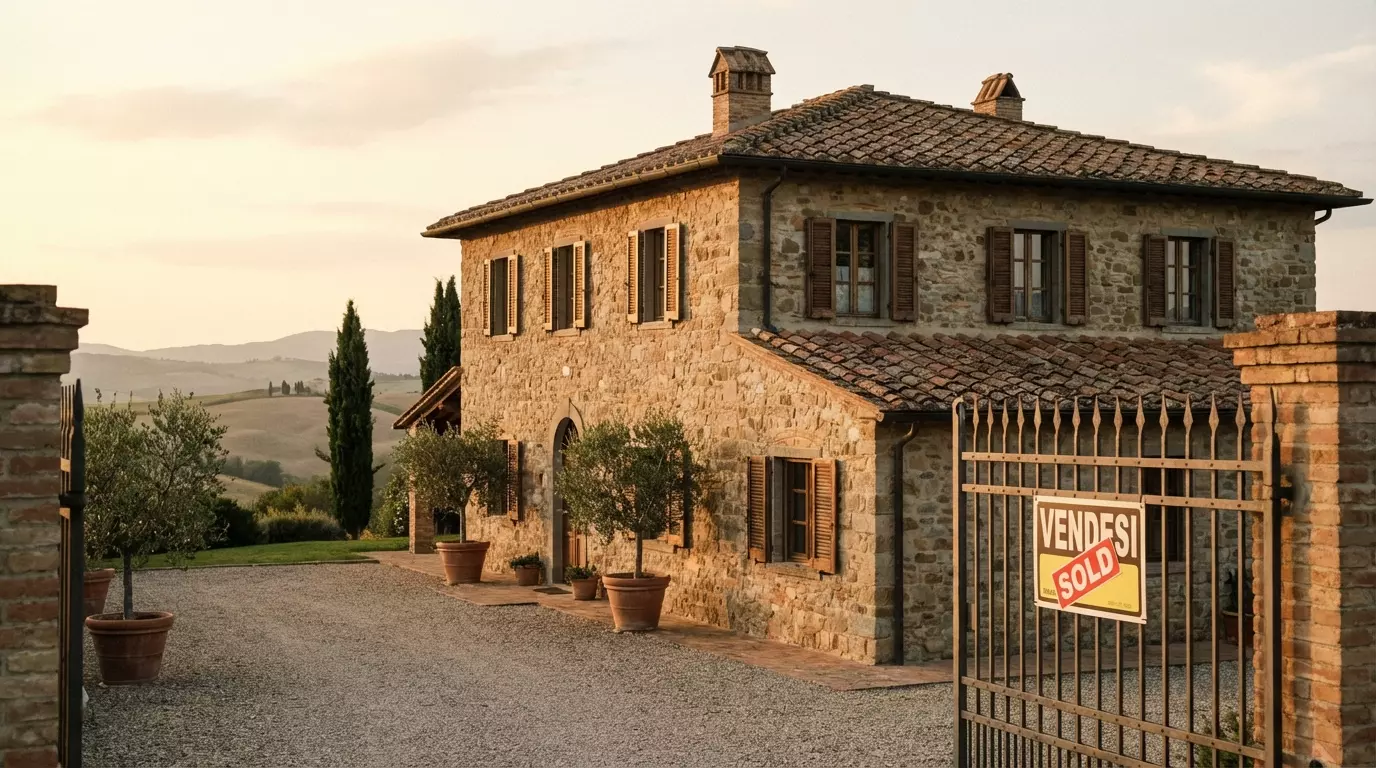
Italian Property Market Shows Resilient Growth
Italy’s residential real estate sector continues to demonstrate remarkable strength despite facing various economic challenges. The Italian housing market has entered a phase characterized by sustained transaction growth coupled with price stabilization, indicating a shift toward more balanced market conditions. This evolution reflects both the underlying strength of demand and a gradual adjustment to new economic realities affecting European property markets.
Recent data reveals that the Italian property landscape is undergoing a significant transformation, moving away from the rapid price increases seen in previous years toward a more sustainable growth pattern. Market analysts observe that this transition represents a healthy correction rather than a downturn, with transaction volumes maintaining positive momentum even as prices moderate. The combination of these factors suggests that Italy’s residential sector has achieved a level of maturity that could support long-term stability and continued investor confidence in the coming years.
Sales Continue Rising Despite Economic Headwinds
Transaction volumes in the Italian residential market have maintained their upward trajectory throughout recent quarters, defying expectations of a slowdown amid broader economic uncertainty. Property sales continue to increase across major Italian cities and regions, demonstrating that buyer demand remains robust despite challenges such as elevated interest rates and inflation concerns. This persistent growth in transaction activity indicates that fundamental housing needs and investment motivations are outweighing macroeconomic headwinds.
The resilience of sales figures can be attributed to several key factors working in concert. First, demographic shifts and evolving lifestyle preferences continue to drive housing demand, particularly in urban centers and areas offering improved quality of life. Second, many Italian buyers have adapted to the new interest rate environment, adjusting their purchasing strategies and budgets accordingly. Third, the relative stability of employment markets in key regions has maintained consumer confidence at levels sufficient to support major purchasing decisions. According to European Central Bank assessments, Italian household finances have generally remained stable, providing a solid foundation for continued residential market activity.
Price Normalization Signals Market Maturity
The most significant development in Italy’s residential sector is the ongoing price normalization process, which marks a departure from the sharp appreciation witnessed in recent years. Property prices are gradually stabilizing across most market segments, with year-over-year increases moderating to more sustainable levels. This trend represents a natural market correction that brings valuations more in line with fundamental economic indicators such as income levels and rental yields.
Price normalization is occurring unevenly across different geographic areas and property types, reflecting local market dynamics and supply-demand balances. Major metropolitan areas that experienced the most dramatic price increases during the pandemic-era boom are now seeing the most pronounced moderation, while secondary cities and rural areas continue to show more varied patterns. The following characteristics define the current price environment:
- Metropolitan centers are experiencing the most significant price stabilization
- Coastal properties maintain premium valuations but with slower growth rates
- Historic city centers continue attracting premium prices due to limited supply
- Suburban areas show mixed trends depending on infrastructure and amenities
- Renovated properties command higher premiums as energy efficiency becomes prioritized
This normalization process is viewed positively by market experts who recognize that excessive price growth would ultimately undermine market sustainability. The current trajectory suggests a market finding its equilibrium, where prices reflect genuine value rather than speculative enthusiasm.
Strong Fundamentals Keep Housing Sector Stable
Despite the moderation in price growth, the Italian residential market maintains solid foundational strengths that support continued stability. The structural shortage of quality housing in desirable locations continues to underpin values, particularly for properties meeting modern standards for energy efficiency and amenities. Additionally, Italy’s appeal as a destination for both domestic and international buyers remains strong, supported by lifestyle factors, cultural attractions, and relatively attractive property values compared to other major European markets.
Several fundamental factors contribute to the sector’s resilience and positive outlook. The Italian government’s various housing incentives and renovation programs have stimulated both transaction activity and property improvements, enhancing overall market quality. Furthermore, the rental market remains robust in major cities, providing attractive yields for investors and supporting property values. The construction sector, while facing its own challenges with material costs and regulatory requirements, continues to deliver new supply in key markets, though generally at levels that do not overwhelm demand. Financial institutions have maintained reasonably accessible mortgage lending standards for qualified borrowers, ensuring that creditworthy buyers can still access financing. These elements combine to create an environment where the housing market can continue functioning effectively even as it adjusts to new economic conditions.
The demographic profile of buyers has also evolved, with a notable increase in younger purchasers entering the market, often with family financial support. This generational shift brings fresh demand and different preferences, particularly favoring properties in well-connected urban areas with modern amenities. According to OECD housing market data, Italy’s price-to-income ratios, while elevated in major cities, remain more favorable than many comparable European markets, suggesting room for continued market activity.
Market Outlook and Investment Considerations
Looking ahead, the Italian residential property market appears positioned for continued moderate growth characterized by stable transaction volumes and controlled price appreciation. This environment favors buyers who have been priced out during periods of rapid increases, while still providing reasonable returns for sellers and investors. The normalization phase creates opportunities for strategic market entry, particularly for those focused on long-term value rather than short-term speculation.
Investors and homebuyers should consider several key factors when evaluating opportunities in the current market. Location remains the primary determinant of value and appreciation potential, with properties in well-established neighborhoods with strong infrastructure continuing to outperform. Energy efficiency and sustainability features have become increasingly important value drivers, both for regulatory compliance and buyer preferences. The following considerations should guide decision-making:
- Transportation connectivity to employment centers and amenities
- Property condition and potential renovation requirements
- Local market supply dynamics and development plans
- Rental yield potential for investment properties
- Long-term area development prospects and urban planning initiatives
The current market phase rewards informed, patient buyers while still offering reasonable exit opportunities for sellers with realistic pricing expectations. Professional market participants expect this balanced environment to persist for the foreseeable future, barring significant external economic shocks.
In Short
Italy’s residential property market demonstrates remarkable resilience as it navigates through a period of adjustment and normalization. Transaction volumes continue growing even as price increases moderate to more sustainable levels, indicating a market achieving healthy equilibrium rather than experiencing distress. Strong fundamental factors, including structural housing shortages in desirable areas, demographic demand drivers, and Italy’s enduring appeal as a place to live, support continued market stability.
The current environment represents a maturation of the Italian housing sector, moving beyond the volatility of recent years toward more predictable, sustainable growth patterns. For buyers, sellers, and investors alike, this creates a more transparent and accessible market where decisions can be based on fundamental value rather than speculative timing. As the market continues evolving, those who focus on quality locations, property conditions, and long-term value creation are likely to find the Italian residential sector offers compelling opportunities. The combination of rising sales and normalizing prices suggests a market that has found its footing and is well-positioned for continued healthy development in the years ahead.
FAQ
Is now a good time to buy property in Italy?
The current market conditions present favorable opportunities for buyers, particularly those focused on long-term value. Price normalization means properties are becoming more reasonably priced compared to recent peak levels, while transaction activity remains strong, indicating healthy market liquidity.
Why are Italian property prices stabilizing?
Price stabilization reflects multiple factors including higher interest rates, natural market correction after rapid pandemic-era increases, and improved supply in some segments. This normalization represents healthy market adjustment rather than distress.
Which Italian cities offer the best property investment opportunities?
Major cities like Milan, Rome, and Florence continue attracting strong demand, though secondary cities with good infrastructure and quality of life are increasingly attractive. The best opportunities depend on individual investment goals, budget, and time horizon.
How do Italian property prices compare to other European markets?
Italy generally offers more affordable property prices than comparable markets in France, Germany, or the UK, particularly when considering price-to-income ratios in major cities. This relative affordability contributes to sustained international buyer interest.
What factors are driving continued sales growth in Italy’s housing market?
Multiple factors support sales growth including fundamental housing needs, demographic shifts, lifestyle preferences favoring quality housing, government incentives for renovations, and Italy’s enduring appeal for both domestic and international buyers seeking quality of life improvements.
SEO Keywords: Italian property, residential market, housing sales
5 Suggested Internal Links: Italian housing market, property sales, price normalization, residential sector, transaction volumes



Join The Discussion