

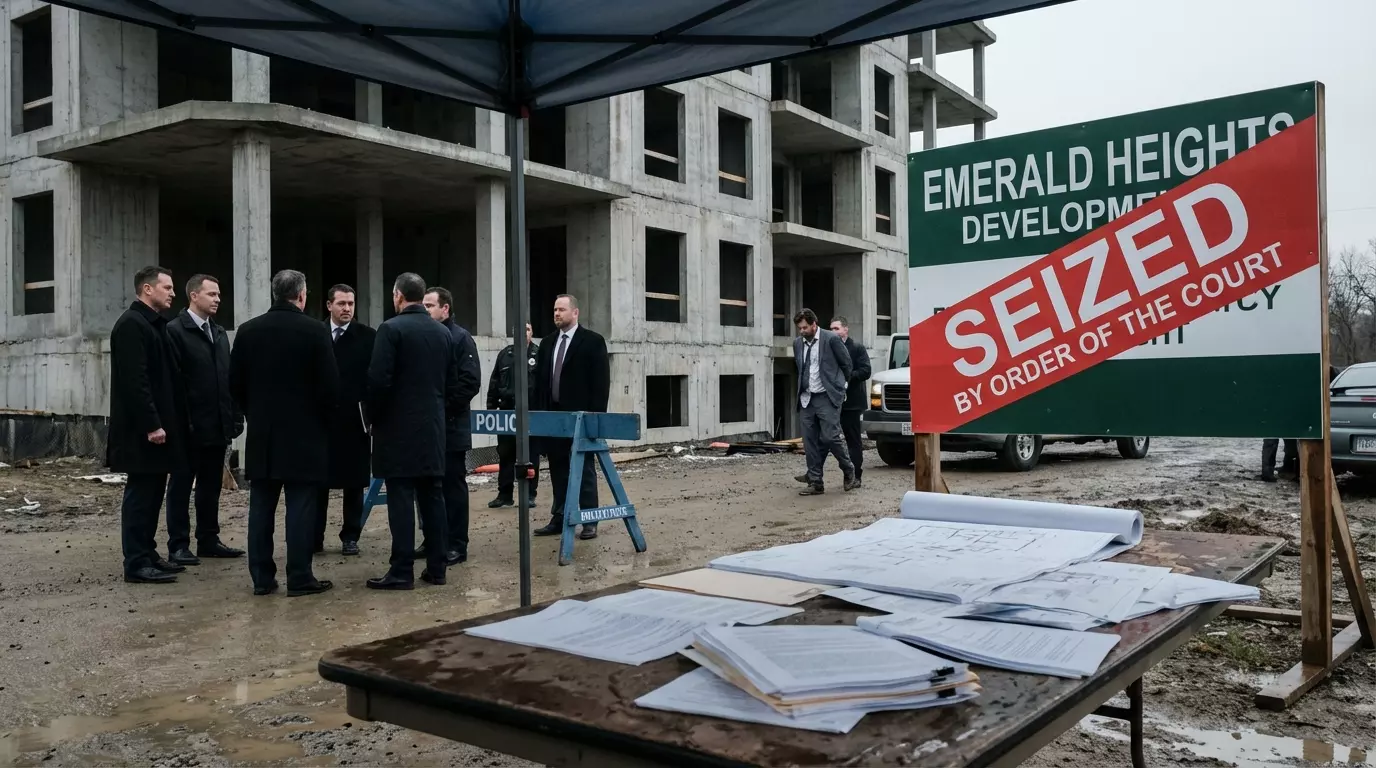
Heavy Penalties Over Massive Real Estate Fraud
The real estate industry has been rocked by one of its most significant fraud cases in recent history, with a Chinese court handing down unprecedented penalties to multiple defendants involved in a massive property scheme. The case, which has drawn attention from industry observers worldwide, centers on fraudulent activities that compromised the integrity of real estate transactions and left countless victims in its wake. This landmark ruling sends a clear message about the consequences of engaging in deceptive practices within the property sector.
The severity of the penalties reflects the scale and sophistication of the fraud operation, which involved elaborate schemes designed to mislead buyers and manipulate property values. Authorities spent considerable time investigating the complex web of transactions and uncovered evidence of systematic deception that spanned multiple properties and involved numerous participants. The case has become a cautionary tale for real estate professionals and a reminder that regulatory bodies are increasingly vigilant in protecting consumers from fraudulent activities in the property market.
Court Delivers Record Fines in Property Scandal
The Chinese judicial system delivered a decisive blow to real estate fraud by imposing record-breaking fines on the perpetrators of this extensive scheme. The financial penalties represent some of the highest ever levied in property fraud cases within the region, demonstrating the court’s commitment to deterring similar criminal activities in the future. These substantial fines are intended not only to punish the guilty parties but also to compensate victims who suffered financial losses due to the fraudulent transactions.
Beyond the monetary penalties, the court’s decision included additional measures designed to prevent the defendants from engaging in similar activities in the future. The ruling encompasses restrictions on business operations and professional licenses, effectively barring the convicted individuals from participating in real estate transactions for extended periods. This comprehensive approach to sentencing reflects a growing trend in legal systems worldwide to impose multifaceted consequences on white-collar criminals, particularly those operating in sectors that directly impact consumers’ most significant financial investments. The U.S. Securities and Exchange Commission has similarly increased enforcement actions against fraud in recent years, showing a global trend toward stricter penalties.
Multiple Defendants Face Serious Consequences
The scope of the case extended beyond a single individual, with multiple defendants receiving varying degrees of punishment based on their roles in the fraudulent operation. The lead organizers faced the harshest penalties, including substantial prison sentences in addition to the financial fines. These individuals were found to have orchestrated the scheme from its inception, creating the fraudulent framework and recruiting others to participate in the deceptive practices.
Secondary participants, including intermediaries and facilitators who enabled the fraud, also received significant consequences proportionate to their involvement. The court carefully evaluated each defendant’s contribution to the overall scheme, ensuring that justice was served according to individual culpability. This tiered approach to sentencing serves multiple purposes:
- It acknowledges the different levels of responsibility among participants
- It provides a framework for future cases involving complex fraud schemes
- It demonstrates that all participants, regardless of their position, will face accountability
- It encourages potential whistleblowers to come forward by showing proportional justice
The detailed examination of each defendant’s role has provided valuable insights into how such fraud operations function, information that regulatory bodies can use to develop better prevention strategies. According to the Federal Bureau of Investigation, understanding the structure of fraud operations is crucial for developing effective countermeasures.
What This Landmark Case Means for the Industry
This watershed moment in real estate law enforcement carries profound implications for the property industry moving forward. The case has prompted industry associations and regulatory bodies to reassess their oversight mechanisms and strengthen protocols designed to detect and prevent similar fraudulent activities. Real estate professionals are now facing heightened scrutiny, with many jurisdictions implementing more rigorous licensing requirements and ongoing education mandates focused on ethical practices and legal compliance.
The ripple effects of this case extend beyond immediate regulatory changes, influencing how consumers approach real estate transactions. Buyers are becoming more cautious and demanding greater transparency throughout the purchasing process, while legitimate real estate professionals are embracing stricter internal controls to differentiate themselves from bad actors. The industry is witnessing several transformative changes:
Increased Due Diligence Requirements
- Enhanced property verification processes
- More comprehensive background checks on sellers
- Stricter documentation standards for all transactions
- Mandatory disclosure of potential conflicts of interest
Technology Integration
- Implementation of blockchain for transaction transparency
- Digital verification systems for property credentials
- Advanced fraud detection algorithms
- Secure platforms for document management
Consumer Protection Measures
- Strengthened escrow requirements
- Extended cooling-off periods for buyers
- Mandatory independent appraisals
- Enhanced recourse options for fraud victims
These changes represent a fundamental shift in how the real estate industry operates, prioritizing consumer protection and transparency over speed and convenience. While some industry participants have expressed concerns about increased compliance costs, most recognize that these measures are necessary to restore and maintain public trust in real estate transactions.
The case has also sparked international discussions about harmonizing real estate fraud penalties across borders, as property schemes increasingly operate on a global scale. Legal experts anticipate that this ruling will influence how courts in other jurisdictions approach similar cases, potentially establishing new precedents for international cooperation in prosecuting real estate fraud.
In Short
This landmark real estate fraud case represents a turning point in how legal systems address property-related crimes, with record penalties sending a strong message to potential fraudsters. The comprehensive nature of the court’s ruling, which included substantial fines, prison sentences, and professional restrictions, demonstrates a holistic approach to combating fraud in the real estate sector. The case has catalyzed significant changes across the industry, from enhanced regulatory oversight to improved consumer protection measures.
The implications of this ruling extend far beyond the immediate parties involved, influencing how real estate transactions are conducted, regulated, and monitored worldwide. As the industry adapts to these new realities, legitimate professionals are finding opportunities to distinguish themselves through transparency and ethical practices. While the initial adjustment period may present challenges, the long-term benefits of a more trustworthy and accountable real estate market will ultimately serve the interests of all stakeholders. This case serves as a powerful reminder that fraud carries severe consequences and that the justice system is prepared to impose penalties commensurate with the harm caused to victims and the broader market.state industry changes.


Join The Discussion