

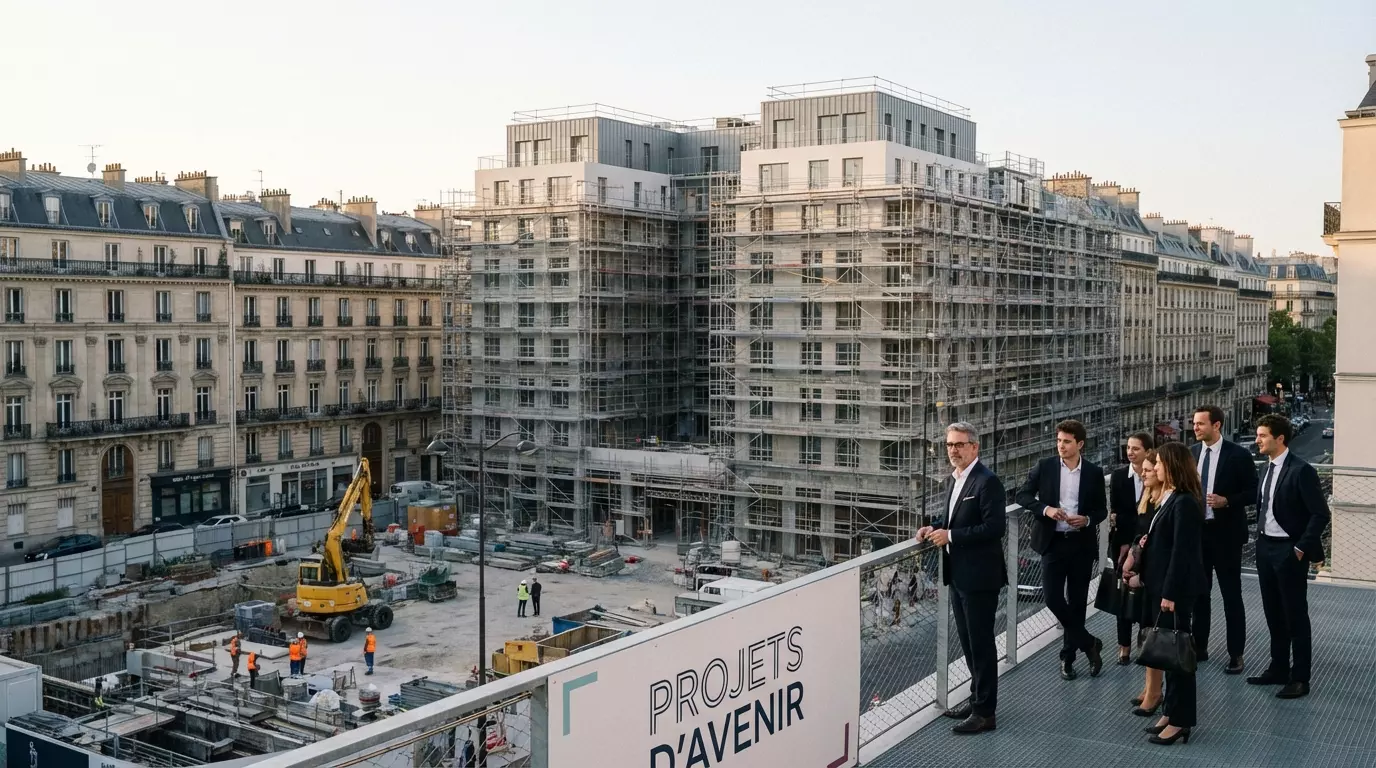
France Real Estate Market Eyes $330B Milestone
The French property sector is positioned for remarkable expansion over the next decade, with market analysts projecting the real estate market to reach an impressive USD 330.75 billion by 2033. This substantial growth trajectory reflects France’s enduring appeal as a prime investment destination, combining historical charm with modern infrastructure and economic stability. The forecast represents a significant milestone for one of Europe’s most dynamic property markets, signaling robust confidence from both domestic and international investors.
According to comprehensive market research, France’s real estate landscape continues to demonstrate resilience despite global economic uncertainties. The projected growth encompasses various property segments, including residential, commercial, and industrial real estate across major metropolitan areas and emerging regional markets. This upward trend is supported by favorable demographic patterns, urbanization initiatives, and ongoing infrastructure development projects that enhance property values throughout the country. The market’s evolution reflects France’s strategic position within the European Union and its continued attractiveness to global capital.
Strong Growth Drivers Fuel Property Sector Boom
Multiple factors are converging to propel France’s real estate market toward unprecedented growth levels. Urban regeneration projects in cities like Paris, Lyon, and Marseille are creating new opportunities for property development and investment. The French government’s commitment to sustainable urban planning and green building initiatives has attracted environmentally conscious investors seeking properties that align with ESG (Environmental, Social, and Governance) criteria. Additionally, France’s tourism industry, which ranks among the world’s strongest, continues to drive demand for both short-term rental properties and hospitality real estate.
The post-pandemic shift in work patterns has fundamentally altered property demand dynamics across France. Remote work adoption has increased interest in residential properties outside traditional urban centers, with secondary cities and rural areas experiencing renewed attention from buyers seeking larger living spaces and improved quality of life. Low interest rates, though gradually adjusting, have maintained property accessibility for many buyers, while foreign investment continues flowing into the French market. The country’s political stability, robust legal framework for property ownership, and transparent transaction processes make it particularly attractive for international investors seeking secure, long-term assets in the European real estate market.
Investment Opportunities Across French Regions
Paris remains the undisputed crown jewel of French real estate, commanding premium prices and attracting substantial institutional investment. The capital’s property market benefits from its status as a global business hub, cultural center, and tourist magnet. However, savvy investors are increasingly looking beyond Paris to discover emerging opportunities in France’s diverse regional markets. Cities like Bordeaux, Toulouse, Nantes, and Strasbourg offer compelling value propositions with lower entry points, strong rental yields, and significant growth potential driven by expanding local economies and improving connectivity.
The French Riviera continues to captivate luxury property investors with its Mediterranean lifestyle and international appeal. Meanwhile, ski resort regions in the Alps attract buyers interested in vacation properties and seasonal rental income. Regional France presents varied investment profiles:
- Normandy and Brittany: Coastal properties with tourism appeal and affordable pricing
- Loire Valley: Historic properties and vineyard estates attracting lifestyle investors
- Provence: Rural retreats and agricultural properties with conversion potential
- Lyon Metropolitan Area: Strong economic fundamentals driving residential and commercial demand
- Grand Est Region: Cross-border opportunities benefiting from proximity to Germany and Switzerland
Industrial and logistics real estate across France has emerged as a particularly strong performer, driven by e-commerce growth and supply chain restructuring. Distribution centers near major transportation corridors and urban peripheries are experiencing robust demand from logistics operators and e-commerce companies requiring modern facilities with advanced capabilities.
Market Outlook and Predictions Through 2033
The pathway to USD 330.75 billion will likely feature both sustained growth periods and cyclical adjustments responding to broader economic conditions. Market analysts anticipate residential property demand will remain strong, supported by France’s population growth, household formation trends, and ongoing urbanization. The residential segment is expected to account for the largest market share, with particular strength in mid-market properties serving first-time buyers and young families seeking primary residences in well-connected locations.
Commercial real estate faces transformation as office space requirements evolve with hybrid work models becoming permanent features of corporate culture. However, this challenge creates opportunities in property repositioning, mixed-use development, and flexible workspace solutions. Retail properties in prime locations continue demonstrating resilience, particularly those offering experiential shopping environments that e-commerce cannot replicate. The hospitality sector stands to benefit significantly from France’s tourism recovery and the country’s preparations for major international events attracting global visitors.
Looking ahead, several trends will shape the French property landscape:
- Sustainability mandates: Stricter energy efficiency requirements driving renovation investment
- Technology integration: Smart building systems becoming standard in new developments
- Demographic shifts: Aging population influencing senior housing and healthcare facility demand
- Regional rebalancing: Government policies encouraging development outside Paris
- Foreign investment: Continued appetite from international buyers, particularly from Asia and Middle East
The market’s progression toward the 2033 target will depend on maintaining economic stability, managing inflation pressures, and navigating interest rate environments. France’s structural advantages, including its diversified economy, quality infrastructure, and cultural assets, provide a solid foundation for sustained real estate market growth.
In Short
France’s real estate market stands at the threshold of a transformative decade, with projections pointing toward a USD 330.75 billion valuation by 2033. This ambitious forecast reflects the country’s multifaceted appeal spanning residential, commercial, and specialized property segments across diverse geographic regions. From Paris’s enduring prestige to emerging opportunities in regional cities and specialized sectors like logistics and hospitality, the French property market offers varied entry points for different investor profiles and risk appetites.
The journey toward this milestone will be shaped by evolving work patterns, sustainability imperatives, demographic trends, and technological advancement in property management and development. While challenges including economic uncertainties and regulatory changes will require navigation, France’s fundamental strengths position its real estate sector for sustained growth. Investors, developers, and property professionals who understand regional nuances, embrace sustainability, and adapt to changing demand patterns will be best positioned to capitalize on the opportunities within this dynamic market as it progresses toward its ambitious 2033 target.
FAQ
What is driving France’s real estate market growth?
The French property market’s expansion is fueled by multiple factors including urban regeneration projects, sustainable development initiatives, strong tourism sector performance, favorable demographics, and continued foreign investment interest. The shift toward remote work has also broadened geographic demand beyond traditional urban centers.
Which French regions offer the best investment opportunities?
While Paris remains premier for institutional investors, regions like Bordeaux, Lyon, Toulouse, and Nantes offer attractive growth potential with lower entry costs. The French Riviera appeals to luxury buyers, while Normandy, Brittany, and Provence provide diverse opportunities from coastal properties to rural estates.
How will the market reach USD 330.75 billion by 2033?
The projected growth will result from sustained demand across residential, commercial, and industrial segments, supported by France’s economic stability, infrastructure development, tourism strength, and ongoing urbanization. Technology integration and sustainability-focused development will also contribute significantly to market value appreciation.
What challenges could impact France’s real estate market growth?
Potential headwinds include interest rate fluctuations, economic uncertainties, evolving office space requirements due to hybrid work models, and stricter environmental regulations requiring property upgrades. However, France’s structural advantages and diverse market segments provide resilience against these challenges.
Is French real estate attractive for foreign investors?
Yes, France remains highly attractive to international investors due to its political stability, transparent legal framework, strong property rights protection, diverse investment opportunities, and cultural appeal. The country’s position within the European Union and its robust economy further enhance its investment credentials.

Join The Discussion