

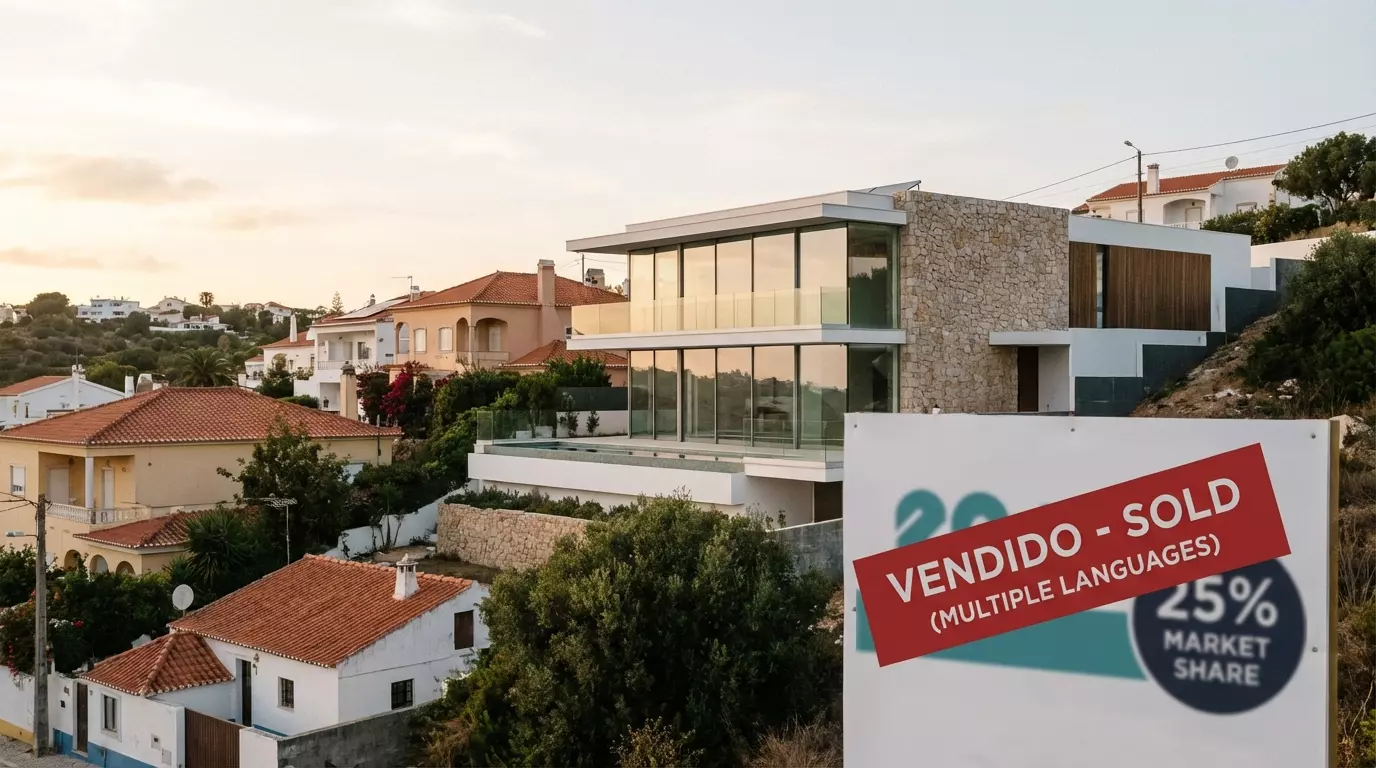
Portugal has long been a magnet for international buyers seeking sun-soaked coastlines, affordable living, and a welcoming culture. But recent data reveals just how significant foreign investment in Portuguese real estate has become. Foreigners now purchase roughly 25% of all homes sold in the country. This trend is reshaping the housing market, driving up prices, and sparking intense debate about what it means for local residents trying to get on the property ladder. In this article, we break down the key findings, explore the reasons behind this surge, and examine the consequences for both international investors and Portuguese citizens alike.
Foreign Buyers Snap Up 25% of Portuguese Homes
The numbers are striking. One in every four homes sold in Portugal is now purchased by a foreign national. This statistic highlights a dramatic shift in the Portuguese property market over the past decade, as international demand has grown from a modest share to a dominant force. The trend spans across different property types, from luxury villas in the Algarve to urban apartments in Lisbon and Porto. Buyers come from a wide range of countries, with citizens from the United States, the United Kingdom, France, Brazil, and several other European nations leading the charge.
What makes this figure particularly noteworthy is the pace at which it has grown. Just a few years ago, foreign purchases represented a much smaller slice of the market. The acceleration can be tied to several factors, including Portugal’s Golden Visa program, favorable tax regimes like the Non-Habitual Resident (NHR) status, and the country’s reputation as one of the safest and most livable destinations in Europe. The 25% figure underscores the reality that Portugal’s housing market is no longer shaped solely by domestic demand. International capital now plays a central and sometimes controversial role in determining property values and availability.
Why Portugal Keeps Attracting Global Investors
Portugal offers a compelling combination of factors that few other European countries can match. Here are some of the key reasons international buyers keep flocking to the market:
- Climate and lifestyle: Over 300 days of sunshine per year, world-class beaches, and a relaxed pace of life
- Safety: Consistently ranked among the safest countries in the world by the Global Peace Index
- Cost of living: Despite recent increases, Portugal remains more affordable than most Western European nations
- Tax incentives: Programs like the NHR regime have historically offered significant tax advantages to foreign residents
- Golden Visa program: Although reformed in recent years, this residency-by-investment scheme attracted billions of euros into Portuguese real estate
- Strong rental yields: Tourism-driven demand in cities like Lisbon and Porto provides attractive returns for buy-to-let investors
Beyond these practical advantages, Portugal has cultivated a reputation as a hub for digital nomads, retirees, and remote workers. The country’s modern infrastructure, excellent healthcare system, and English-friendly environment make it an easy choice for people looking to relocate from higher-cost countries. International media coverage and word-of-mouth recommendations have created a self-reinforcing cycle where positive attention drives more interest, which in turn drives more investment. According to data from Eurostat, Portugal has seen some of the highest rates of property price growth in the European Union, further validating its appeal as an investment destination.
Housing Prices Surge as Demand Keeps Growing
The influx of foreign capital has had a measurable impact on property prices across Portugal. In major cities like Lisbon and Porto, prices have risen dramatically over the past several years, with some neighborhoods experiencing double-digit annual increases. Coastal regions such as the Algarve, the Silver Coast, and parts of the Alentejo have also seen significant appreciation. The table below provides a snapshot of how key regions compare:
| Region | Average Price Per Sq. Meter (2026 Estimate) | Year-Over-Year Change | Primary Foreign Buyers |
|---|---|---|---|
| Lisbon | €4,800 | +8% | French, Brazilian, American |
| Porto | €3,500 | +9% | British, French, Brazilian |
| Algarve | €3,800 | +7% | British, Dutch, German |
| Silver Coast | €2,600 | +10% | American, British, Scandinavian |
| Madeira | €2,900 | +6% | German, British, French |
These price increases are not driven by foreign buyers alone. Domestic demand, limited housing supply, rising construction costs, and a growing population in urban centers all contribute to the upward pressure. However, the purchasing power of international buyers, who often come from countries with stronger currencies or higher average incomes, adds a layer of competition that amplifies price growth. In some high-demand neighborhoods, properties are being sold above asking price within days of being listed, leaving many local buyers unable to compete.
The rental market has felt the squeeze as well. Short-term rental platforms have made it lucrative for property owners to cater to tourists rather than long-term tenants, further reducing the availability of affordable housing. While the Portuguese government has introduced measures to regulate short-term rentals and increase housing supply, the gap between demand and availability continues to widen in many areas.
What This Means for Local Portuguese Buyers
For ordinary Portuguese citizens, the growing dominance of foreign buyers in the property market is a source of genuine frustration. Average salaries in Portugal remain among the lowest in Western Europe, with monthly wages hovering around €1,100 to €1,300 for many workers. When a quarter of all homes are being purchased by foreigners who often have significantly more financial resources, the playing field becomes uneven. Young Portuguese families, first-time buyers, and middle-income earners are finding it increasingly difficult to afford homes in the cities and regions where they work and live.
The Portuguese government has recognized the problem and taken several steps to address it. Key measures include:
- Ending the Golden Visa for real estate investments in high-demand areas like Lisbon and Porto
- Introducing rent caps and protections for long-term tenants
- Offering tax incentives for landlords who provide affordable long-term rentals
- Investing in public housing construction to increase supply
- Regulating short-term rental licenses to limit the conversion of residential properties into tourist accommodations
Despite these efforts, many housing advocates argue that more aggressive action is needed. The debate around foreign property ownership in Portugal mirrors similar conversations happening in cities like Amsterdam, Barcelona, and Vancouver, where international investment has contributed to housing affordability crises. Striking the right balance between welcoming foreign investment, which brings economic benefits and jobs, and protecting the housing rights of local citizens remains one of Portugal’s most pressing policy challenges.
In Short
The fact that foreigners now buy 25% of homes in Portugal is a testament to the country’s incredible appeal as a place to live, work, and invest. From its sunny climate and safe streets to its favorable tax policies and strong rental market, Portugal checks many boxes for international property buyers. However, this surge in foreign demand comes with real consequences for local residents who are being priced out of their own housing market. The Portuguese government faces the difficult task of maintaining the country’s attractiveness to global investors while ensuring that its citizens can still afford to live in the places they call home. As the market continues to evolve, all eyes will be on the policy decisions that shape Portugal’s housing future in the years to come.
Frequently Asked Questions
What percentage of homes in Portugal are bought by foreigners?
According to recent data, approximately 25% of all homes sold in Portugal are purchased by foreign nationals, making international buyers a significant force in the property market.
Which nationalities buy the most property in Portugal?
The leading foreign buyers in Portugal come from the United States, the United Kingdom, France, Brazil, Germany, and the Netherlands, though buyers from dozens of countries are active in the market.
Is Portugal’s Golden Visa still available for real estate?
Portugal has reformed its Golden Visa program and restricted real estate investments in high-demand urban areas. However, investment options in other sectors and lower-density regions may still qualify.
Why are housing prices rising so fast in Portugal?
Rising prices are driven by a combination of strong foreign demand, limited housing supply, increasing construction costs, population growth in urban areas, and the popularity of short-term rental platforms.
What is Portugal doing to help local buyers afford homes?
The government has introduced measures including rent caps, restrictions on short-term rentals, public housing investments, and tax incentives for landlords offering affordable long-term leases.
Join The Discussion