

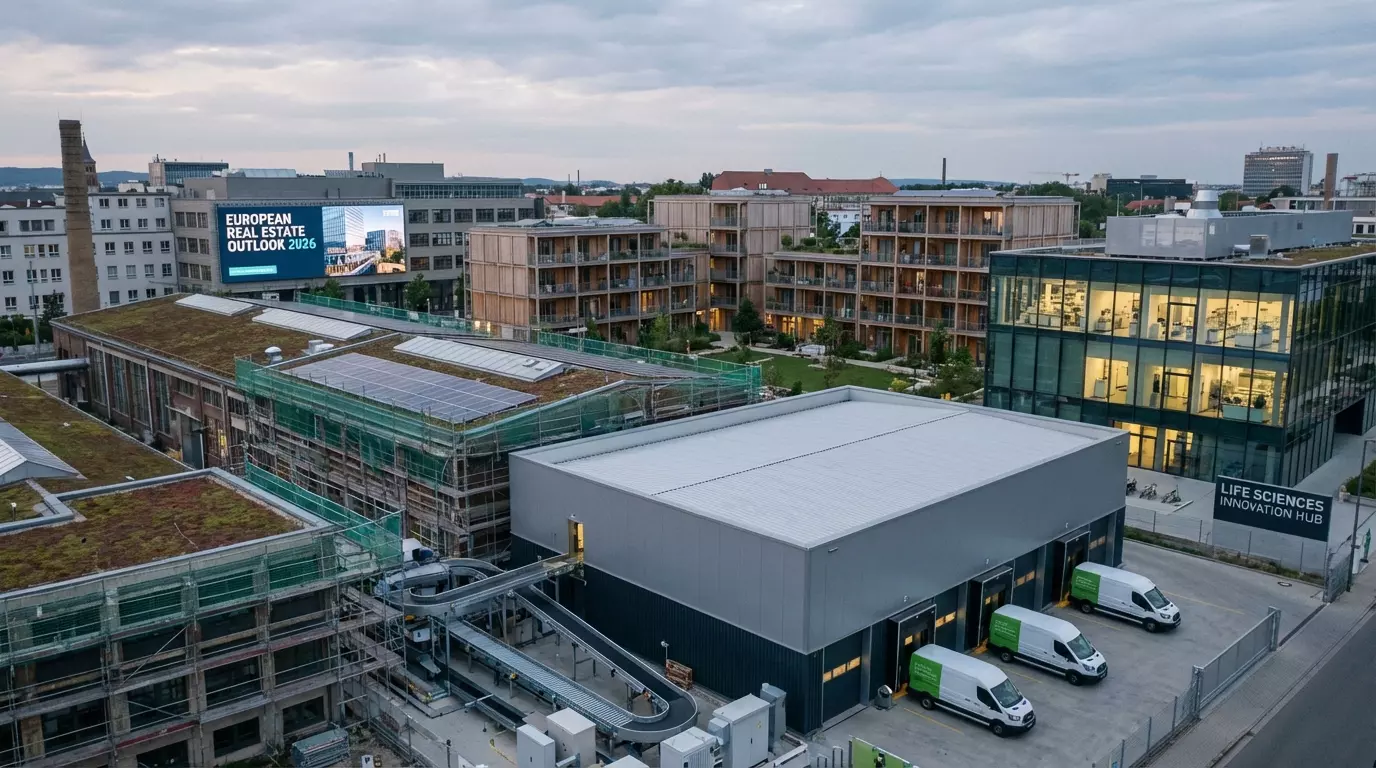
The European real estate landscape is entering an exciting phase as we look towards 2026, with fresh opportunities emerging across multiple sectors. Investment patterns are shifting dramatically as developers and institutional investors recalibrate their strategies to meet changing demographic needs, environmental demands, and economic realities. From residential rental markets experiencing unprecedented demand to the continued expansion of logistics infrastructure, the continent presents a diverse range of prospects for those willing to navigate its complexities.
Understanding where to allocate capital in this evolving market requires careful analysis of macroeconomic trends, regulatory changes, and consumer behavior shifts. The post-pandemic era has fundamentally altered how Europeans live, work, and shop, creating ripples throughout the property sector that will define investment returns for years to come. This article explores five key real estate opportunities that industry experts believe will deliver strong performance through 2026, offering insights into why these sectors deserve attention from sophisticated investors.
Residential Rental Markets Show Strong Growth
The European residential rental sector continues to demonstrate remarkable resilience and growth potential heading into 2026. Demographic shifts, particularly among younger generations who are delaying homeownership due to affordability constraints and lifestyle preferences, have created sustained demand for quality rental accommodation across major metropolitan areas. Cities like Berlin, Amsterdam, and Barcelona are experiencing particularly tight supply conditions, with vacancy rates hovering below 3% in prime locations. This supply-demand imbalance has translated into steady rental income growth, making residential rental properties an attractive proposition for institutional investors seeking stable, inflation-protected returns.
The build-to-rent (BTR) model has gained significant traction throughout Europe, with developers specifically designing apartment complexes for long-term rental rather than sale. This approach allows for better quality control, enhanced amenity packages, and professional management that appeals to today’s renters who prioritize experience and convenience. Major investment funds have committed billions to this sector, recognizing that the structural shortage of affordable housing across European cities will support rental growth for years to come. Additionally, regulatory environments in many countries are becoming more landlord-friendly, with governments recognizing the need to encourage private investment in rental housing to address chronic shortages.
Green Buildings Draw Investor Attention
Sustainability has moved from a nice-to-have feature to an essential requirement in European real estate investment. The European Union’s ambitious climate targets and increasingly stringent building regulations are driving unprecedented interest in green-certified properties. Buildings with strong environmental credentials, such as BREEAM or LEED certifications, are commanding premium valuations and achieving higher occupancy rates than their conventional counterparts. Investors are recognizing that properties failing to meet evolving energy efficiency standards face significant obsolescence risk, potentially becoming “stranded assets” that are difficult to lease or sell.
The financial case for green buildings has become compelling beyond regulatory compliance. According to research from the World Green Building Council, energy-efficient buildings typically achieve 7-8% higher rental income and 6% higher sale prices compared to similar non-certified properties. Operational cost savings through reduced energy consumption provide immediate benefits to both landlords and tenants, while enhanced indoor environmental quality improves occupant wellbeing and productivity. Forward-thinking investors are also capitalizing on the growing pool of “green financing” options, including sustainability-linked loans and green bonds that offer favorable terms for environmentally responsible projects. As corporate tenants increasingly prioritize ESG criteria in their real estate decisions, buildings with strong sustainability credentials will continue to outperform in terms of both occupancy and rental growth.
Logistics Hubs Expand Across Major Cities
The exponential growth of e-commerce has fundamentally transformed logistics real estate demand across Europe. Last-mile delivery facilities located near dense population centers have become critical infrastructure for retailers and logistics providers racing to meet consumer expectations for rapid delivery. Cities across Germany, France, and the Netherlands are seeing intense competition for urban logistics space, with vacancy rates in prime locations approaching historic lows. This tight market has pushed rental growth into double-digit territory in some markets, making logistics properties one of the best-performing real estate sectors in recent years.
The characteristics of logistics demand are evolving beyond traditional big-box warehouses on city peripheries. Multi-story urban fulfillment centers, often incorporating automation and advanced sorting technology, are being developed to maximize space efficiency in land-constrained urban environments. The rise of quick commerce services promising delivery within 15-30 minutes has created additional demand for micro-fulfillment centers distributed throughout residential neighborhoods. According to Prologis, one of Europe’s largest logistics real estate providers, the structural shift toward online shopping continues to accelerate, with e-commerce penetration expected to reach 25-30% of total retail sales by 2026. This ongoing transition ensures that well-located logistics facilities will remain in high demand, offering investors a combination of strong rental growth and long lease terms with creditworthy tenants.
Mixed-Use Developments Gain Momentum
Mixed-use developments that combine residential, retail, office, and leisure components within integrated communities are experiencing a renaissance across European cities. The pandemic accelerated the desire for walkable neighborhoods where people can live, work, and access amenities without lengthy commutes. Forward-thinking developers are creating vibrant urban districts that offer this lifestyle, moving away from single-use zoning that characterized much of 20th-century urban planning. Cities like Copenhagen, Munich, and Lyon are showcasing successful mixed-use projects that have become benchmarks for urban development.
These developments offer multiple advantages for investors beyond simple diversification across property types. By creating destinations that attract visitors throughout the day and evening, mixed-use projects typically achieve higher foot traffic and stronger tenant retention than single-use buildings. The residential component provides a built-in customer base for ground-floor retail and restaurants, while office workers add additional spending power during business hours. This synergy often translates into rental premiums and more stable performance through economic cycles. Additionally, municipal authorities increasingly favor mixed-use proposals when granting development permissions, recognizing their contribution to housing supply, job creation, and urban vitality. As European cities continue to densify and prioritize sustainable urban development, well-conceived mixed-use projects positioned in transit-oriented locations will likely deliver superior long-term returns.
Frequently Asked Questions
What makes residential rental markets attractive for investors in 2026?
Residential rental markets offer stable income streams backed by strong demographic demand, particularly from younger generations delaying homeownership. Supply constraints in major European cities, combined with the growth of professionally managed build-to-rent developments, create favorable conditions for sustained rental growth and high occupancy rates.
Why are green buildings commanding premium valuations?
Green buildings achieve higher valuations due to multiple factors including lower obsolescence risk from tightening regulations, reduced operational costs through energy efficiency, higher tenant demand from ESG-conscious occupiers, and access to favorable green financing options. Research shows they consistently outperform conventional buildings in both rental income and capital appreciation.
Which European cities offer the best logistics real estate opportunities?
Major logistics hubs in Germany, the Netherlands, and France are experiencing particularly strong demand due to their strategic locations, excellent transportation infrastructure, and large consumer populations. Cities with constrained land supply but high e-commerce penetration offer especially attractive risk-return profiles for urban logistics investments.
How do mixed-use developments perform during economic downturns?
Mixed-use developments typically demonstrate greater resilience during economic challenges due to diversification across multiple property types and tenant bases. While one component may underperform, others often compensate, creating more stable overall cash flows compared to single-use properties.
What are the main risks facing European real estate investors in 2026?
Key risks include interest rate volatility affecting financing costs and property valuations, regulatory changes particularly around rent controls and environmental standards, economic uncertainty impacting tenant demand, and construction cost inflation affecting development feasibility. Thorough due diligence and risk management strategies are essential for navigating these challenges.
In Short
The European real estate market presents compelling opportunities across multiple sectors as we approach 2026, with residential rentals, green buildings, logistics facilities, and mixed-use developments standing out as particularly promising. Each sector benefits from powerful structural trends including demographic shifts, sustainability imperatives, e-commerce growth, and evolving urban lifestyles that should support performance over the medium term. Successful investors will be those who can identify quality assets in these categories, understand the specific dynamics of local markets, and maintain disciplined underwriting standards.
While opportunities abound, the European property landscape remains complex and varies significantly across countries and cities. Regulatory environments, economic conditions, and market maturity levels differ substantially between markets, requiring localized expertise and careful market selection. Investors should prioritize properties that align with long-term demographic and technological trends while maintaining flexibility to adapt to changing conditions. By focusing on these five opportunity areas and conducting thorough due diligence, real estate investors can position their portfolios to capitalize on Europe’s evolving property markets through 2026 and beyond.


Join The Discussion