

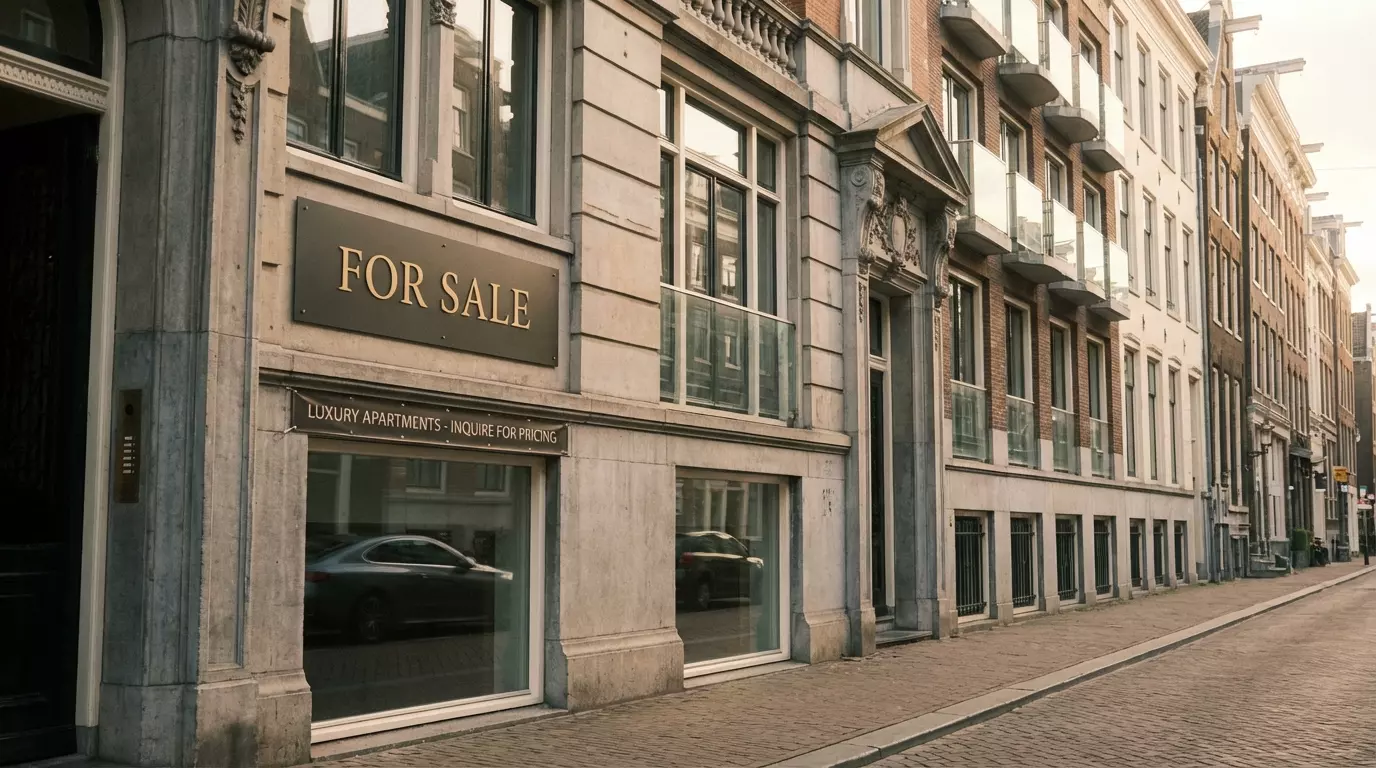
Europe’s Housing Bubble: When Prices Lose Touch
The European housing market is experiencing a troubling phenomenon that experts are calling “phantom inflation,” where property prices have become increasingly disconnected from their actual market value. This distortion is creating a dangerous bubble across major European cities, leaving potential homebuyers facing astronomical costs that bear little relation to the real worth of properties. The gap between asking prices and realistic valuations has widened to alarming levels, raising concerns about market stability and affordability across the continent.
Recent analysis reveals that this price-reality gap isn’t just a minor discrepancy but a systemic issue affecting multiple European nations simultaneously. From Berlin to Barcelona, property listings are showcasing prices that economic fundamentals simply cannot justify. Housing experts warn that this overvaluation could lead to severe market corrections, potentially triggering a cascade of financial problems for homeowners who purchased at inflated rates. The situation has become so pronounced that even seasoned real estate professionals are struggling to explain the disconnect between what sellers are asking and what properties are genuinely worth.
The Phantom Inflation Driving Unaffordable Homes
Phantom inflation in the housing sector refers to artificial price increases that aren’t supported by corresponding improvements in property value, economic growth, or wage increases. Unlike traditional inflation driven by supply and demand dynamics, this phenomenon is fueled by speculative behavior, easy credit conditions, and unrealistic seller expectations that have persisted despite changing market conditions. The term “phantom” aptly describes how these price increases seem to materialize without tangible justification, creating an illusion of value that doesn’t match economic reality.
Several factors are contributing to this phantom inflation across Europe’s housing markets. Low interest rates maintained for extended periods encouraged excessive borrowing and speculative investments in real estate. Additionally, the influx of foreign investment, particularly in major metropolitan areas, pushed prices upward without consideration for local earning capacity. The European Central Bank monetary policies, while intended to stimulate economic growth, inadvertently created conditions where asset prices, particularly housing, became inflated beyond sustainable levels. This perfect storm of circumstances has resulted in property values that exist more in theory than in practical market terms.
Why Market Values Don’t Match Reality Anymore
The disconnect between listed prices and actual market values stems from a fundamental misalignment between seller expectations and buyer capabilities. Many property owners, having witnessed years of consistent price increases, now expect this trend to continue indefinitely. They list their homes at premium prices based on past performance rather than current market conditions. Meanwhile, potential buyers are discovering that their purchasing power hasn’t kept pace with these escalating prices, creating a standoff where properties linger on the market unsold while sellers refuse to adjust their expectations downward.
Economic indicators paint a stark picture of this mismatch. While housing prices in several European cities have increased by 30-50% over the past five years, average wages have grown by only 10-15% during the same period. This mathematical impossibility creates a situation where homes are priced for buyers who simply don’t exist in sufficient numbers. According to Eurostat, the housing cost overburden rate, which measures the percentage of the population spending more than 40% of disposable income on housing, has reached concerning levels in multiple EU countries. The data suggests that current market prices are sustainable only if we ignore fundamental economic principles about affordability and debt-to-income ratios.
What Overpriced Housing Means for Buyers Today
For prospective homebuyers, the current market presents a frustrating and often impossible challenge. First-time buyers are particularly affected, finding themselves priced out of markets entirely or forced to take on dangerous levels of debt to secure property. The dream of homeownership is slipping further away for younger generations, who face the double burden of stagnant wages and skyrocketing property costs. Many are delaying major life decisions, from starting families to changing careers, because they cannot establish stable housing situations.
The implications extend beyond individual frustration to broader societal concerns. When housing becomes unaffordable, it affects:
- Economic mobility – Workers cannot relocate for better opportunities due to housing costs
- Family formation – Young adults delay marriage and children while struggling with housing
- Wealth inequality – Property owners accumulate wealth while renters fall further behind
- Urban development – Cities lose diversity as only wealthy residents can afford to live centrally
- Financial stability – Overleveraged buyers risk default if market corrections occur
Current buyers face difficult decisions with no ideal solutions. Purchasing at inflated prices means potentially losing substantial equity if markets correct, while waiting risks being priced out entirely if phantom inflation continues. Financial advisors are increasingly recommending that potential buyers carefully assess whether current market prices align with their long-term financial security rather than rushing into purchases driven by fear of missing out. The traditional advice that “you can’t lose with real estate” no longer holds true in markets experiencing phantom inflation, where prices have lost their moorings to economic reality.
Smart buyers today are employing several strategies to navigate these treacherous waters. These include looking at emerging neighborhoods rather than established expensive areas, considering smaller properties that offer better value propositions, and maintaining strict budget discipline rather than stretching finances to maximum capacity. Some are choosing to rent longer while building larger down payments, betting that market corrections will eventually occur. Others are exploring alternative housing arrangements, including co-housing, multigenerational living, or relocating to smaller cities where phantom inflation hasn’t taken such a firm hold.
The rental market offers little relief, as landlords facing high property costs pass these expenses to tenants through elevated rents. This creates a vicious cycle where renters cannot save for down payments because rental costs consume too much of their income, while simultaneously, home prices continue rising beyond reach. Many European cities are experiencing rental crises parallel to their housing affordability problems, suggesting that the phantom inflation phenomenon affects the entire residential market ecosystem rather than just the purchase sector.
In Short
Europe’s housing market is grappling with a serious case of phantom inflation, where property prices have become dangerously disconnected from economic reality and buyer capacity. This artificial price inflation, driven by speculation, easy credit, and unrealistic expectations rather than genuine value increases, has created an unsustainable bubble across major European cities. The gap between asking prices and what properties are actually worth continues widening, leaving buyers facing impossible choices between overleveraging themselves or abandoning homeownership dreams entirely.
The consequences of this market distortion extend far beyond individual disappointment, affecting economic mobility, wealth distribution, urban development, and overall financial stability across the continent. With wages growing at a fraction of the rate of housing prices, the mathematical impossibility of current market conditions becomes clear. Whether through gradual corrections or more dramatic market adjustments, European housing markets will eventually need to realign with economic fundamentals. For now, potential buyers must navigate these uncertain waters with caution, realistic expectations, and careful financial planning, recognizing that properties priced in the phantom inflation zone may not represent sound long-term investments despite decades of conventional wisdom suggesting otherwise.
Frequently Asked Questions
What exactly is phantom inflation in housing markets?
Phantom inflation refers to property price increases that aren’t justified by actual improvements in value, economic growth, or buyer income levels. It’s artificial inflation driven by speculation and unrealistic expectations rather than genuine market fundamentals.
How can I tell if a property is overpriced due to phantom inflation?
Compare the asking price to historical price trends, local wage growth, and rental yields in the area. If prices have increased significantly faster than incomes or if the property would require an unsustainable debt-to-income ratio, it may be affected by phantom inflation.
Should I wait to buy a home if the market has phantom inflation?
This depends on your individual circumstances, but financial experts generally advise against purchasing property that requires overleveraging your finances. If current prices don’t align with your long-term financial security, waiting may be prudent despite the risk of further increases.
Which European countries are most affected by housing phantom inflation?
Major metropolitan areas across Germany, Spain, France, Netherlands, and Portugal have shown significant signs of phantom inflation, though the severity varies by city and neighborhood within each country.
Will European housing markets crash due to phantom inflation?
While predicting exact market movements is impossible, history shows that prices disconnected from economic fundamentals eventually correct. Whether this happens gradually or suddenly depends on various economic factors, including interest rates, employment, and broader economic conditions.
How does phantom inflation differ from regular housing market appreciation?
Regular appreciation is supported by economic fundamentals like wage growth, population increases, and genuine improvements in property value. Phantom inflation occurs when prices rise without these supporting factors, creating unsustainable valuations.

Join The Discussion