

Europe’s Housing Crisis Reaches Breaking Point
Europe’s Housing Crisis Reaches Breaking Point
The housing situation across Europe has deteriorated to unprecedented levels, forcing young professionals and middle-class workers into living arrangements that would have seemed unthinkable just a decade ago. Cities from London to Berlin are witnessing a troubling trend where individual bedrooms in shared apartments are being sold as separate properties, highlighting the severity of a crisis that threatens the continent’s social fabric. This phenomenon represents more than just a real estate challenge; it’s a fundamental shift in how Europeans approach homeownership and residential stability.
The severity of the situation has prompted European Union officials and housing advocates to sound alarm bells about the long-term consequences of unaffordable housing. With property prices outpacing wage growth by significant margins in most major European cities, traditional pathways to homeownership have become increasingly out of reach for ordinary citizens. The bedroom-selling trend exemplifies how desperate both buyers and sellers have become in markets where conventional housing solutions no longer function for large segments of the population.
Bedrooms for Sale: A New Low in Affordability
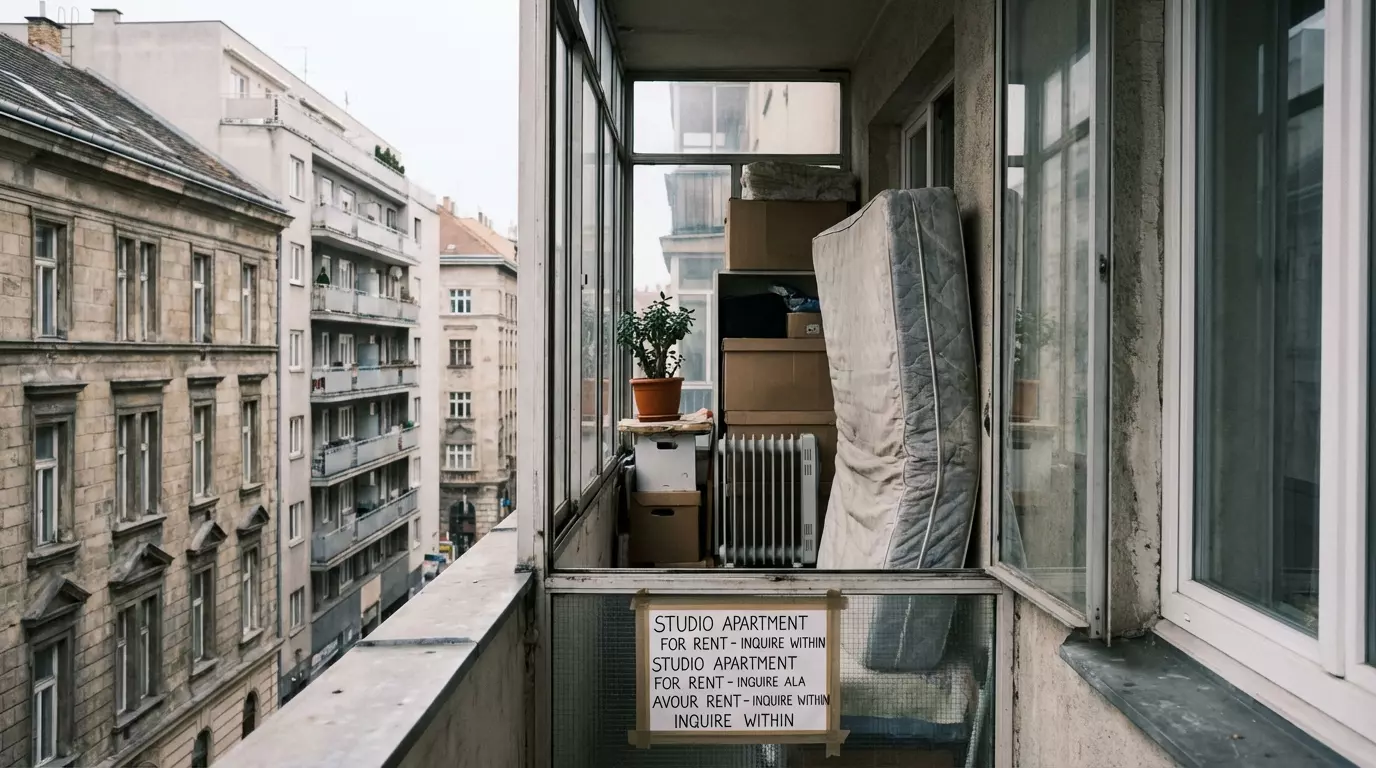
In what housing experts are calling a disturbing development, property developers and individual sellers have begun marketing single bedrooms as standalone investment opportunities. This practice has gained particular traction in cities like London, Amsterdam, and Dublin, where housing shortages have created conditions ripe for unconventional solutions. Buyers are purchasing individual rooms in shared apartments, complete with separate deeds and ownership rights, while common areas like kitchens and bathrooms remain jointly owned through complex legal arrangements.
The financial mathematics behind this trend reveal the depth of Europe’s affordability crisis. In London’s Zone 2 areas, individual bedrooms are being sold for upwards of £100,000 to £150,000, prices that would have purchased entire apartments in many neighborhoods just fifteen years ago. These micro-investments appeal to both desperate first-time buyers seeking any foothold in the property market and investors looking for rental income in tight housing markets. However, housing advocates warn that this fragmentation of residential property creates numerous legal complications and represents a troubling commodification of basic shelter needs that could have lasting negative impacts on community cohesion and housing quality standards.
Young Europeans Priced Out of Home Ownership
The dream of homeownership has become increasingly elusive for millennials and Generation Z across Europe, with the bedroom-selling phenomenon serving as a stark illustration of this generational divide. According to recent housing data, the average age of first-time buyers in major European cities has climbed to the mid-30s, compared to the mid-20s for previous generations. Young professionals earning median salaries in cities like Paris, Barcelona, and Munich would need to save for 15 to 20 years to afford a deposit on a modest apartment, assuming housing prices remain stable during that period.
This affordability gap has created what economists term a “locked-out generation” that faces fundamentally different economic prospects than their parents. The inability to access homeownership has cascading effects beyond simple shelter, impacting wealth accumulation, family formation decisions, and retirement security. Many young Europeans are responding by delaying marriage and children, remaining in their parents’ homes well into their 30s, or relocating to smaller cities with more affordable housing markets. The Organisation for Economic Co-operation and Development has documented these demographic shifts, noting that housing unaffordability represents one of the most significant economic challenges facing developed nations in the coming decades.
Cities Struggle to House Middle-Class Workers
Municipal governments across Europe are grappling with the reality that even middle-income professionals can no longer afford to live in the cities where they work. Teachers, nurses, police officers, and other essential workers are being pushed to lengthy commutes from distant suburbs as urban cores become preserves of the wealthy and those in rent-controlled legacy housing. This exodus of middle-class residents threatens the economic diversity and social vitality that have historically defined European cities, creating increasingly stratified urban environments.
City planners and policymakers have proposed various solutions, from inclusionary zoning requirements to public housing expansions, but implementation has lagged far behind the pace of the crisis. Vienna stands out as a notable exception, where approximately 60% of residents live in social housing that keeps costs manageable across income levels. However, most European cities lack Vienna’s historical commitment to public housing and face political resistance to the large-scale interventions required to meaningfully address affordability. The bedroom-selling trend represents a market-driven response to policy failures, one that prioritizes property rights and investment returns over housing as a social good and human necessity.
The Root Causes of Europe’s Housing Crisis
Multiple factors have converged to create the current housing emergency across European markets:
- Insufficient Construction: Housing supply has not kept pace with population growth and household formation in most major cities
- Investment Property Demand: International investors and domestic speculators have driven up prices by treating housing as a financial asset
- Restrictive Planning Regulations: Zoning laws and heritage protections limit new development in desirable urban areas
- Low Interest Rates: Years of accommodative monetary policy inflated asset prices, including residential real estate
- Income Stagnation: Wage growth has failed to match housing cost increases, particularly for young workers
- Short-Term Rental Platforms: Services like Airbnb have removed housing stock from long-term residential markets
Comparing European Housing Markets
| City | Average Property Price | Price-to-Income Ratio | Years to Save for Deposit |
|---|---|---|---|
| London | £535,000 | 14.1 | 18 years |
| Paris | €485,000 | 12.8 | 16 years |
| Amsterdam | €465,000 | 11.5 | 15 years |
| Berlin | €385,000 | 9.7 | 12 years |
| Dublin | €395,000 | 10.2 | 13 years |
These statistics, compiled from various housing market reports, demonstrate the scale of unaffordability across Europe’s major cities, where even Berlin, long considered a relatively affordable capital, now requires over a decade of saving for a typical first-time buyer.
Potential Solutions and Policy Responses
Housing experts and advocacy groups have identified several approaches that could alleviate Europe’s housing crisis:
Supply-Side Interventions:
- Streamlining planning permissions to accelerate construction
- Converting commercial properties to residential use
- Building on publicly-owned land for affordable housing
- Incentivizing higher-density development near transportation hubs
Demand-Side Measures:
- Restricting foreign investment in residential property
- Implementing vacancy taxes on empty properties
- Regulating short-term rental platforms
- Providing deposit assistance for first-time buyers
Regulatory Reforms:
- Strengthening tenant protections and rent controls
- Creating shared equity schemes for affordable homeownership
- Establishing community land trusts to preserve affordability
- Implementing progressive property taxation
The challenge lies not in identifying potential solutions but in building the political will to implement them at the scale required. Housing policy inevitably creates winners and losers, and existing homeowners, who represent a powerful voting bloc, often resist measures that might moderate property price growth.
The Human Cost of Housing Unaffordability
Beyond statistics and policy debates, the housing crisis exacts a significant toll on individual lives and wellbeing. Young professionals report anxiety and depression related to their housing situations, with the stress of unaffordable rent or the impossibility of homeownership affecting mental health and life satisfaction. Families delay having children or settle for fewer children than desired due to space and cost constraints. The lengthy commutes necessitated by affordable housing locations reduce time for family, leisure, and community engagement.
The bedroom-selling phenomenon represents an particularly troubling development because it normalizes fundamentally inadequate housing arrangements. When owning a single room in a shared apartment becomes an accepted form of homeownership, society has adjusted expectations downward in ways that previous generations would have found unacceptable. This normalization risks entrenching poor housing standards and making comprehensive solutions seem less urgent to policymakers who see people “managing” within the current system.
In Short
Europe’s housing crisis has reached a critical juncture, with the emergence of bedroom-selling schemes serving as a powerful symbol of how far affordability has deteriorated. Young Europeans face homeownership prospects dramatically worse than previous generations, while cities struggle to retain middle-class workers priced out of urban housing markets. The roots of this crisis are complex, involving insufficient construction, speculative investment, restrictive regulations, and stagnant wages relative to housing costs.
Addressing this challenge will require coordinated policy interventions across multiple domains, from planning reform to financial regulation to public housing investment. The longer European societies delay implementing comprehensive solutions, the more normalized inadequate housing arrangements will become, and the more difficult reversing course will prove. The bedroom-selling trend should serve as a wake-up call that market-driven responses alone cannot solve a crisis of this magnitude, and that housing as a social good must be balanced against housing as an investment asset.
Frequently Asked Questions
Why are individual bedrooms being sold as separate properties in Europe?
Individual bedrooms are being sold separately because extreme housing unaffordability has created demand for any entry point into property ownership, no matter how unconventional. This allows first-time buyers to purchase something within their budget while providing sellers and developers with ways to maximize returns in high-demand markets.
Which European cities have the worst housing affordability?
London currently has the worst affordability, with price-to-income ratios exceeding 14, followed by Paris, Amsterdam, and Dublin. However, affordability challenges exist across most major European urban centers, with even traditionally affordable cities like Berlin experiencing rapid price increases.
How does Europe’s housing crisis compare to other regions?
Europe’s housing crisis shares similarities with challenges in other developed markets like Australia, Canada, and parts of the United States, where major cities face severe affordability issues. However, Europe’s crisis is complicated by heritage preservation concerns, smaller average property sizes, and varied regulatory approaches across different countries.
What is the average age of first-time home buyers in Europe now?
The average age of first-time buyers in major European cities has risen to the mid-30s, approximately 10 years older than previous generations. In some markets, particularly London and Paris, the average age approaches 40 for those purchasing without family assistance.
Can Europe’s housing crisis be solved?
Yes, but it requires political will to implement comprehensive policy changes including increased construction, regulations on investment property, stronger tenant protections, and significant public housing investment. Cities like Vienna demonstrate that affordable housing is achievable with sustained policy commitment, though replicating such models in other contexts faces significant political and financial challenges.
What are the long-term consequences if housing remains unaffordable?
Continued unaffordability threatens generational wealth accumulation, delays family formation, reduces labor market flexibility, increases inequality, and may drive talented workers away from expensive cities. It also risks creating permanent renter classes without the wealth-building opportunities homeownership traditionally provided.


Join The Discussion