

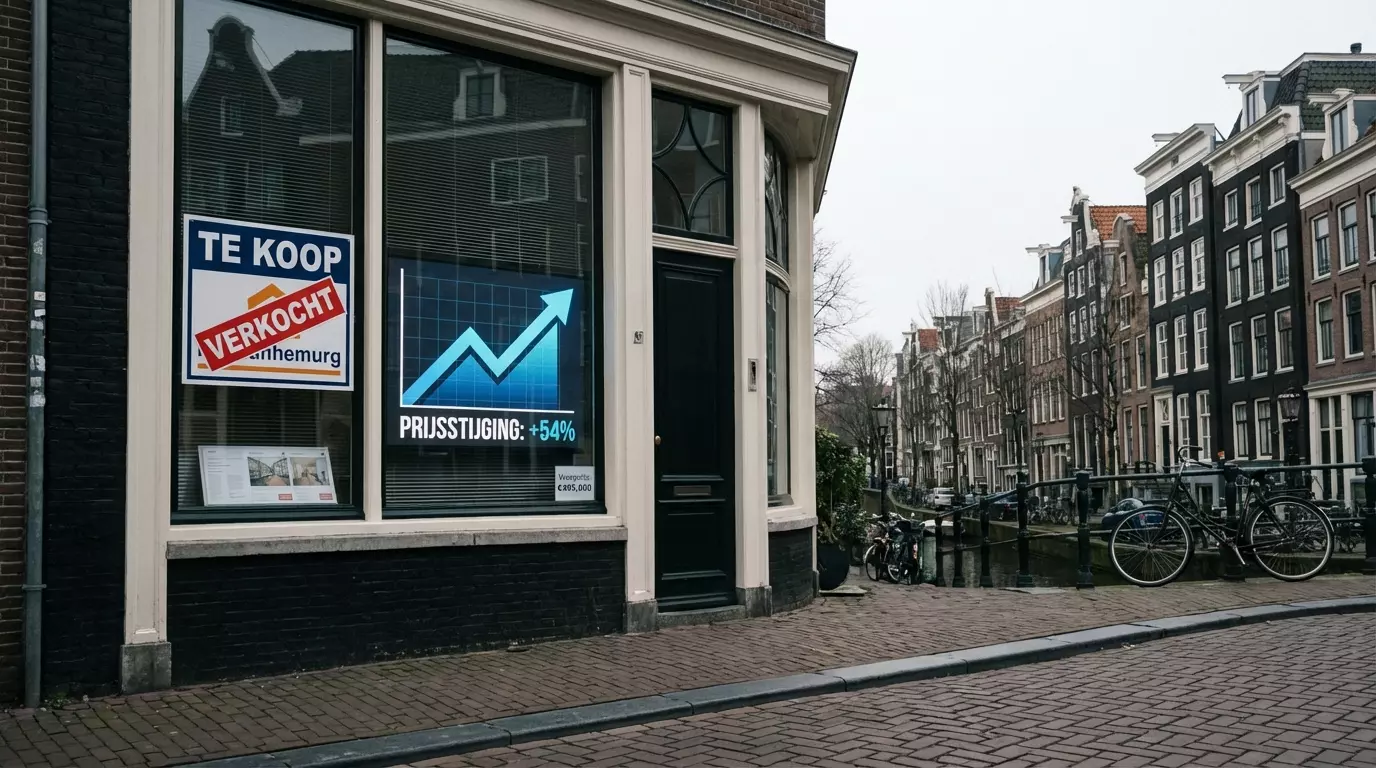
Dutch Housing Market Soars to Record Highs
The Netherlands is experiencing an unprecedented boom in its residential property sector, with home prices climbing to levels that would have seemed unimaginable just a few years ago. According to recent data from January 2026, the average price of a Dutch home has skyrocketed by an astonishing 54%, now sitting at €493,875. This dramatic increase has sent shockwaves through the housing market, affecting everyone from first-time buyers to seasoned investors and property developers across the country.
This surge represents one of the most significant property value increases in recent European history, positioning the Dutch housing market as one of the continent’s hottest real estate sectors. The implications of this growth extend far beyond simple statistics, touching the lives of millions of Dutch residents who are either struggling to enter the property market or watching their existing investments appreciate at remarkable rates. Understanding the factors behind this explosive growth is crucial for anyone involved in or affected by the Dutch housing landscape.
Average Home Price Reaches Nearly €500,000
The milestone of nearly half a million euros for an average home marks a pivotal moment in Dutch real estate history. At €493,875, the typical Dutch property now costs significantly more than comparable homes in many neighboring European countries, making the Netherlands one of the most expensive housing markets on the continent. This price point represents a dramatic shift from just a few years ago when the average home was considerably more accessible to middle-class families and young professionals looking to establish themselves in the property market.
The distribution of these prices varies considerably across different regions of the Netherlands, with major urban centers commanding premium rates. Cities like Amsterdam, Rotterdam, Utrecht, and The Hague have seen even steeper increases, with properties in desirable neighborhoods often exceeding the national average by substantial margins. Meanwhile, rural areas and smaller towns, while also experiencing growth, remain relatively more affordable, though the gap is steadily narrowing as buyers priced out of major cities seek alternatives in surrounding regions.
What’s Driving the 54% Surge in Property Values
Multiple interconnected factors have contributed to this extraordinary 54% increase in Dutch home prices, creating a perfect storm of conditions that have propelled values upward. The primary driver has been a persistent shortage of available housing stock, with construction failing to keep pace with population growth and increasing household formation. The Netherlands has struggled with housing supply issues for years, and despite government initiatives to boost construction, the gap between supply and demand continues to widen, putting relentless upward pressure on prices.
Low interest rates, though gradually rising, have made mortgages more accessible for those who can secure them, effectively increasing purchasing power and allowing buyers to bid higher prices. Additionally, the Dutch economy has remained relatively robust, with strong employment figures and wage growth in key sectors supporting buyers’ ability to take on larger mortgages. According to Eurostat, the Netherlands has maintained one of the strongest economic performances in the European Union, further fueling housing demand. Other contributing factors include:
- Foreign investment in Dutch real estate, particularly from international buyers seeking stable European assets
- Limited availability of rental properties driving more people toward homeownership
- Urban migration patterns concentrating demand in already tight markets
- Regulatory changes affecting property development and land use
- Cultural preferences for homeownership over renting among Dutch residents
The combination of these elements has created a self-reinforcing cycle where rising prices generate expectations of further increases, prompting buyers to enter the market sooner rather than later, which in turn drives prices even higher. This phenomenon has been particularly pronounced in the Netherlands due to its relatively small geographic size and high population density, which naturally limit the availability of developable land for new housing projects.
Future Outlook for Dutch Homebuyers and Sellers
For prospective homebuyers, the outlook presents significant challenges that require careful consideration and strategic planning. First-time buyers are finding it increasingly difficult to enter the market, with many requiring substantial financial assistance from family members or facing the prospect of extended periods of saving for down payments. The €493,875 average price point means that even with favorable mortgage terms, buyers need substantial incomes to qualify for financing, effectively pricing out large segments of the population from homeownership opportunities.
However, the market may be approaching a turning point as affordability constraints begin to limit the pool of qualified buyers. Economic experts suggest that the rate of price increases may moderate in coming years, though few predict an actual decline in values. Government interventions, including plans to accelerate housing construction and implement measures to cool speculative investment, could help stabilize the market. For sellers, current conditions remain highly favorable, with properties often receiving multiple offers and selling above asking prices, though this advantage may diminish as market dynamics shift.
Looking ahead, several scenarios could unfold in the Dutch housing market:
- Gradual stabilization: Price growth slows to more sustainable levels as supply increases and affordability limits are reached
- Regional divergence: Major cities continue seeing strong appreciation while smaller markets level off or decline
- Policy intervention effects: Government measures to increase supply and limit speculation begin to moderate price growth
- Economic sensitivity: Any economic downturn could quickly cool the overheated market and reduce buyer demand
- Interest rate impact: Rising borrowing costs could significantly affect buyer purchasing power and market activity
The European Central Bank’s monetary policy decisions will play a crucial role in determining the trajectory of Dutch home prices, as interest rate adjustments directly impact mortgage affordability and buyer behavior. Additionally, demographic trends, including immigration patterns and household formation rates, will continue influencing long-term demand for housing across the Netherlands.
In Short
The Dutch housing market’s dramatic 54% price surge, bringing the average home to €493,875, represents a watershed moment in the nation’s real estate history. This unprecedented growth reflects a complex interplay of supply shortages, economic strength, low interest rates, and demographic pressures that have combined to create one of Europe’s most expensive housing markets. While current homeowners have benefited from substantial equity gains, the affordability crisis has intensified for aspiring buyers, particularly first-time purchasers and younger generations.
The path forward remains uncertain, with potential scenarios ranging from continued growth to market stabilization or even correction. Government policies, economic conditions, interest rate trends, and construction activity will all play critical roles in shaping the market’s future. For those navigating this challenging landscape, whether buying, selling, or simply monitoring their housing investments, understanding these dynamics is essential for making informed decisions in an increasingly complex and expensive Dutch property market.
Frequently Asked Questions
What is the current average home price in the Netherlands?
As of January 2026, the average home price in the Netherlands stands at €493,875, representing a 54% increase from previous levels. This figure varies significantly by region, with major cities typically exceeding this average.
Why have Dutch home prices increased so dramatically?
The surge is primarily driven by a severe housing shortage, with construction failing to meet demand. Additional factors include low interest rates, strong economic performance, limited rental availability, foreign investment, and high population density limiting developable land.
Is now a good time to buy property in the Netherlands?
This depends on individual circumstances. While prices are high, waiting could mean facing even higher prices if growth continues. However, potential buyers should carefully assess affordability, consider their long-term plans, and be prepared for possible market corrections.
How do Dutch home prices compare to other European countries?
The Netherlands now ranks among Europe’s most expensive housing markets, with prices exceeding many neighboring countries. Only markets like Luxembourg and certain regions in Switzerland and Norway consistently show higher average prices.
Will Dutch home prices continue to rise?
While past performance suggests continued growth, affordability constraints and potential government interventions may moderate future increases. Most experts predict slower growth rather than dramatic price declines, though economic conditions could alter this outlook.
What can first-time buyers do in this expensive market?
First-time buyers should maximize savings for larger down payments, explore less expensive regions, consider smaller properties or fixer-uppers, investigate first-time buyer programs, and potentially seek family assistance or consider co-buying arrangements with partners or friends.
Are there government programs to help with housing affordability?
The Dutch government has implemented various measures including first-time buyer incentives, plans to accelerate construction, and regulations on investment properties. Prospective buyers should research current programs through local municipalities and national housing authorities.
How does the 54% increase affect renters?
Rising home prices typically correlate with increasing rental costs as property investors pass along higher acquisition costs. This makes saving for a down payment even more challenging for renters aspiring to homeownership, potentially trapping them in a difficult cycle.



Join The Discussion