

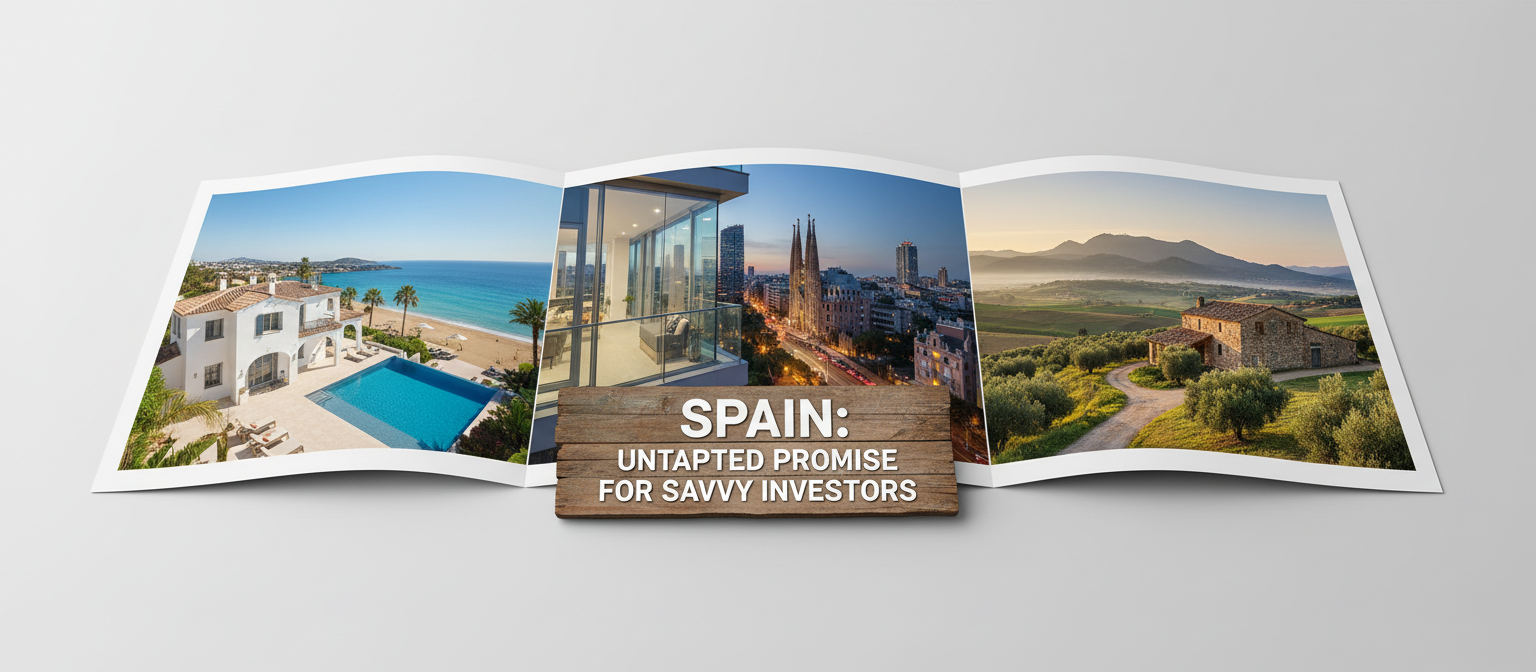
Discover Spain’s Prime Property Markets: Your Complete Investment Guide
Spain continues to captivate international property buyers with its diverse real estate offerings, from sun-drenched Mediterranean coastlines to historic city centers and tranquil rural estates. The Spanish property market has shown remarkable resilience and growth, making it an attractive destination for both lifestyle seekers and savvy investors looking to capitalize on the country’s enduring appeal. Whether you’re drawn to the cosmopolitan energy of major cities, the relaxed rhythm of coastal living, or the authentic charm of countryside properties, Spain delivers options to match every preference and budget.
Understanding where to invest your money in Spain’s property market requires careful consideration of location, lifestyle preferences, and long-term value prospects. Each region offers distinct advantages, from rental yield potential in tourist hotspots to capital appreciation in emerging neighborhoods. This comprehensive guide explores Spain’s most promising property markets across urban centers, coastal communities, and rural retreats, providing essential insights to help you make an informed investment decision that aligns with your goals and aspirations.
Top Spanish Cities for Property Investment
Spain’s major cities represent powerhouses of economic activity, cultural richness, and property investment potential. Madrid, the nation’s capital, leads the urban property market with its robust economy, excellent infrastructure, and steady demand from both domestic and international buyers. The city’s diverse neighborhoods cater to different budgets and preferences, from the upscale Salamanca district with its elegant 19th-century architecture to the trendy Malasaña area popular with young professionals. Madrid’s property market benefits from strong rental demand driven by students, expats, and business travelers, offering investors reliable income streams alongside long-term capital growth potential.
Barcelona, Spain’s second-largest city, combines Mediterranean charm with cosmopolitan sophistication, making it perpetually popular among property seekers. The Catalan capital’s unique blend of Gaudí architecture, beach access, and thriving business scene creates consistent demand across all property segments. Neighborhoods like Eixample offer classic modernist apartments, while the Gothic Quarter provides characterful properties in historic buildings. Valencia has emerged as an increasingly attractive alternative to Barcelona and Madrid, offering similar urban amenities at more accessible price points. The city’s combination of beaches, parks, futuristic architecture, and Spain’s third-largest economy makes it an excellent choice for buyers seeking value without compromising on lifestyle quality or investment potential.
Coastal Gems: Spain’s Best Beach Towns
The Costa del Sol remains Spain’s most established coastal property market, with Marbella standing out as the jewel in the crown. This sophisticated resort town attracts affluent international buyers with its luxury marina, championship golf courses, and year-round pleasant climate. Properties range from exclusive beachfront villas in the Golden Mile to modern apartments in Puerto Banús, catering to various budgets while maintaining the area’s upscale reputation. The region’s mature tourism infrastructure ensures strong rental income potential, particularly during peak summer months and the increasingly popular winter season when northern Europeans seek mild weather escapes.
Moving up the eastern coastline, the Costa Blanca presents compelling opportunities for beach property investment at more moderate price points. Towns like Alicante, Javea, and Denia offer pristine beaches, authentic Spanish culture, and well-established expat communities without the premium pricing of the Costa del Sol. According to Idealista, Spain’s leading property portal, coastal areas in the Valencia region have experienced consistent price growth while remaining accessible to middle-market buyers. The Costa Brava in Catalonia provides another attractive coastal option, with charming fishing villages like Cadaqués and Begur offering scenic beauty and cultural authenticity. These northern Mediterranean towns appeal to buyers seeking a more traditional Spanish coastal experience away from mass tourism developments, with properties often featuring stunning sea views and proximity to both beaches and medieval inland villages.
Countryside Retreats Worth Your Money
Spain’s rural property market offers exceptional value for buyers seeking space, tranquility, and authentic cultural immersion. Andalusia’s countryside presents some of the most picturesque and affordable rural properties, from traditional cortijos (farmhouses) surrounded by olive groves to charming village houses in whitewashed pueblos blancos. The provinces of Granada, Málaga, and Jaén combine stunning natural landscapes with rich history and remarkably low property prices compared to coastal and urban areas. These regions attract buyers looking to renovate characterful properties, establish rural tourism businesses, or simply enjoy a slower pace of life in spectacular surroundings with relatively mild year-round climates.
The northern regions of Spain, including Catalonia’s interior, Aragón, and parts of Castile and León, offer diverse countryside property options with distinct seasonal appeal. These areas feature everything from stone farmhouses requiring restoration to fully modernized rural estates with land for agricultural or equestrian pursuits. The growing trend of remote work has increased demand for countryside properties with good internet connectivity, particularly those within reasonable distance of major cities or airports. According to recent property market analysis, rural properties in Spain offer the highest value per square meter, with many buyers acquiring substantial land and buildings for prices that would secure only a modest apartment in major cities. The countryside market particularly suits buyers prioritizing space, privacy, and connection to nature over urban conveniences and coastal tourism infrastructure.
What to Know Before Buying in Spain
Understanding Spain’s property purchase process is essential for avoiding complications and ensuring a smooth transaction. Foreign buyers enjoy the same property rights as Spanish nationals, but the purchasing process involves specific legal requirements and costs beyond the purchase price. Buyers should budget approximately 10-15% of the property price for additional expenses including transfer tax (6-10% depending on region), notary fees, land registry costs, and legal fees. Engaging an independent, English-speaking lawyer specializing in Spanish property law is crucial for conducting proper due diligence, verifying property titles, checking for debts or encumbrances, and ensuring all documentation is correctly processed.
The fiscal implications of owning Spanish property extend beyond the initial purchase. Non-resident property owners must file annual tax returns in Spain, declaring the property and paying taxes on imputed rental income even if the property isn’t rented out. If you do rent the property, rental income is taxed at 24% for non-EU residents and 19% for EU citizens. Property owners also pay annual local taxes (IBI) similar to council tax, plus community fees for apartments and urbanizations. It’s worth noting that Spain offers a Golden Visa program for non-EU nationals who invest at least €500,000 in Spanish real estate, granting residency rights that many investors find valuable. Understanding these ongoing costs and obligations helps buyers make realistic budgets and avoid unpleasant financial surprises after completing their purchase.
In Short
Spain’s property market offers remarkable diversity, catering to every lifestyle preference and investment strategy across its vibrant cities, stunning coastlines, and peaceful countryside. Whether you’re attracted to Madrid’s metropolitan energy, Marbella’s coastal luxury, Valencia’s balanced urban-beach lifestyle, or Andalusia’s rural charm, the Spanish property landscape provides compelling opportunities for both residential enjoyment and investment returns. The key to successful property acquisition lies in thorough research, understanding your priorities, and recognizing that each region delivers distinct advantages in terms of climate, culture, amenities, and value proposition.
Making an informed property decision in Spain requires looking beyond beautiful photographs to consider practical factors like ongoing costs, tax obligations, rental potential, and long-term appreciation prospects. Engaging qualified professionals including independent lawyers, reputable estate agents, and tax advisors ensures you navigate the purchase process confidently while protecting your interests. With careful planning, realistic budgeting, and clear understanding of what each region offers, buying property in Spain can fulfill lifestyle dreams while representing a sound financial investment in one of Europe’s most appealing and culturally rich countries.
Frequently Asked Questions
What is the average property price in Spain?
Average property prices vary significantly by region, with Madrid and Barcelona commanding approximately €4,000-5,000 per square meter in desirable neighborhoods, while coastal areas range from €2,000-4,000 per square meter, and rural properties can cost as little as €800-1,500 per square meter. Luxury coastal markets like Marbella exceed these averages considerably.
Can foreigners buy property anywhere in Spain?
Yes, foreign nationals can purchase property throughout Spain with very few restrictions. Non-EU buyers may face limitations only in designated military zones or border areas, which rarely affects typical residential property purchases. All foreign buyers must obtain a NIE (Número de Identificación de Extranjero) tax identification number before completing a purchase.
What are the annual costs of owning property in Spain?
Annual ownership costs typically include IBI property tax (0.4-1.1% of cadastral value), community fees for apartments (€600-3,000+ annually depending on facilities), utilities, insurance (€300-600 annually), and non-resident income tax on imputed rental value. Total annual costs generally range from 1-3% of the property’s value.
Is it better to buy property on the coast or in cities?
The choice depends on your priorities: coastal properties offer lifestyle benefits and strong holiday rental potential but may have seasonal demand fluctuations, while city properties typically provide more consistent year-round rental income, better capital appreciation, and superior infrastructure. Cities suit investors prioritizing returns, while coastal areas appeal to lifestyle-focused buyers.
How long does the Spanish property buying process take?
The typical Spanish property purchase takes 8-12 weeks from offer acceptance to completion, though cash purchases can complete faster (4-6 weeks) while mortgage-financed purchases may take longer. Delays can occur with complex title issues, obtaining mortgages as a non-resident, or during peak summer holiday periods when legal professionals have reduced availability.
Do I need to speak Spanish to buy property in Spain?
While not strictly necessary, having Spanish language skills or working with bilingual professionals significantly smoothens the process. Most lawyers and agents in popular expat areas speak English, and all official documents must be translated for non-Spanish speakers. However, understanding basic Spanish helps with ongoing property management, dealing with utilities, and integrating into local communities.

Join The Discussion