

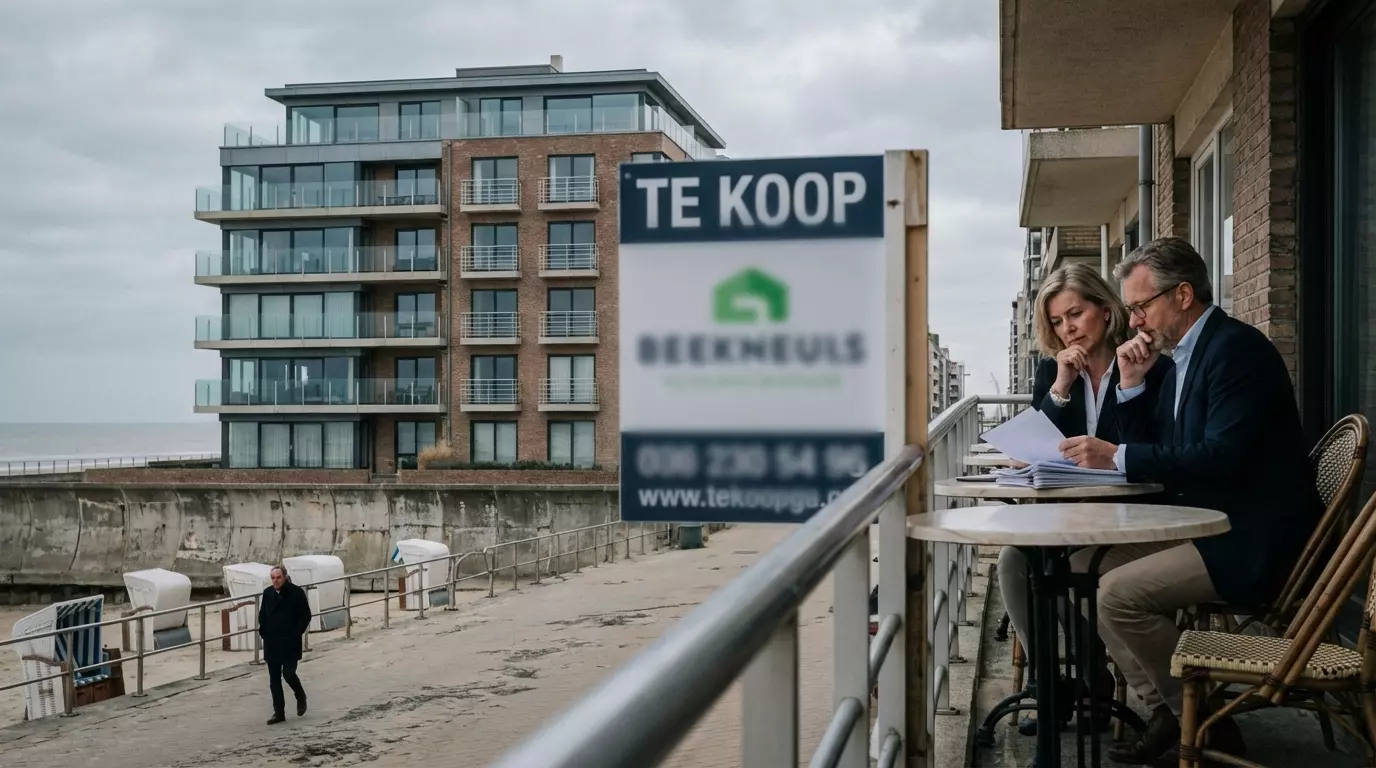
Belgium Ends Coastal Tax Haven Status
Belgium’s picturesque coastline has long been a favorite destination for property investors seeking favorable tax conditions. For decades, coastal municipalities have enjoyed special tax status that made owning second homes and investment properties significantly more affordable than in other parts of the country. However, this era is coming to an abrupt end as the Belgian government implements sweeping tax reforms that will fundamentally reshape the coastal property market.
The changes represent a major policy shift that aims to standardize property taxation across Belgium. Coastal towns like Knokke-Heist, De Panne, and Oostende have historically maintained lower property tax rates, creating what many critics called an unfair advantage and a tax haven for wealthy property owners. The new regulations will gradually align these rates with national standards, effectively ending the preferential treatment that has defined the Belgian coast for generations.
Property Owners Face Higher Tax Bills
Second home owners along the Belgian coast are bracing for substantial increases in their annual property tax obligations. The tax shake-up will see property taxes rise incrementally over the coming years, with some estimates suggesting increases of 30 to 50 percent for certain property types. This dramatic shift will particularly impact owners of luxury apartments and beachfront villas who have benefited most from the previous tax advantages.
The financial implications extend beyond just the annual tax bill. Property owners must now recalculate the overall cost of ownership, including maintenance, utilities, and the new higher tax burden. Many who purchased coastal properties specifically for the tax benefits are now questioning whether their investments remain viable. Local tax experts predict that some owners may struggle to absorb these additional costs, especially those who rent out their properties seasonally and operate on tight profit margins.
Second Home Market Under Pressure
The Belgian coastal property market is already showing signs of stress as the reality of higher taxes sets in. Real estate agents report increased listings as some property owners attempt to sell before the full tax increases take effect. This surge in supply, combined with decreased buyer interest due to the less favorable tax environment, is creating downward pressure on property values in previously sought-after coastal communities.
The situation is particularly challenging for the second home market, which represents a significant portion of coastal real estate. According to recent housing market data, Belgium already has one of the highest rates of second home ownership in Europe. The coastal municipalities have been especially popular for Brussels residents and international buyers seeking weekend retreats. However, with the tax advantages disappearing, the appeal of owning a second property on the Belgian coast has diminished considerably, leading to a cooling effect across the entire market segment.
Investors Rethink Belgian Coast Strategy
Property investors who built portfolios around the favorable coastal tax regime are now conducting comprehensive reviews of their Belgian holdings. Many are comparing the new tax landscape with alternative investment opportunities in neighboring countries like France and the Netherlands. The calculation that once made Belgian coastal property attractive has fundamentally changed, prompting some investors to divest entirely from the market.
The shift is also affecting new investment patterns along the coast. Developers who planned projects based on the old tax structure are reassessing their plans, and some have already canceled or postponed construction projects. European property investment trends suggest that capital is increasingly mobile, and investors will quickly redirect funds to more favorable markets. Local economic development officials worry that the tax changes could trigger a broader economic slowdown in coastal communities that depend heavily on the property market and related services.
Market Adaptation and Future Outlook
Despite the challenges, some market observers believe the coastal property sector will eventually stabilize at new equilibrium prices. The Belgian coast still offers unique advantages, including proximity to major European cities, excellent infrastructure, and natural beauty. Properties may simply need to be repriced to reflect the new tax reality, potentially making them more accessible to local buyers who were previously priced out by investors.
Coastal municipalities are also exploring ways to maintain their attractiveness despite higher taxes. Some are investing in improved amenities, better public transportation, and enhanced coastal protection measures. The goal is to add value that justifies the higher cost of ownership. Additionally, local governments are developing strategies to attract year-round residents rather than relying so heavily on the second home market, which could create a more sustainable economic base for coastal communities.
Impact on Local Communities
The end of preferential tax treatment carries significant implications for coastal towns beyond just the property market. These communities have structured their budgets and services around the revenue from property taxes, and the transition period may create fiscal challenges. Local officials must balance the need to maintain services with the political pressure to keep tax increases reasonable for permanent residents who may not have the same financial resources as second home owners.
There are also social considerations at play. Many coastal communities have struggled with the hollowing out effect of second homes, where properties sit empty for much of the year, reducing community vitality. The tax changes might inadvertently address this issue by making second home ownership less attractive and potentially freeing up properties for permanent residents. However, this transition could be painful for local businesses that cater primarily to the second home market and seasonal visitors.
Frequently Asked Questions
When will the new coastal property taxes take effect?
The tax increases are being phased in gradually over several years, with the first increases already implemented in some municipalities. The full alignment with national tax rates is expected to be completed within the next three to five years, depending on the specific coastal municipality.
Will permanent residents also face higher property taxes?
Yes, the tax changes affect all property owners in coastal municipalities, though the impact may be less severe for primary residences. Some municipalities are exploring ways to provide relief for permanent residents while ensuring second home owners pay their full share under the new system.
Can property owners appeal the new tax assessments?
Property owners have the right to appeal their tax assessments through standard administrative procedures. However, the fundamental policy change eliminating preferential coastal tax rates cannot be appealed, as it reflects a legislative decision at the national level.
How will this affect property values along the coast?
Property values are expected to adjust downward to reflect the higher ongoing costs of ownership. The extent of the decline will vary by location and property type, with luxury second homes likely experiencing the most significant value corrections.
Are there any exemptions to the new tax rules?
Limited exemptions may exist for certain historic properties or specific circumstances, but the general policy is to apply the new tax rates uniformly across all coastal properties to ensure fairness and eliminate the tax haven status.
In Short
The end of Belgium’s coastal tax haven represents a watershed moment for the country’s property market. Decades of preferential tax treatment that made the Belgian coast an attractive destination for second home owners and investors are coming to an end, replaced by a standardized tax regime that aligns coastal municipalities with the rest of the country. Property owners face substantially higher tax bills, with increases of 30 to 50 percent expected for many properties.
The market is already responding with increased selling pressure, declining buyer interest, and falling property values in some areas. Investors are reassessing their strategies, and some are redirecting capital to other markets with more favorable conditions. While the transition will be challenging for property owners and coastal communities alike, the long-term effects may include more affordable housing for permanent residents and more vibrant year-round communities. The Belgian coastal property market will eventually find a new equilibrium, but the adjustment period promises to be difficult for those who built their investment strategies around the now-defunct tax advantages.


Join The Discussion