

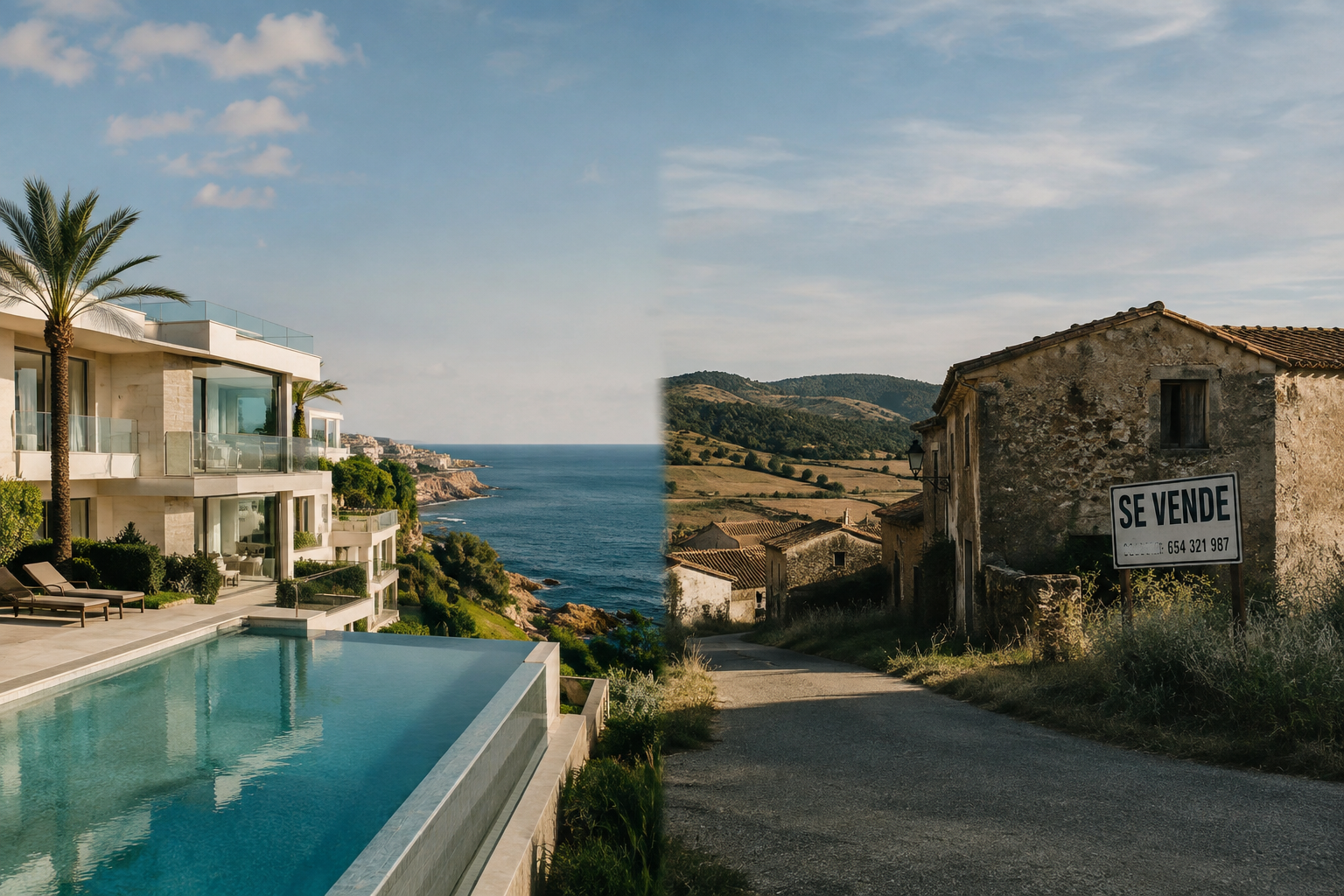
Spain’s Property Market Fractures Into Two Distinct Realities
Spain’s housing landscape is undergoing a dramatic transformation, and the numbers tell a story of two very different countries existing within the same borders. While international buyers continue to flock to sun-soaked coastal regions, pushing prices to unprecedented heights, vast swathes of inland Spain are watching property values stagnate or decline. This growing chasm between coastal and inland markets isn’t just a passing trend, it’s reshaping how Spaniards think about homeownership, investment, and where they choose to build their futures.
This divide has become so pronounced that experts are now discussing two separate housing markets operating under one national umbrella. Understanding this split matters enormously for anyone considering buying, selling, or investing in Spanish real estate, whether you’re a local resident or an international buyer eyeing that dream Mediterranean villa.
Spain’s Housing Market Shows a Growing Divide
The fracture in Spain’s property sector has been building for years, but recent data confirms what many industry insiders had suspected: the gap between thriving coastal markets and struggling inland regions has reached a critical point. Cities and towns along the Mediterranean coast, the Balearic Islands, and popular tourist destinations are experiencing price surges that outpace wage growth by significant margins. Meanwhile, smaller inland towns and rural provinces are dealing with population decline, limited job opportunities, and a corresponding drop in housing demand.
This isn’t simply about geography, it reflects deeper economic and social patterns reshaping the entire country. Foreign investment, remote work trends, and tourism-driven demand have concentrated wealth and property interest in specific hotspots, while traditional inland communities lose residents to urban centers and coastal cities. The Bank of Spain has noted in recent reports that this regional disparity is becoming a structural feature of the Spanish economy rather than a temporary market fluctuation, raising questions about long-term sustainability and regional equality across the nation.
Coastal Hotspots Keep Prices Climbing Higher
Along Spain’s coastline, the property market shows no signs of cooling down. Regions like the Costa del Sol, Costa Blanca, and the Balearic Islands continue attracting waves of international buyers, particularly from Northern Europe, the UK, and increasingly from North America. Cities such as Marbella, Alicante, and Palma de Mallorca have seen average property prices climb by double-digit percentages over recent years, driven largely by foreign purchasing power and limited housing supply in these desirable locations.
The appeal is obvious: year-round sunshine, established expat communities, excellent infrastructure, and the lifestyle benefits that come with coastal living. Consider these factors driving coastal price increases:
- Limited land availability for new construction in prime coastal zones
- Strong tourism rental yields attracting investor buyers
- International demand from buyers seeking second homes or retirement properties
- Improved connectivity through low-cost flights connecting Spanish coasts to major European cities
- Currency advantages for buyers from stronger currency countries
This combination of factors has created something of a perfect storm for price appreciation. In some coastal municipalities, property values have increased by over 15% year-on-year, according to recent market analysis. Luxury developments in areas like Marbella’s Golden Mile continue to sell at premium prices, often to buyers who never intend to become permanent residents but rather use these properties as holiday homes or rental investments. This dynamic has created a two-tier system even within coastal areas themselves, where local residents increasingly find themselves priced out of markets they’ve called home for generations.
Inland Towns Struggle With Falling Demand
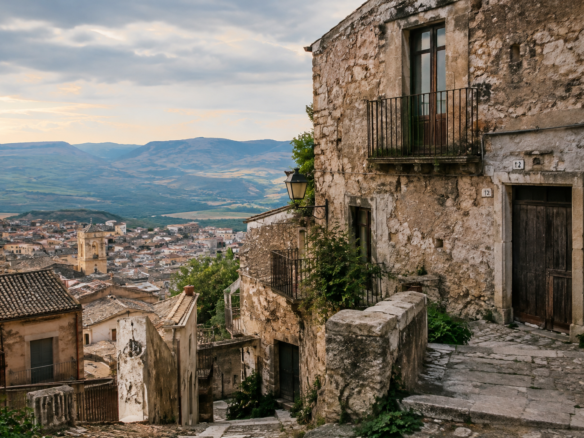
The story couldn’t be more different once you move away from the coast. Provinces in central and northwestern Spain, including parts of Castilla y León, Extremadura, and rural Aragón, are experiencing what demographers call “España vaciada” or “emptied Spain.” These regions have watched their populations decline steadily for decades as young people migrate toward cities and coastal areas in search of employment and opportunity.
The consequences for local property markets have been severe. In many small towns, houses sit on the market for years without attracting serious buyer interest. Some properties have been reduced in price by 20% or more without generating offers, while others remain listed indefinitely as owners hold out for buyers who may never materialize. The situation has created a stark contrast in market dynamics:
| Factor | Coastal Markets | Inland Markets |
|---|---|---|
| Average price growth | 10-15% annually | 0-2% or declining |
| Buyer demographic | International, investment-focused | Predominantly local |
| Property turnover time | Weeks to months | Often years |
| Population trend | Growing or stable | Declining |
| Foreign investment interest | High | Minimal |
| Rental demand | Strong (tourism) | Weak |
This divergence creates real challenges for local economies dependent on property taxes and construction activity. Local governments in these declining areas struggle to fund public services as their tax base shrinks alongside population numbers. Some municipalities have even offered incentives, including free or heavily discounted properties, to attract new residents willing to relocate and revitalize these communities. Despite these efforts, the fundamental economic pull toward coastal and urban centers remains difficult to counteract, leaving inland Spain grappling with a housing surplus that shows little sign of resolving naturally.
What This Split Means for Buyers and Sellers
For prospective buyers, this market fragmentation creates both opportunities and challenges depending on your goals and financial situation. Those seeking investment properties with strong appreciation potential and rental income continue looking toward coastal regions, despite higher entry costs. However, buyers prioritizing affordability, space, and a quieter lifestyle might find exceptional value in Spain’s overlooked inland markets, where a fraction of coastal prices can secure substantial properties with land.
Sellers face an entirely different calculus depending on their location. Coastal property owners generally find themselves in advantageous positions, able to command competitive prices and often receiving multiple offers, particularly for well-located or renovated properties. Inland sellers, conversely, need realistic expectations about pricing and timeline, potentially requiring more patience or willingness to negotiate significantly from initial asking prices. Here’s what different market participants should consider:
For coastal buyers:
- Act quickly on desirable properties given competitive demand
- Factor in potential rental income to offset purchase costs
- Consider slightly less popular coastal areas for better value
- Budget for premium prices in established expat hotspots
For inland buyers:
- Negotiate confidently given buyer’s market conditions
- Research local employment prospects before committing
- Consider renovation potential for older properties
- Evaluate connectivity to larger cities for practical living
For sellers everywhere:
- Understand your specific local market conditions before pricing
- Consider professional staging and marketing regardless of location
- Be realistic about timeline expectations based on regional demand
- Explore both local and international marketing channels where appropriate
This market split ultimately reflects broader economic realities affecting Spain and similar countries across Europe. Urban and coastal concentration of wealth and opportunity, combined with rural depopulation, creates lasting effects on property values that extend far beyond simple supply and demand calculations. Understanding these regional dynamics has become essential for anyone navigating Spain’s property market, whether buying a first home, seeking investment opportunities, or planning eventual retirement in the Spanish sunshine.
In Short
Spain’s property market has genuinely split into two distinct realities, with coastal regions experiencing robust price growth driven by international demand and tourism, while inland areas contend with declining populations and stagnant or falling property values. This divergence isn’t temporary, it represents fundamental economic and demographic shifts likely to continue shaping Spanish real estate for years ahead. Whether you’re drawn to Marbella’s glamorous coastline or considering the untapped potential of rural Castilla y León, understanding these market dynamics proves essential for making informed property decisions in today’s fractured Spanish housing landscape.
FAQ
Why are coastal property prices in Spain rising so quickly?
Coastal prices are climbing due to strong international demand, limited available land for new construction, excellent tourism rental yields, and lifestyle appeal that attracts buyers from across Europe and beyond.
Is it a good time to buy property in inland Spain?
For buyers seeking value and space rather than investment appreciation, inland Spain currently offers significant opportunities given lower prices and more negotiating power compared to competitive coastal markets.
Which Spanish coastal areas are seeing the highest price increases?
The Costa del Sol, Costa Blanca, and Balearic Islands, particularly cities like Marbella and Palma de Mallorca, have experienced some of the most significant price growth in recent years.
What is “España vaciada” and how does it affect property values?
“España vaciada” refers to rural Spanish regions experiencing significant population decline, which directly correlates with reduced housing demand and stagnant or falling property values in these areas.
Can foreign buyers purchase property anywhere in Spain?
Yes, foreign buyers face no restrictions on purchasing property throughout Spain, though the concentration of international interest remains heavily weighted toward coastal and tourist-popular regions.
Join The Discussion