

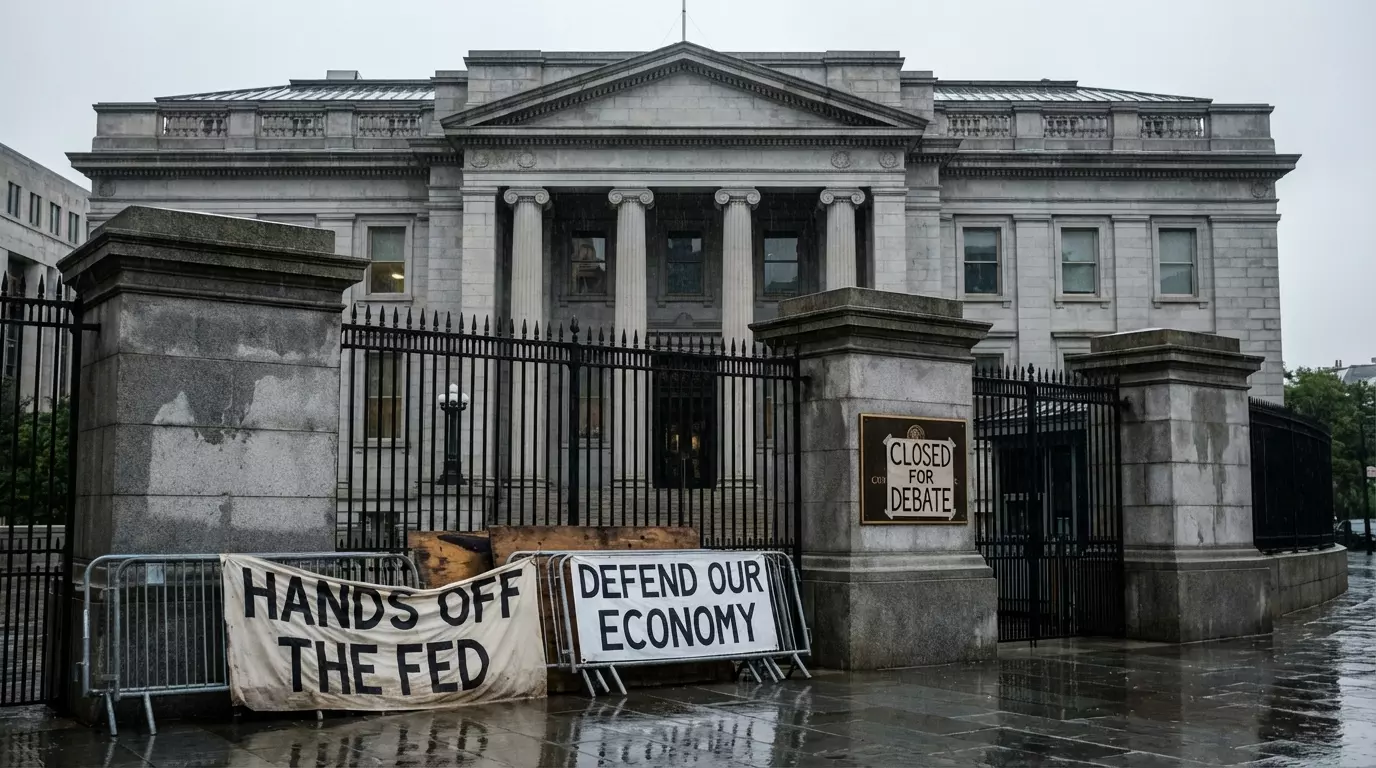
Central Banks Under Fire: The Battle for Monetary Independence in 2026
The relationship between central banks and governments has always been delicate, but recent developments suggest this balance is crumbling. As we move through 2026, monetary authorities worldwide find themselves in an unprecedented struggle to maintain their autonomy while facing mounting political pressure from elected officials who want greater control over interest rate decisions.
This escalating tension comes at a critical moment when inflation remains a concern in many economies, and the decisions made by central bankers have direct impacts on millions of citizens. The question now isn’t whether political interference will continue, but rather what price the global economy will pay if these independent institutions lose their ability to operate free from governmental influence.
Central Banks Face Growing Political Heat
Central banking institutions across multiple continents are experiencing intense scrutiny from politicians who believe monetary policy should align more closely with government objectives. The Federal Reserve, European Central Bank, and other major monetary authorities have reported increased attempts by political figures to influence their decision-making processes, particularly regarding interest rate adjustments that affect economic growth and employment figures.
This pressure manifests in various forms, from public criticism of rate decisions to legislative proposals that would restructure central bank governance. Politicians argue that unelected officials shouldn’t wield such significant power over economic outcomes that directly affect voters’ livelihoods. However, central bankers warn that yielding to short-term political demands could undermine decades of carefully constructed frameworks designed to maintain price stability and sustainable economic growth.
Independence Under Threat Across the Globe
The assault on central bank autonomy isn’t limited to any single region or political ideology. In emerging markets and developed economies alike, governments are testing the boundaries of what has long been considered sacrosanct: the separation of monetary policy from political cycles. Recent incidents in Turkey, Argentina, and several Eastern European nations have demonstrated how quickly central bank independence can erode when political will determines monetary decisions.
According to research from the Bank for International Settlements, countries with less independent central banks historically experience higher inflation rates and more volatile economic cycles. The data shows that nations scoring in the top quartile for central bank independence maintain average inflation rates 2-3 percentage points lower than those with politically influenced monetary authorities. Despite this evidence, the trend toward greater political control continues to gain momentum, with approximately 40% of surveyed central banks reporting increased political pressure compared to five years ago.
Why Governments Are Targeting Rate Setters
Several factors drive this political offensive against monetary independence. First, the prolonged period of high interest rates needed to combat post-pandemic inflation has created economic pain that politicians find difficult to explain to constituents. Homeowners facing higher mortgage payments and businesses struggling with increased borrowing costs naturally turn to their elected representatives for relief, creating pressure to influence rate-setting committees.
Second, the expanding role of central banks beyond traditional monetary policy has blurred the lines between technical decision-making and political choices. During the COVID-19 crisis, monetary authorities ventured into areas like corporate bond purchases and climate-related financial regulations, decisions that many argue have inherent political dimensions. This mission creep has given politicians justification to claim greater oversight is necessary. Additionally, some governments facing fiscal constraints see lower interest rates as a way to reduce debt servicing costs, creating a direct conflict of interest between sound monetary policy and political expediency.
The Political Economic Cycle
The timing of these political attacks often correlates with electoral cycles:
- Pre-election periods see increased demands for rate cuts to stimulate growth
- Post-election governments may seek to blame previous monetary policy for economic problems
- Mid-term periods typically show the most direct attempts to restructure central bank governance
- Economic downturns amplify calls for political intervention regardless of election timing
Key Motivations Behind Political Pressure
- Debt management: Lower rates reduce government borrowing costs
- Growth targets: Politicians prioritize short-term economic expansion
- Employment figures: Central bank policies directly impact job creation
- Housing affordability: Interest rates determine mortgage accessibility
- Currency manipulation: Some governments seek competitive devaluation
The Cost of Losing Monetary Policy Freedom
The consequences of compromised central bank independence extend far beyond theoretical concerns about institutional integrity. Historical evidence demonstrates that when monetary policy becomes subordinate to political objectives, economies suffer tangible and lasting damage. Inflation expectations become unanchored, meaning businesses and consumers lose confidence in the currency’s future purchasing power, leading to wage-price spirals that prove difficult to break.
Financial markets react swiftly to perceived threats to central bank autonomy. Bond yields typically rise as investors demand higher compensation for inflation risk, increasing borrowing costs for governments, businesses, and households. Currency values often decline as international investors seek safer havens, making imports more expensive and further fueling inflation. The International Monetary Fund estimates that a significant loss of central bank independence could reduce GDP growth by 0.5-1.5 percentage points annually while adding 3-5 percentage points to inflation rates over a five-year period.
Comparative Impact Analysis
| Scenario | Inflation Rate | GDP Growth | Currency Stability | Investment Climate |
|---|---|---|---|---|
| Strong Independence | 2-3% | 2.5-3.5% | High | Attractive |
| Moderate Pressure | 4-6% | 1.5-2.5% | Medium | Cautious |
| Political Control | 8-15% | 0-1.5% | Low | Risk Averse |
Long-term Economic Consequences
The erosion of monetary independence creates cascading effects:
- Credibility loss: Once compromised, institutional trust takes decades to rebuild
- Capital flight: International investors redirect funds to countries with stronger institutions
- Increased volatility: Policy uncertainty leads to unstable business planning environments
- Reduced innovation: Unpredictable monetary conditions discourage long-term investment
- Social costs: Higher inflation disproportionately affects lower-income populations
Central bankers fighting to preserve their independence emphasize that their role isn’t to ignore democratic input but to provide a longer-term perspective that transcends electoral cycles. They argue that effective monetary policy requires the ability to make unpopular decisions that serve the broader public interest, even when those choices create short-term political discomfort. The current battle will likely determine whether this principle survives the pressures of modern populist politics.
In Short
The intensifying conflict between central banks and political authorities represents one of the defining economic challenges of this decade. As governments worldwide increase pressure on monetary policymakers, the fundamental architecture of modern economic governance faces its most serious test since central bank independence became the global standard. The stakes extend beyond institutional prerogatives to encompass the practical wellbeing of billions of people whose economic futures depend on sound monetary management.
History offers clear lessons about the dangers of politically controlled monetary policy, yet these warnings seem insufficient to halt the current trend. Whether central banks can successfully defend their autonomy while maintaining public legitimacy will shape economic outcomes for generations. The cost of failure isn’t merely theoretical but will manifest in higher inflation, reduced growth, and diminished prosperity for those nations that sacrifice long-term stability for short-term political convenience.
FAQ
What is central bank independence and why does it matter?
Central bank independence refers to the ability of monetary authorities to set interest rates and conduct policy without political interference. It matters because independent central banks historically deliver lower inflation, more stable economic growth, and better long-term outcomes than politically controlled institutions.
Which countries are experiencing the most pressure on their central banks?
Emerging markets including Turkey and Argentina face significant challenges, but developed economies aren’t immune. European nations, the United States, and several Asian countries have all reported increased political pressure on their monetary authorities in recent years.
How do politicians typically try to influence central banks?
Methods include public criticism of rate decisions, legislative proposals to change governance structures, appointments of sympathetic officials to key positions, budget restrictions, and informal pressure through media channels and direct communication with central bank leadership.
What happens to inflation when central banks lose independence?
Historical data shows that countries with politically controlled central banks experience inflation rates 3-5 percentage points higher on average than those with independent monetary authorities. This occurs because political considerations often favor short-term stimulus over long-term price stability.
Can central bank independence be restored once lost?
Yes, but rebuilding credibility takes considerable time and political commitment. Countries like New Zealand and Chile successfully restored central bank independence in the 1980s and 1990s, but the process required sustained effort and often occurred only after economic crises demonstrated the costs of political control.
How do financial markets react to threats against central bank independence?
Markets typically respond negatively with higher bond yields, currency depreciation, and capital outflows. Investors demand greater compensation for increased inflation risk and policy uncertainty when they perceive threats to monetary independence.




Join The Discussion