

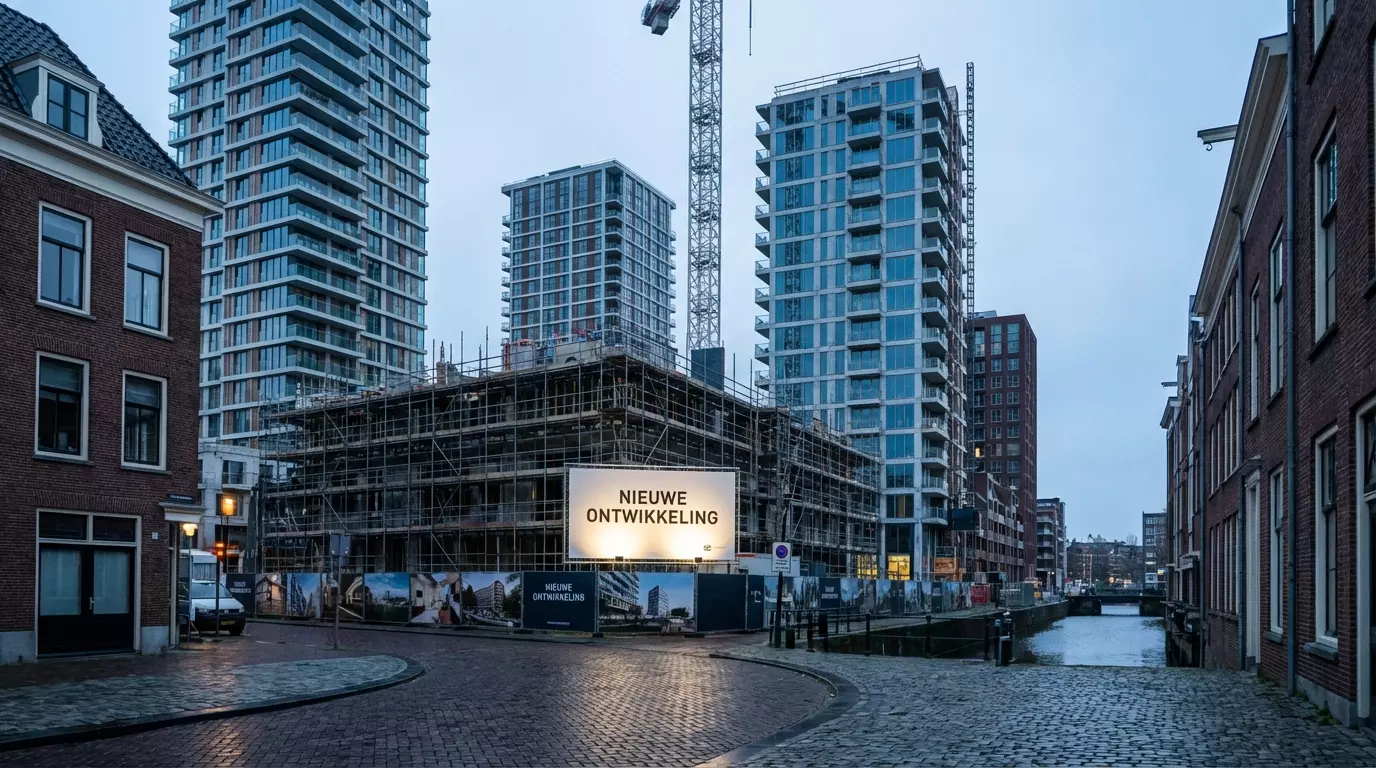
Netherlands Real Estate Hits New Heights
The Dutch property market is experiencing remarkable momentum, with recent projections indicating the sector will surpass USD 114.65 billion in valuation. This significant milestone reflects the resilience and attractiveness of Netherlands real estate as both a stable investment destination and a dynamic housing market. The growth trajectory demonstrates how the country’s strategic location, robust economy, and high quality of life continue to attract both domestic and international stakeholders.
Market analysts point to several factors contributing to this impressive valuation. The Netherlands benefits from its position as a European logistics hub, coupled with a highly educated workforce and business-friendly policies. Urban centers like Amsterdam, Rotterdam, and Utrecht are experiencing particularly strong performance, driven by limited housing supply and consistent demand from young professionals, expatriates, and families. The combination of these elements creates a perfect storm for sustained market expansion well into the coming years.
Strong Demand Drives Market Growth Forward
Housing demand in the Netherlands continues to outpace supply, creating upward pressure on property values across multiple segments. The residential sector remains particularly tight, with major cities reporting critically low inventory levels. This shortage isn’t merely a temporary phenomenon but reflects decades of underbuilding relative to population growth and changing household compositions. Single-person households have increased substantially, while immigration and the country’s appeal as a tech and business hub have further intensified competition for available properties.
The commercial real estate segment is equally vibrant, with logistics and industrial properties leading the charge. The Netherlands’ position as Europe’s gateway, particularly through the Port of Rotterdam, makes it an ideal location for distribution centers and warehousing facilities. Office spaces in prime locations maintain strong occupancy rates despite the shift toward hybrid work models, while retail properties in high-traffic areas continue to command premium prices. This diversified demand across property types provides stability and multiple entry points for various investor profiles.
Investment Opportunities in Dutch Property
International investors are increasingly viewing Dutch real estate as a safe haven with attractive returns. The market offers several compelling advantages including transparent legal frameworks, strong tenant protection laws that paradoxically create stable rental income streams, and a mature financial system that facilitates property transactions. Foreign investment, particularly from European neighbors, Asian investors, and North American funds, has contributed significantly to market liquidity and price appreciation.
Different property segments present unique opportunities for investors with varying risk appetites. Student housing represents a particularly attractive niche, given the Netherlands’ reputation for world-class universities and large international student population. Build-to-rent developments are gaining traction as developers respond to the rental shortage with purpose-built communities. Meanwhile, value-add opportunities exist in secondary cities where infrastructure improvements and population growth are creating emerging hotspots. According to European real estate research, the Dutch market consistently ranks among the top destinations for property investment in Europe, offering a balanced combination of stability and growth potential.
Key Investment Segments
- Residential Properties: High demand in urban centers with rental yields ranging from 3-5%
- Commercial Offices: Prime locations in Amsterdam and Rotterdam maintaining strong occupancy
- Logistics and Industrial: E-commerce growth fueling demand for distribution facilities
- Student Accommodation: Consistent demand from domestic and international students
- Retail Properties: High-street locations in major cities showing resilience
Market Performance Indicators
| Indicator | Current Status | Trend |
|---|---|---|
| Average Property Prices | €400.000+ (urban) | Rising |
| Rental Yields | 3-6% | Stable |
| Foreign Investment | 25-30% of market | Increasing |
| Construction Starts | Below demand | Gradually improving |
| Vacancy Rates | <5% (residential) | Declining |
What This Means for Buyers and Investors
For prospective homebuyers, the current market presents both challenges and opportunities. First-time buyers face significant hurdles due to high entry prices and competitive bidding situations, particularly in major metropolitan areas. However, government initiatives aimed at increasing housing supply and supporting first-time purchasers may provide some relief in the coming years. Buyers should consider expanding their search to emerging neighborhoods or secondary cities where price points remain more accessible while still offering good connectivity and amenities.
Investors need to approach the Dutch market with a long-term perspective and thorough due diligence. While property values have appreciated substantially, the fundamental drivers of demand remain intact, suggesting continued growth potential. Key considerations include understanding local zoning regulations, property taxes, and rental market dynamics. Working with local experts who understand regional nuances can make the difference between a successful investment and a costly mistake. The market rewards those who combine patience with strategic positioning, particularly in segments aligned with demographic and economic trends.
Strategic Considerations for Market Entry
For Buyers:
- Research emerging neighborhoods with development potential
- Consider properties near planned infrastructure improvements
- Factor in energy efficiency ratings, as sustainability becomes increasingly important
- Understand mortgage requirements and restrictions for foreign buyers
- Plan for competitive bidding situations in desirable areas
For Investors:
- Diversify across property types and geographic locations
- Evaluate total return including appreciation and rental income
- Consider tax implications in both the Netherlands and home country
- Monitor regulatory changes affecting rental markets
- Build relationships with local property managers and agents
Regional Market Variations
The Dutch real estate market isn’t monolithic, with significant variations between regions. The Randstad area, encompassing Amsterdam, Rotterdam, The Hague, and Utrecht, commands premium prices but offers maximum liquidity. The southern provinces, including Noord-Brabant with cities like Eindhoven, present growth opportunities driven by tech industry expansion. Northern regions offer more affordable entry points with potential for appreciation as remote work enables greater geographic flexibility.
Understanding these regional dynamics helps buyers and investors align their strategies with personal goals and risk tolerance. Some areas offer immediate rental income with modest appreciation, while others present longer-term value plays dependent on infrastructure development or economic shifts. The key is matching property characteristics with investment objectives while maintaining realistic expectations about timelines and returns.
In Short
The Netherlands real estate market’s trajectory toward exceeding USD 114.65 billion valuation reflects fundamental strengths that extend beyond short-term speculation. Strong demographic trends, limited supply, strategic geographic positioning, and robust economic fundamentals create a compelling case for continued market growth. Whether you’re a first-time homebuyer, seasoned investor, or international fund manager, the Dutch property market offers opportunities across multiple segments and price points.
Success in this market requires understanding local dynamics, maintaining patience during competitive situations, and taking a long-term view of property ownership. While challenges exist, particularly around affordability and supply constraints, the overall outlook remains positive. Those who enter the market with proper research, realistic expectations, and strategic planning position themselves to benefit from one of Europe’s most dynamic real estate environments.
The coming years will likely see continued evolution as the market responds to housing policies, sustainability requirements, and changing work patterns. Staying informed about these developments while maintaining focus on fundamental value drivers will separate successful market participants from those who chase trends without substance. The Netherlands real estate market rewards diligence, local knowledge, and strategic thinking.
FAQ
What is driving the Netherlands real estate market growth?
The market growth stems from multiple factors including severe housing shortages, strong economic fundamentals, the country’s position as a European business hub, and consistent demand from both domestic buyers and international investors. Limited new construction relative to population growth has created sustained upward price pressure.
Is now a good time to invest in Dutch real estate?
While prices have appreciated significantly, fundamental demand drivers remain strong. Long-term investors with proper due diligence and realistic return expectations can still find opportunities, particularly in emerging neighborhoods, secondary cities, and niche segments like student housing or logistics properties.
How does foreign investment affect the Dutch property market?
Foreign investment contributes approximately 25-30% of market activity, providing liquidity and supporting prices. While this can make markets more competitive for local buyers, it also reflects the market’s stability and attractiveness as an investment destination.
What are the biggest challenges facing Dutch real estate buyers?
The primary challenges include high property prices relative to incomes, intense competition for available properties, complex bidding processes, and strict mortgage lending criteria. First-time buyers face particular difficulties entering the market in major urban centers.
Which Dutch cities offer the best investment potential?
Amsterdam, Rotterdam, and Utrecht remain strong for established returns, while cities like Eindhoven, Groningen, and Maastricht offer growth potential at more accessible price points. The best choice depends on individual investment goals, risk tolerance, and timeline.
How sustainable is the current market growth?
Market growth is supported by fundamental supply-demand imbalances rather than speculation alone. While growth rates may moderate, underlying drivers including population growth, housing shortages, and economic strength suggest continued appreciation, albeit potentially at slower rates than recent years.




Join The Discussion