

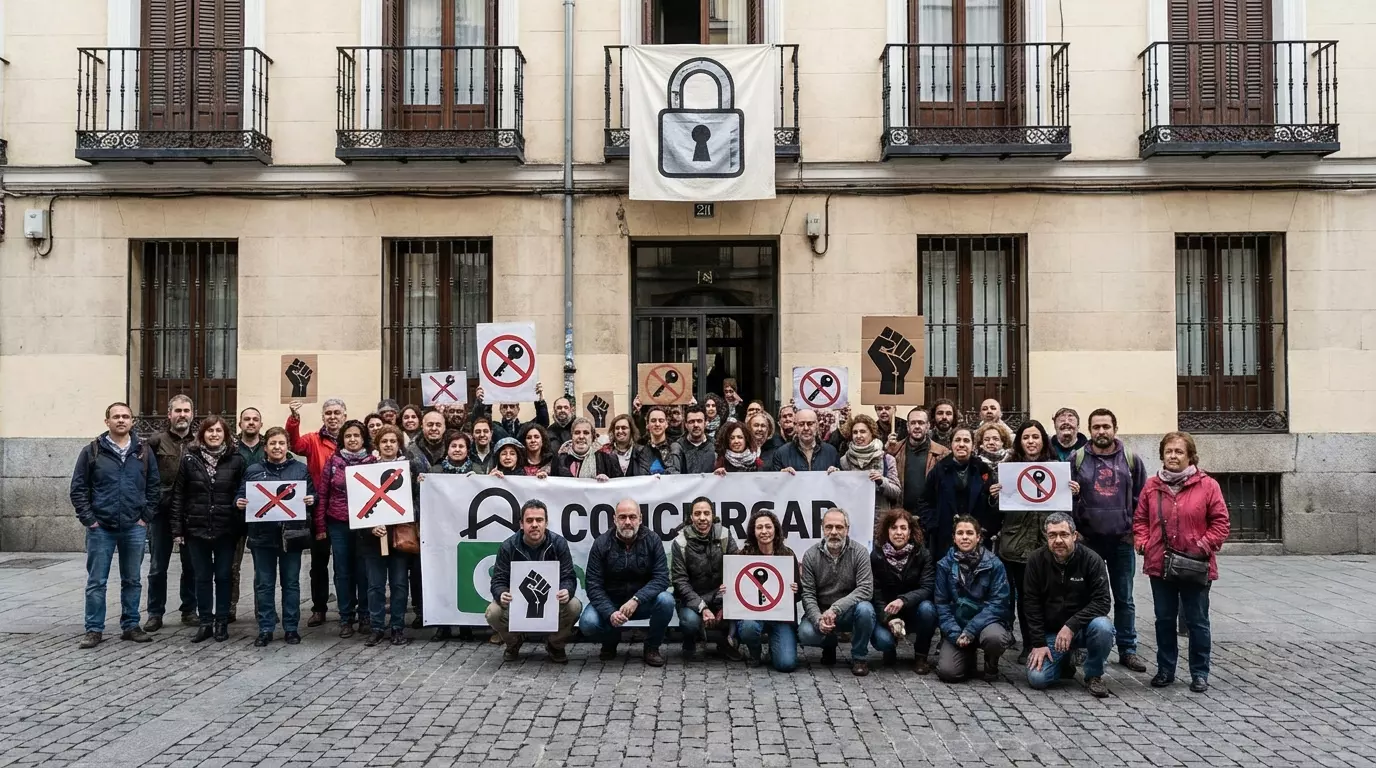
Spanish Tenants Fight Back Against Housing Harassment in Madrid
Spanish Tenants Fight Back Against Landlords
The housing crisis in Spain has reached a breaking point, with tenants across the country organizing unprecedented resistance against aggressive landlord tactics. In Madrid, Barcelona, and other major cities, renters are no longer accepting intimidation, illegal evictions, and harassment as inevitable consequences of the rental market. Community organizations and tenant unions have mobilized thousands of residents who are demanding their legal rights and pushing back against property owners who use fear and pressure to force out long-term tenants in favor of more lucrative short-term rentals or luxury renovations.
This grassroots movement represents a fundamental shift in the power dynamics between landlords and tenants in Spain. After years of rising rents and deteriorating living conditions, renters have begun documenting abuses, sharing information through social media networks, and supporting each other through organized resistance. The movement has gained momentum as more tenants realize they are not alone in facing harassment, with many discovering that their experiences follow similar patterns of intimidation used by landlords throughout the country.
Housing Harassment Reaches Crisis Levels
Housing harassment, known locally as “acoso inmobiliario,” has become a widespread problem affecting thousands of Spanish families. Landlords employ various tactics to pressure tenants into leaving their homes, including cutting off essential services like water and electricity, conducting unnecessary construction work at inconvenient hours, refusing to make critical repairs, and sending threatening letters or making verbal intimidations. These practices have intensified as property values have soared and landlords seek to capitalize on the booming tourist rental market or sell properties at premium prices without sitting tenants.
Statistics paint a disturbing picture of the scale of this crisis. Tenant advocacy groups report that harassment cases have increased by more than 60% over the past three years in major Spanish cities. Many victims are elderly residents, low-income families, and immigrants who feel powerless to challenge wealthy property owners. The psychological toll of constant harassment has led to increased stress, anxiety, and health problems among affected tenants. Despite existing laws that theoretically protect renters, enforcement has been inconsistent, leaving many vulnerable residents without effective recourse against unscrupulous landlords.
Madrid Becomes Ground Zero for Tenant Rights
The Spanish capital has emerged as the epicenter of tenant activism and resistance to housing harassment. Madrid’s rental market has become one of the most expensive in Europe, with average rents consuming more than 40% of median household income. This financial pressure, combined with aggressive landlord tactics, has created a perfect storm that has galvanized tenant organizing efforts. Neighborhoods like Lavapiés, Malasaña, and Carabanchel have become hotbeds of resistance, where community organizations provide legal support, document harassment cases, and organize collective actions to protect vulnerable residents.
Organizations such as the Sindicato de Inquilinas (Tenants Union) have been instrumental in coordinating these efforts. They offer free legal advice, accompany tenants to court proceedings, and organize demonstrations to raise public awareness about housing injustice. The union has successfully prevented numerous illegal evictions by mobilizing members to physically block eviction attempts and applying public pressure on landlords and authorities. Their work has inspired similar movements in other Spanish cities and has forced politicians to acknowledge the severity of the housing crisis and the need for stronger tenant protections.
New Laws Aim to Protect Vulnerable Renters
In response to mounting public pressure and widespread protests, Spanish lawmakers have introduced new legislation designed to combat housing harassment and provide greater security for tenants. The reforms include stricter penalties for landlords found guilty of harassment, with fines reaching up to €100.000 for serious violations. The new laws also establish clearer definitions of what constitutes harassment, making it easier for tenants to prove their cases in court. Additionally, the legislation extends eviction notice periods and provides greater protections for vulnerable populations, including families with children, elderly residents, and people with disabilities.
The Spanish government has also implemented measures to regulate the rental market more broadly, including rent caps in designated high-pressure areas and restrictions on converting residential properties into tourist accommodations. These policies aim to preserve affordable housing stock and prevent the displacement of long-term residents. However, implementation has been uneven across different regions, and enforcement remains a challenge. Property owner associations have criticized the new regulations as overly restrictive and harmful to the rental market, arguing that they discourage investment and reduce the availability of rental housing. Despite this opposition, tenant advocates maintain that stronger regulations are essential to address the power imbalance between landlords and renters.
Key Protections Under New Legislation
The reformed housing laws provide several important safeguards for Spanish tenants:
- Extended Contract Durations: Minimum rental contracts now extend to five years for individual landlords and seven years for corporate property owners
- Harassment Documentation: Tenants can officially register harassment complaints with municipal authorities, creating a legal record
- Emergency Housing Provisions: Municipalities must provide alternative accommodation for families facing illegal evictions
- Expedited Legal Processes: Courts must prioritize harassment cases to provide faster resolution for affected tenants
- Mandatory Mediation: Landlords and tenants must attempt mediation before pursuing eviction proceedings
Comparing Tenant Rights Across Europe
| Country | Minimum Contract Length | Rent Control | Eviction Notice Period |
|---|---|---|---|
| Spain | 5-7 years | Limited (high-pressure zones) | 2-4 months |
| Germany | Indefinite | Yes (local variations) | 3-9 months |
| France | 3 years | Limited | 6 months |
| UK | 6 months | No | 2 months |
| Netherlands | Indefinite | Yes | Variable |
According to research from the European Commission, Spain’s new tenant protections bring the country closer to the stronger regulatory frameworks found in Germany and the Netherlands, though significant gaps remain in enforcement mechanisms.
The Role of Community Support Networks
Beyond legal reforms, the success of tenant resistance depends heavily on community solidarity and mutual support. Neighborhood assemblies meet regularly to share information about problematic landlords, discuss legal strategies, and coordinate responses to harassment. These grassroots networks have proven remarkably effective at preventing evictions and holding landlords accountable. When a tenant faces harassment, community members document incidents with photographs and video, provide witness testimony, and sometimes organize physical presence at the property to deter illegal actions.
Digital platforms and social media have amplified these efforts, allowing tenants to share experiences and warnings about specific landlords or property management companies. Online databases track harassment cases and eviction attempts, creating transparency in a market that traditionally favored property owners. These tools have empowered individual tenants by connecting them with experienced activists and legal experts who can provide guidance and support during disputes with landlords.
Economic Impact and Market Dynamics
The tenant rights movement has begun to influence Madrid’s real estate market in measurable ways. Some investors have become more cautious about purchasing properties with sitting tenants, while others have reconsidered aggressive tactics due to increased legal risks and negative publicity. Property management companies are adapting their practices to avoid harassment allegations, though critics argue that many continue to seek loopholes in the new regulations.
The debate over housing policy reflects broader tensions in Spanish society about the right to housing versus property rights. While tenant advocates frame housing as a fundamental human right that requires strong government protection, property owners emphasize their investment risks and maintenance costs. This philosophical divide complicates efforts to find balanced solutions that ensure housing affordability while maintaining a functional rental market.
In Short
The tenant resistance movement in Spain represents a significant challenge to traditional power structures in the rental housing market. Through collective organizing, legal advocacy, and community solidarity, Spanish renters are fighting back against harassment and demanding their right to stable, affordable housing. New legislation provides important protections, but effective enforcement and continued grassroots activism remain essential to achieving meaningful change.
The situation in Madrid serves as both a warning and an inspiration for other cities facing similar housing crises. As rental markets tighten across Europe and beyond, the tactics and strategies developed by Spanish tenant unions offer a blueprint for organized resistance. The outcome of this struggle will have implications far beyond Spain’s borders, potentially influencing housing policy and tenant rights movements worldwide. Whether these efforts succeed in creating lasting change depends on sustained political will, continued community engagement, and the ability of tenant organizations to maintain pressure on landlords and policymakers alike.
FAQ
What is housing harassment in Spain?
Housing harassment, or “acoso inmobiliario,” refers to illegal tactics landlords use to pressure tenants into leaving their homes, including cutting utilities, refusing repairs, conducting disruptive construction, and making threats or intimidations.
What rights do tenants have under Spain’s new housing laws?
Spanish tenants now have extended minimum contract periods (5-7 years), protection against arbitrary rent increases in high-pressure zones, longer eviction notice periods, and the ability to officially register harassment complaints with authorities.
How can tenants document harassment by landlords?
Tenants should keep detailed records of all incidents, including photographs, videos, written communications, witness statements, and dates of utility disruptions or other harassment tactics. This documentation is essential for legal proceedings.
What should a tenant do if facing illegal eviction?
Contact a tenant union or legal aid organization immediately, document everything, inform neighbors and community networks, and do not leave the property voluntarily. Many evictions can be prevented through legal intervention and community support.
Are rent controls effective in Madrid?
Rent controls in designated high-pressure areas have helped moderate price increases for some tenants, but their effectiveness remains debated. Implementation has been inconsistent, and some landlords seek ways to circumvent the regulations.
How has the tenant movement changed Spain’s housing market?
The movement has increased awareness of tenant rights, made some landlords more cautious about harassment tactics, influenced new legislation, and created support networks that help vulnerable renters resist displacement.




Join The Discussion