

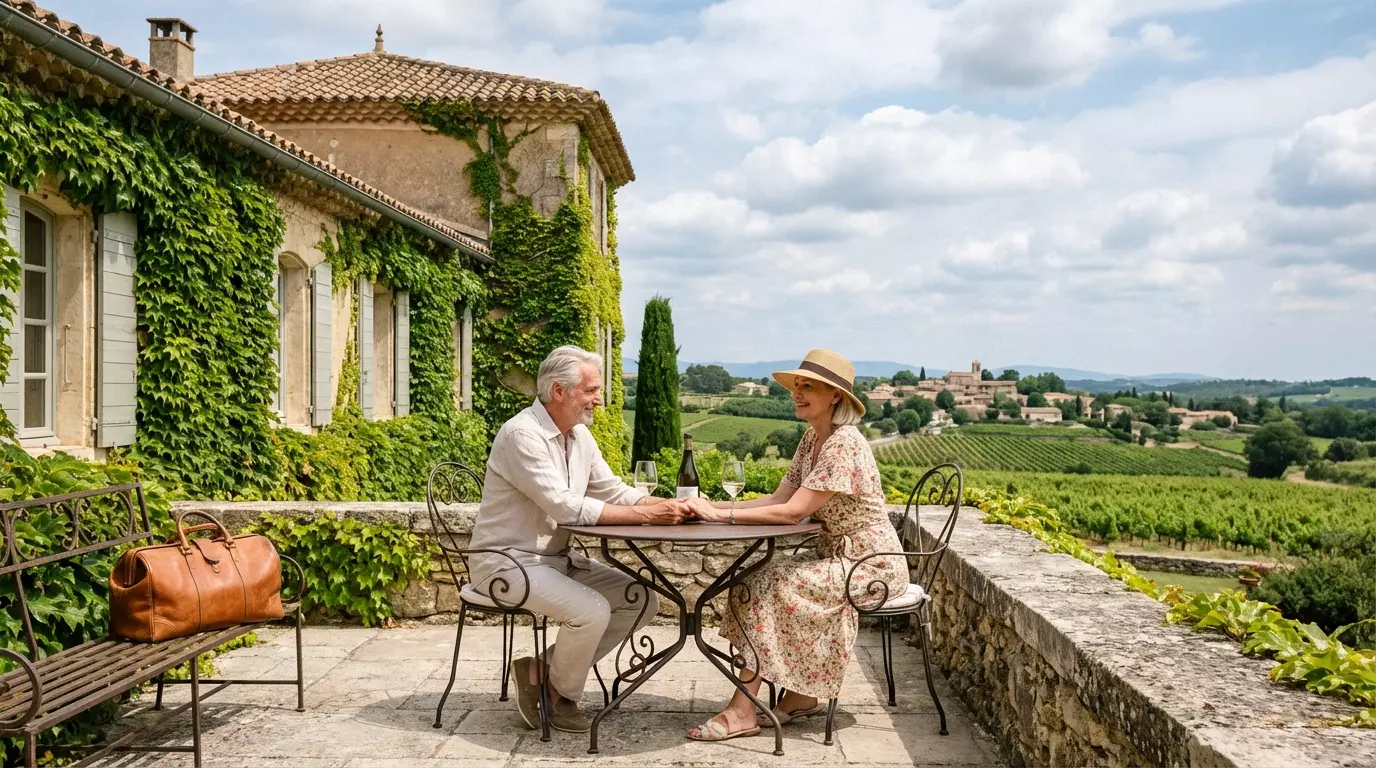
Understanding France’s Second Home Ownership Landscape
France has long been synonymous with charming countryside retreats, coastal villas, and mountain chalets that serve as secondary residences for thousands of property owners. The phenomenon of second home ownership in France represents more than just a real estate trend; it reflects broader economic patterns, lifestyle choices, and demographic shifts that are reshaping the nation’s housing landscape. As property markets evolve and housing affordability becomes an increasingly pressing concern, understanding who owns these secondary properties has never been more relevant.
Recent data reveals a complex picture of second home ownership in France, where approximately 3.5 million properties serve as secondary residences, representing roughly 10% of the country’s total housing stock. This significant portion of the housing market has sparked debates about housing accessibility, local economies, and community sustainability. From wealthy Parisians seeking weekend escapes to foreign investors attracted by France’s quality of life, the profile of second home owners continues to diversify while raising important questions about housing policy and market dynamics.
Who Owns Second Homes in France Today
The landscape of second home ownership in France has undergone significant transformation over recent decades. Today’s secondary property owners represent a diverse cross-section of society, though certain demographic patterns emerge clearly from the data. Approximately 60% of second home owners are French nationals, with the remaining 40% comprising international buyers primarily from Belgium, the United Kingdom, the Netherlands, and increasingly from other European Union countries. The French National Institute of Statistics and Economic Studies tracks these ownership patterns, revealing that the average second home owner tends to be over 55 years old, financially comfortable, and often retired or approaching retirement.
The motivations behind purchasing a second home vary considerably among different owner categories. For many French families, secondary residences represent inherited properties passed down through generations, particularly in rural areas where ancestral homes remain within families. Other owners actively invest in second properties as vacation retreats, rental income sources, or future retirement locations. The financial profile of these owners typically includes households in the upper income brackets, with studies indicating that second home owners generally earn at least 50% more than the national median income. This economic disparity has fueled ongoing debates about housing inequality and market accessibility for first-time buyers.
The Profile of Modern French Property Investors
Modern French property investors in the secondary home market display distinct characteristics that set them apart from traditional homeowners. The typical second home investor maintains their primary residence in urban centers, particularly in the greater Paris region, Lyon, or other major metropolitan areas. These individuals often work in professional sectors such as finance, technology, healthcare, or hold senior management positions that provide the financial means to maintain multiple properties. According to recent housing market research, approximately 70% of second home owners use their properties for personal leisure purposes, while 30% generate rental income through seasonal or year-round letting arrangements.
The investment strategy of contemporary second home buyers has evolved significantly with changing market conditions and technological advances. Many owners now leverage digital platforms to maximize their property’s rental potential during periods of non-use, effectively subsidizing ownership costs through short-term vacation rentals. The average second home in France is valued at approximately €150,000, though this figure varies dramatically based on location, with coastal properties and Alpine regions commanding significantly higher prices. Younger investors, typically aged 35-50, increasingly view second properties as diversification strategies within broader investment portfolios, combining personal enjoyment with long-term capital appreciation potential.
Regional Patterns in Secondary Home Ownership
France’s geography creates distinct regional patterns in second home distribution, with certain areas experiencing particularly high concentrations of secondary properties. Coastal regions lead the statistics, with departments along the Mediterranean coast and Atlantic seaboard showing second home ownership rates exceeding 40% of total housing stock in some municipalities. The French Riviera, Brittany, and the Atlantic coast from Vendée to the Basque Country represent prime locations where second homes dominate local real estate markets. Mountain regions, particularly the Alps and Pyrenees, also demonstrate elevated secondary home percentages, driven by winter sports tourism and summer mountain retreats.
Rural inland areas present a more nuanced picture of second home ownership patterns. Regions such as Provence, Dordogne, and parts of central France attract both domestic and international buyers seeking authentic French countryside experiences. These areas often feature lower property prices compared to coastal locations, making them accessible to a broader range of buyers. However, some rural communities face challenges when second home concentrations reach critical levels, with village centers becoming ghost towns outside peak tourist seasons. The island of Corsica presents an extreme case, where certain coastal communes report second home rates approaching 60%, fundamentally altering community dynamics and local housing availability.
Economic Impact on Local Housing Markets
The proliferation of second homes creates multifaceted economic impacts on local housing markets, generating both benefits and challenges for affected communities. On the positive side, second home owners contribute to local economies through property taxes, maintenance spending, and consumption during their stays. These properties often require services from local tradespeople, gardeners, and property managers, creating employment opportunities in areas that might otherwise struggle economically. Tourism-dependent regions particularly benefit from the infrastructure and amenities that second home owners help sustain, including restaurants, shops, and cultural venues that rely on seasonal population increases.
However, the concentration of second homes also generates significant negative externalities for local housing markets and permanent residents. In high-demand areas, the competition from second home buyers drives property prices beyond the reach of local workers and young families seeking primary residences. This phenomenon, often called “residential eviction,” forces local populations away from their communities, undermining social cohesion and essential service provision. The situation becomes particularly acute in tourist hotspots where rental yields from short-term vacation lettings exceed long-term residential rental returns, incentivizing property owners to remove units from the permanent housing stock. Some municipalities have responded by implementing local taxes on second homes, with rates reaching up to 60% of property tax values in the most pressured markets, attempting to discourage speculative ownership while generating revenue for affordable housing initiatives.
The rental market dynamics in second-home-heavy regions create additional complications for local economies. Seasonal workers in tourism industries often struggle to find affordable accommodation, as available rental properties either serve as vacation homes or command premium prices during peak seasons. This housing shortage can limit economic growth potential, as businesses struggle to attract and retain employees who cannot afford local housing costs. Some coastal and mountain communities have introduced quotas limiting new second home construction or requiring developers to include affordable housing components in new projects. These regulatory interventions reflect growing recognition that unchecked second home proliferation threatens community sustainability and economic diversity.
In Short
France’s second home ownership landscape reveals a complex interplay between personal aspirations, investment strategies, and community impacts that continues to evolve. With 3.5 million secondary properties distributed unevenly across the country, these homes represent significant economic assets while simultaneously creating housing accessibility challenges in high-demand regions. The typical second home owner emerges as an affluent, older individual or family, often maintaining primary residence in urban centers while seeking leisure or investment opportunities in coastal, mountain, or rural areas.
The regional concentration of second homes, particularly along coastlines and in mountain resorts, demonstrates how geographic desirability drives ownership patterns and creates localized housing market pressures. As French policymakers grapple with housing affordability concerns, the role of second homes in restricting primary residence availability has become increasingly scrutinized. Balancing the economic benefits these properties bring to tourism-dependent regions against the social costs of reduced housing accessibility remains an ongoing challenge requiring nuanced policy responses tailored to local conditions.
FAQ
How many second homes exist in France?
France currently has approximately 3.5 million second homes, representing about 10% of the total housing stock. These properties are distributed unevenly across the country, with higher concentrations in coastal areas, mountain regions, and certain rural departments.
What is the average cost of a second home in France?
The average second home in France is valued at approximately €150,000, though prices vary significantly by location. Coastal properties and Alpine regions command premium prices, while rural inland areas offer more affordable options for secondary property buyers.
Who typically owns second homes in France?
About 60% of second home owners are French nationals, with 40% being international buyers primarily from Belgium, the UK, and the Netherlands. The typical owner is over 55 years old, financially comfortable, and earns at least 50% more than the national median income.
How do second homes affect local housing markets?
Second homes create mixed impacts: they contribute to local economies through taxes and spending but also drive up property prices, making housing less affordable for permanent residents. In some areas, second homes comprise over 40% of housing stock, creating seasonal ghost towns.
Are there taxes on second homes in France?
Yes, France imposes various taxes on second homes, including standard property taxes plus additional surcharges in high-demand areas. Some municipalities levy supplementary taxes reaching up to 60% of property tax values to discourage speculative ownership and fund affordable housing initiatives.
Can second home owners rent their properties?
Yes, approximately 30% of second home owners generate rental income from their properties through seasonal or year-round letting arrangements. Many use digital platforms for short-term vacation rentals, though some municipalities have introduced regulations limiting this practice.

Join The Discussion